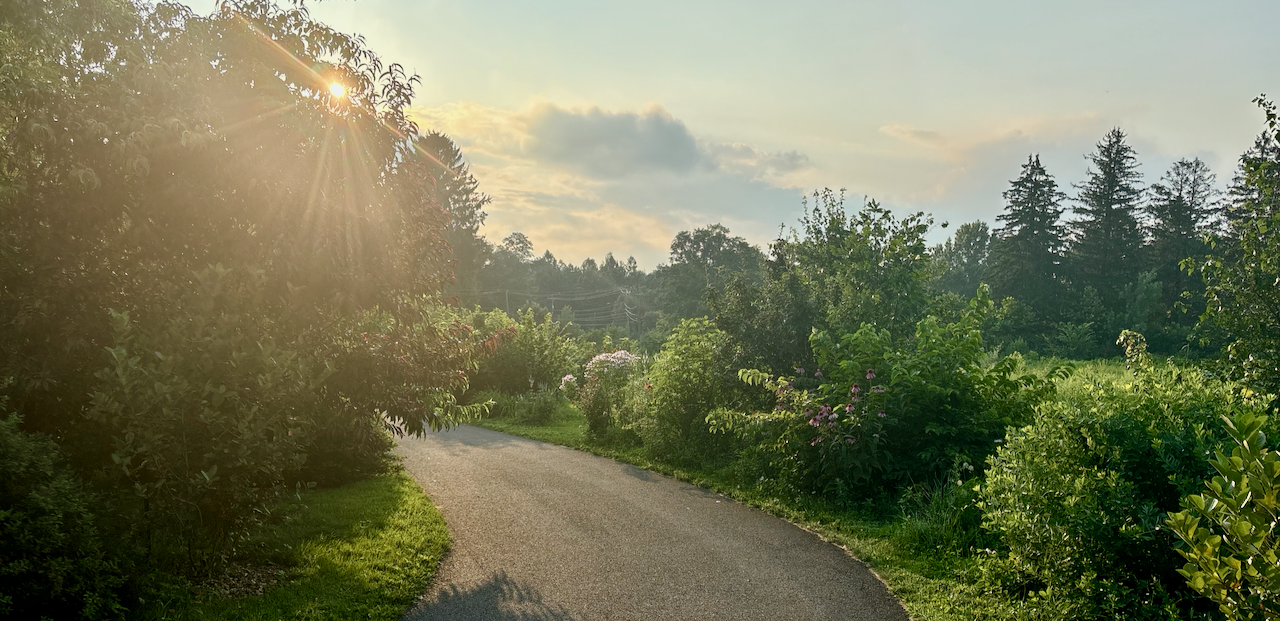

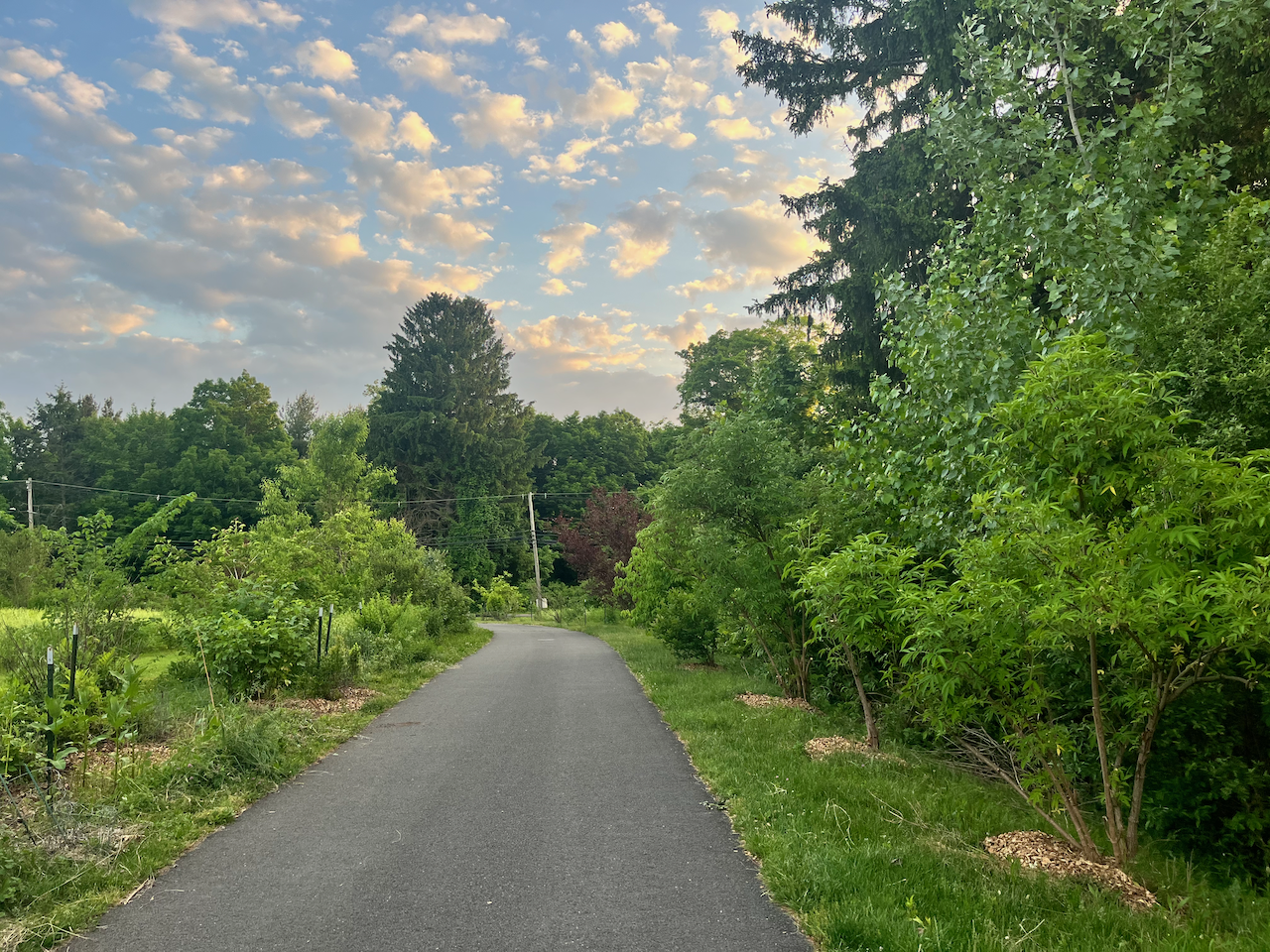
The Newtown Fruit Trail.
Newtown Connecticut’s free, public,
edible food forest.
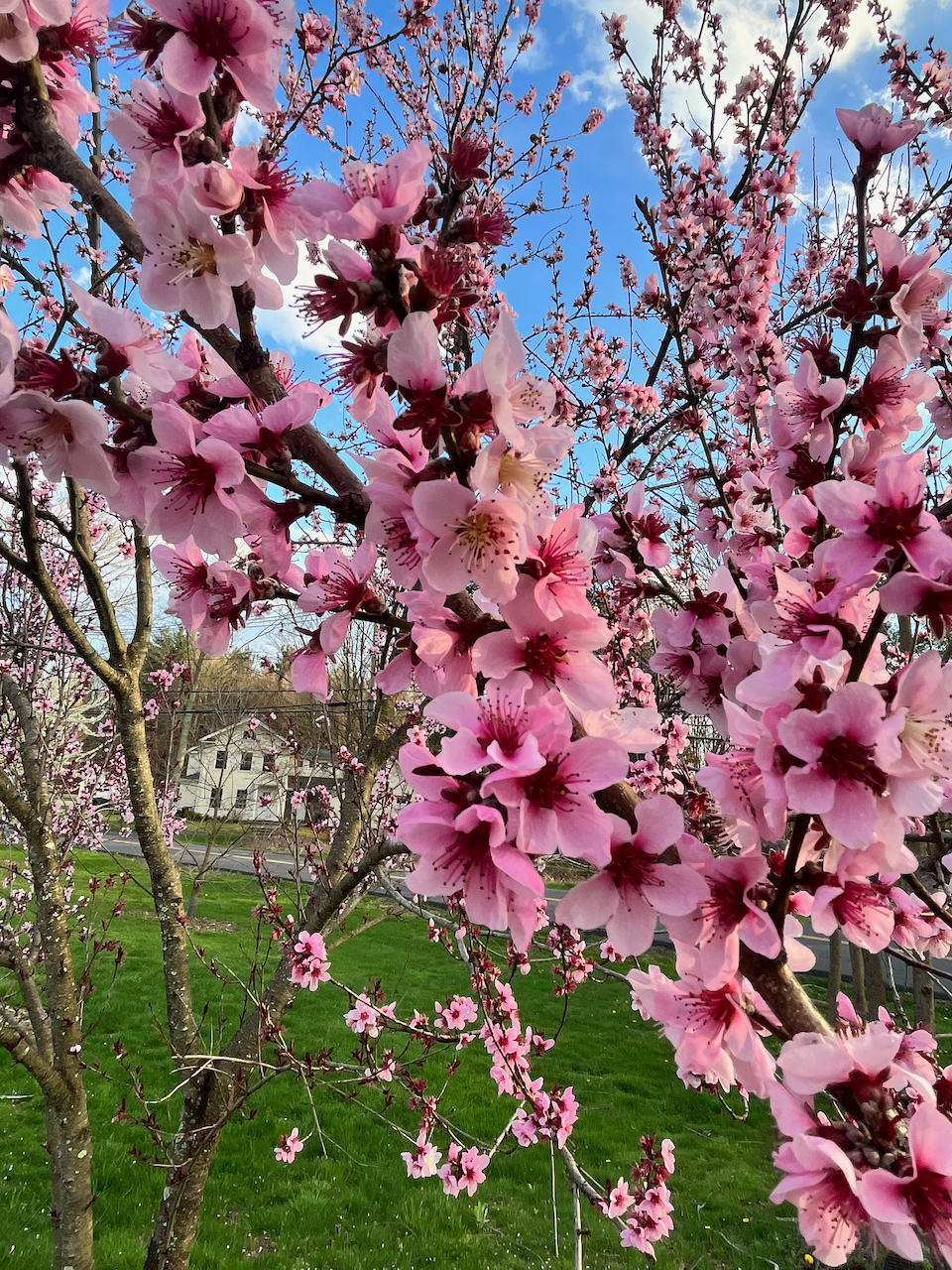
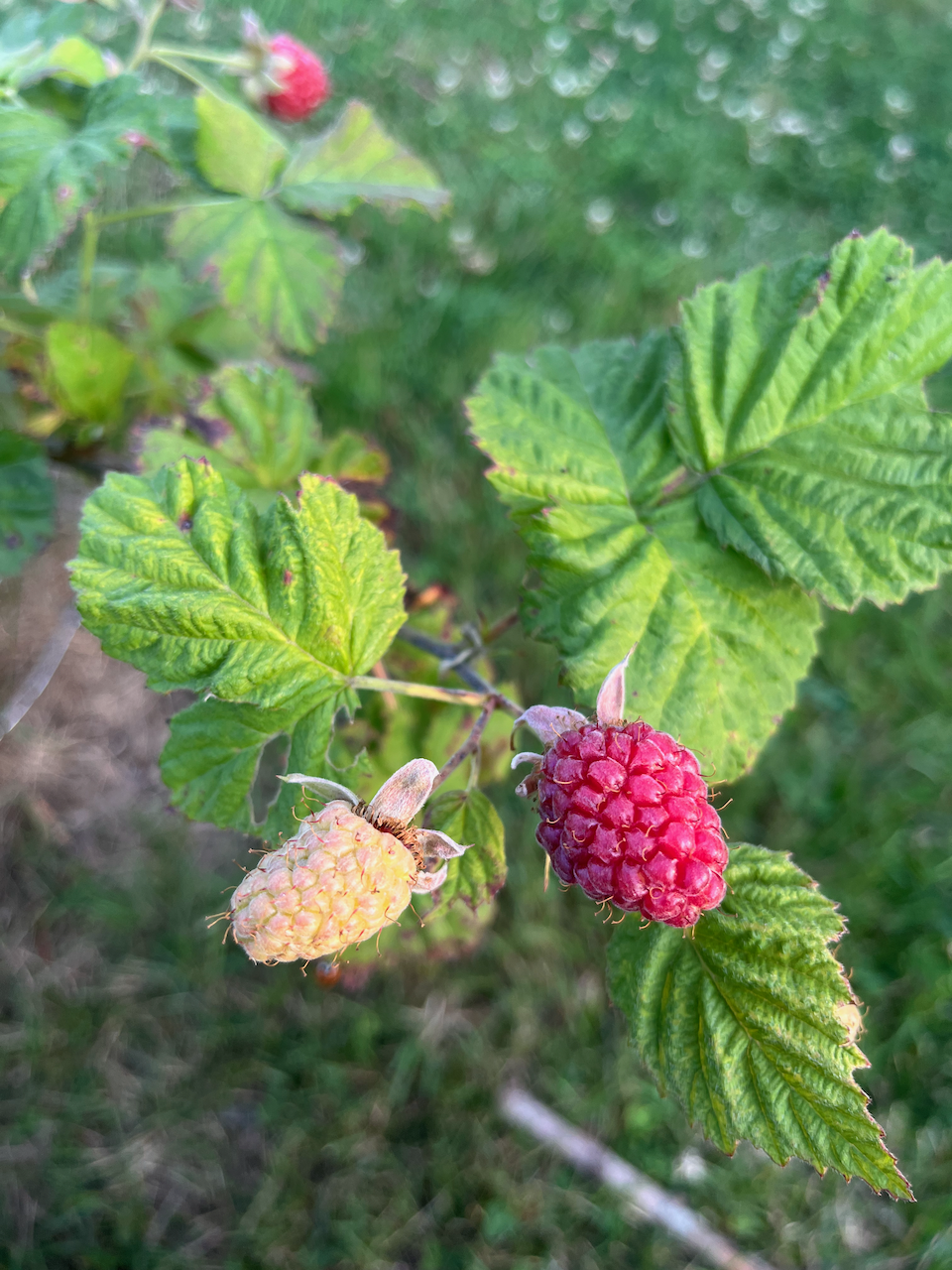
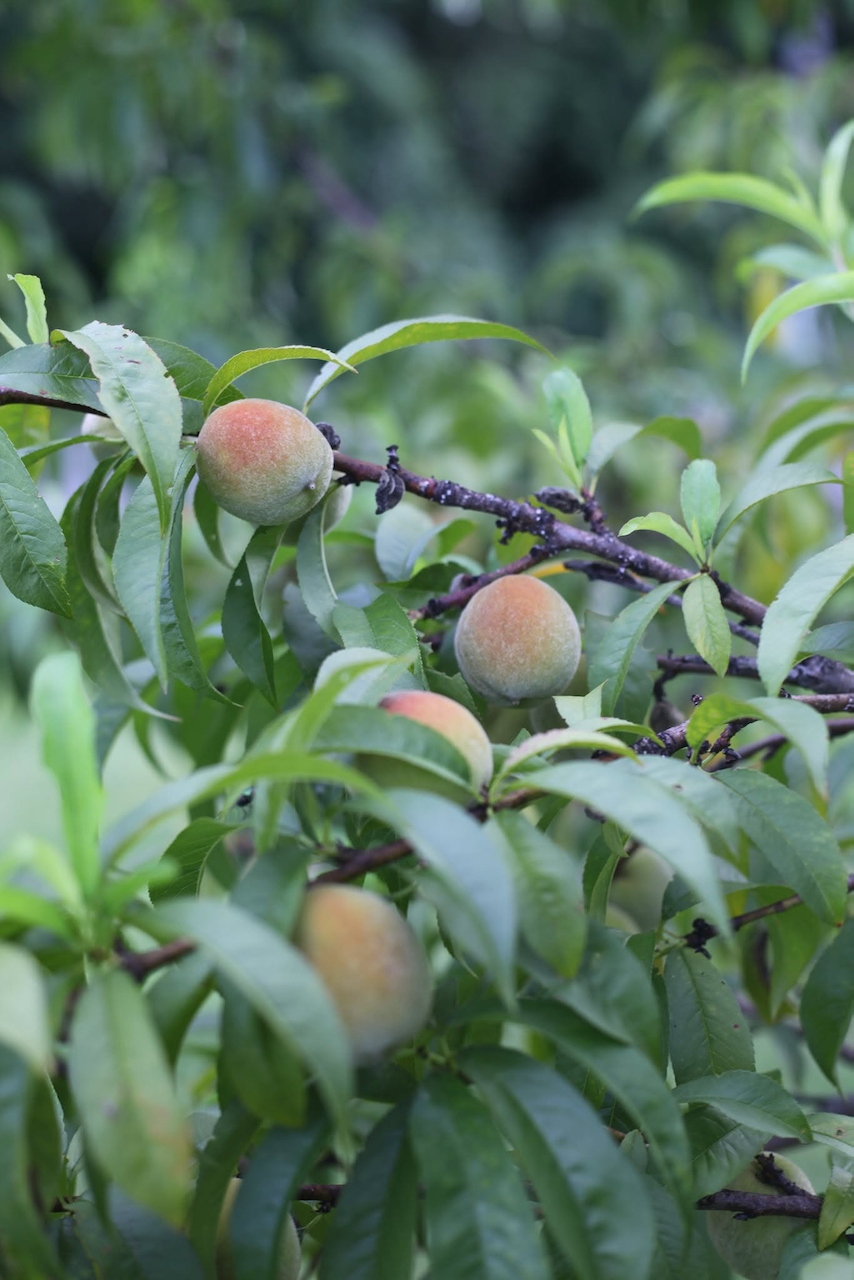
Visit in person:
spring, summer,
fall & winter.
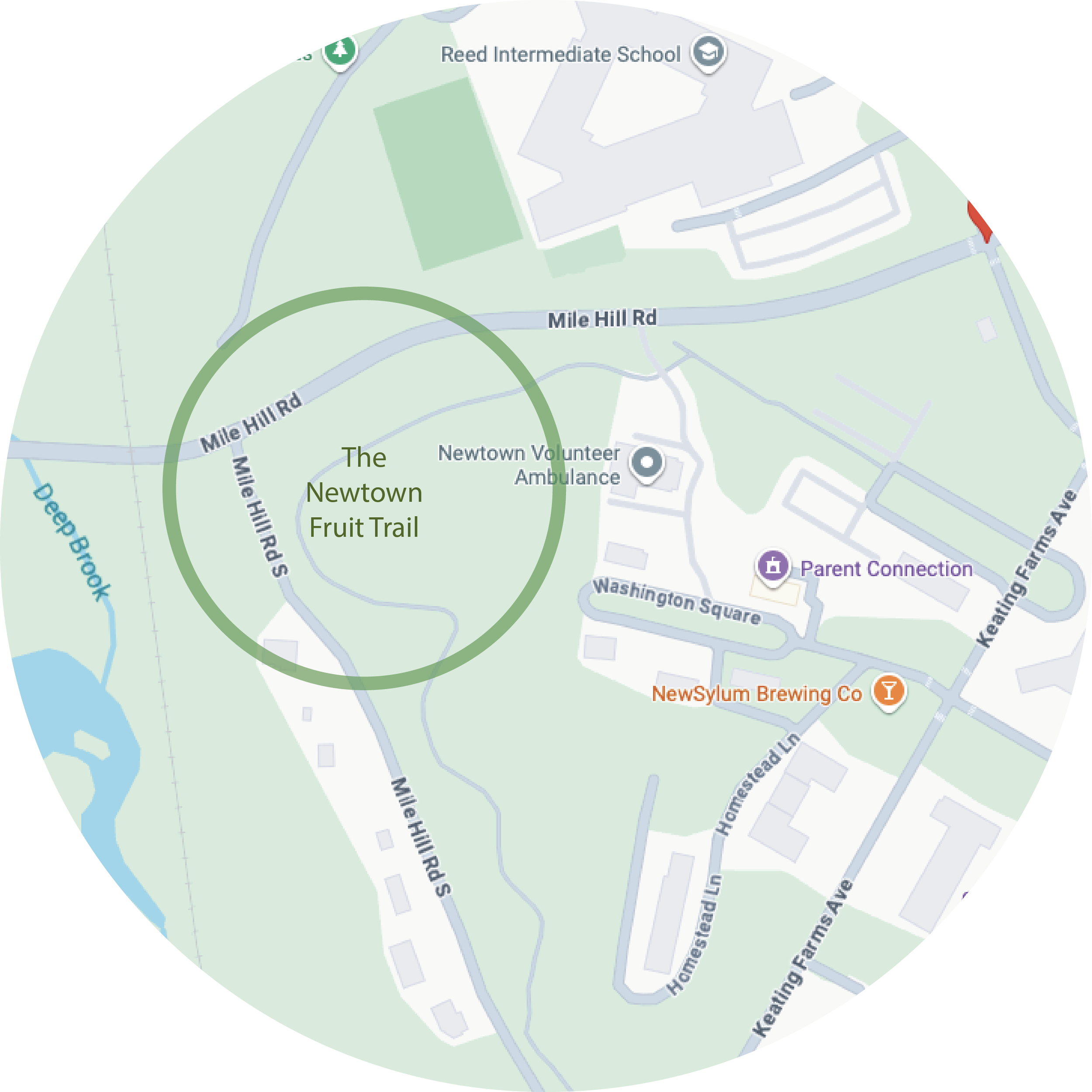
Fairfield Hills Campus,
on the corner of Wasserman Way and
Mile Hill South
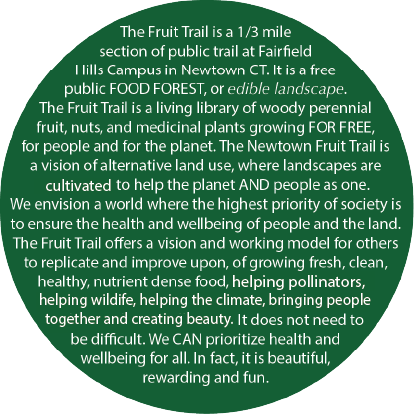
What IS the Newtown Fruit Trail?
When you notice something that needs to be changed or created in the world, it becomes your task to make it.
Why ‘community orchards’?
Why public ‘food forests’?
Public orchards are an effective response to almost every issue facing our world today.
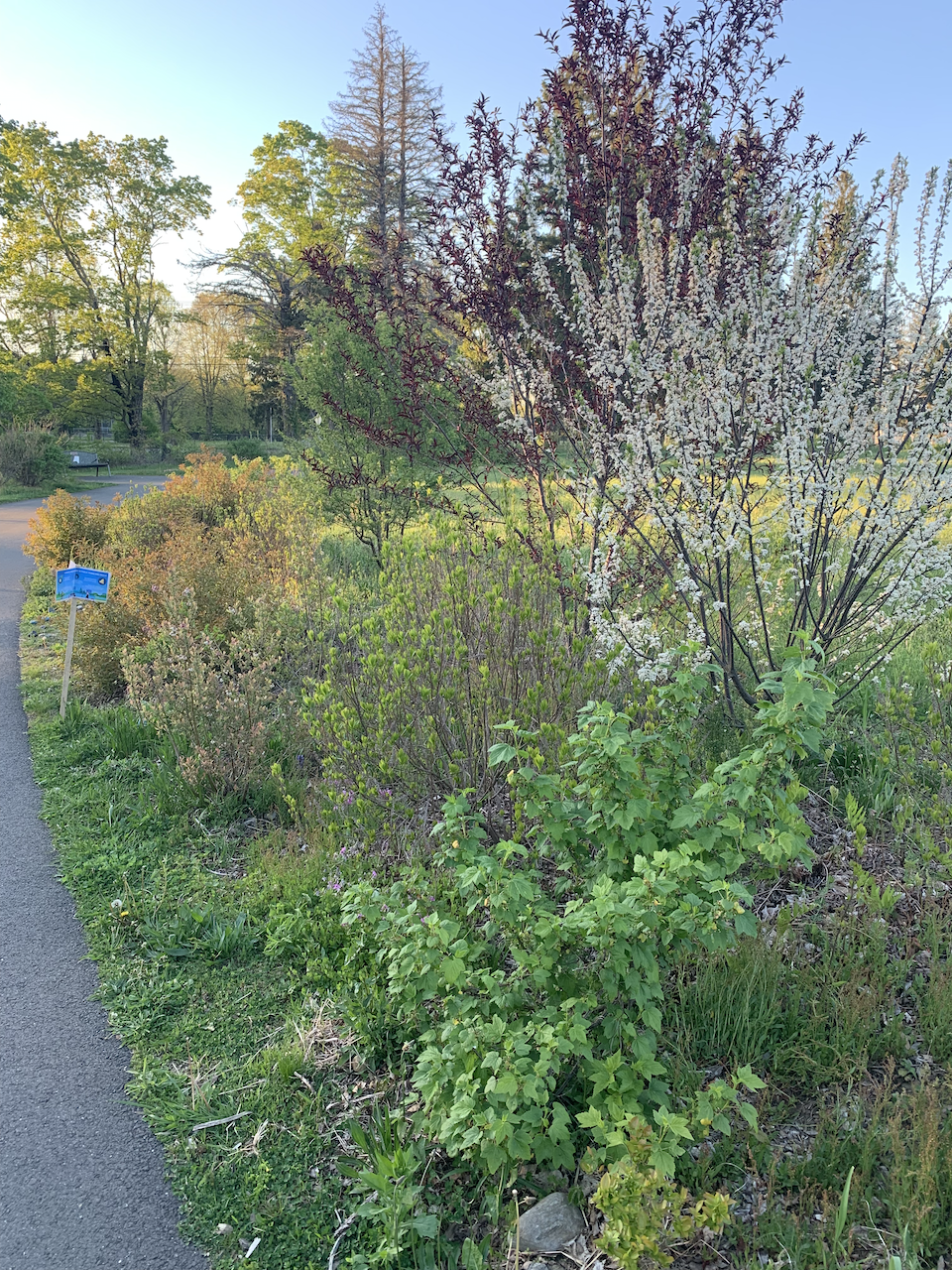
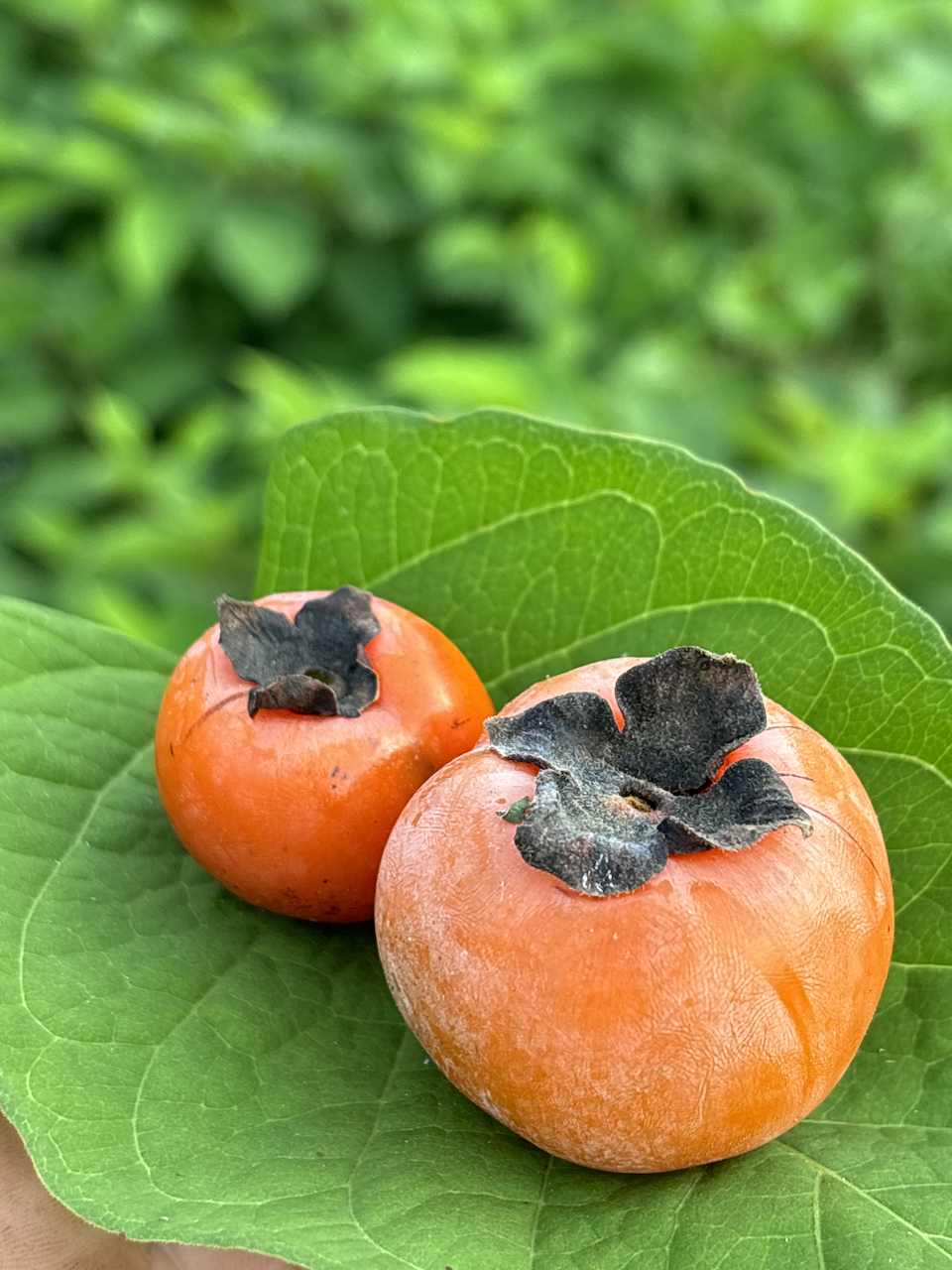
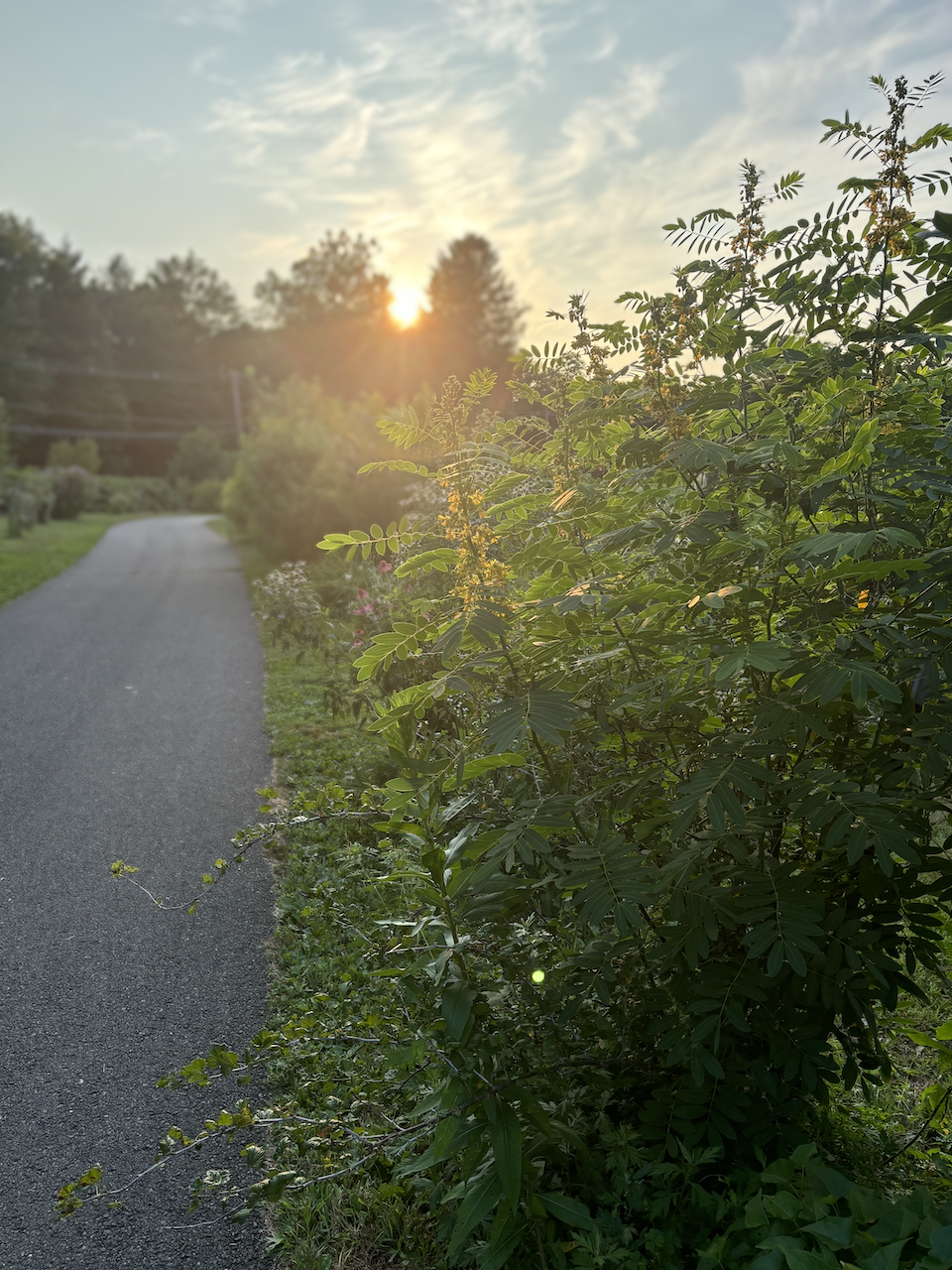
Currently, our world is facing an overwhelming range of crises: from degrading public health, degrading environmental health, loss of biodiversity, climate instability, extreme weather, soil erosion, pollution, insect collapse, ocean collapse, economic pressure, nutritional degradation, declining mental and emotional health, screen addiction, overuse of technology, lack of community, political decay and a general lack of human-nature connection.
No humans in history have ever faced this breadth of extreme existential crises all at once. Looking at everything that needs fixing can feel entirely daunting and destabilizing. However: some of the simplest solutions have always been in our reach. Nature has always given us the simplest, easiest and most effective solutions, if only we are willing to slow down and recognize the genius of the tools already here:
Planting free public fruit trees is one of many elegant solutions to help our world. Creating free public orchards like the Newtown Fruit trail helps almost every issue at once:
Public fruit trees: Generate fresh, healthy nutrient-dense food for everyone, without demanding a high price.
Public fruit trees: Do not require poisons, insecticide, pesticide, herbicide or glyphosate, but they still produce MORE and MORE food EVERY YEAR.
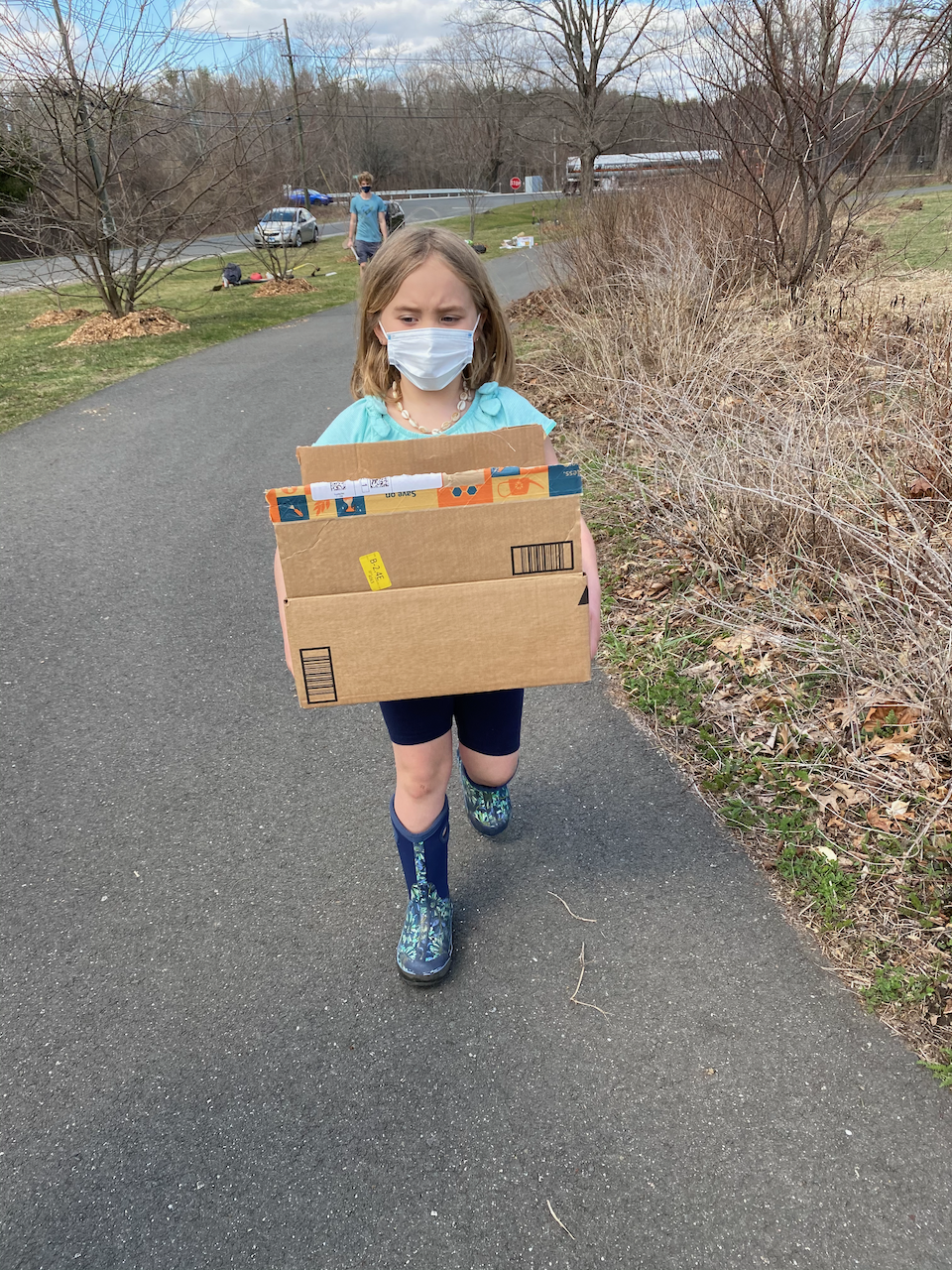
Public Fruit Trees: create rich environments for childhood development, allowing kids to have nourishing experiences in nature, picking berries, creating real-life relationships with other kids, building family traditions and positive family memories. Foraging cultivates curiosity, problem-solving, nature literacy and helps developed deep bonds to the land, allowing children to grow into adults who are more likely to value and protect nature, because of their early relationship to the fruit trees. Kid who play outdoors are more likely to develop into capable, stable adults with tangible, real world experience from their fun foraging experiences, compared to those with excessive, dissociative screen time. It’s actually more fun to play outside and forage for fruit in nature than forage for notifications online.
Public orchards support our precious pollinators. Diverse flowering trees and herbs are CRUCIAL for insects and pollinators… and insects are CRUCIAL for our lives. Insects are a foundation of healthy ecosystems. Without insects, ecosystems unravel, with ecosystems, our world unravels, and our lives become unlivable. They are a crucial domino that we cannot allow to tip. Whether you like bugs or not, we NEED them to survive on Earth. Mixed orchards create havens for imperiled species to recover.
Public orchards help wildlife. In addition to pollinators: public orchards create habit for wildlife like birds who are also in decline across the globe. We need to continue living side by side with wildlife species, so that our planet can remain habitable, stable, beautiful and magic.
Public orchards create a safeguard against economic and political instability. The more that we depend on food grown from hundreds and thousands of miles away, shipped using excessive oil and emitting excessive carbon, the MORE VULNERABLE that we are to economic and political swings. The more food that we grow close to home, at local farms and orchards, the more resilient and immune we are to fragile systems.
Climate Health: We have been warned for decades about the realities of climate crises, extreme weather, and degrading planetary health. Our ecological emergencies stem from over-pollution and overconsumption of Earth’s finite resources. We MUST make a shift. Growing perennial food at home is a way to generate food WITHOUT extreme pollution, poisons or carbon emissions, in fact, it actually helps to SEQUESTER carbon and helps our climate!
A step toward regenerative agriculture: We each have a responsibility to help our one, shared, living planet wherever we call home. We each have a corner of the Earth to protect and restore. Replacing industrial food with regenerative local food is a tremendous way to mitigate ecological harm while actually helping the land. Orchards are an integral pat of the solution. Trees heal the climate. Trees heal ecosystems. Trees sequester carbon and generate oxygen. Trees don’t need excessive annual inputs. Trees can grow where annual crops can not. Trees are more resilient than annual crops. Tree crops help the planet WHILE producing food and value for people. We need more tree crops everywhere, starting with your yard or park!
Biodiversity: Our planet is facing an alarming loss of biodiversity in the plant and animal kingdoms. We can not afford to continue clearing land. Instead, we must conserve the remaining habit that we have left, and assist the restoration of already damaged landscapes. Converting grassy lawns and parks into edible food forests is a perfect, effective, easy, fun and rewarding way to help restore local biodiversity. Design your food forest to feature native edible and medicinal plants. Food forests that feature native plants create an oasis of biodiversity that can spread and spread. Create a foothold for rare species where they can mature and then repopulate… all while creating food, fun, play and cleaner air and water for us all!
Public orchards are beautiful: Beauty must not be abandoned. Today, the motivating priority behind most endeavors is to maximize profit and maximize ‘economic value’. Sadly, this has caused many towns and many developers to abandon the importance of deep beauty and diversity. Cultivating beautiful, colorful spaces is crucial for human wellbeing. Mental health, emotional health, quality of life and quality of relationships goes up when we live in vibrant, healthy, beautiful spaces. It is important to continue putting energy into beauty. It is important to put energy into health, happiness and well-being. We must measure the value of human health and human happiness with as much care as people measure economic growth. We must quantify the value of the healthy environments and ensure that they increase with as much fervor as people invest into watching finance increase. We must recognize that degrading the environment is a deep loss the every single person. We must prioritize the value of green spaces and environmental diversity among the highest goals of society.
Beauty is a value that must be prioritized equal to economic measures, or else our world is hardly worth living in. No matter how ‘economically’ successful our world is, if the landscape is dead, we have failed. If the air is polluted, the water is foul and the land is empty of life, no amount of money will help us. A world with money but no beauty is not a world worth creating. Instead, Food forests generate a deeper value: Edible landscapes create a healthy world that makes us ALL RICH! Public orchards and food forests become beautiful outdoor spaces full of life for all to be nourished by the beauty of our planet. Society improves when people have spaces to walk slow, breathe deep, contemplate, have moments of quiet, and spaces to rest. Valuing other’s wellbeing is key to a mature, wise world. When our neighbors suffer, we suffer. When our neighbors thrive, we share in collective vibrancy. It is not wise to accumulate money at the expense of your neighbors’ wellbeing. Their anguish will impact your own wellbeing. It is not wise to extract private wealth while destroying public health. Pain inflicted on others is pain inflicted on oneself. It is not good business to destroy local habitats for private profit. The long term costs of ecological decline affect everyone, no matter your fortune. It is key to measure the value of ecological health and generate collective well-being with the same fervor that the economy strives to generate profit.
The Fruit Trail recognizes a value that the economy has forgotten to measure: planetary health and collective wellbeing: our TRUE wealth. The Earth is the foundation beneath every other foundation in society. Without a healthy planet, we have nothing. The Earth is our greatest fortune, that has been compounding and appreciating for millions of years. The earth is our shared fortune, our shared inheritance and our collective bequest to the future. It is not for a small handful to destroy. It is for us all to safeguard and increase. Rebuilding beauty and rebuilding ecological diversity is one way to increase our collective wealth. We look forward to a world where the priority of society is increasing our COLLECTIVE bank account: the soil. The Earth.
Food forests and parks in general enable neighbors to connect and wonder in person. We all need connection. Most turn to bright screens, but we deep down we need real interactions with real people in the physical world. Technology has advanced, happiness and well-being has plummeted. Screens create a facade of connection but keep further apart than ever before. Our minds may be fooled but our bodies and hearts know the difference. We need real connection with land and people. When people are chronically depressed, society erodes. We must conserve outdoor spaces. The value of healthy outdoor spaces on community health must not be abandoned for short-term profit. The long term costs that accumulates from lack of space and lack of beauty is a steep price. We must invest in health, landscapes, places to play together and spaces of quiet sanctuary.
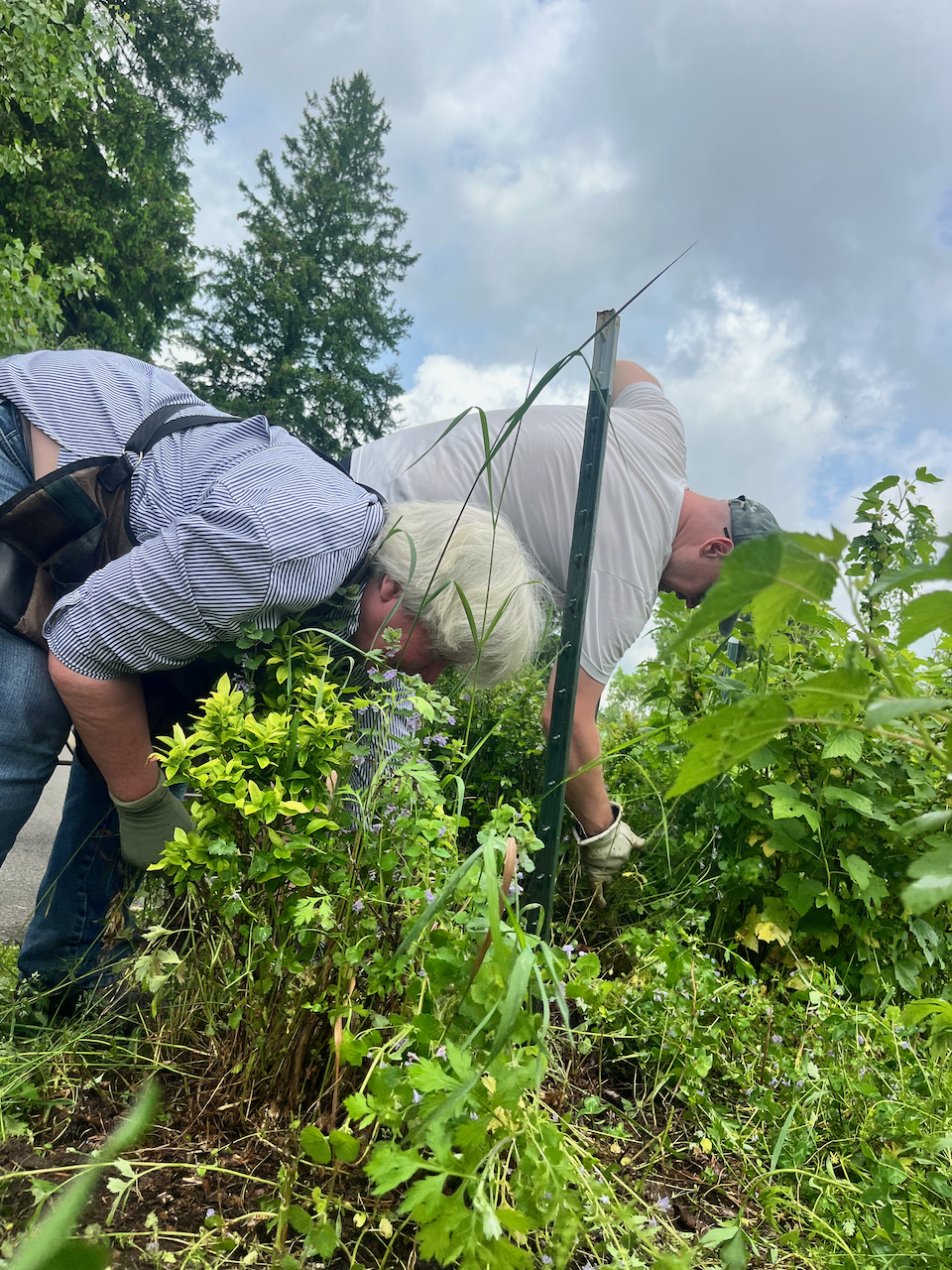
Human Connection. Mental health. Community health: The easiest way to erode a society is to turn neighbors against one another. One of the quickest ways to foster rich, meaningful human connection is to work side by side, walk together, and connect eye to eye, in real life. Virtual, technological realms create the illusion of connection while driving communities apart, eroding families and driving people toward mental illness. Pause. The natural world has always prided a safe, enriching place for real human connection. Beautiful outdoor public orchids where people gather to pick fruit and pull weeds are one of the simplest, cheapest, and most effective remedies to restore mental and emotional health and restore a sense of community, and meaningful human connection.
Public orchards give us free, healthy, nutrient dense, non-poisoned food while healing the climate, helping pollinators, helping wildlife, helping the climate and safeguarding our communities against instability in a manner that reestablishes human connection and human wellbeing, for more united communities that center around their common good instead of competing between illusionary political ideologies, and ultimately rekindle a deep relationship to the natural world that we depend on for life.
Human health and planetary health are inseparable. We must treat them together. Public Orchards are step toward a world that prioritizes human wellbeing and planetary health as one.
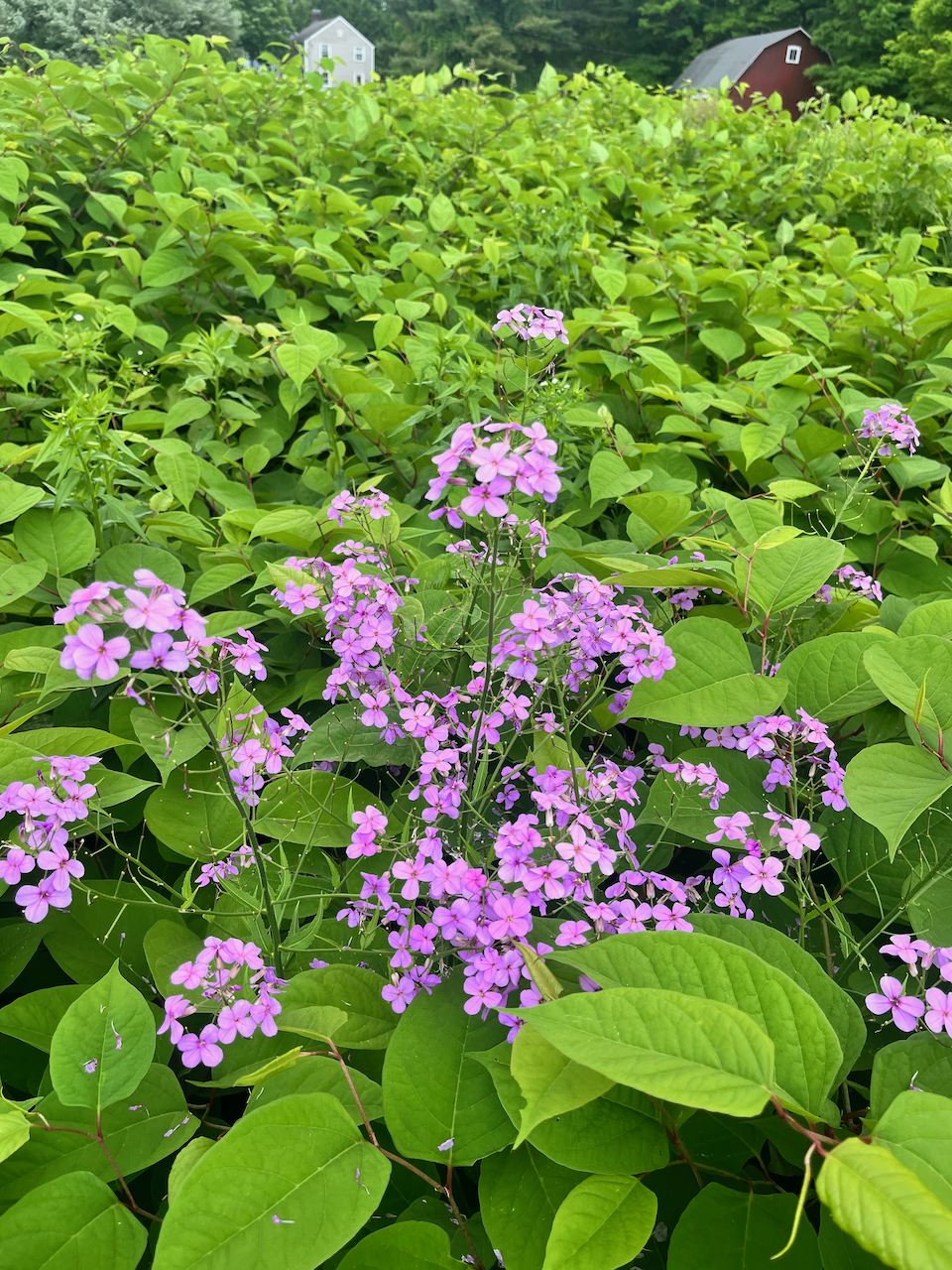
Meet the plants!!!
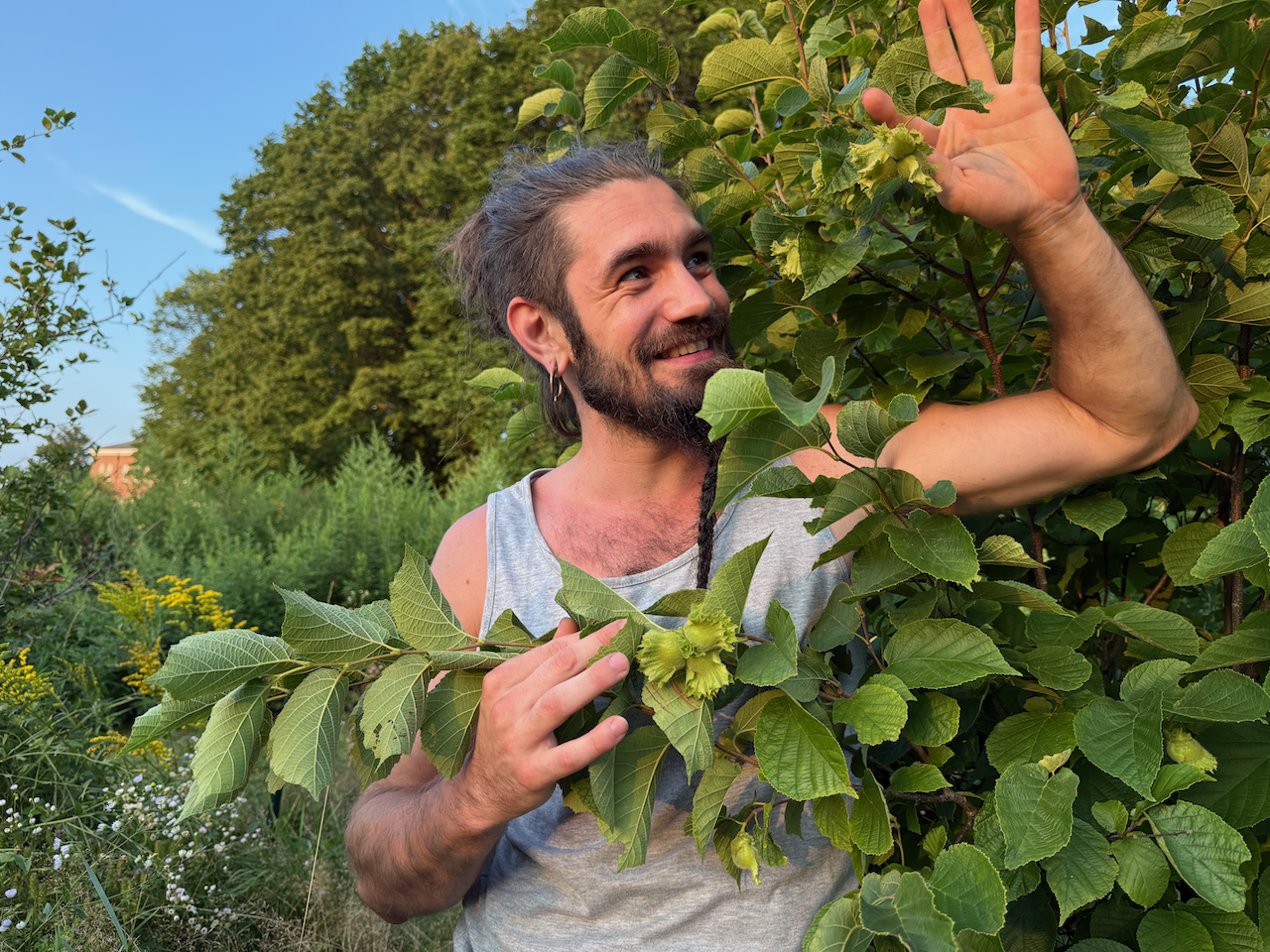
Meet the Plants!! (Scroll right.)
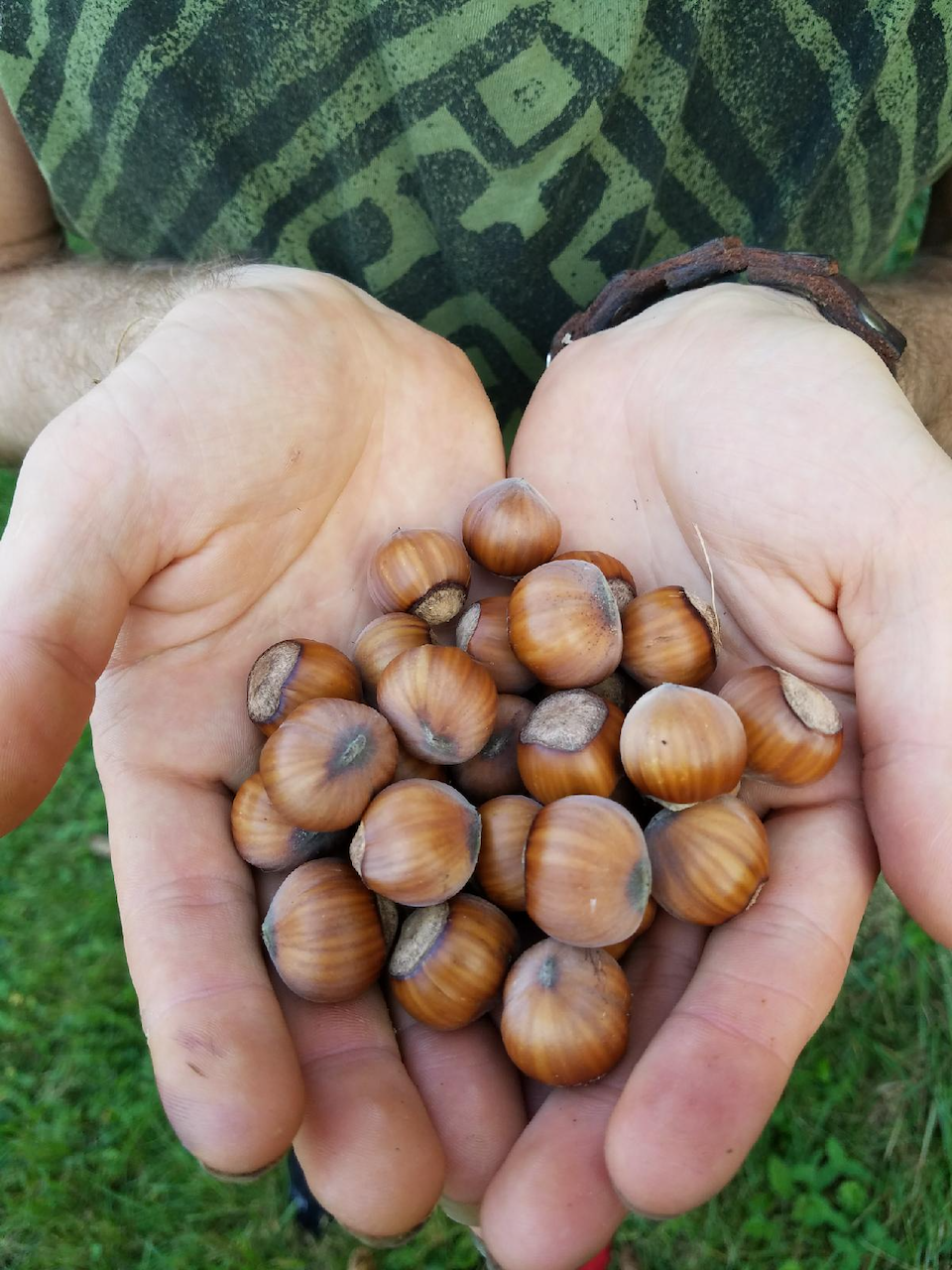
American Hazelnut
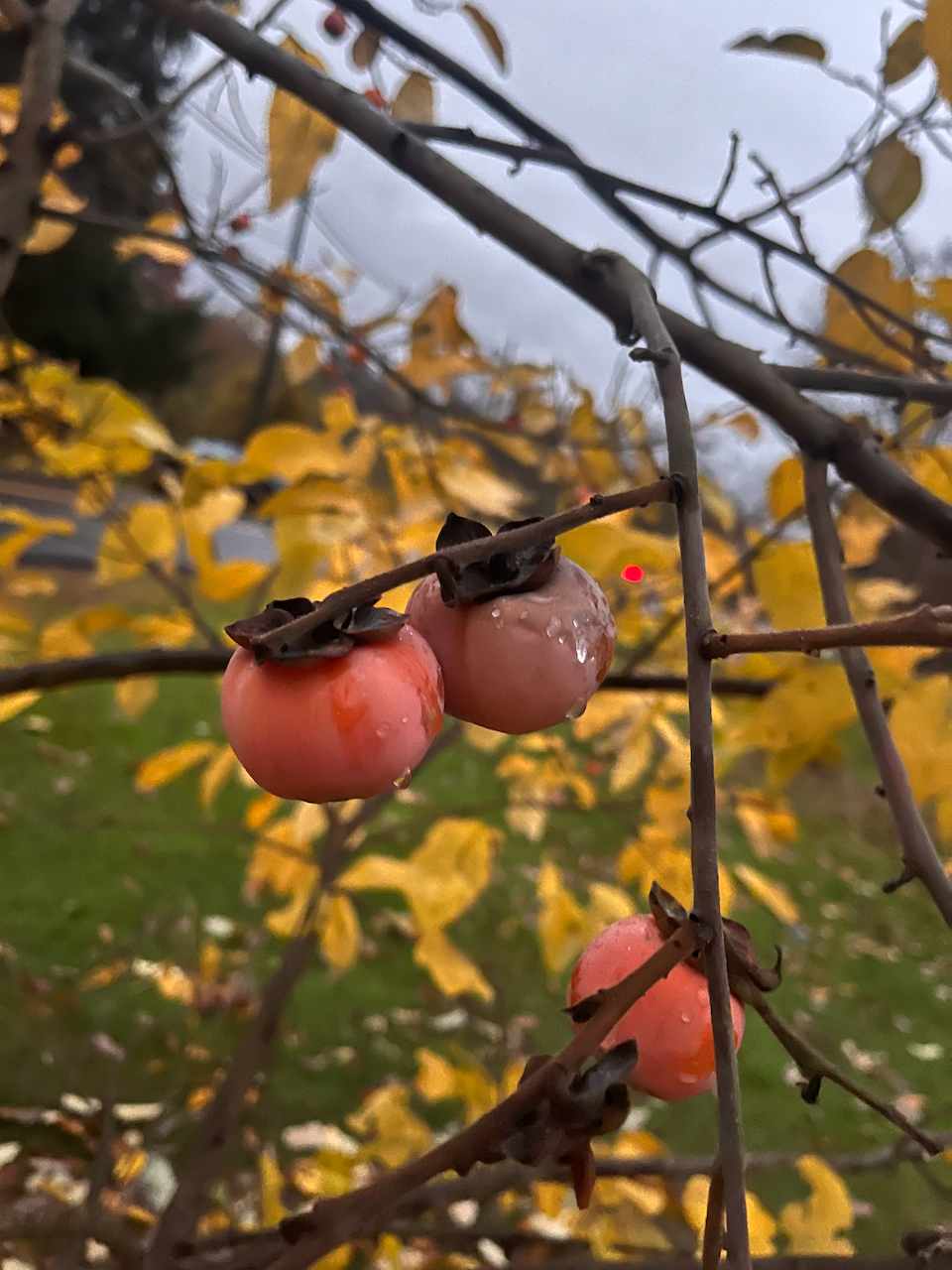
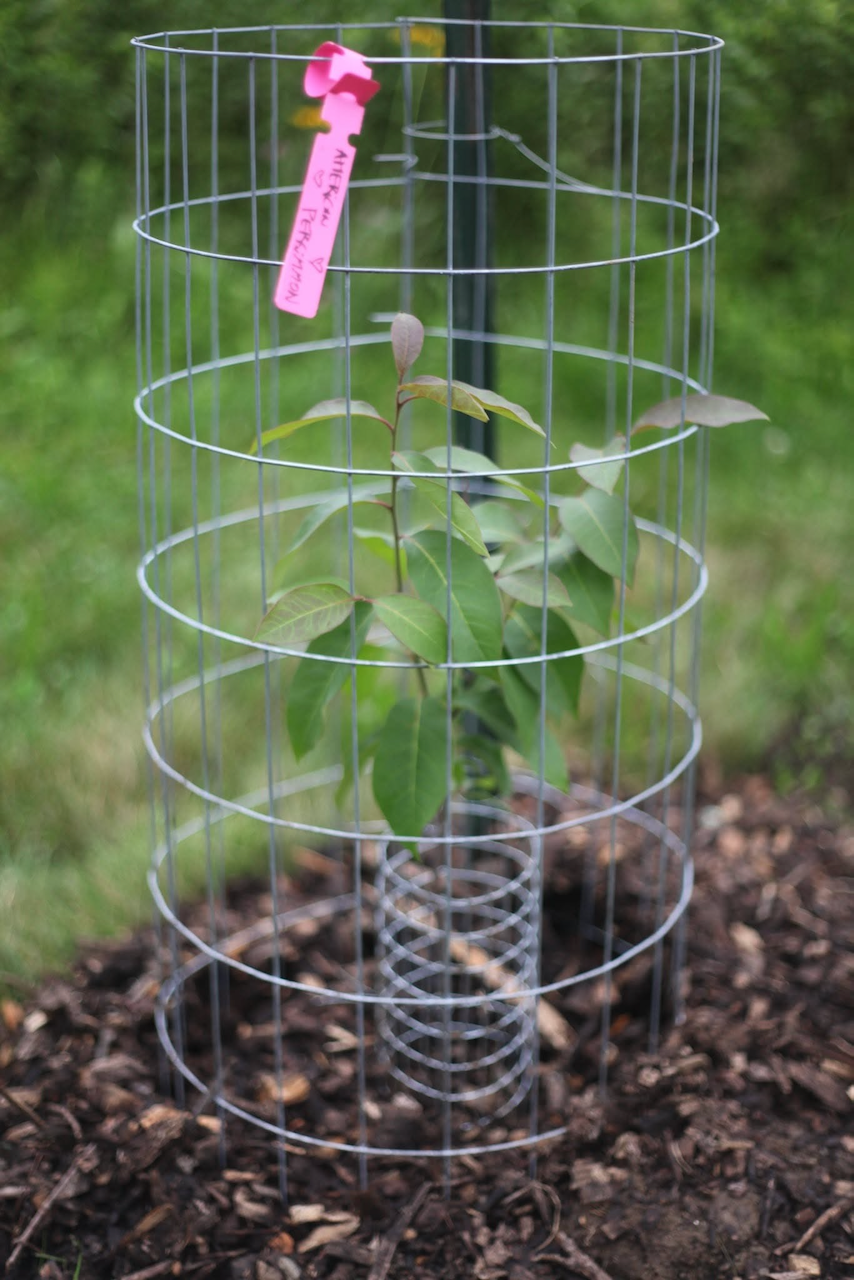
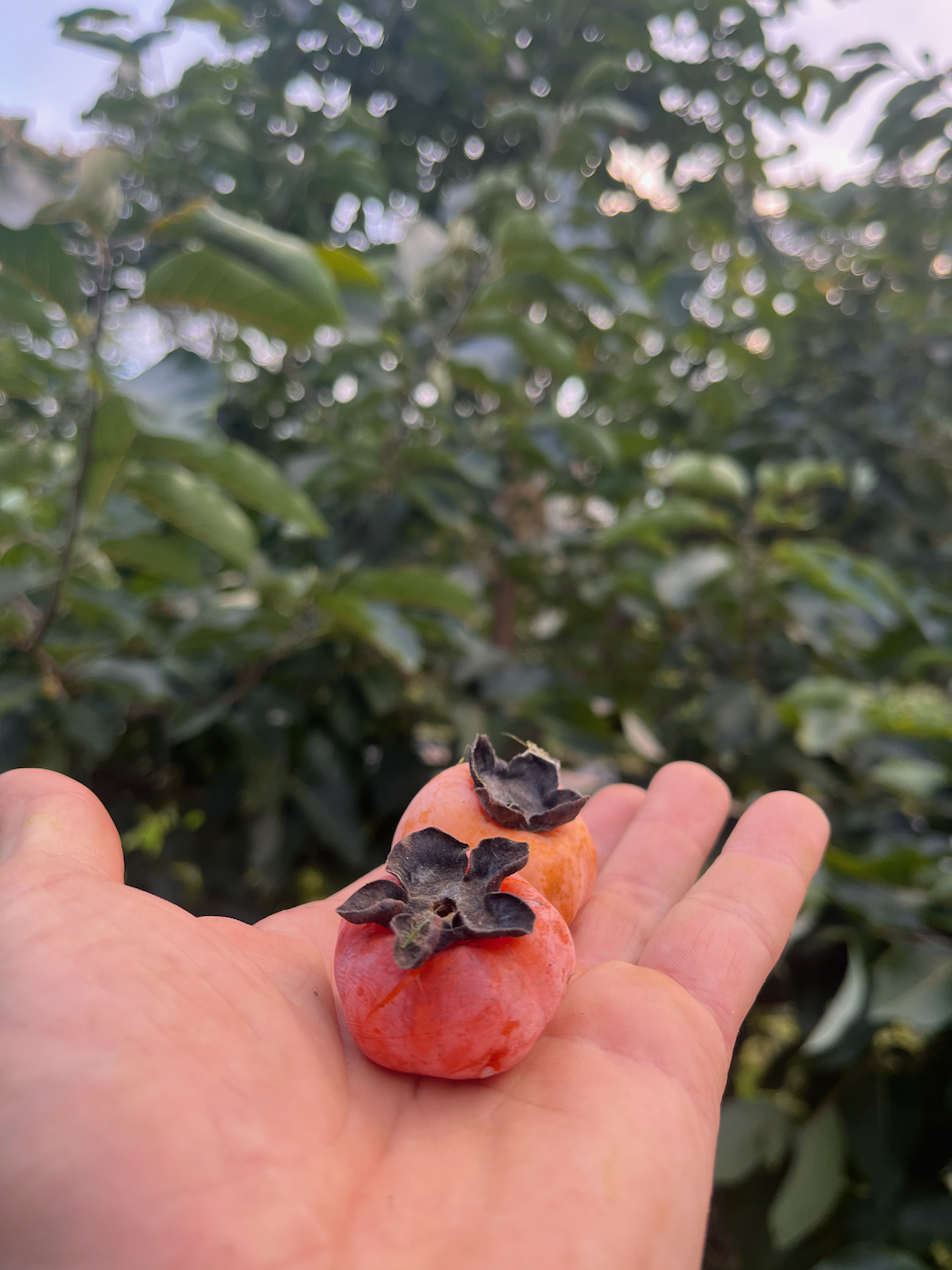
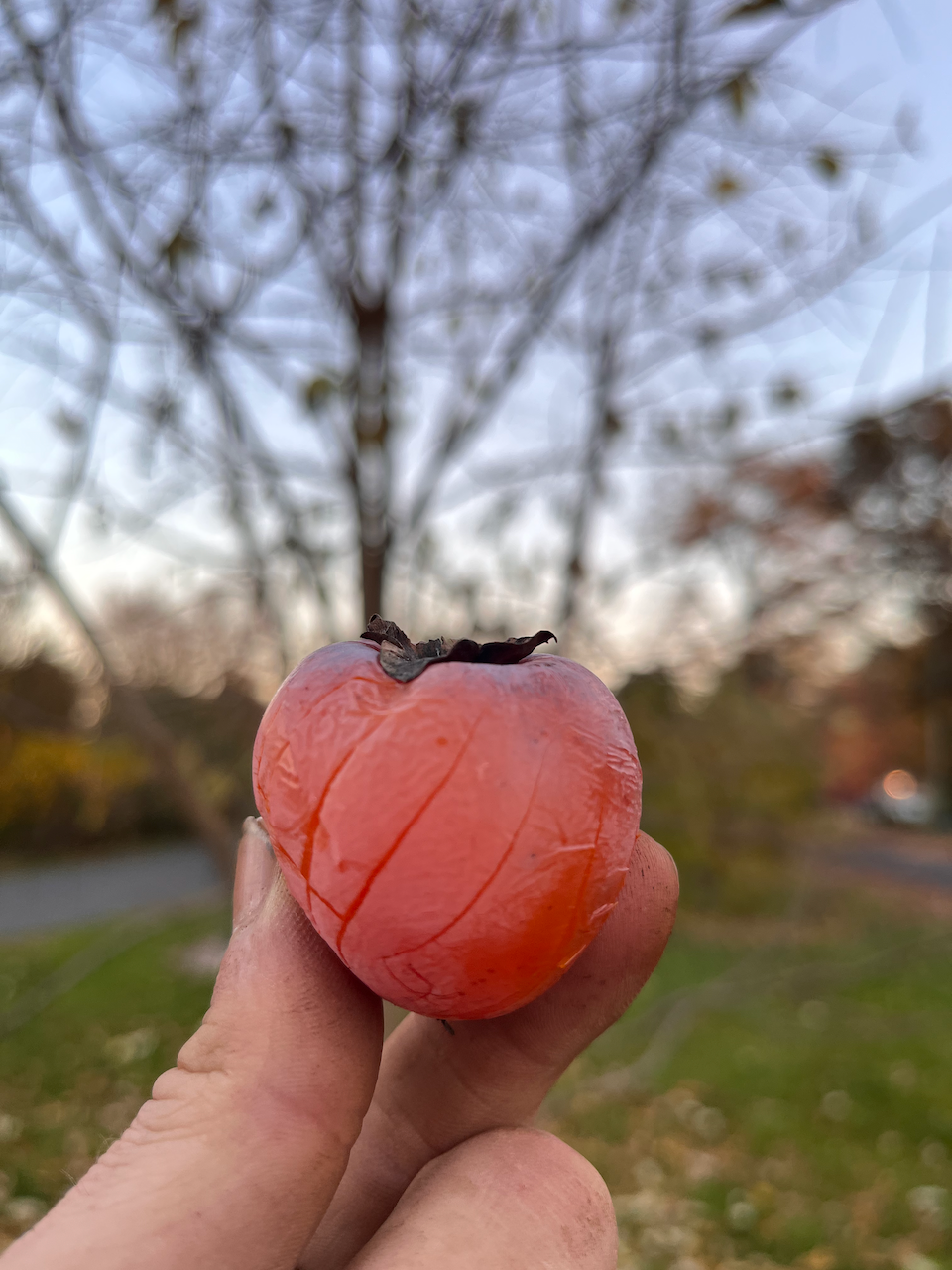
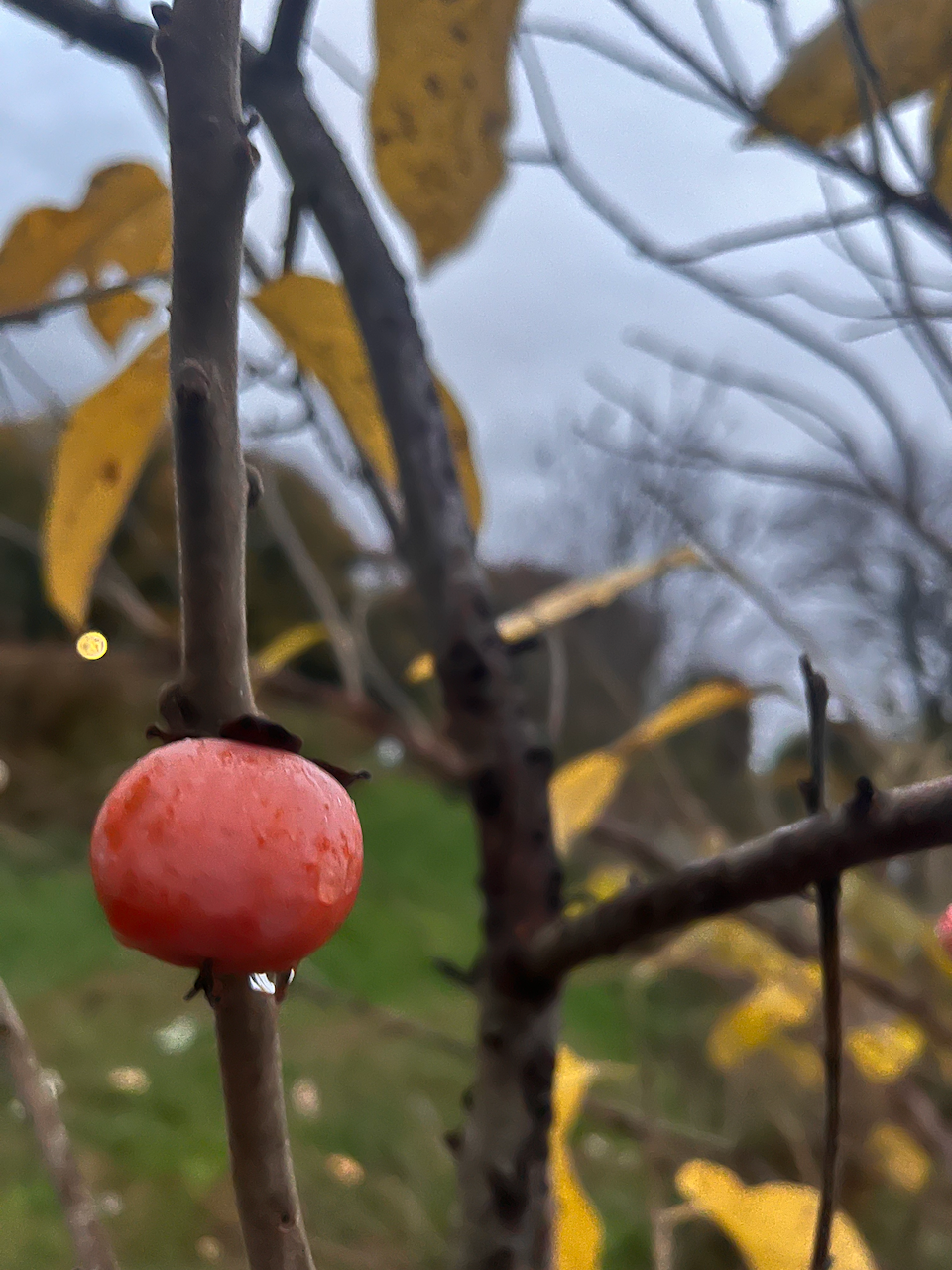
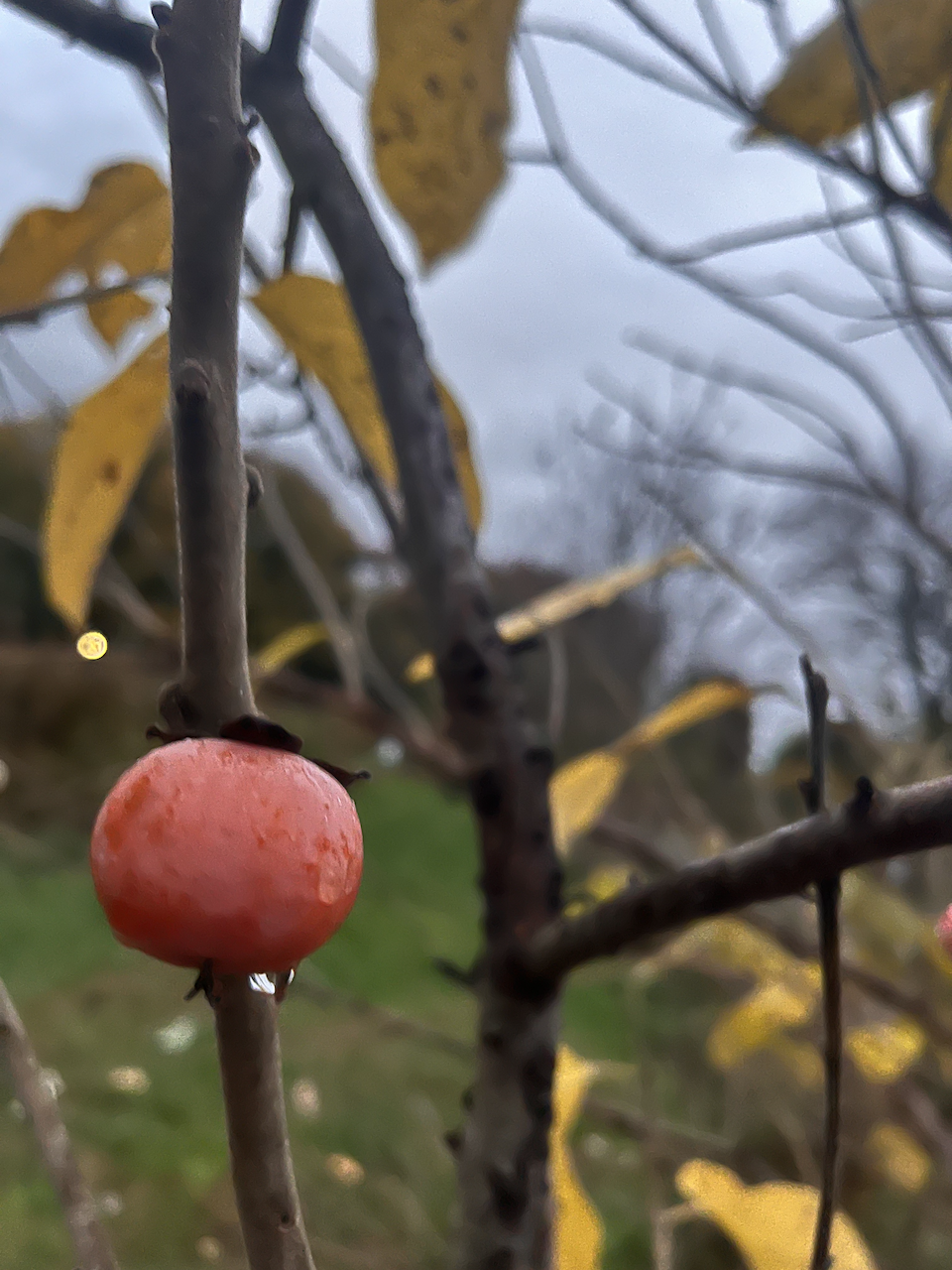
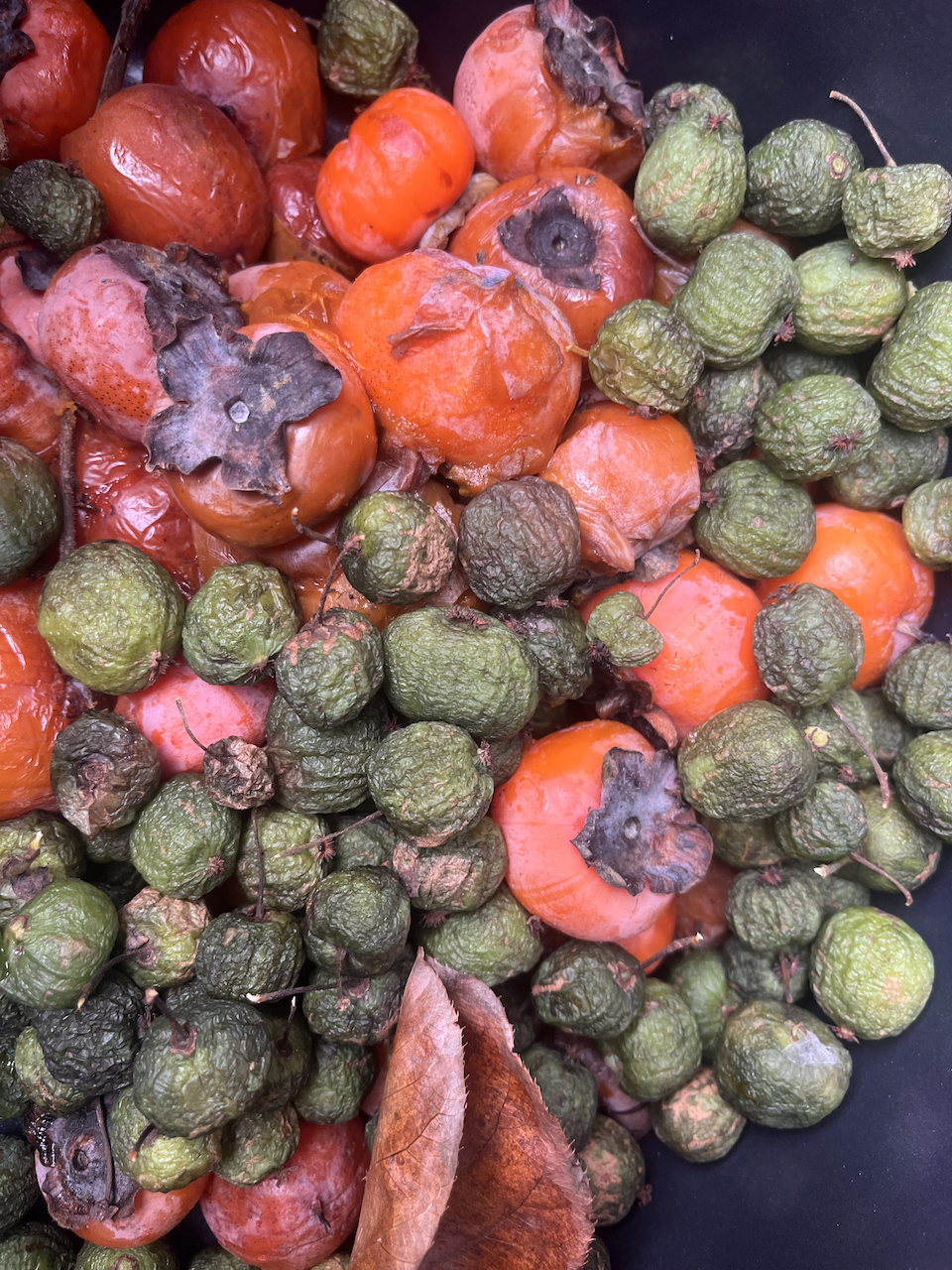
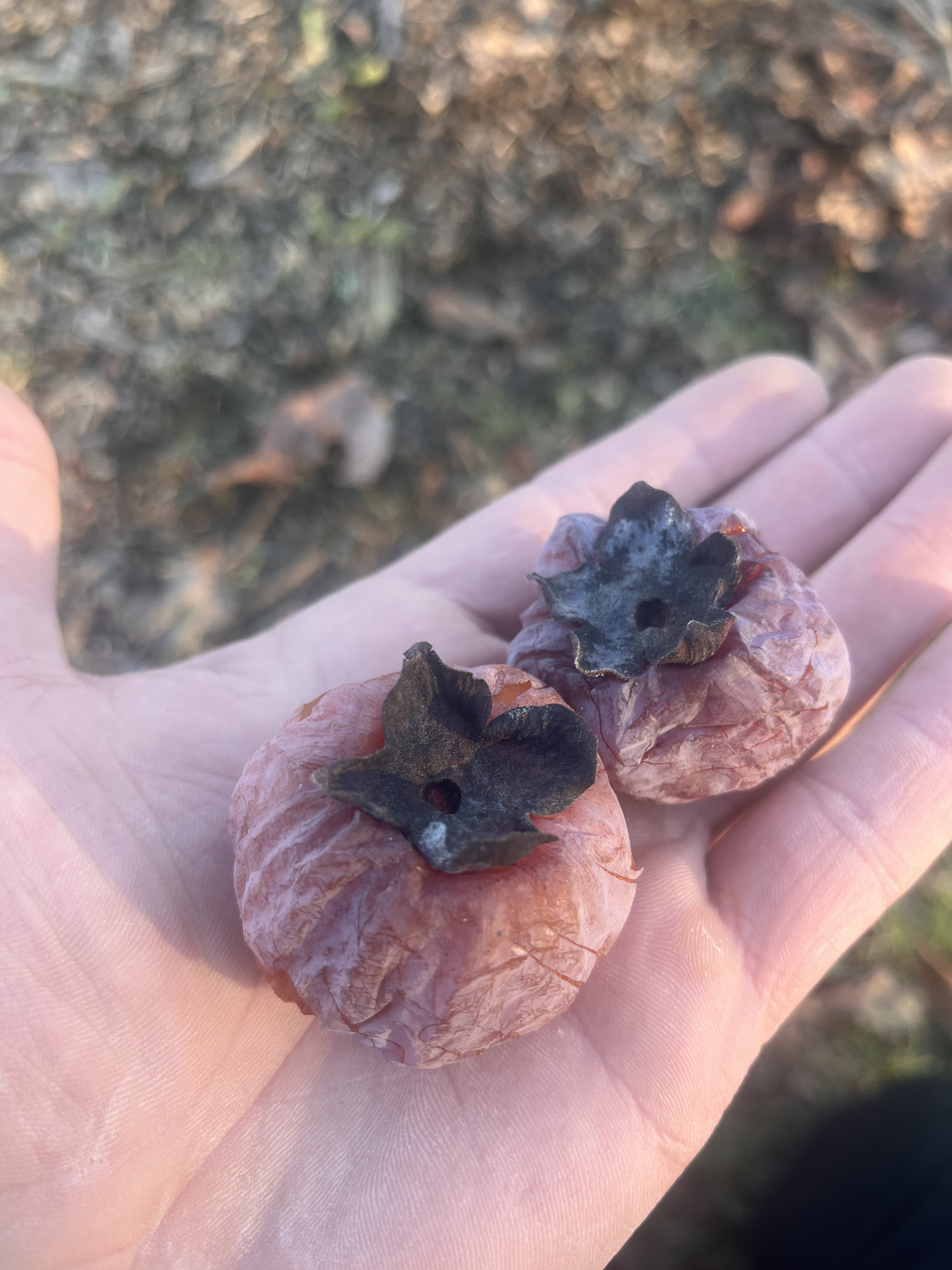
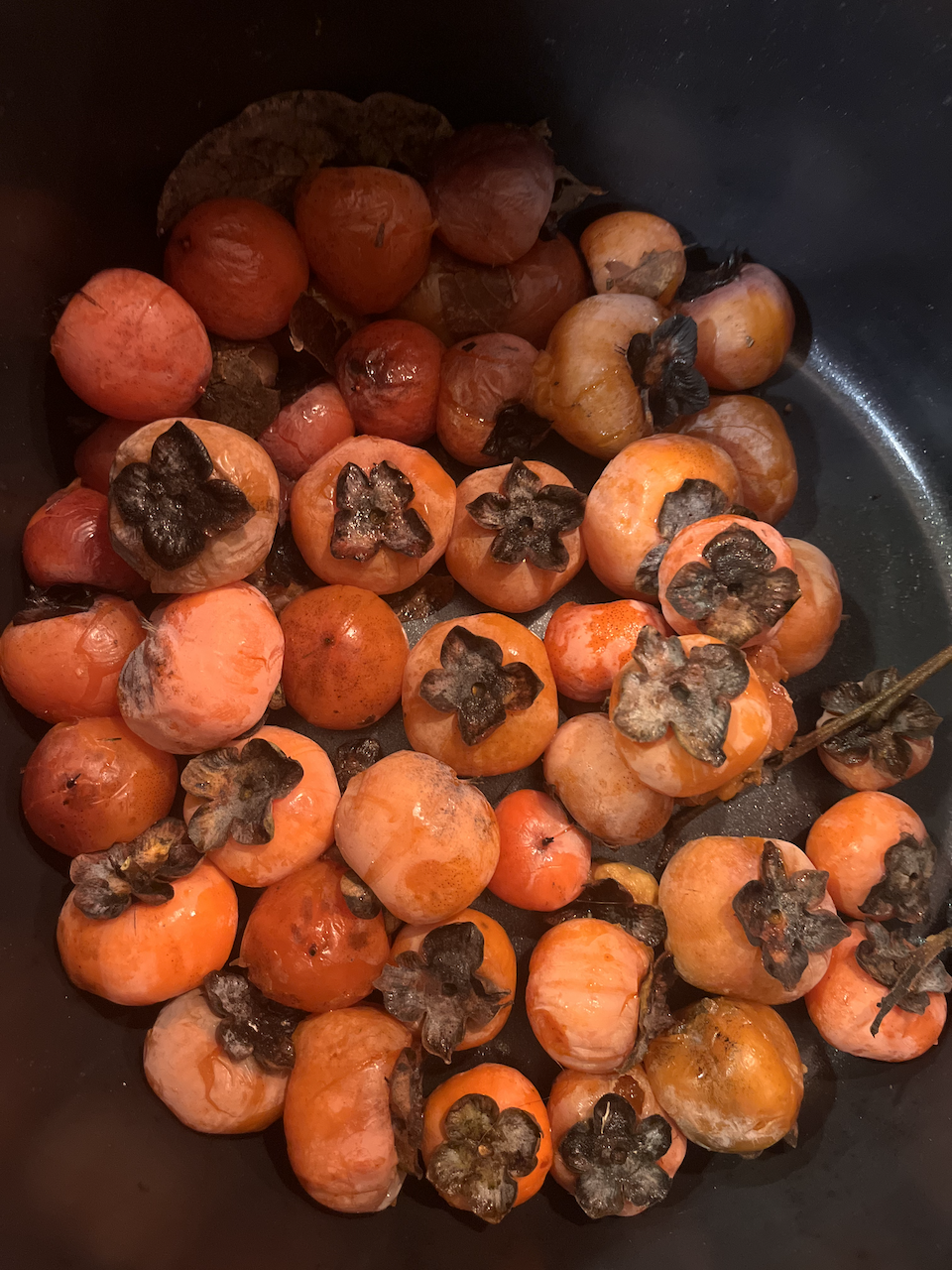
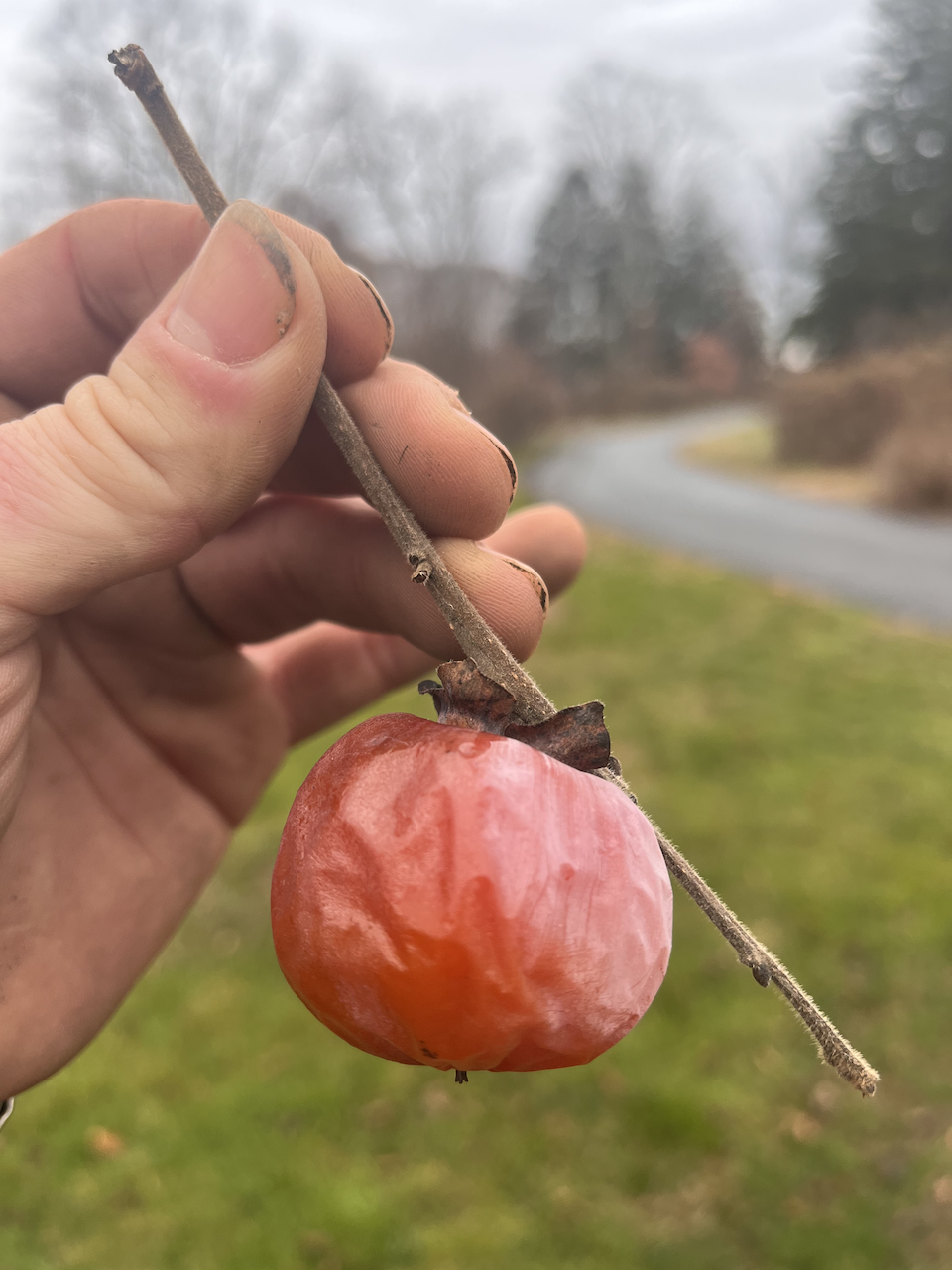
American Persimmon
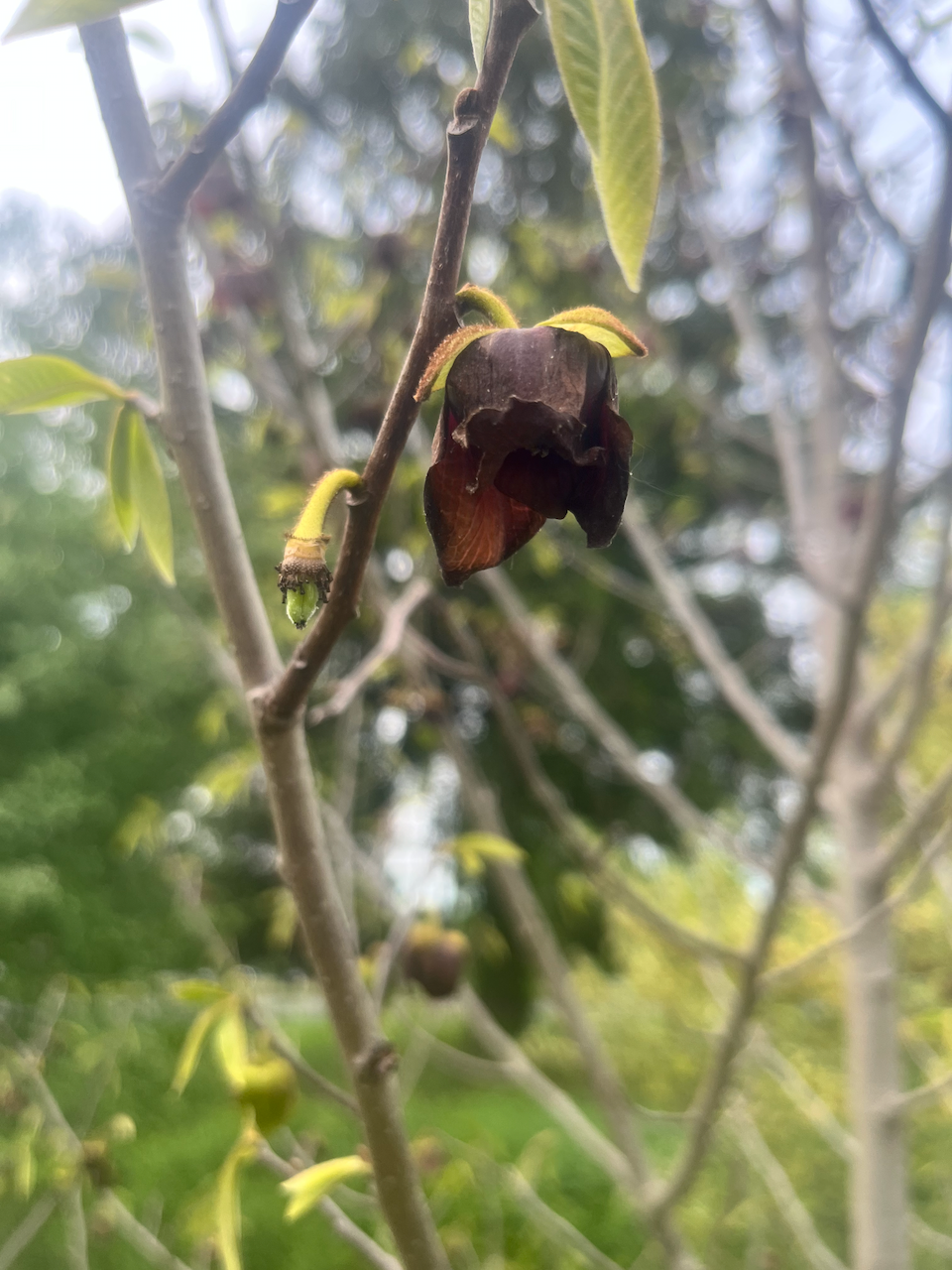
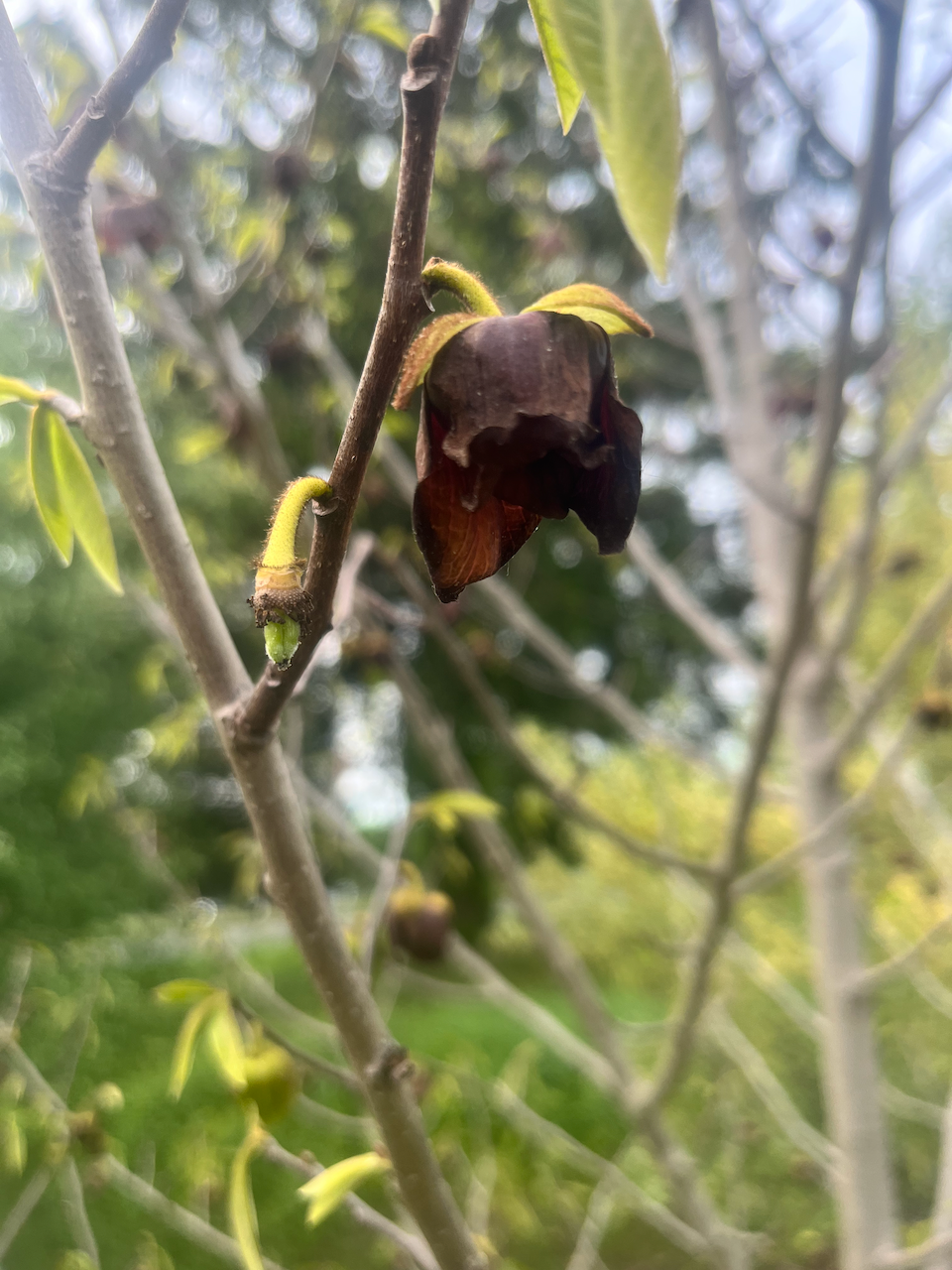
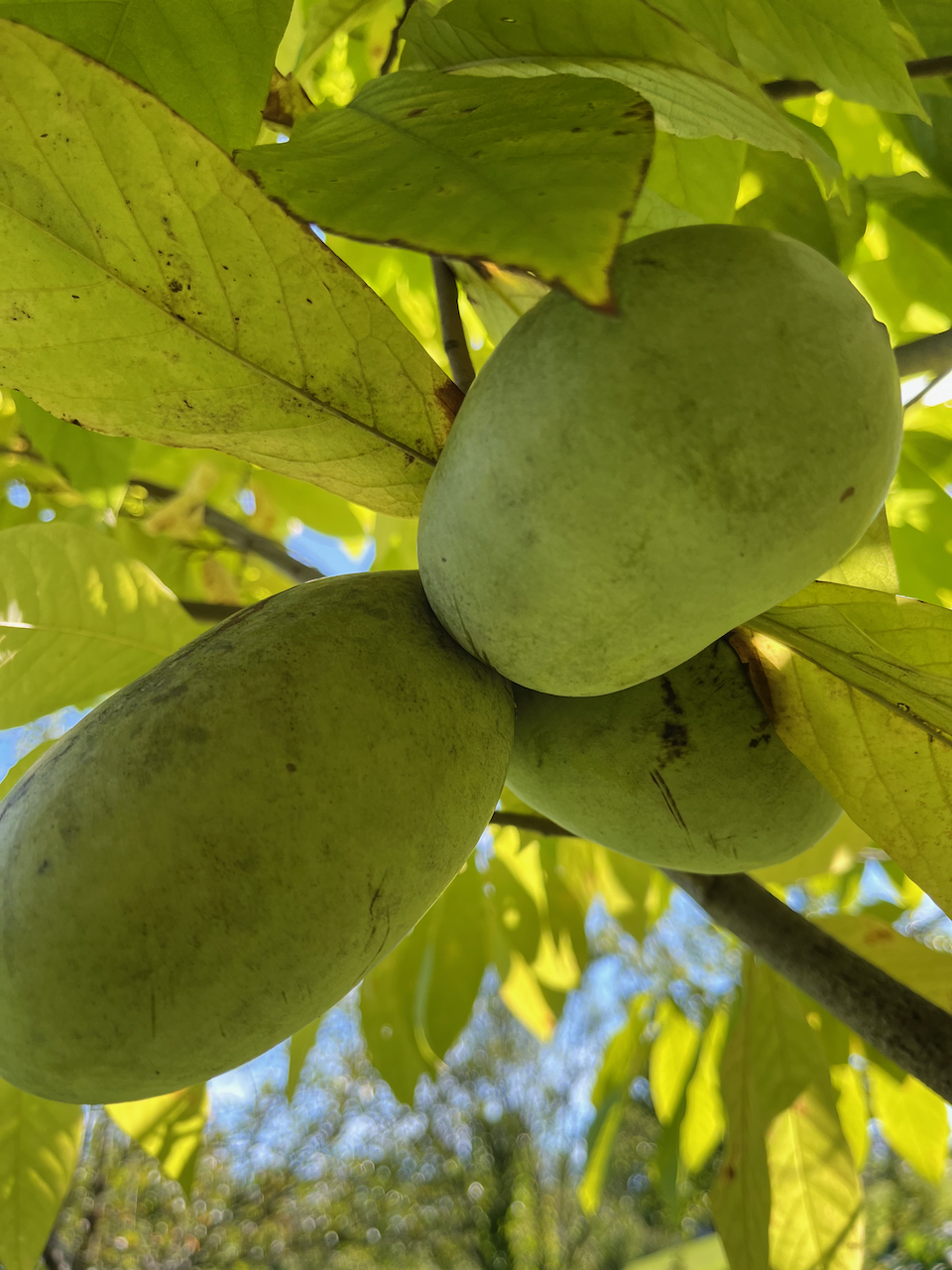
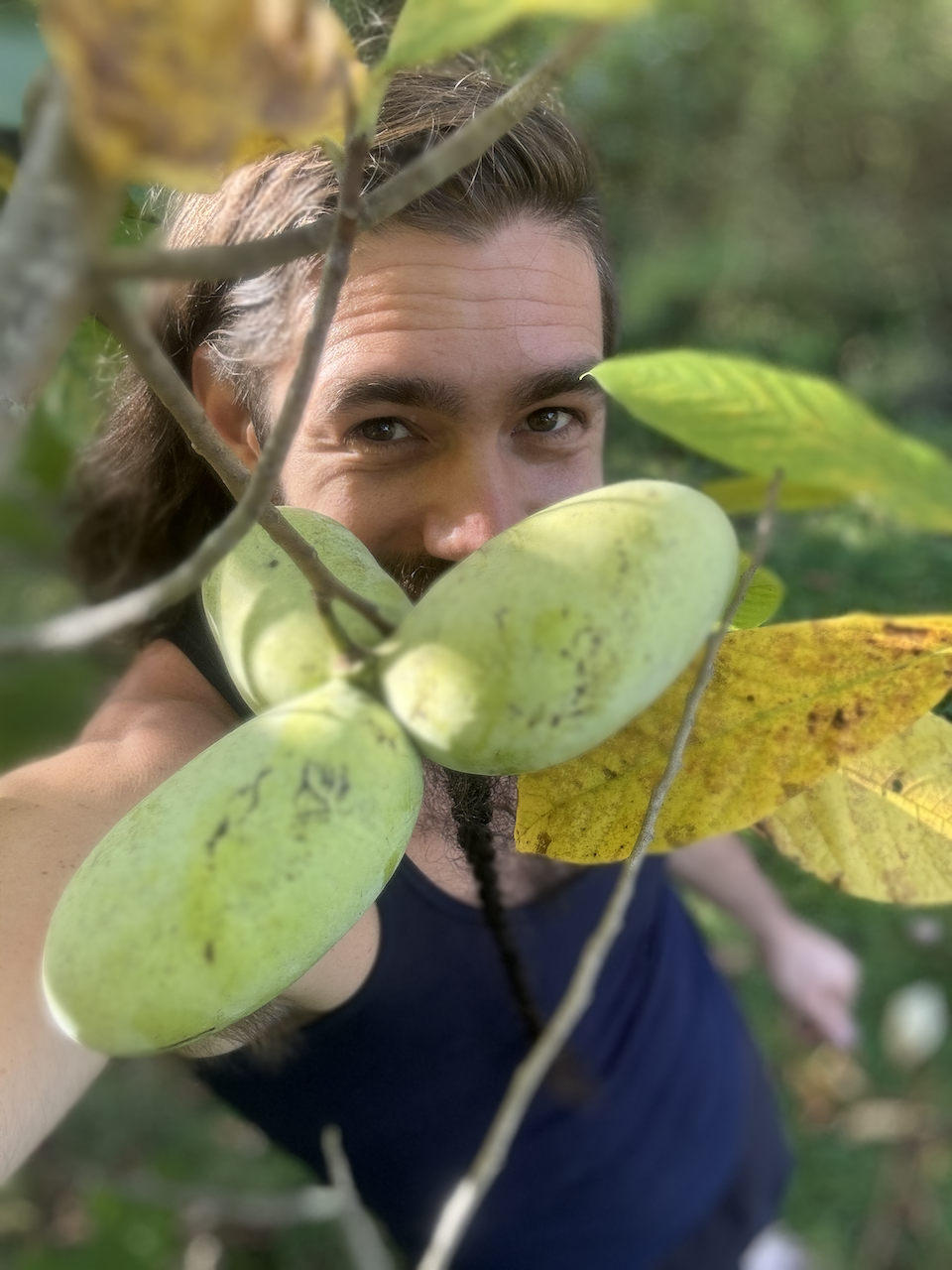
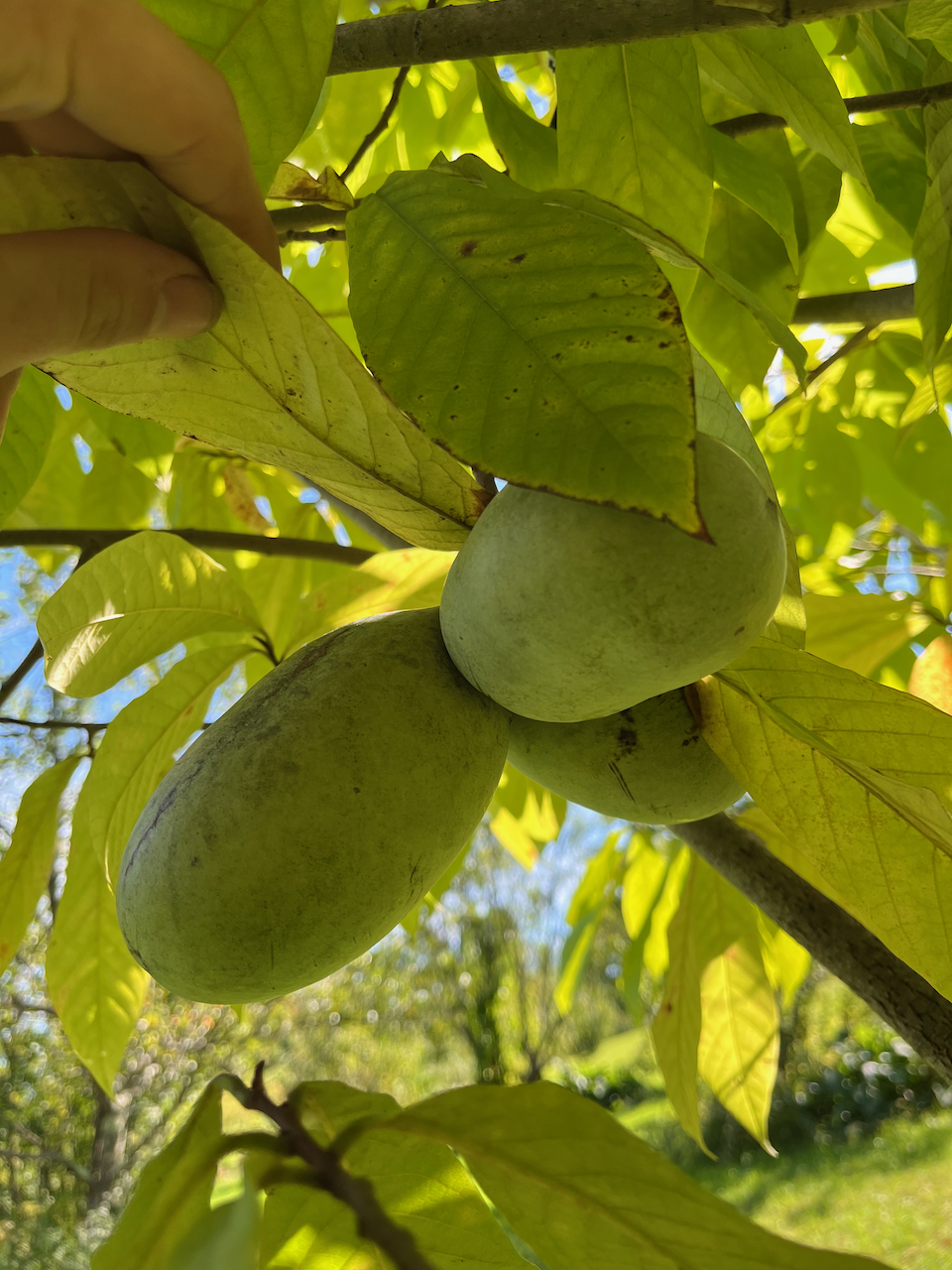
Pawpaw
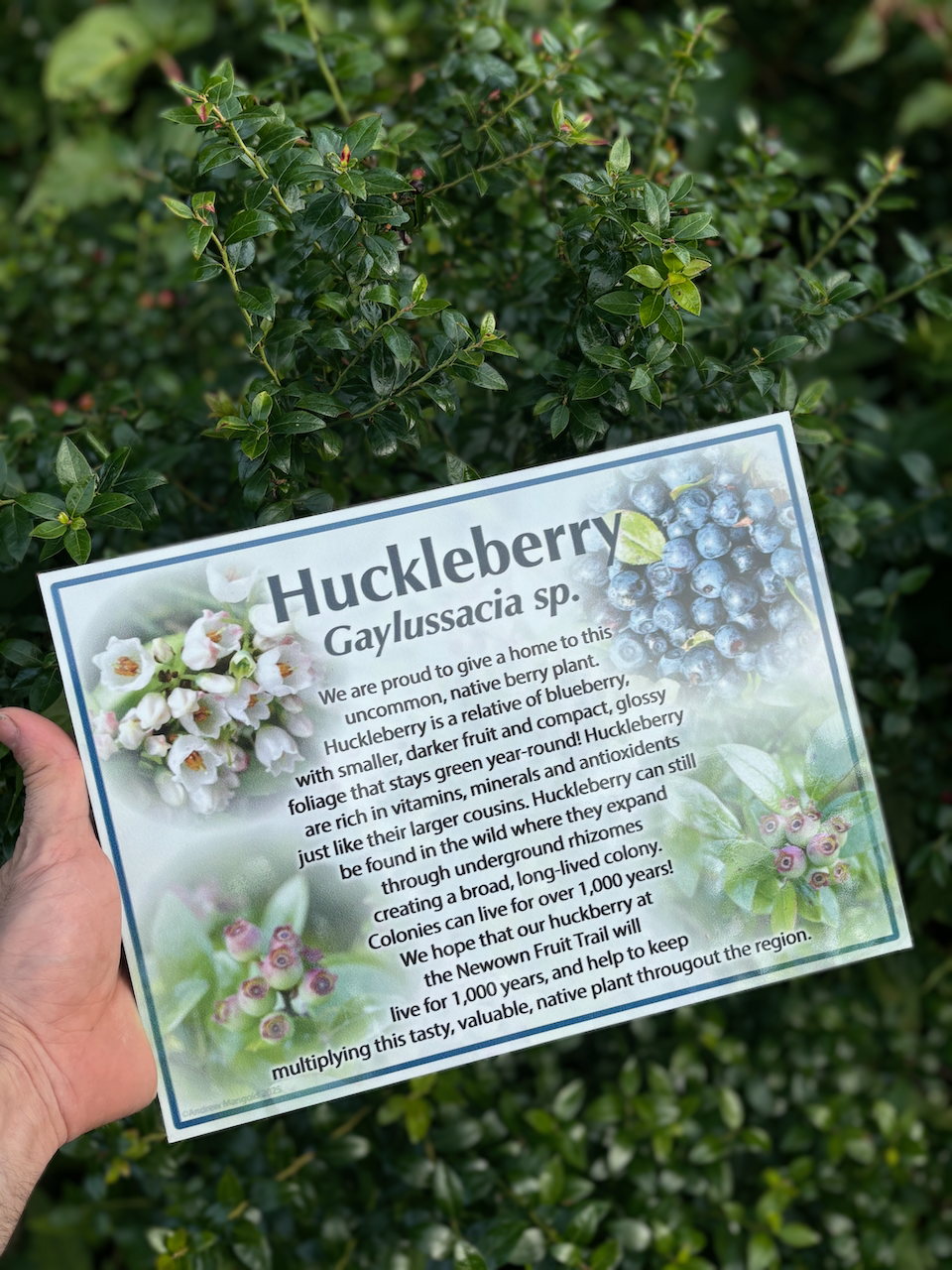
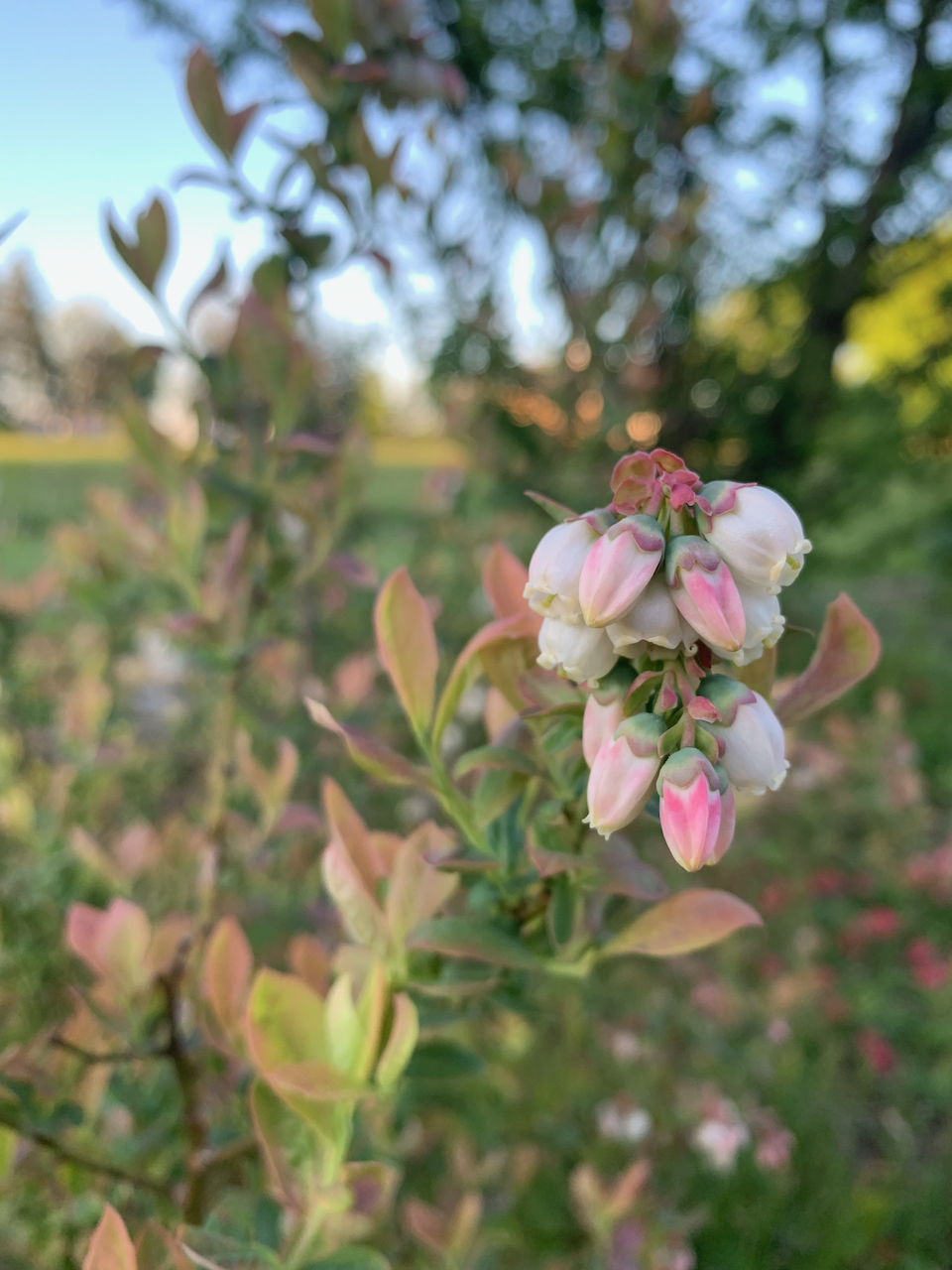
Huckleberry
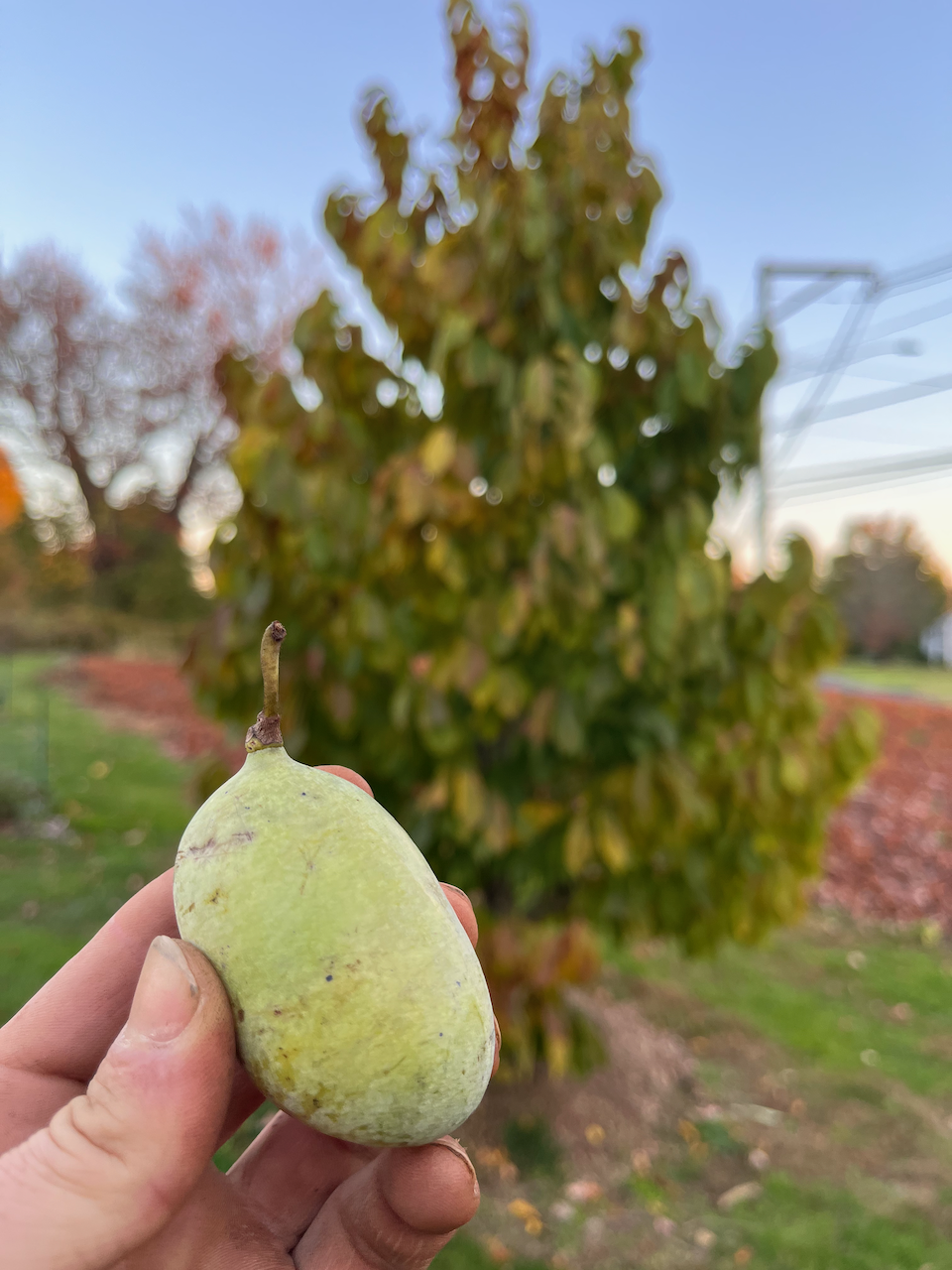
Pawpaw on the tree
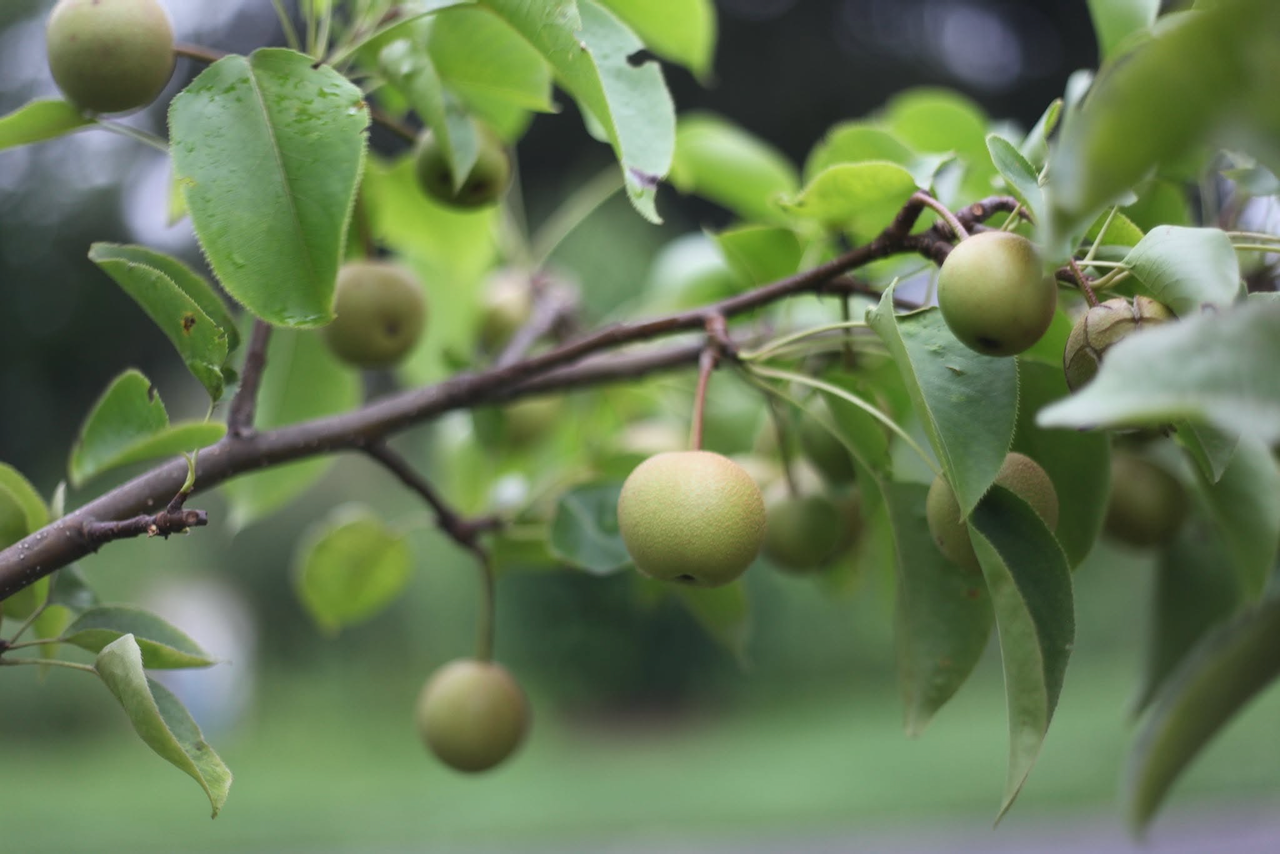
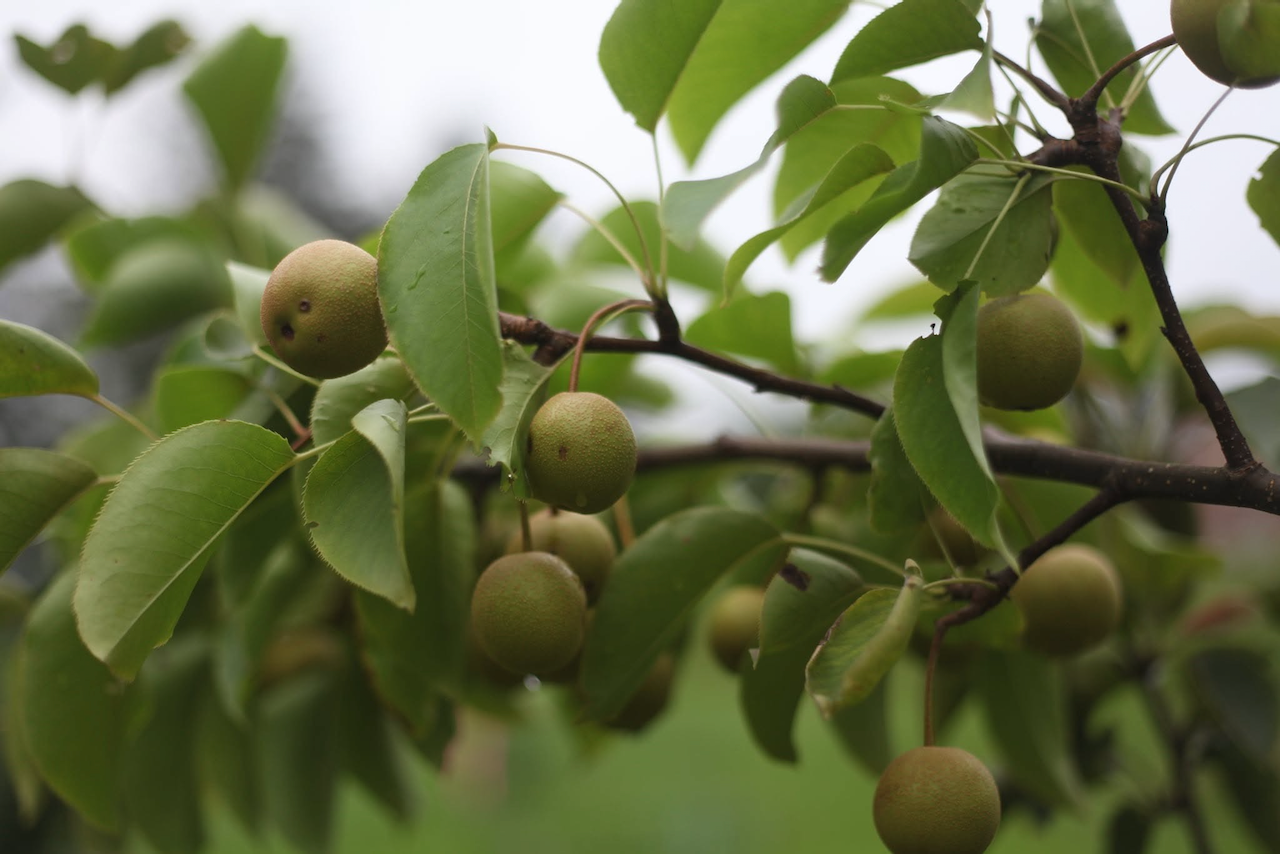
Asian Pear
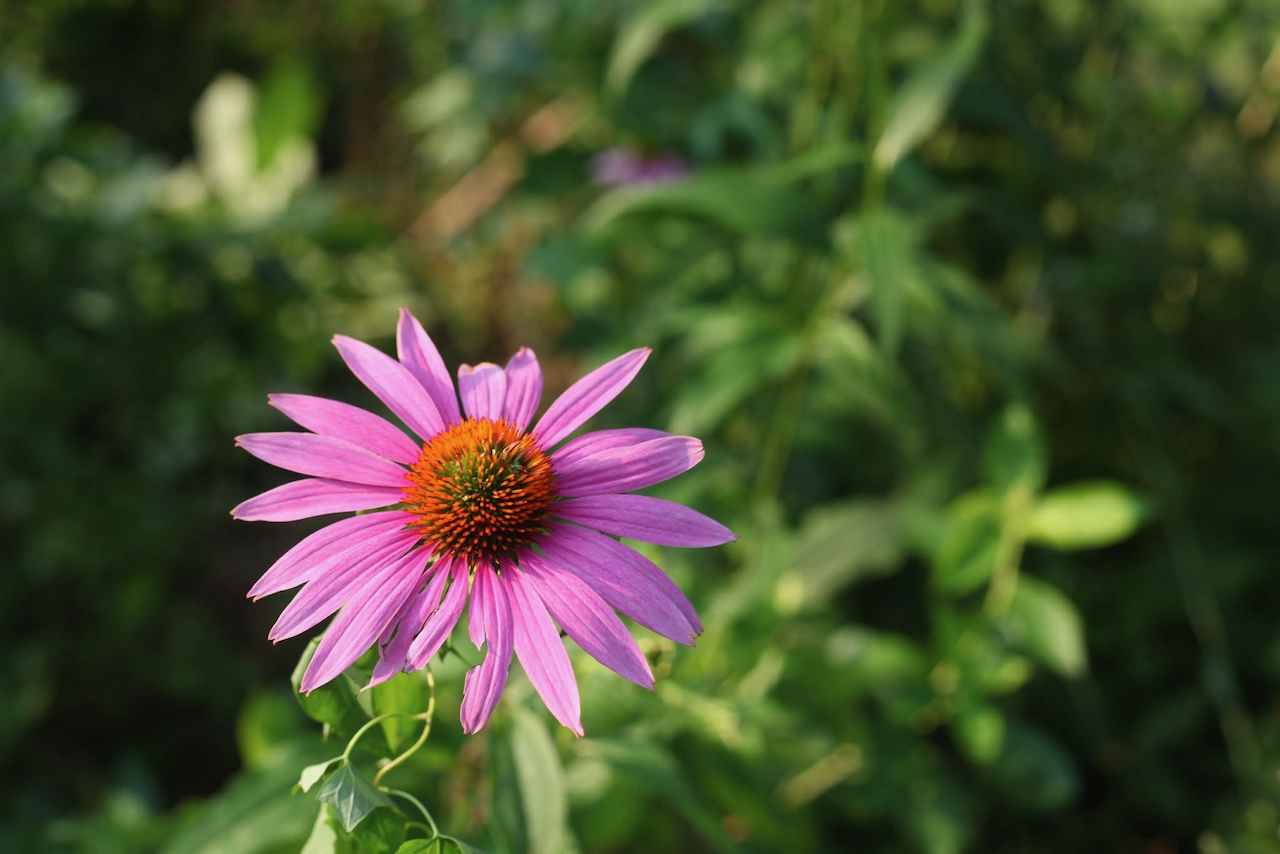
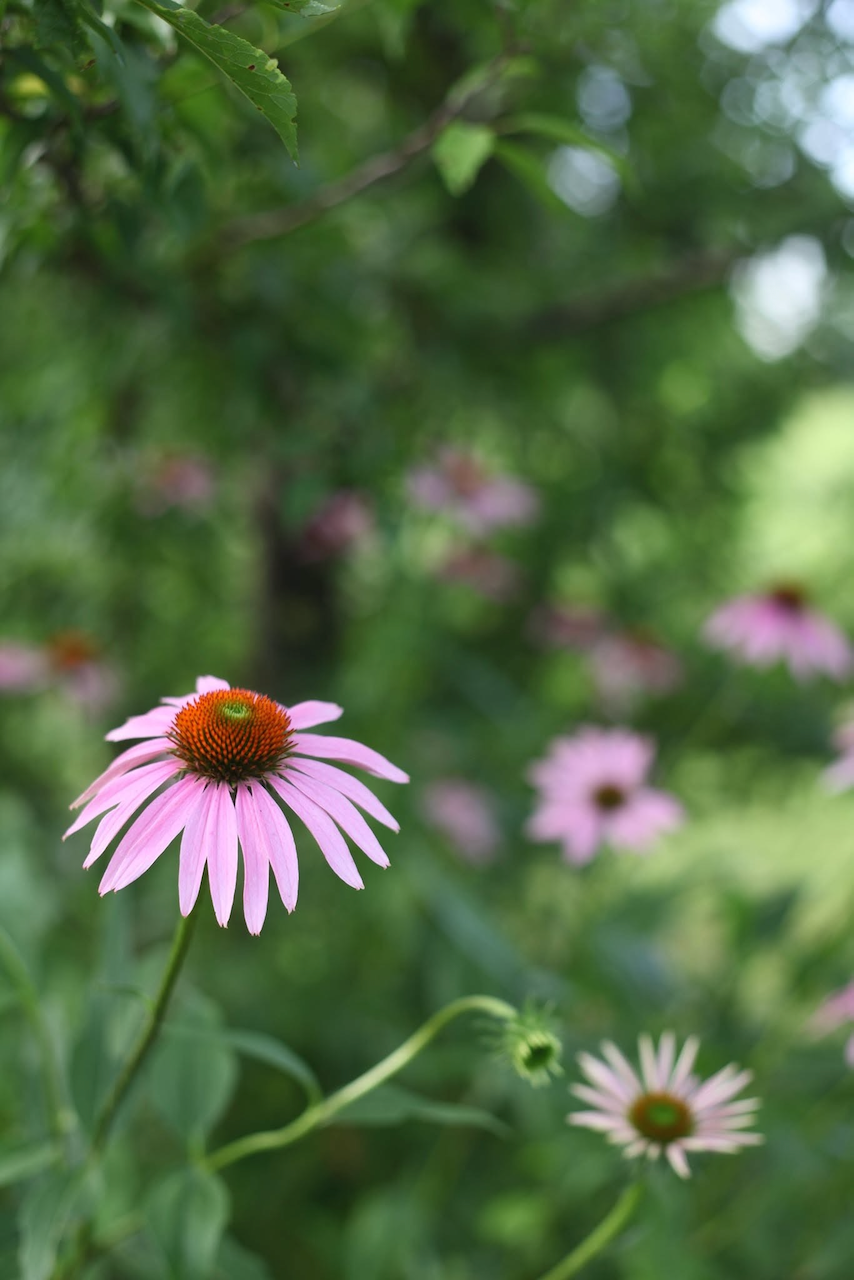
Purple Echinacea
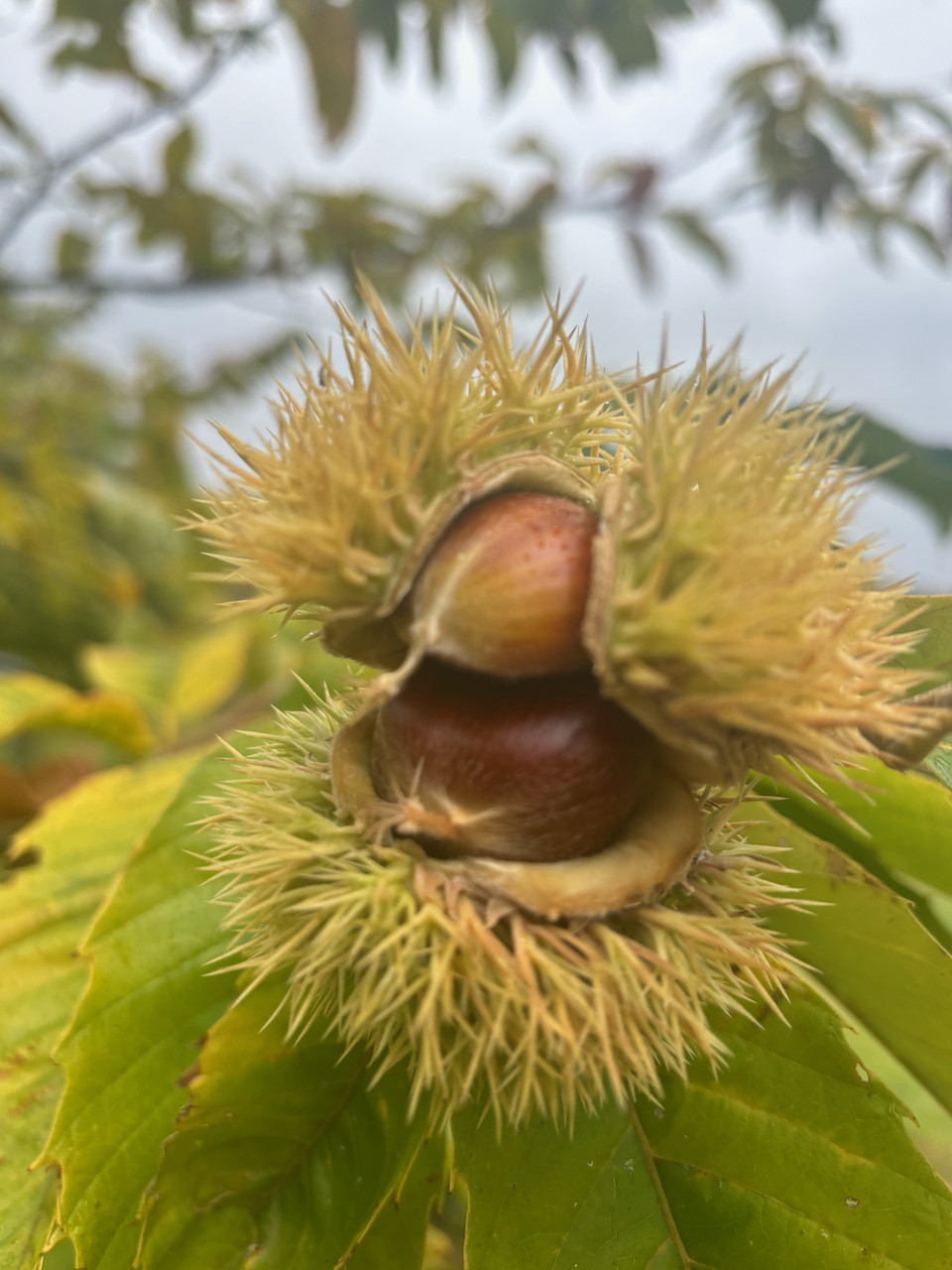
Chinese Chestnut
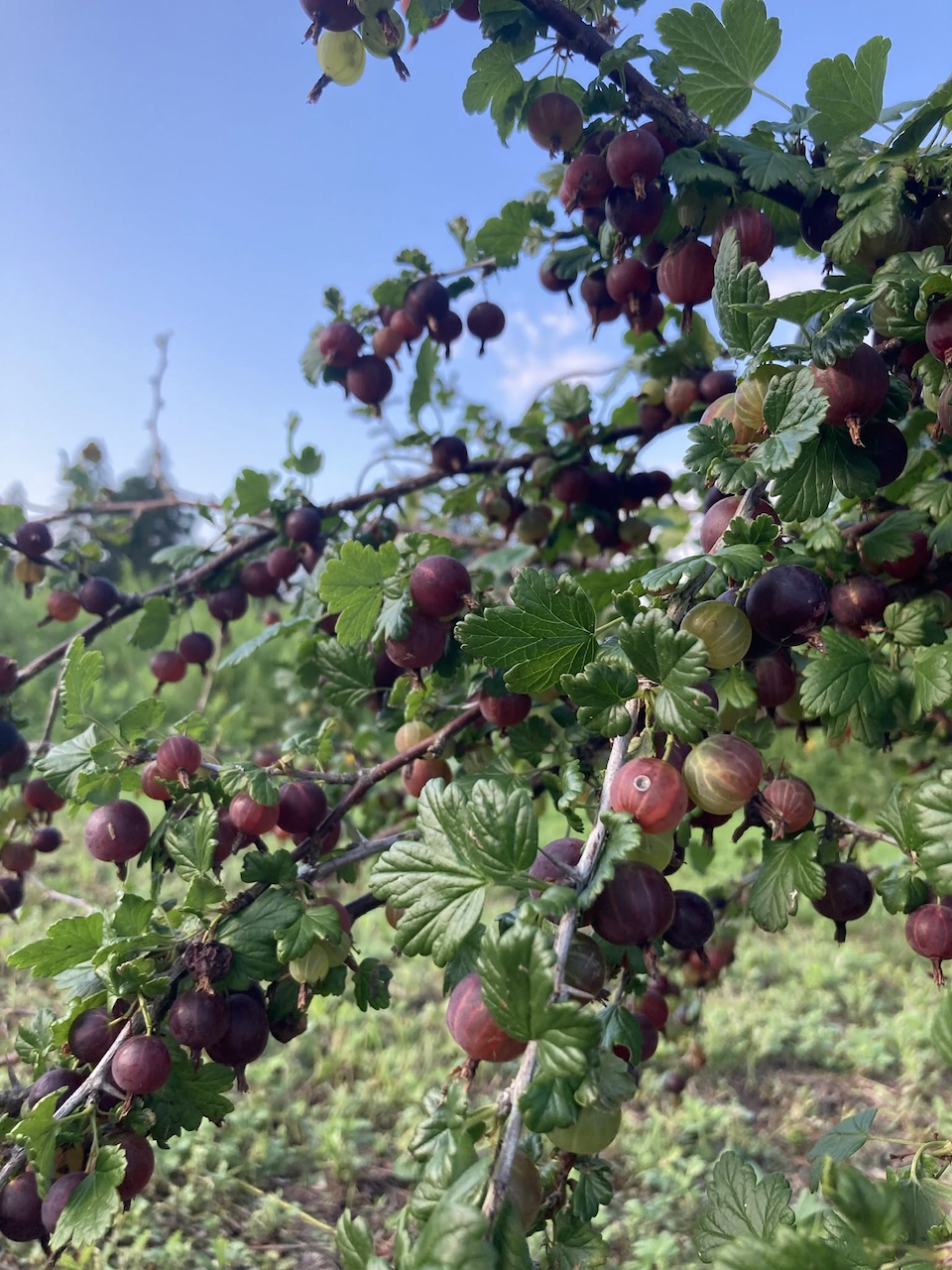
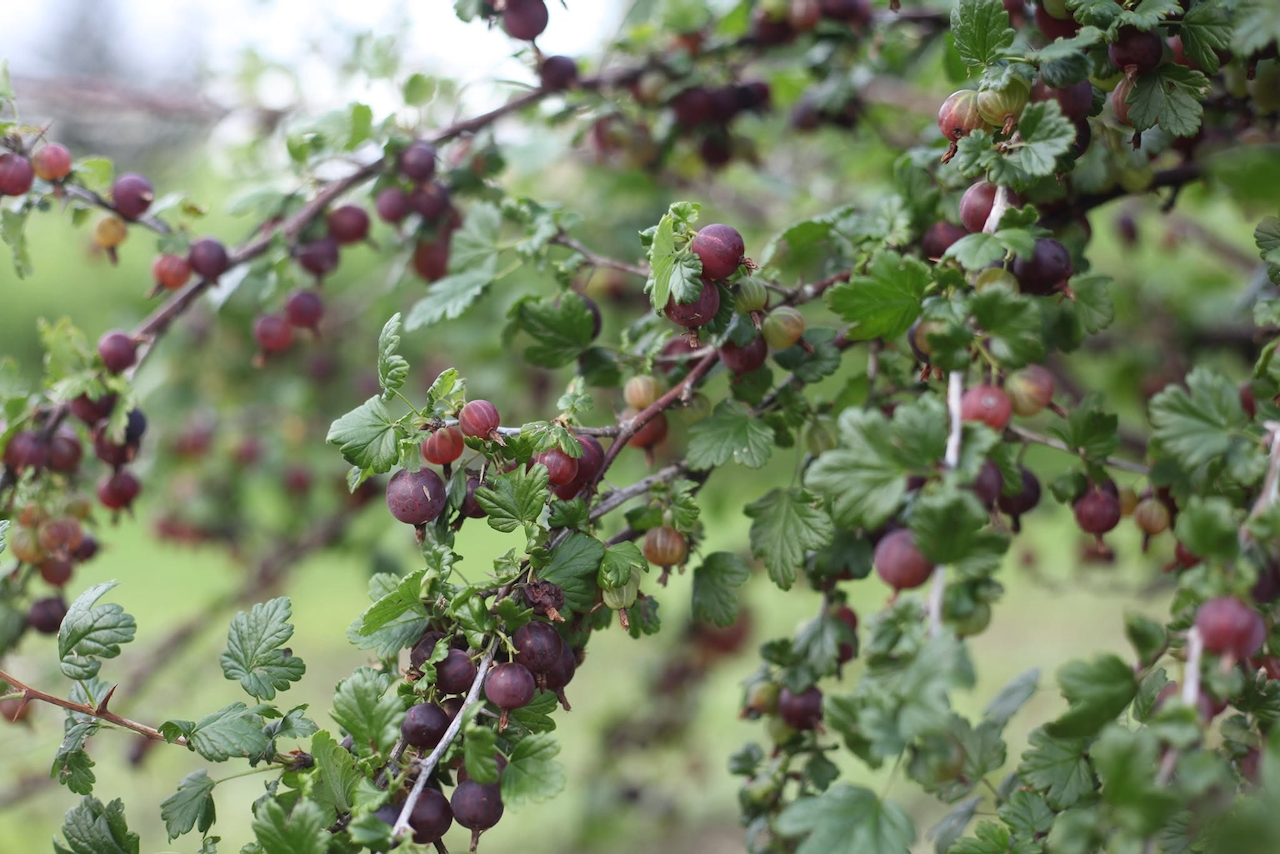
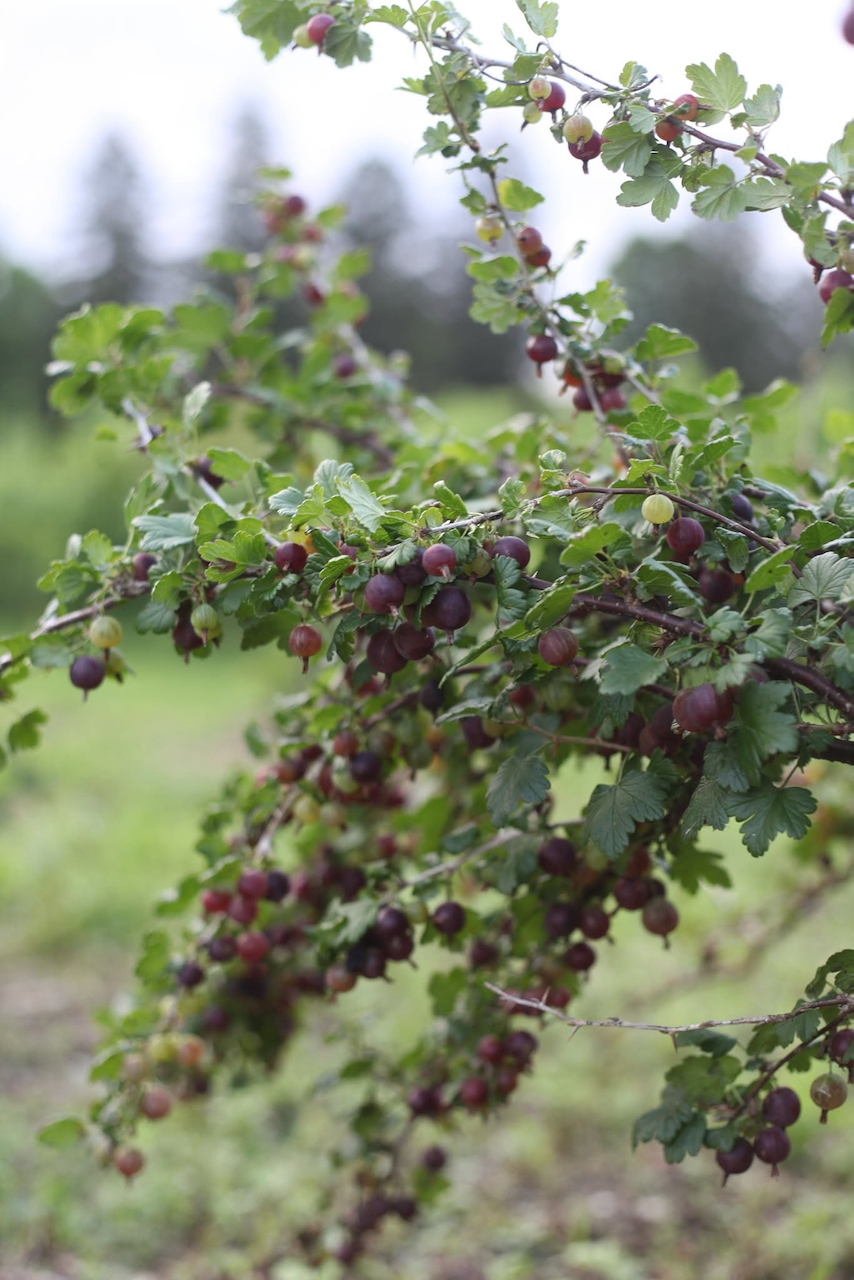
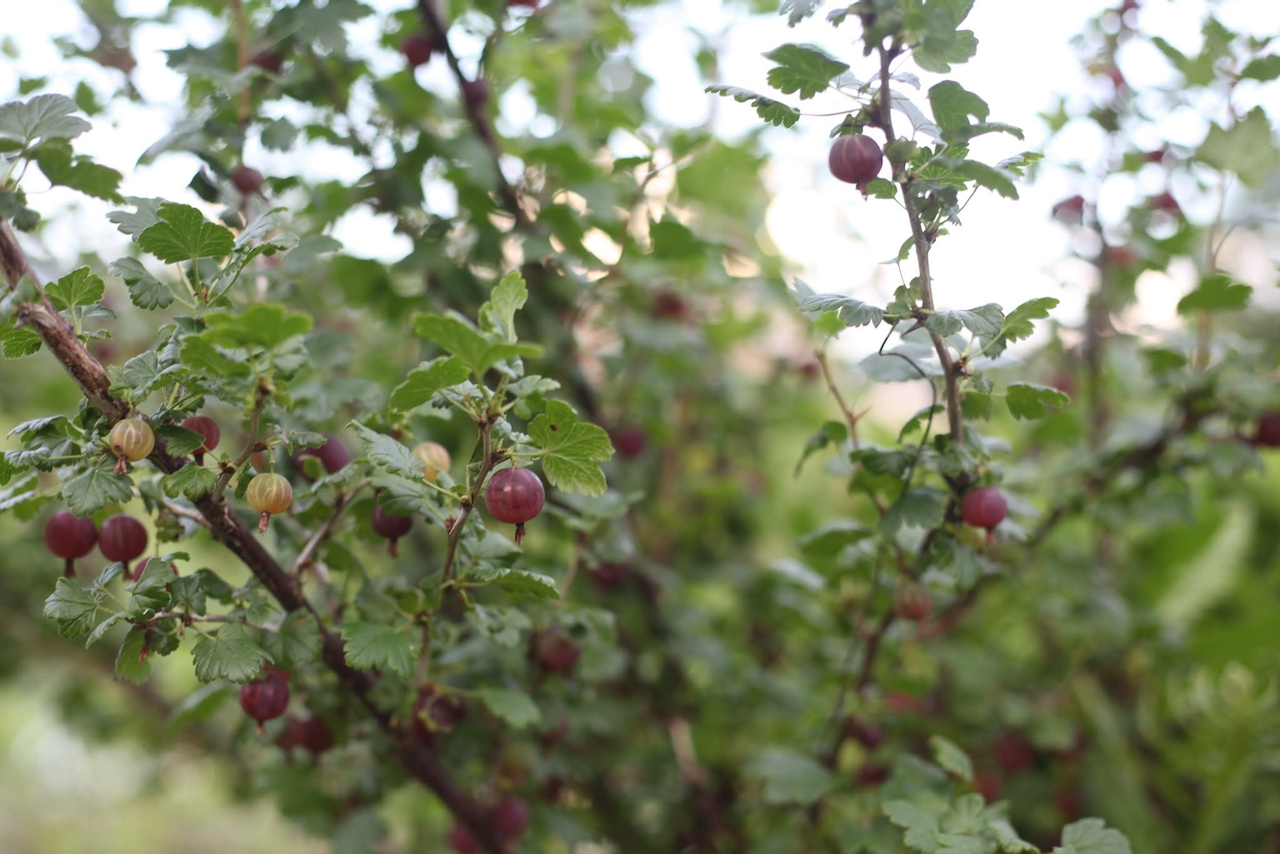
Purple Gooseberry
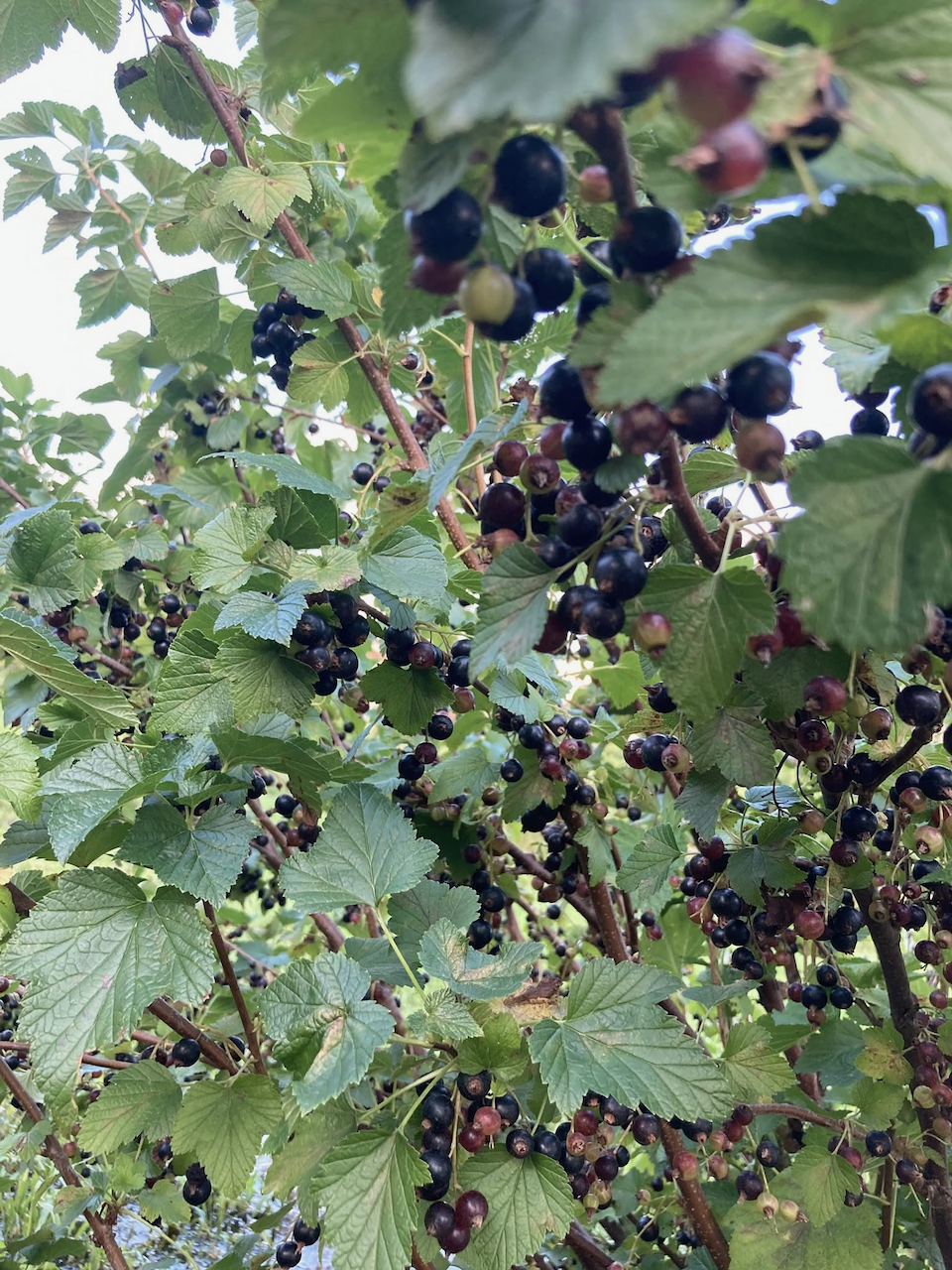
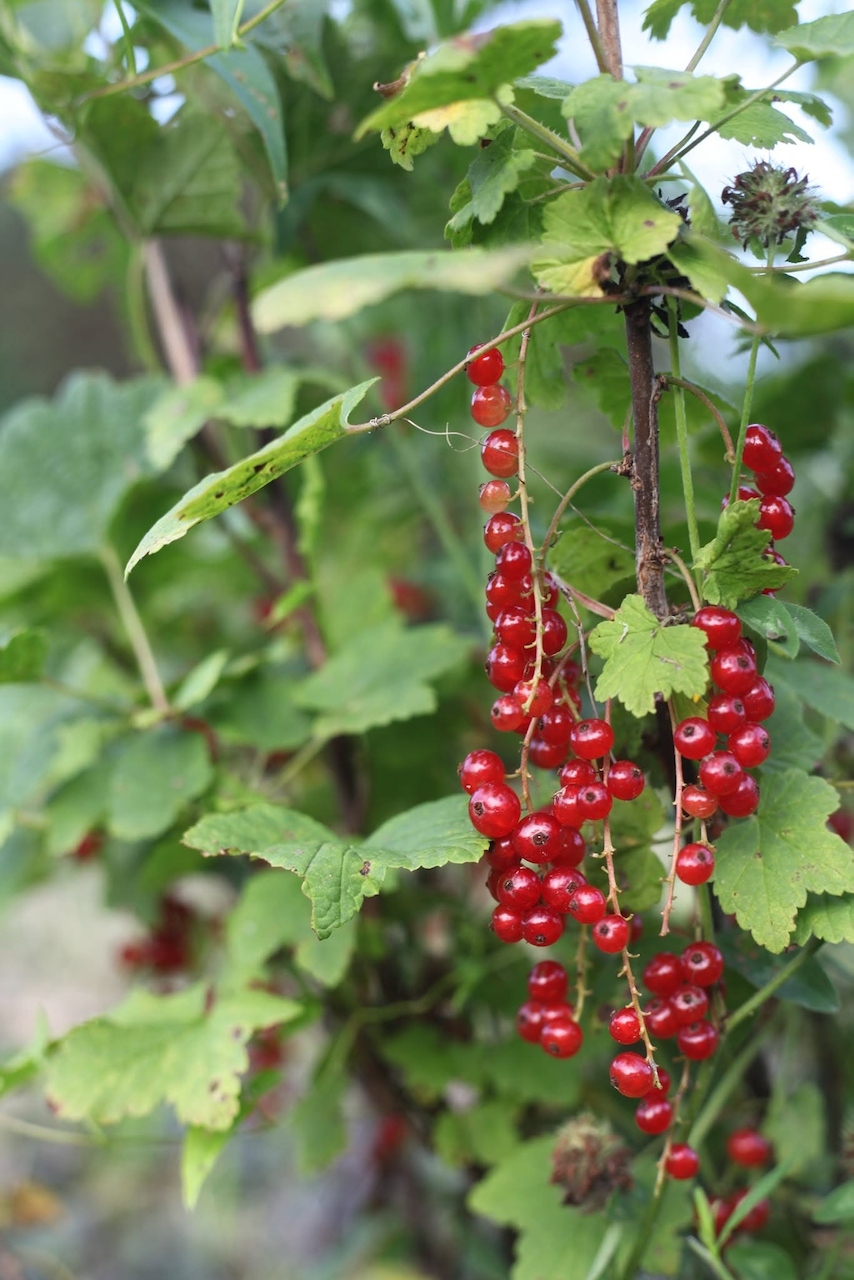
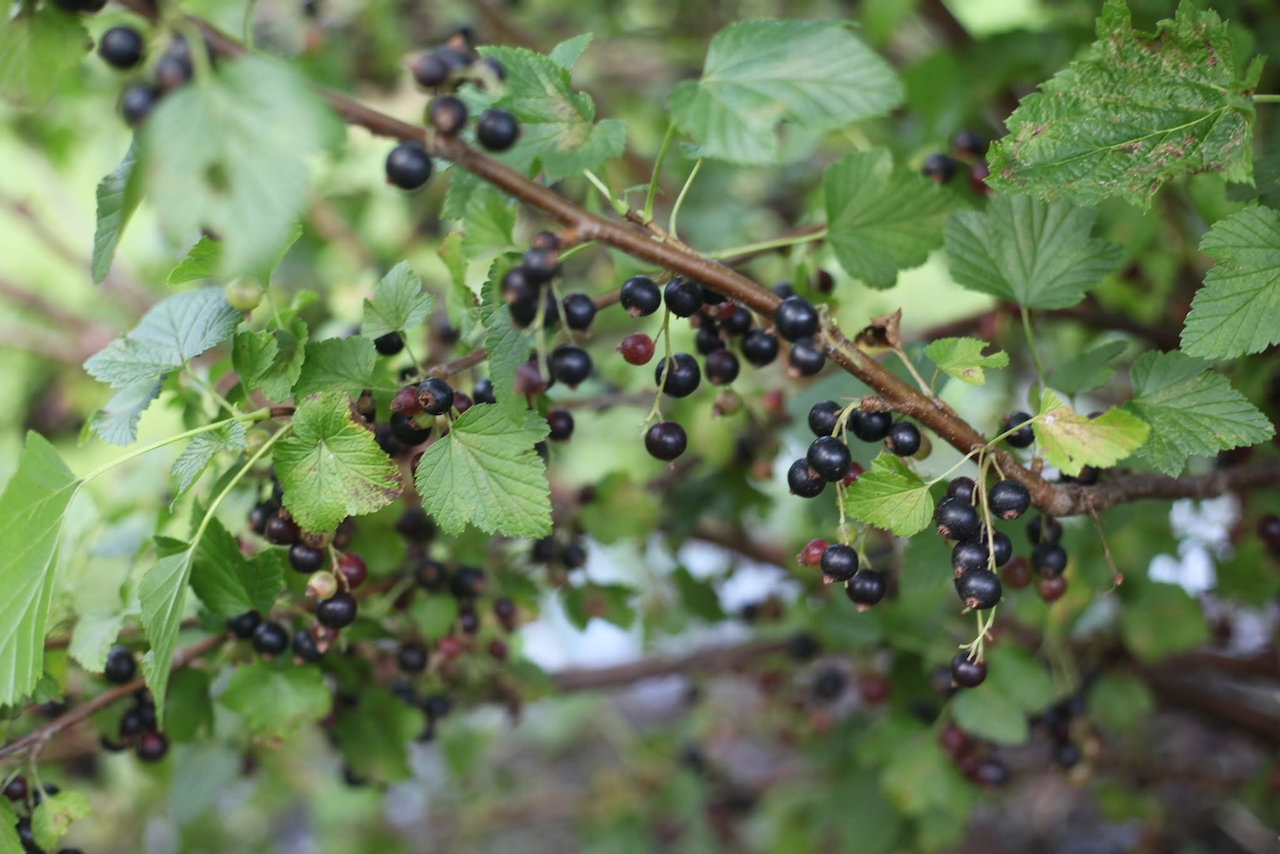
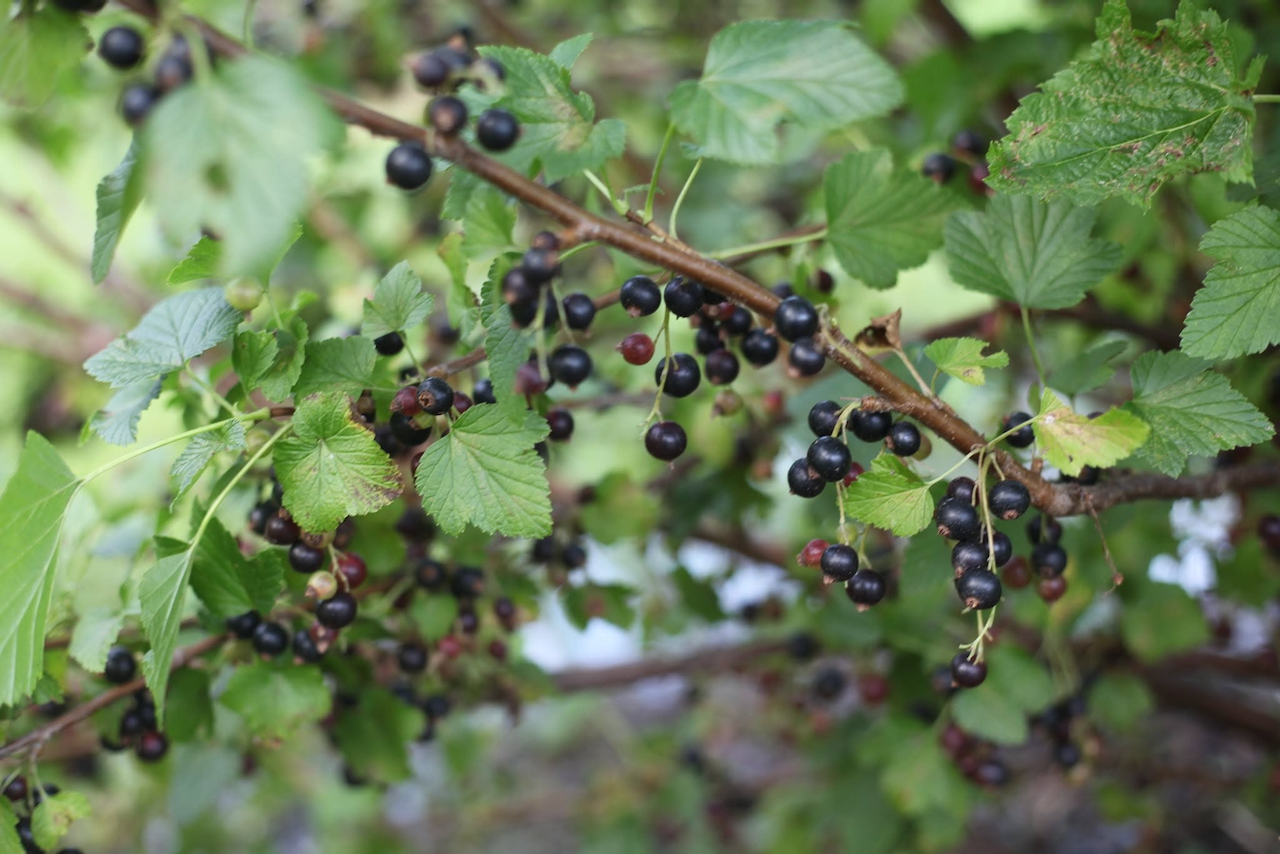
Black Currant
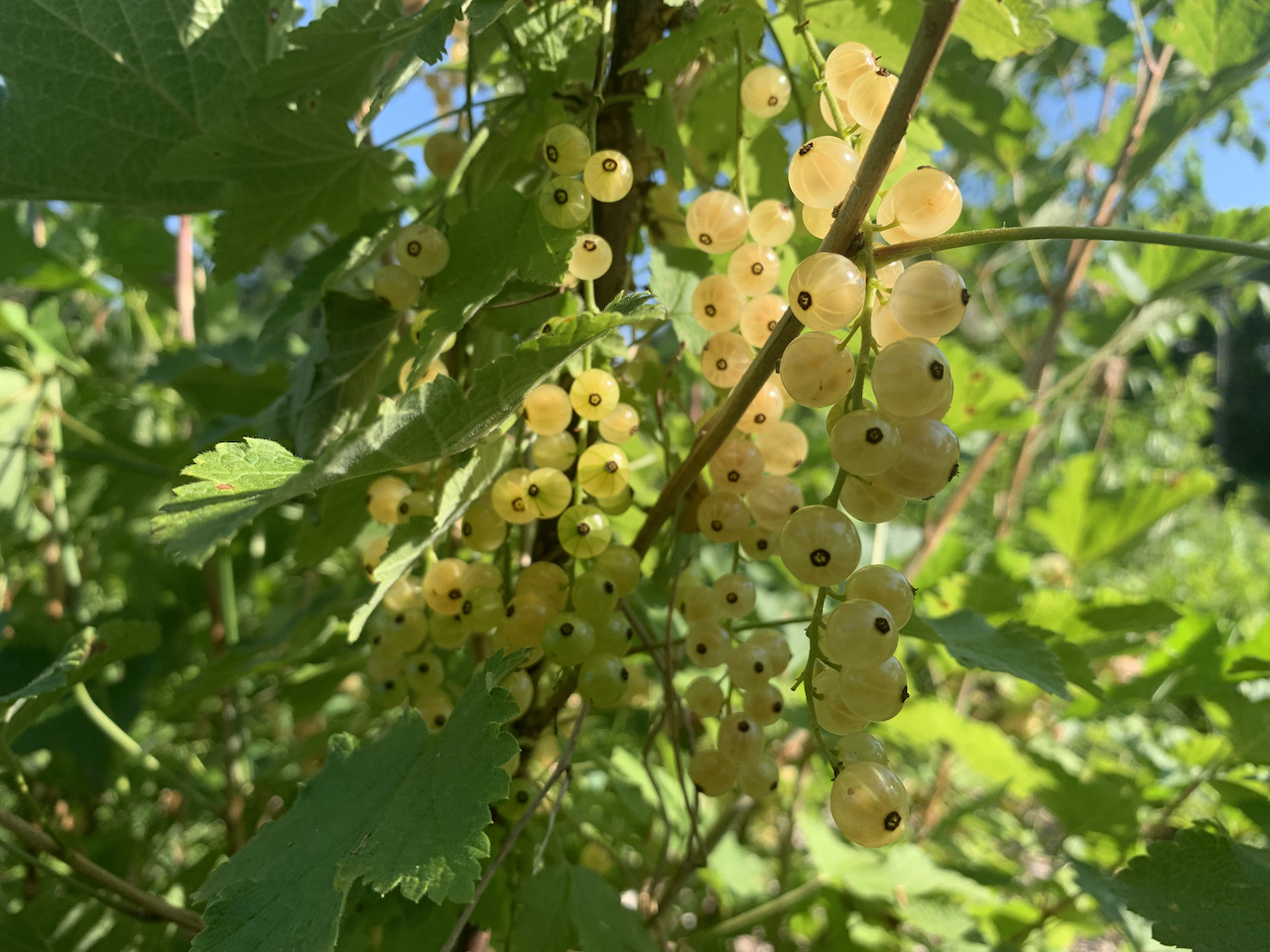
White Currant
Purple Coneflower
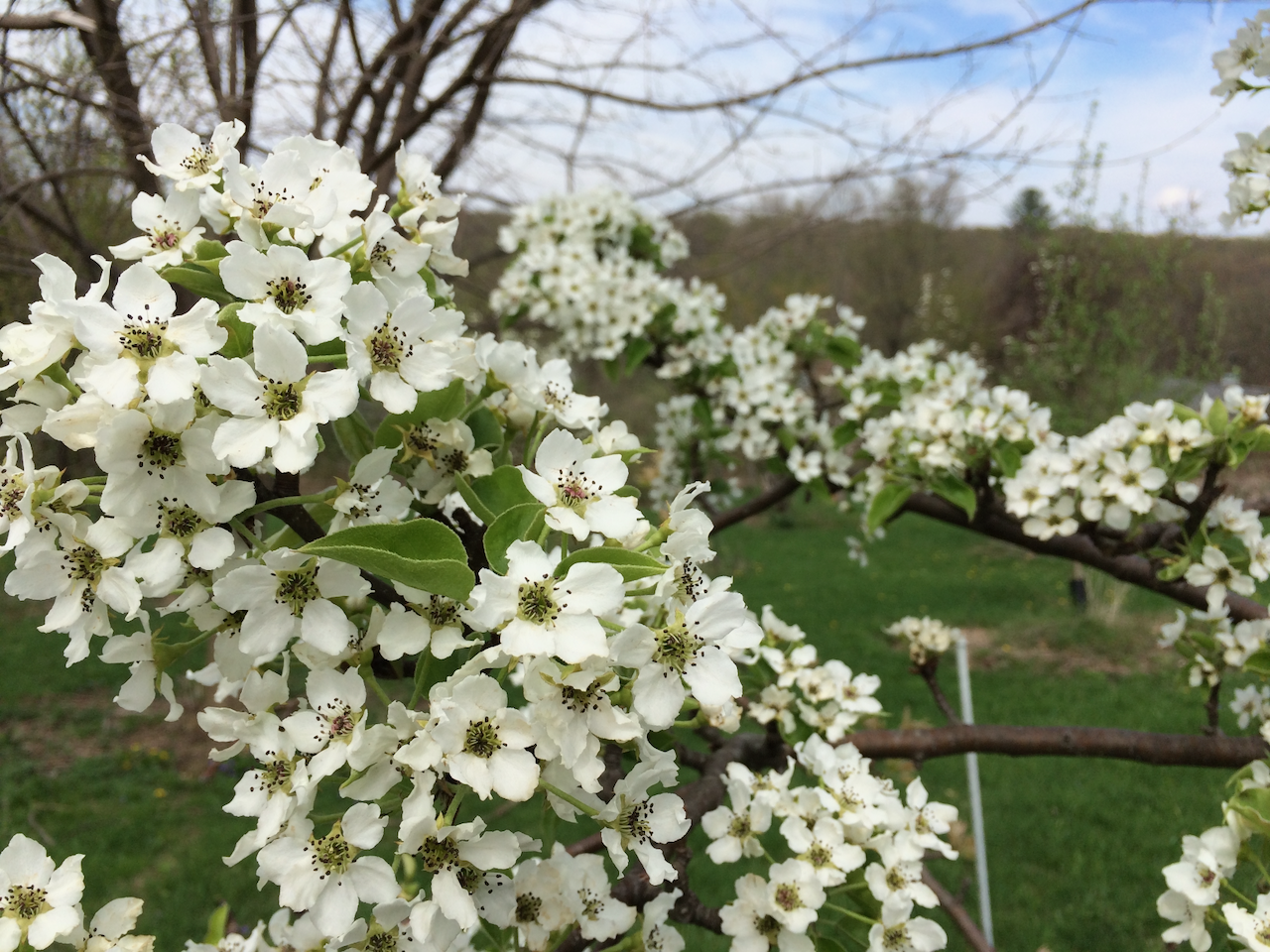
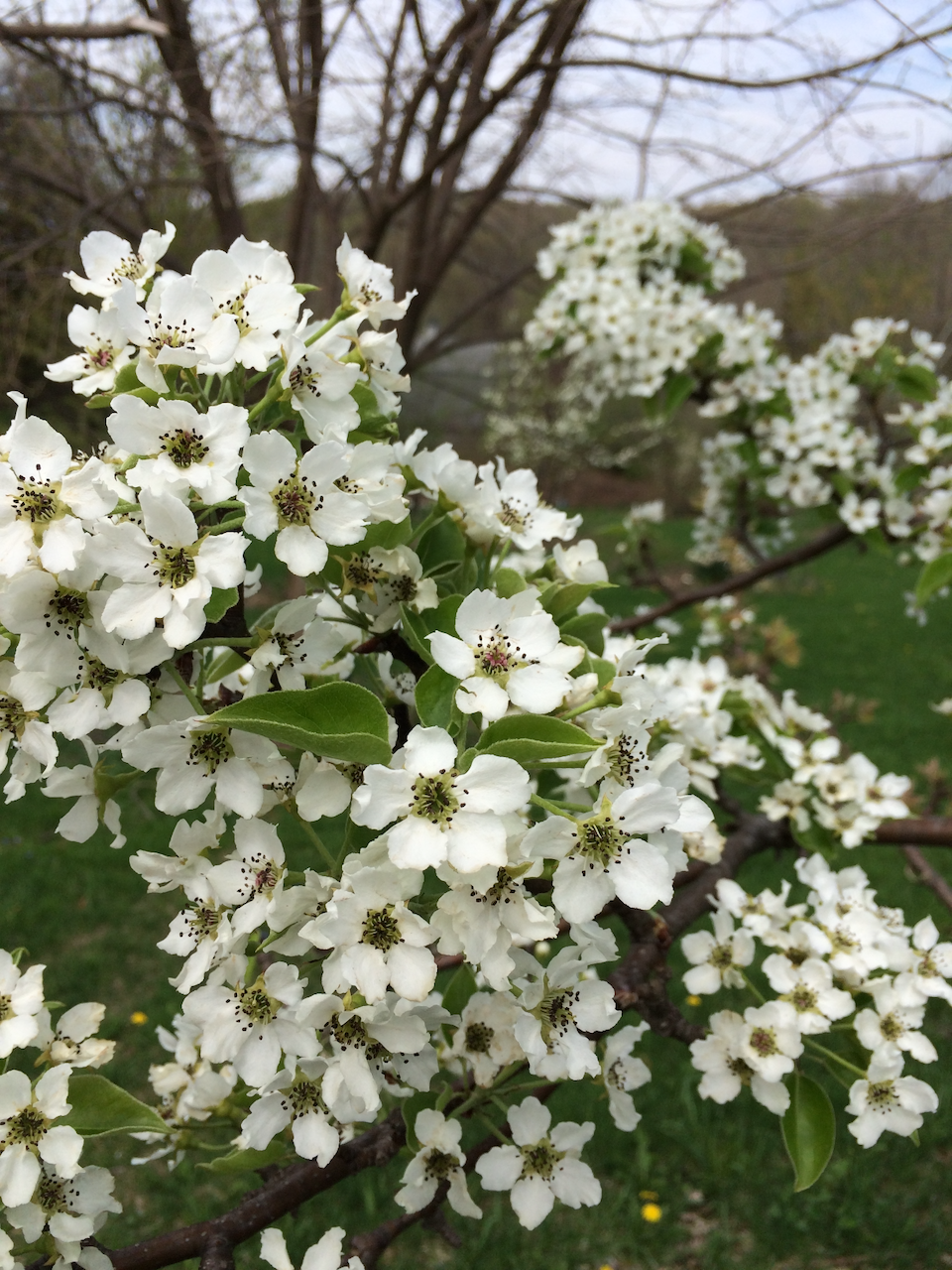
Asian Pear flowers
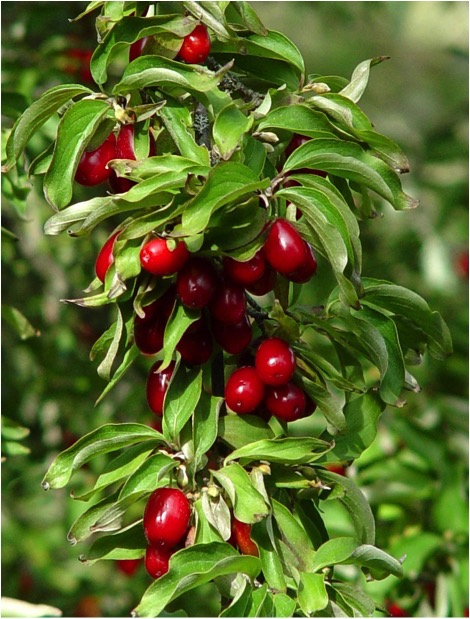
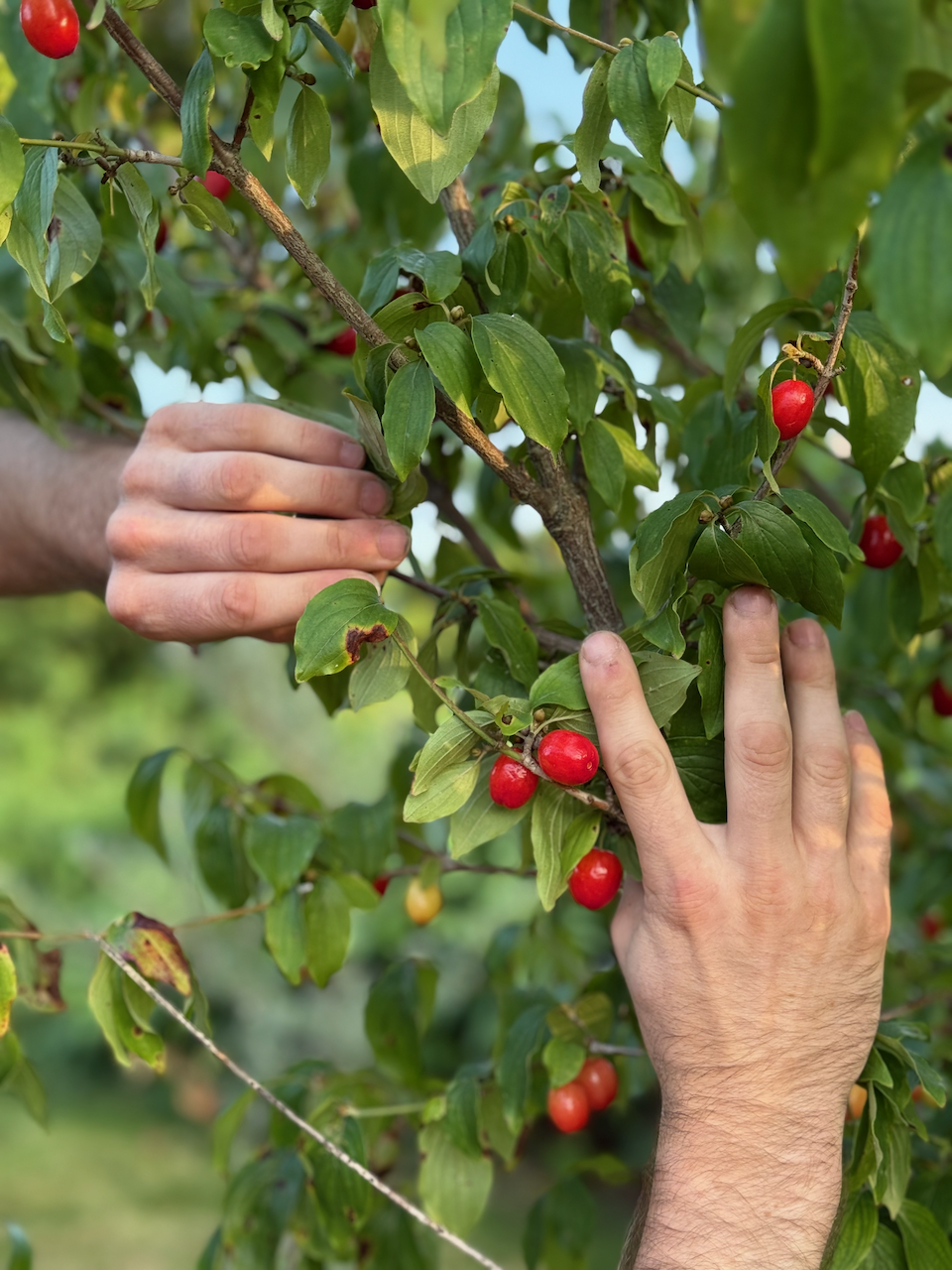
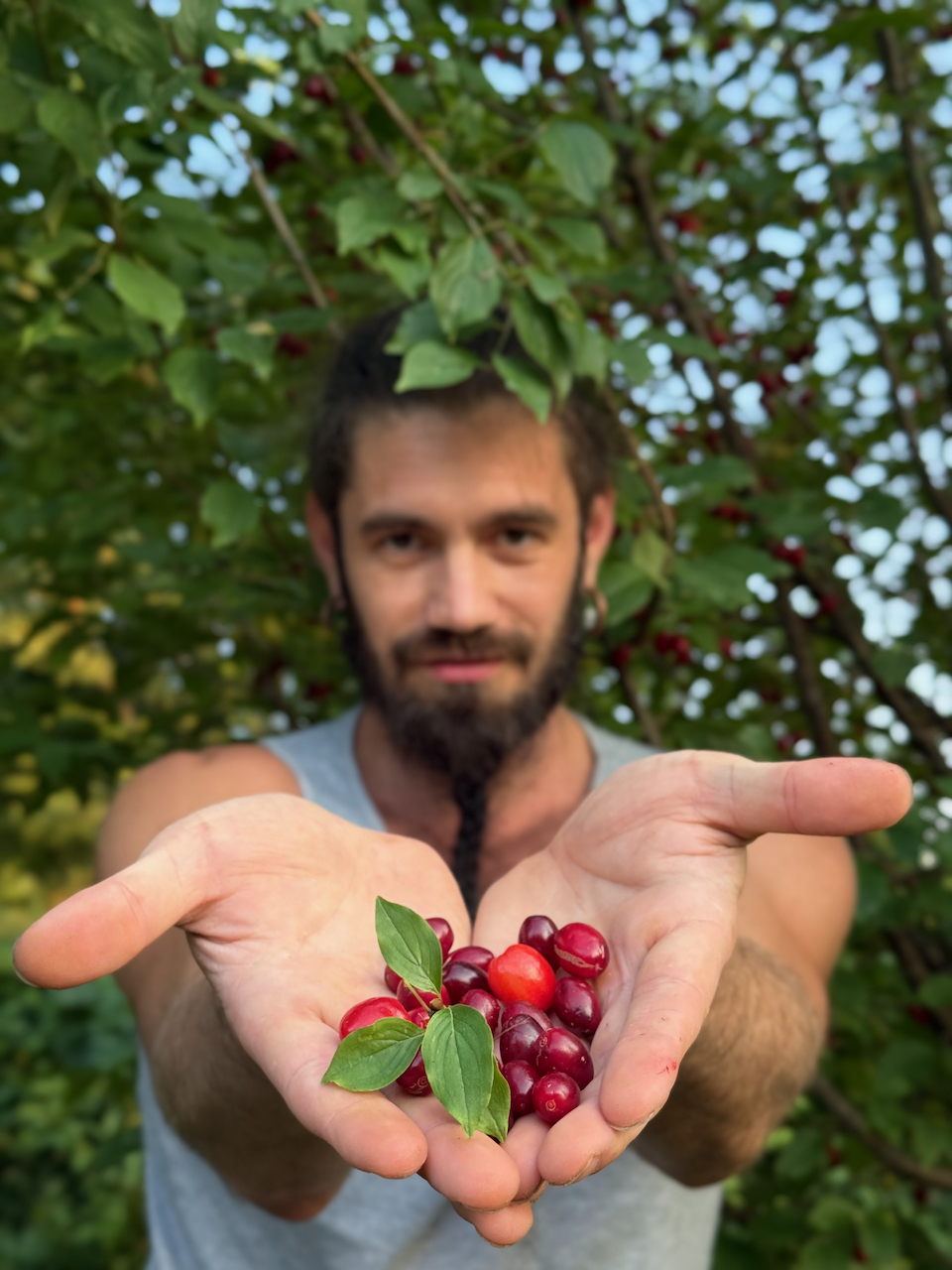
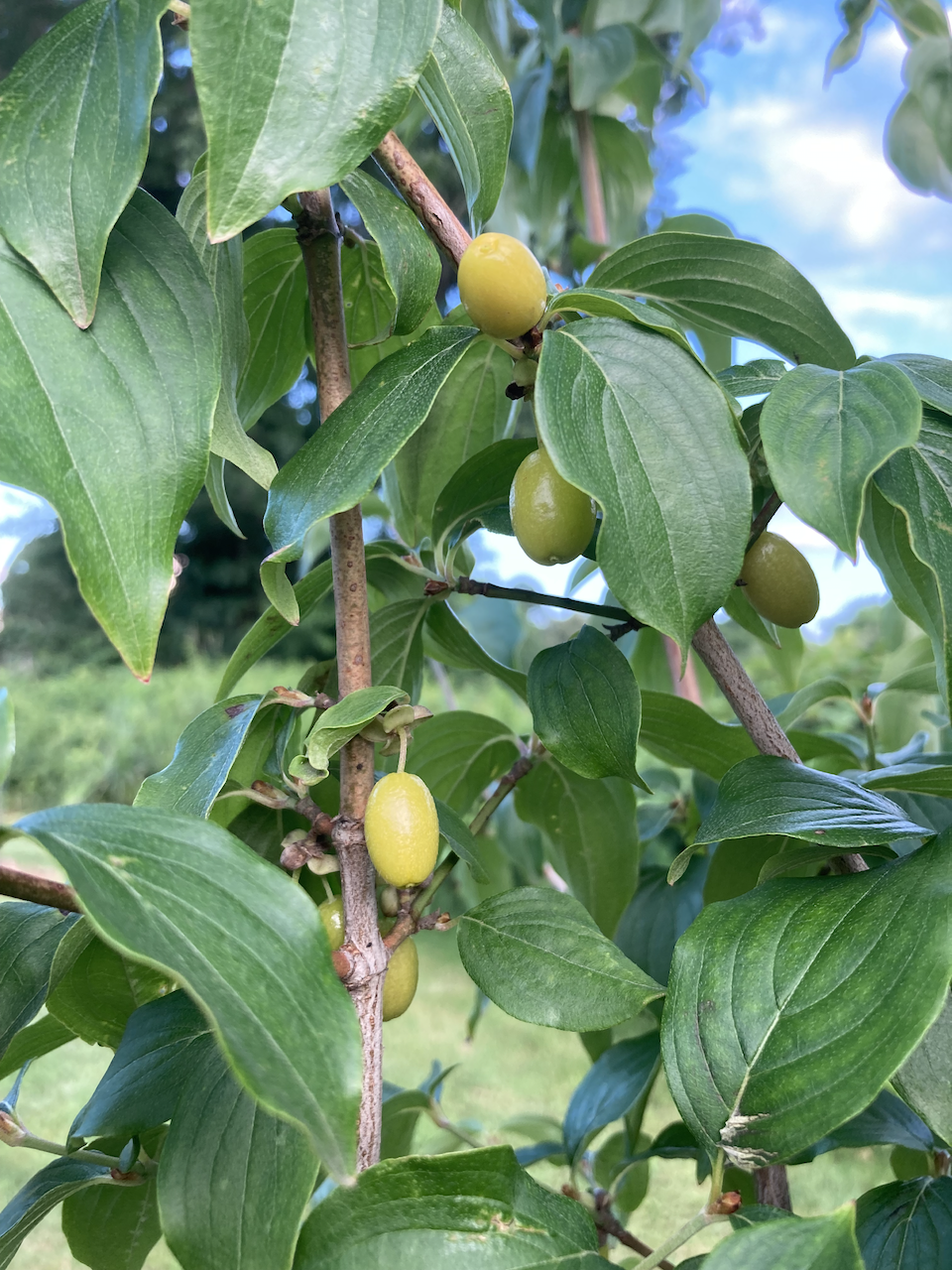
Cornelian Cherry
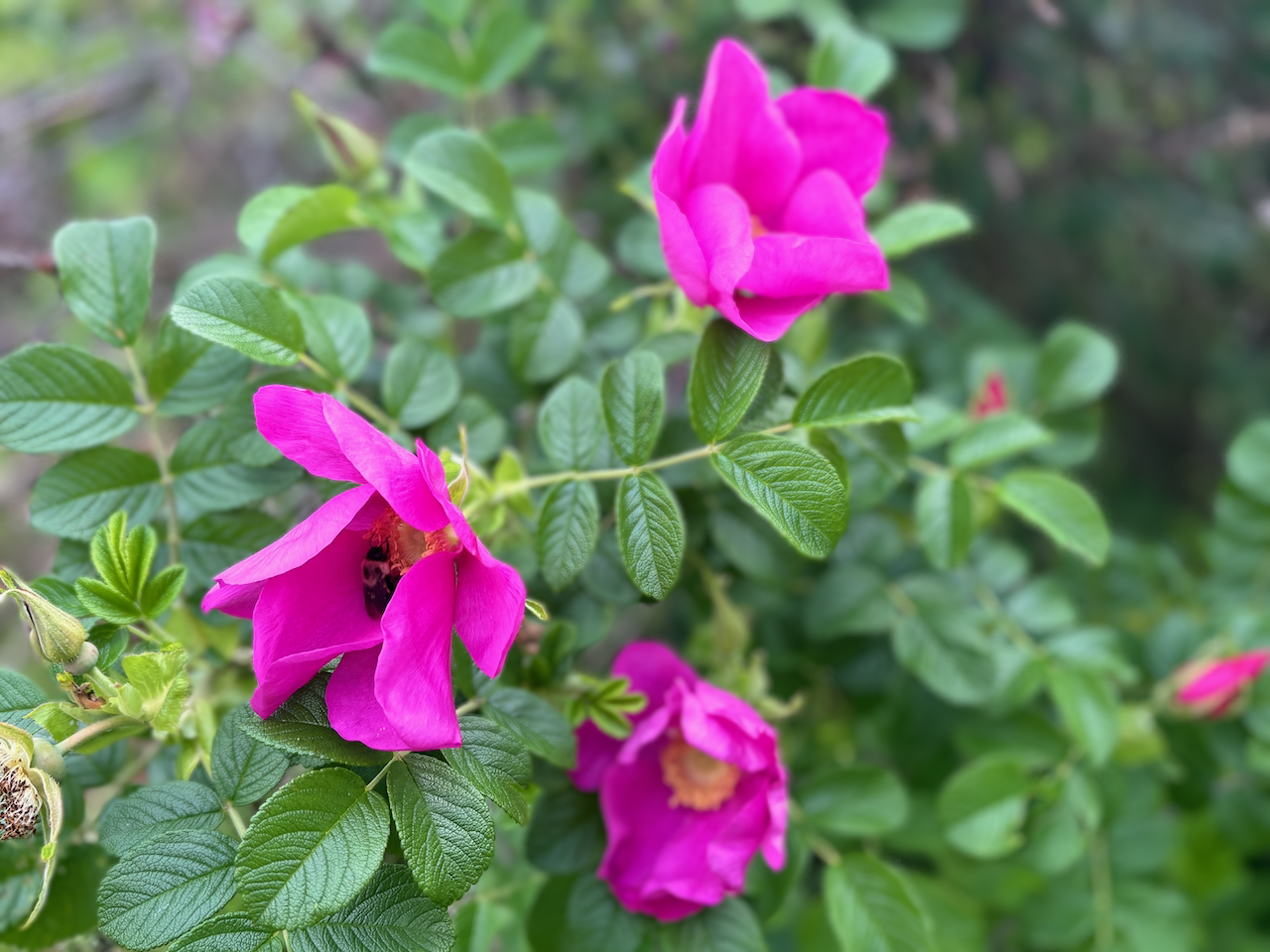
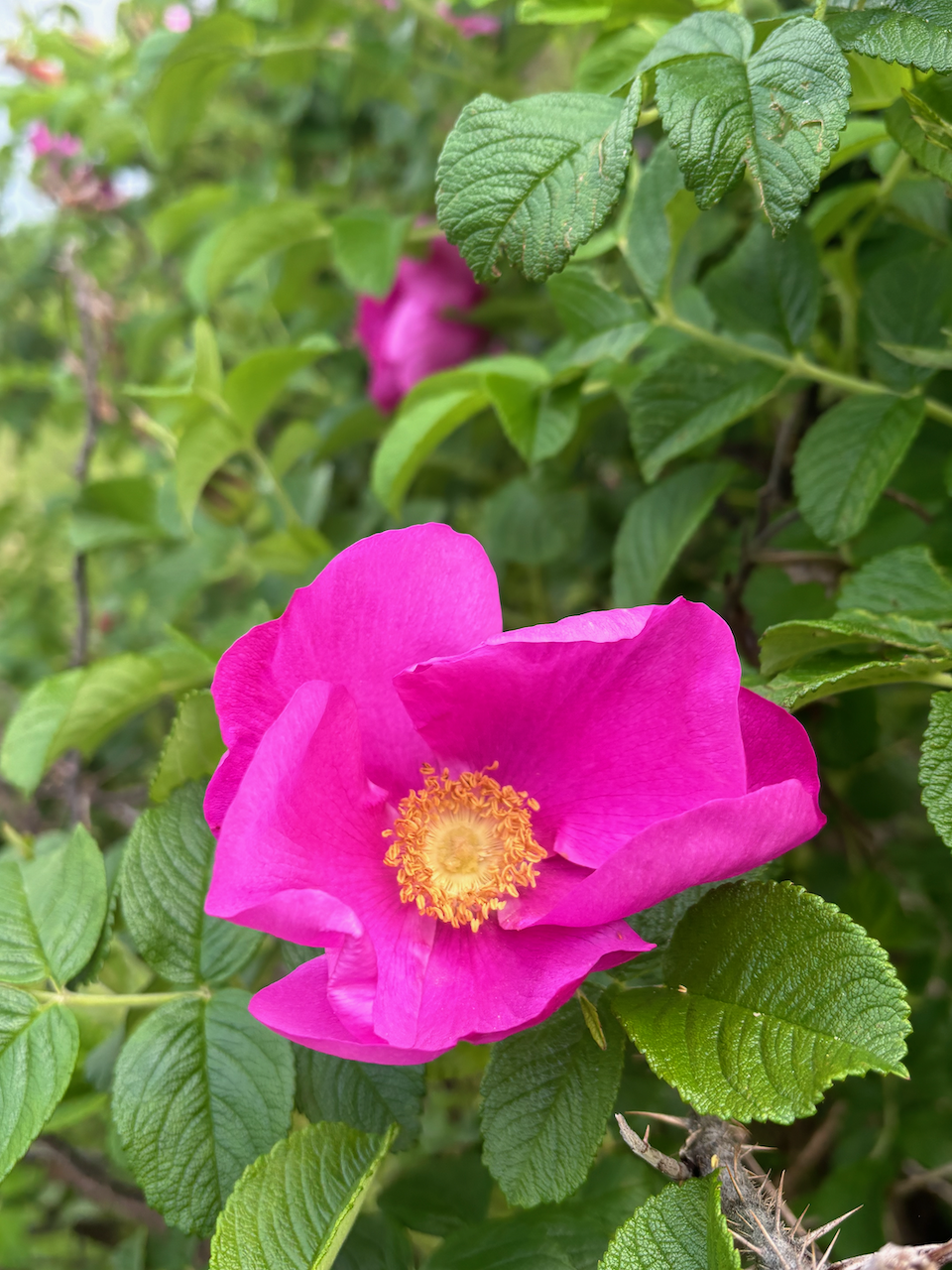
Rugosa Rose
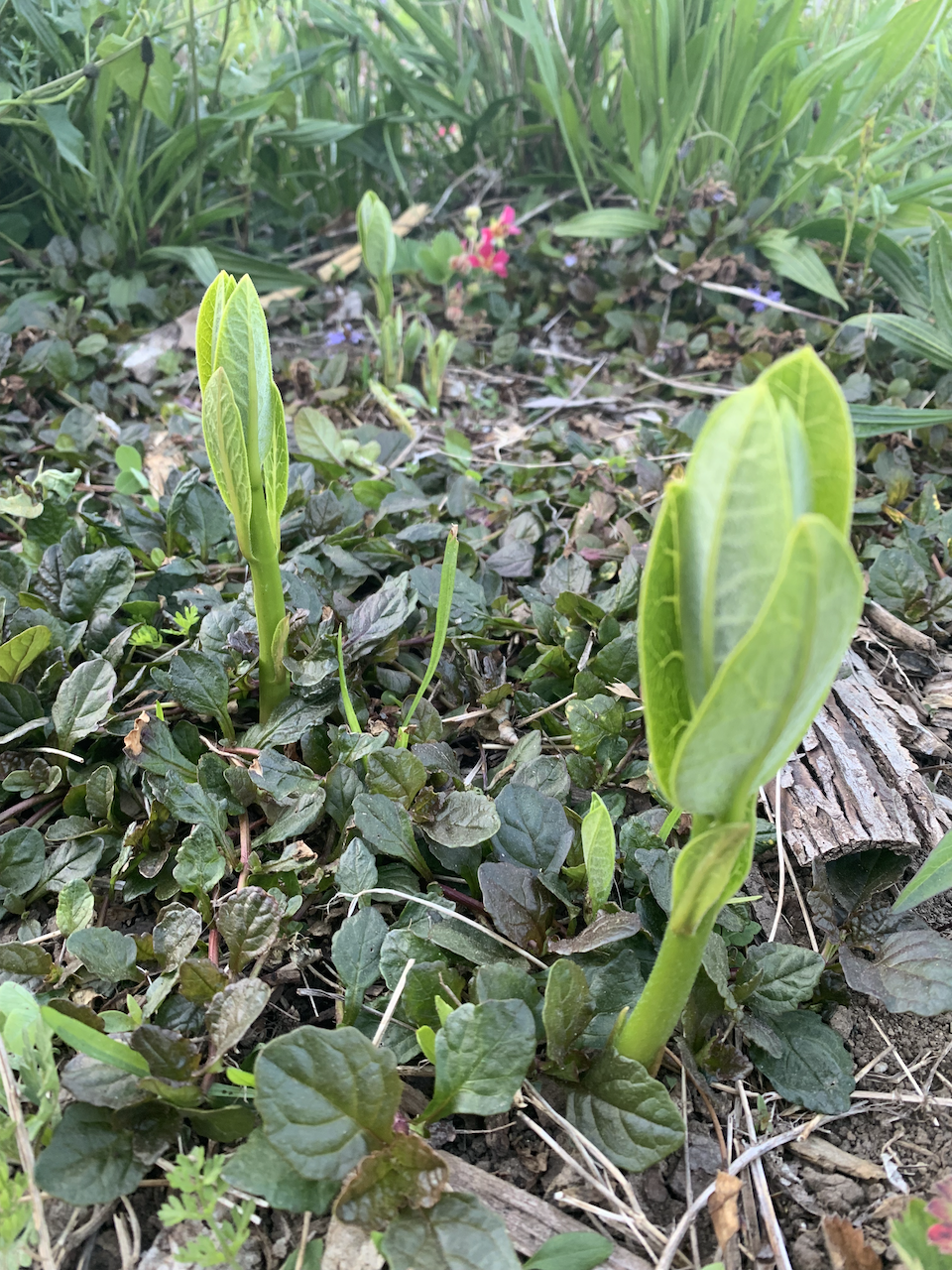
Milkweed shoots in bugelweed
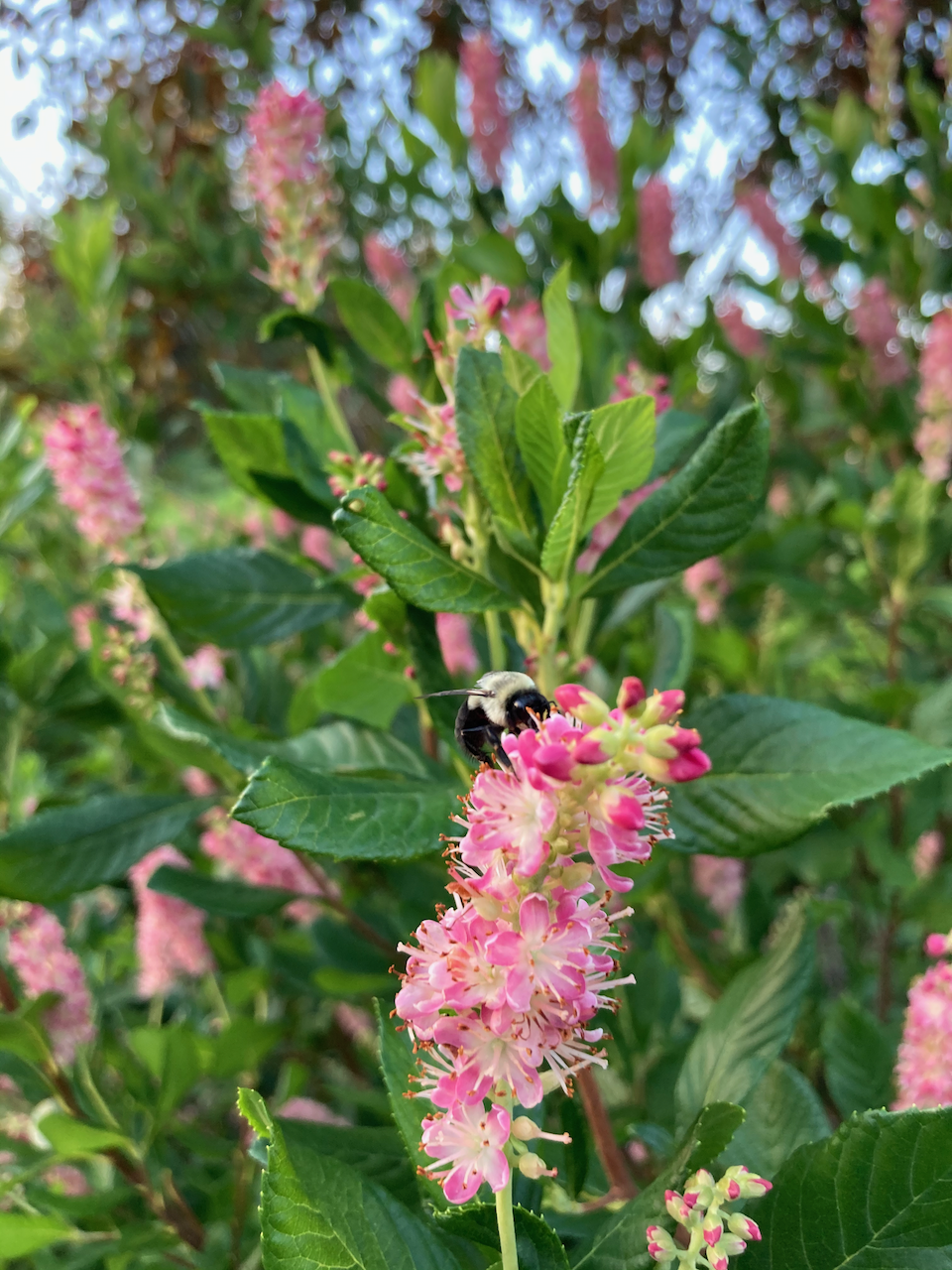
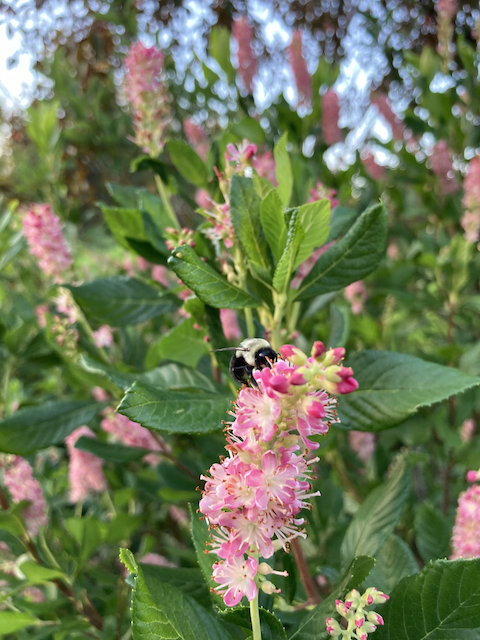
Sweet Pepperbush
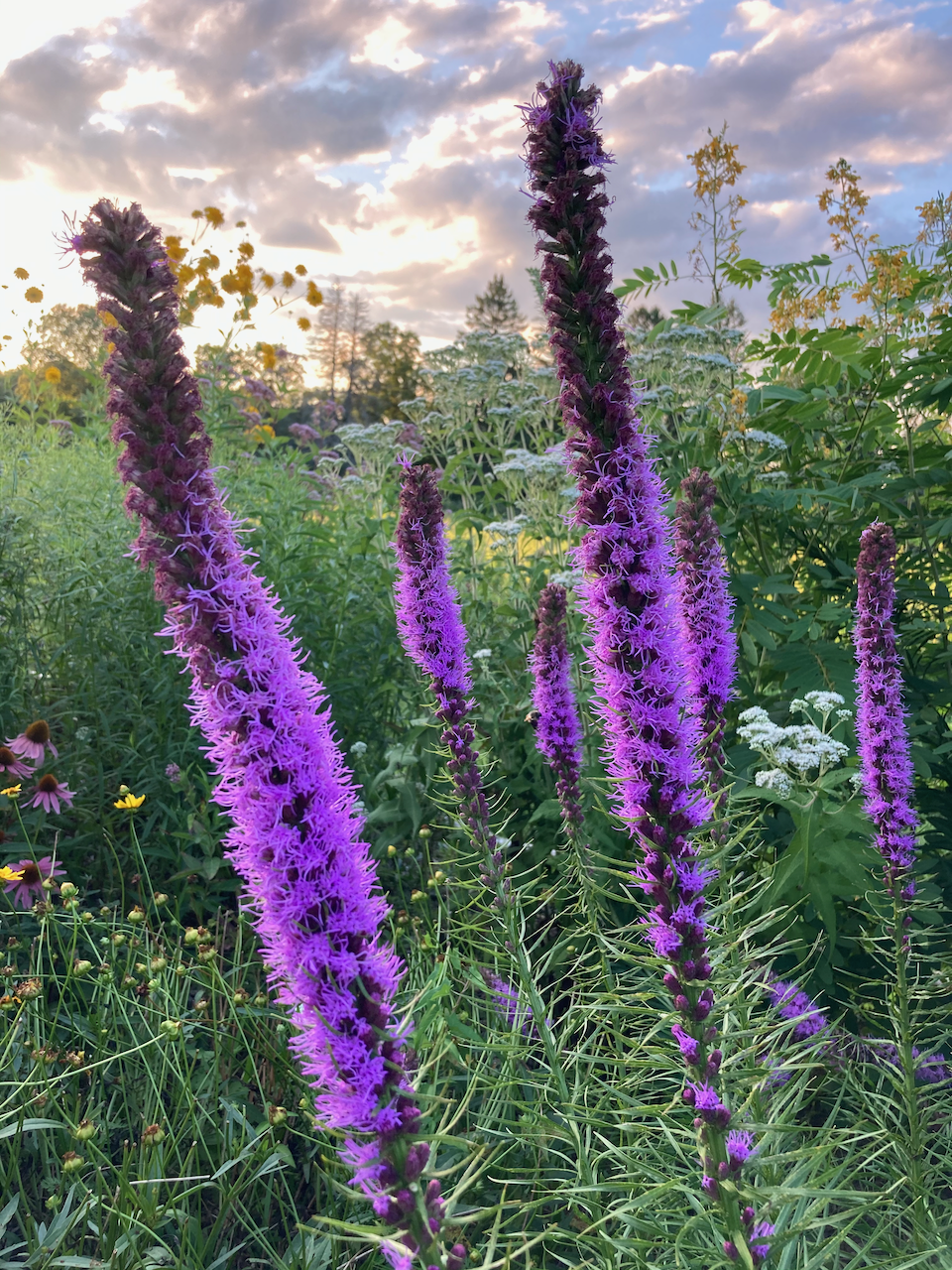
Liatris spicata
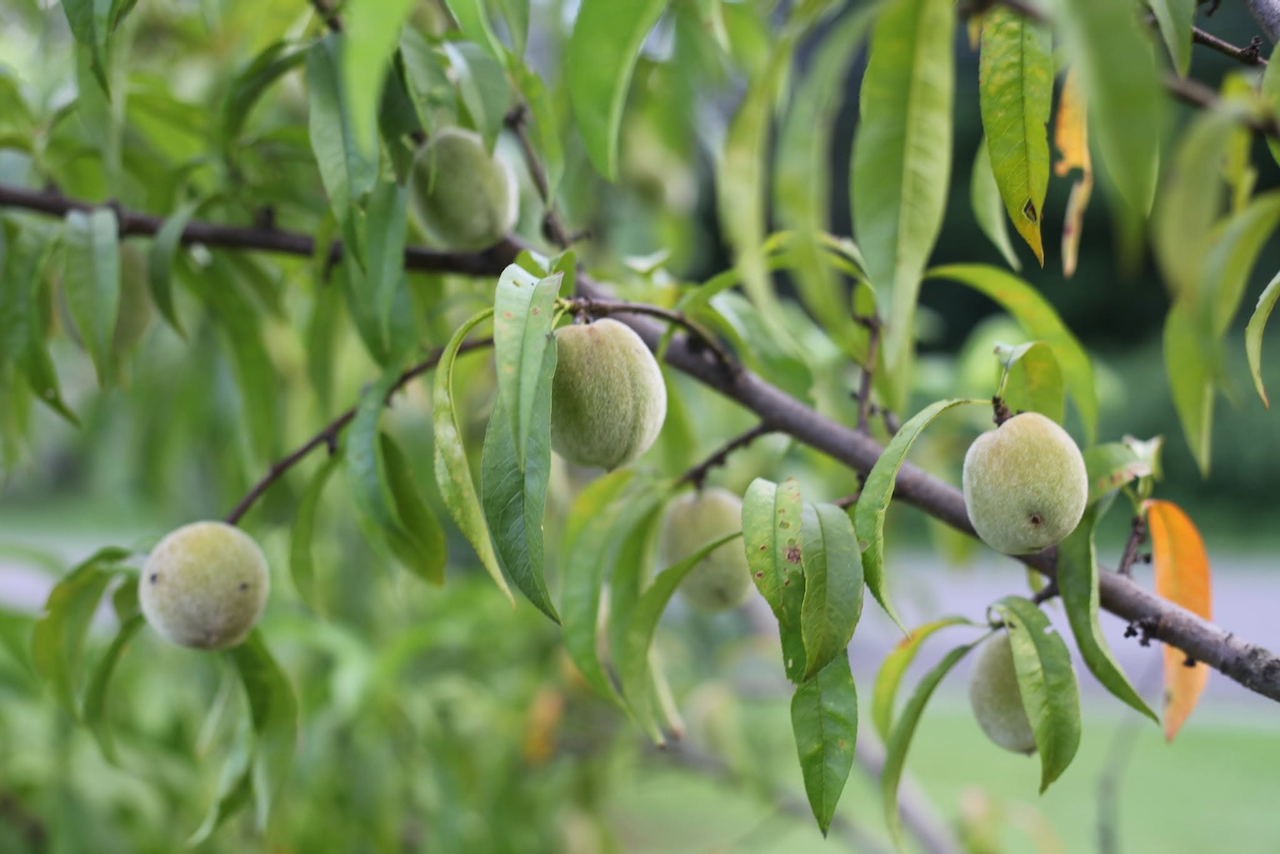
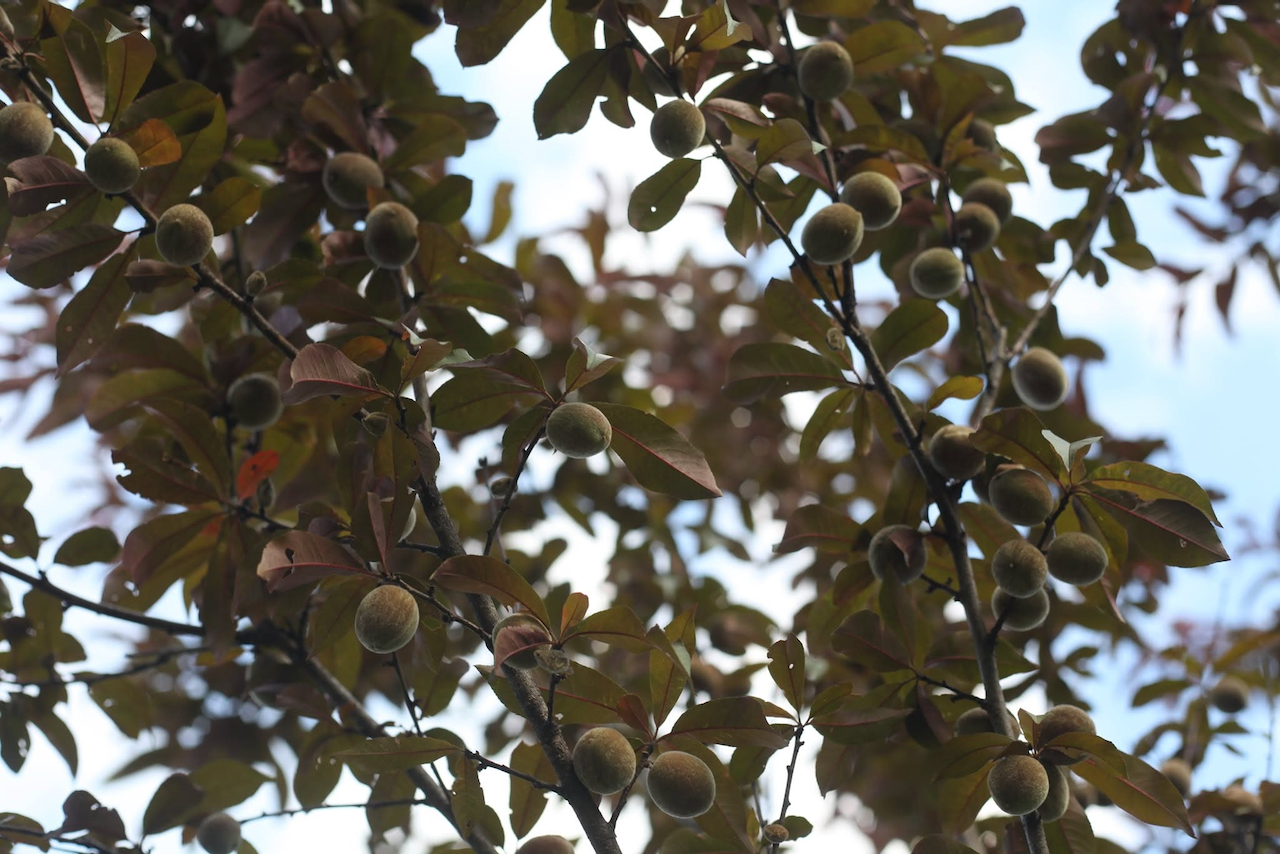
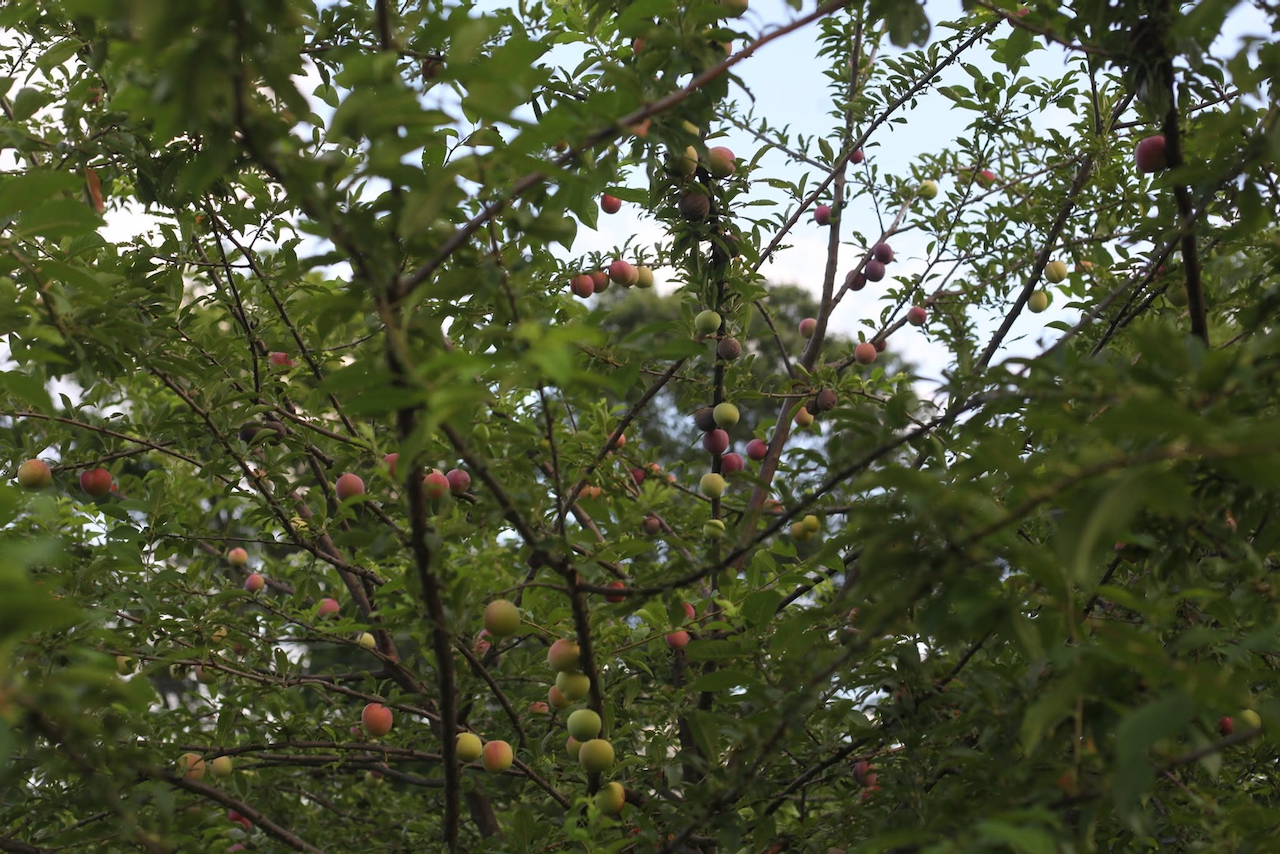
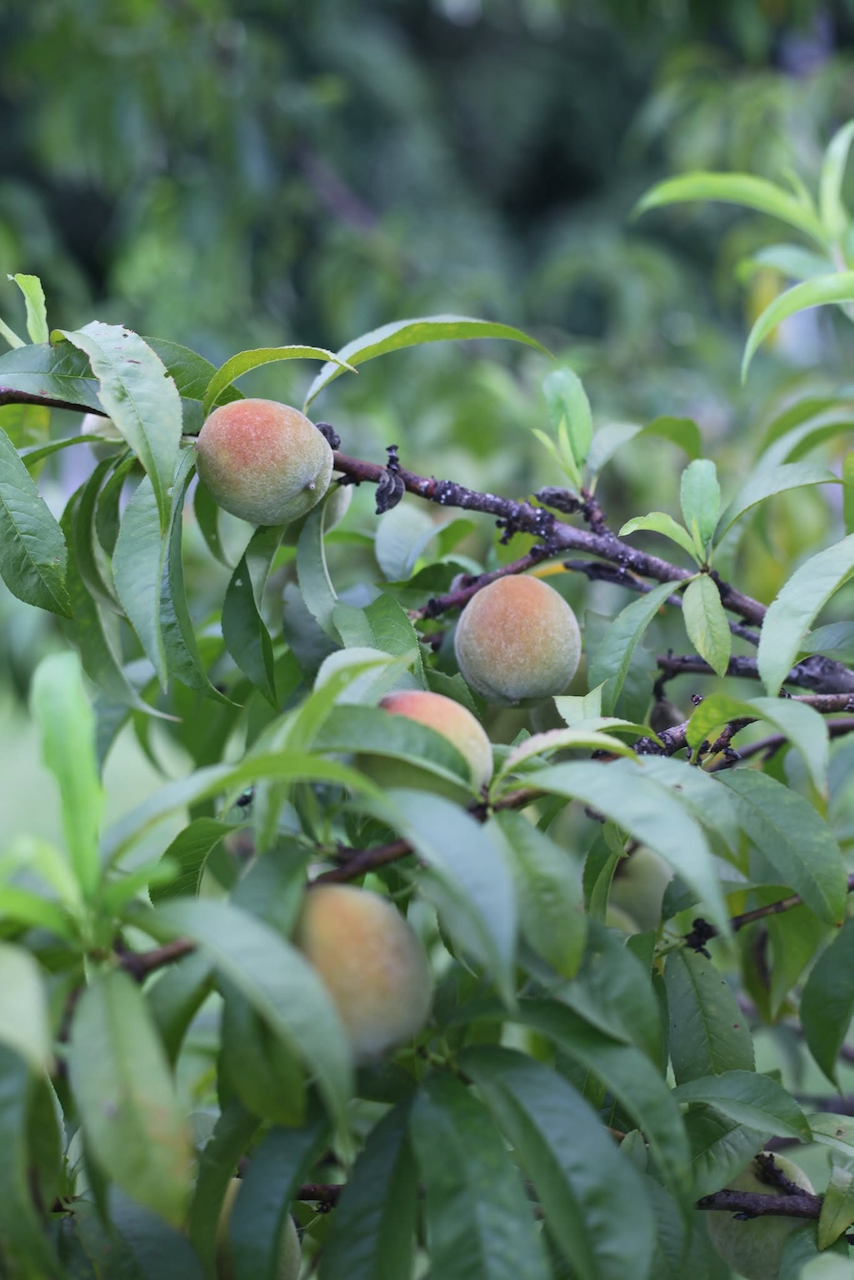
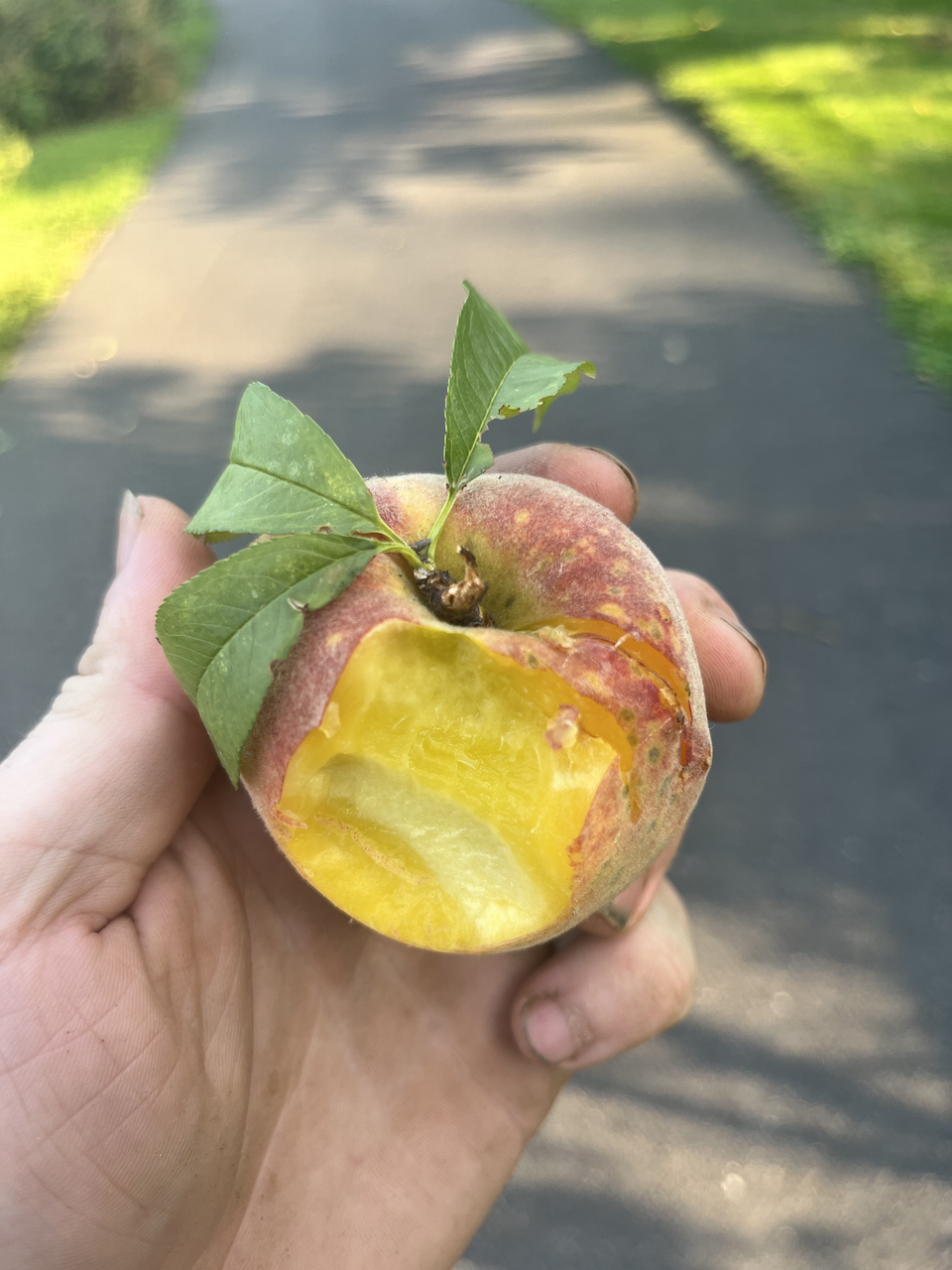
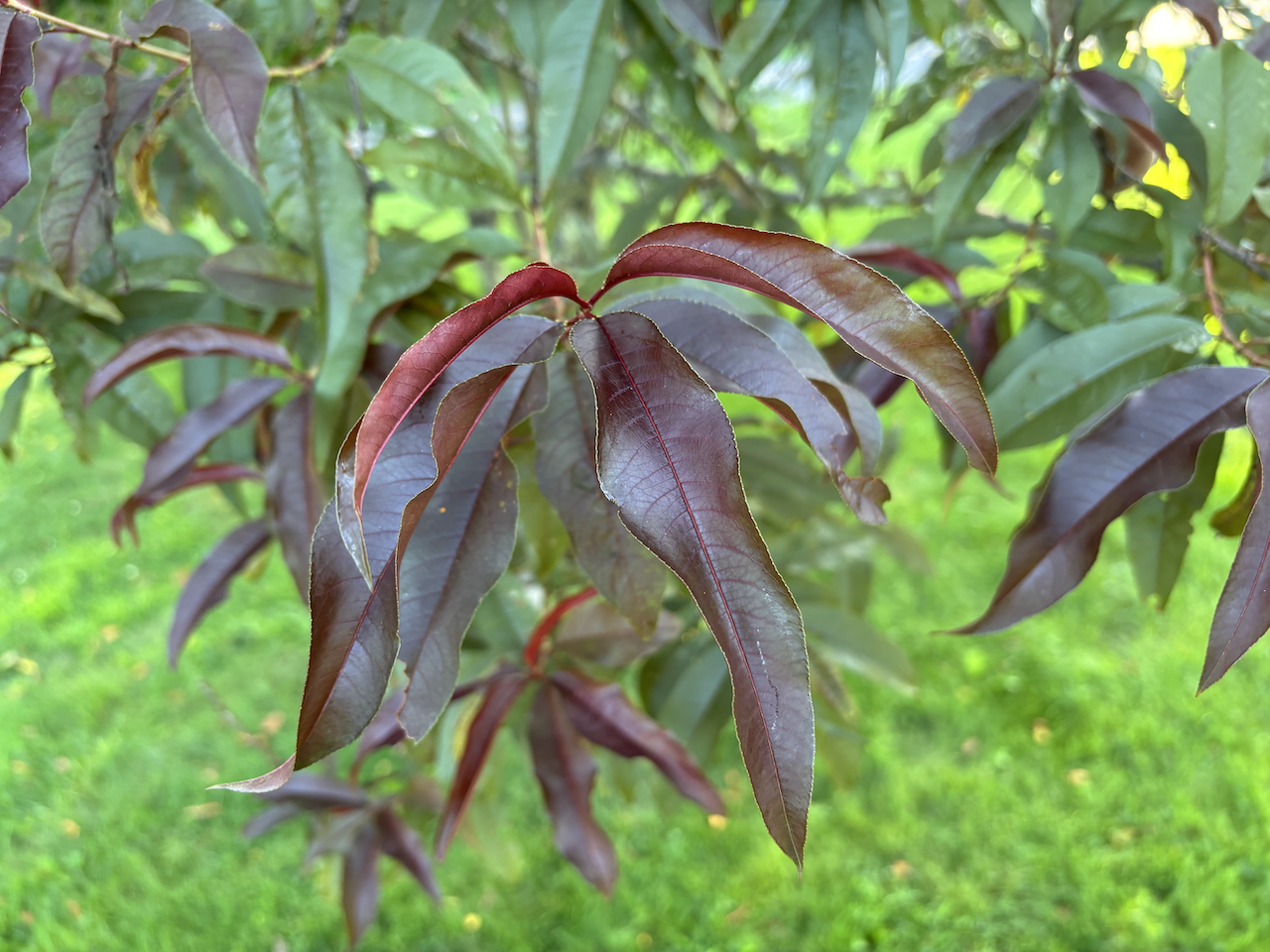
Purple Peach
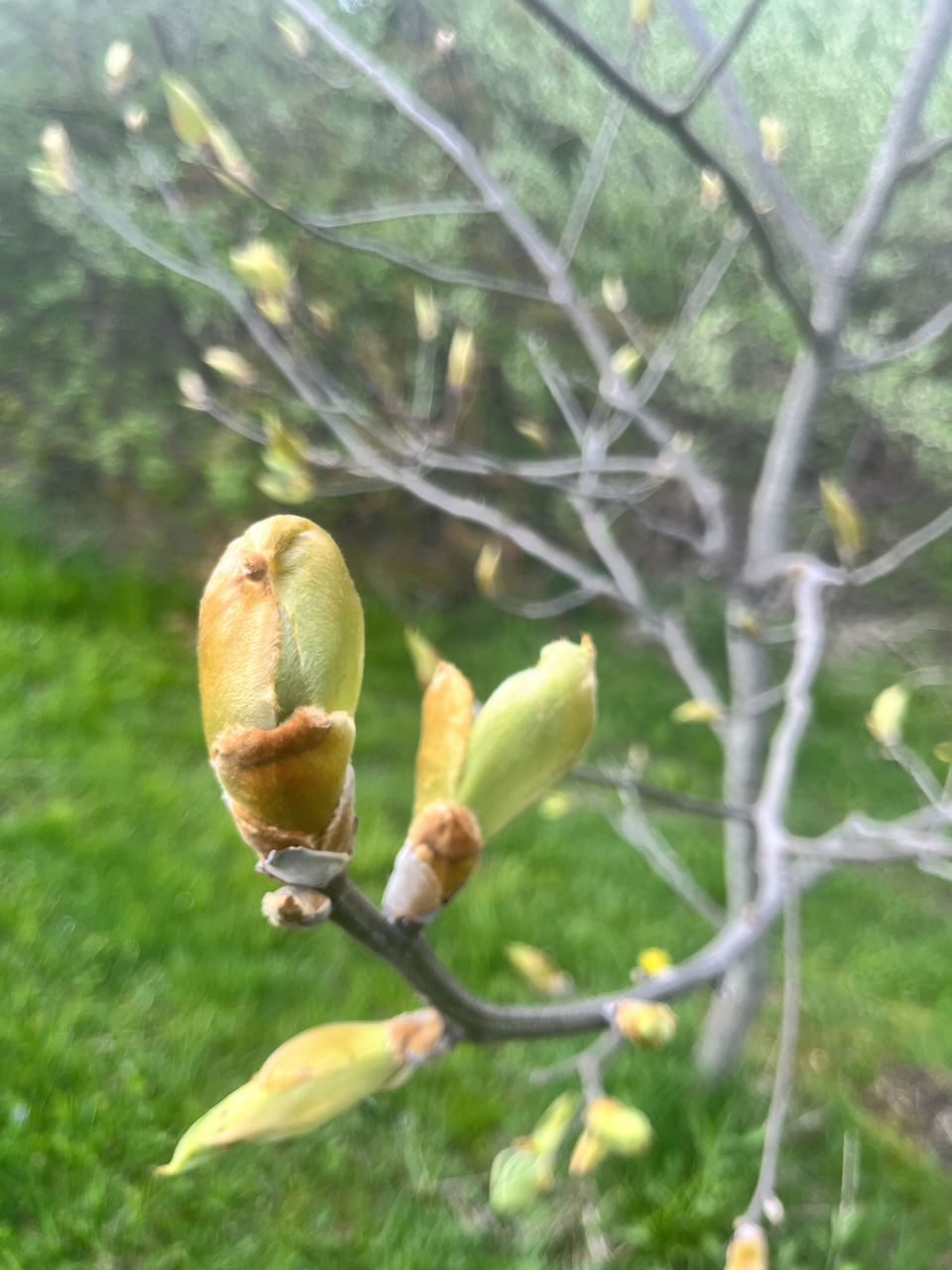
Hickory buds
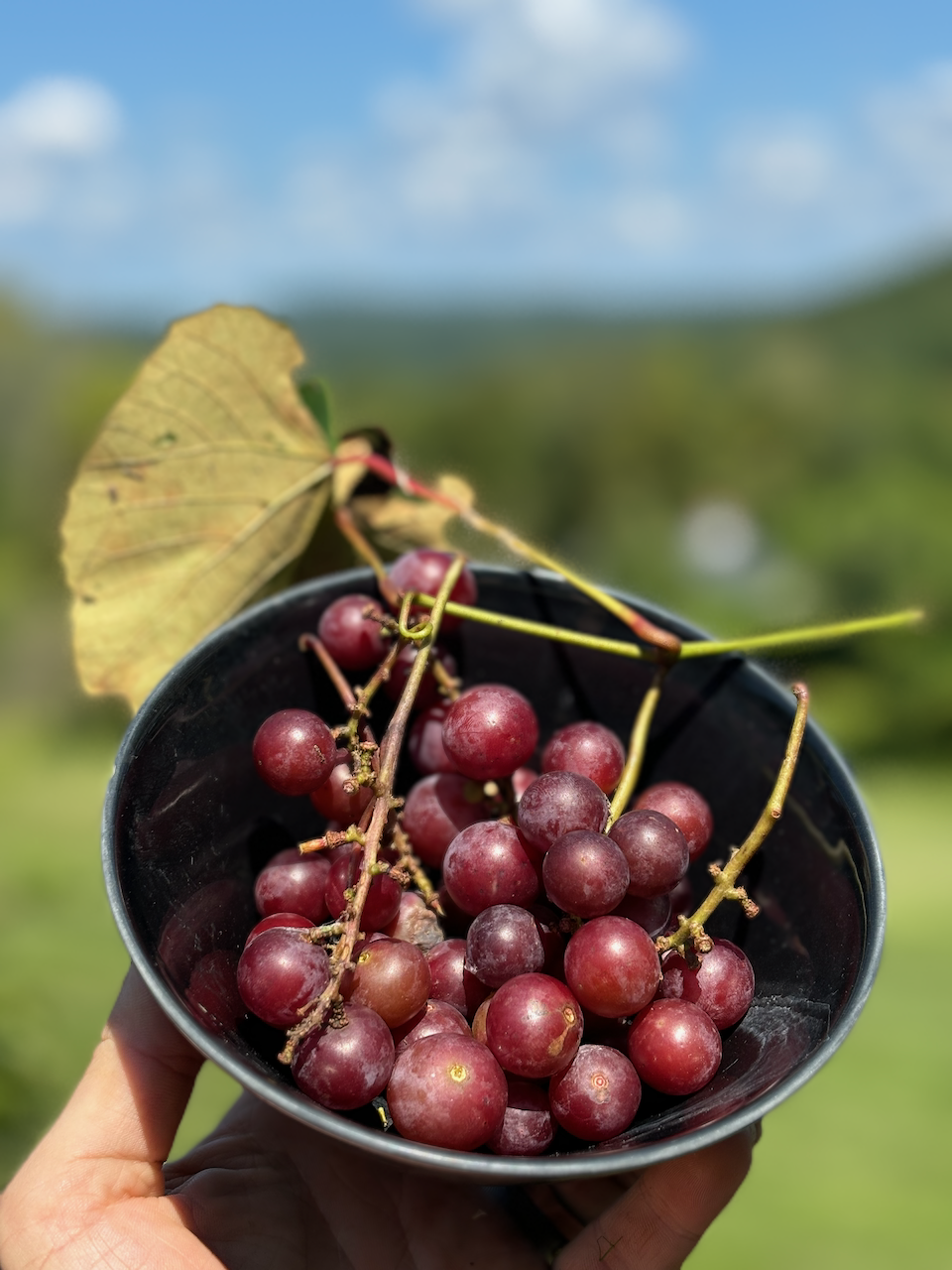
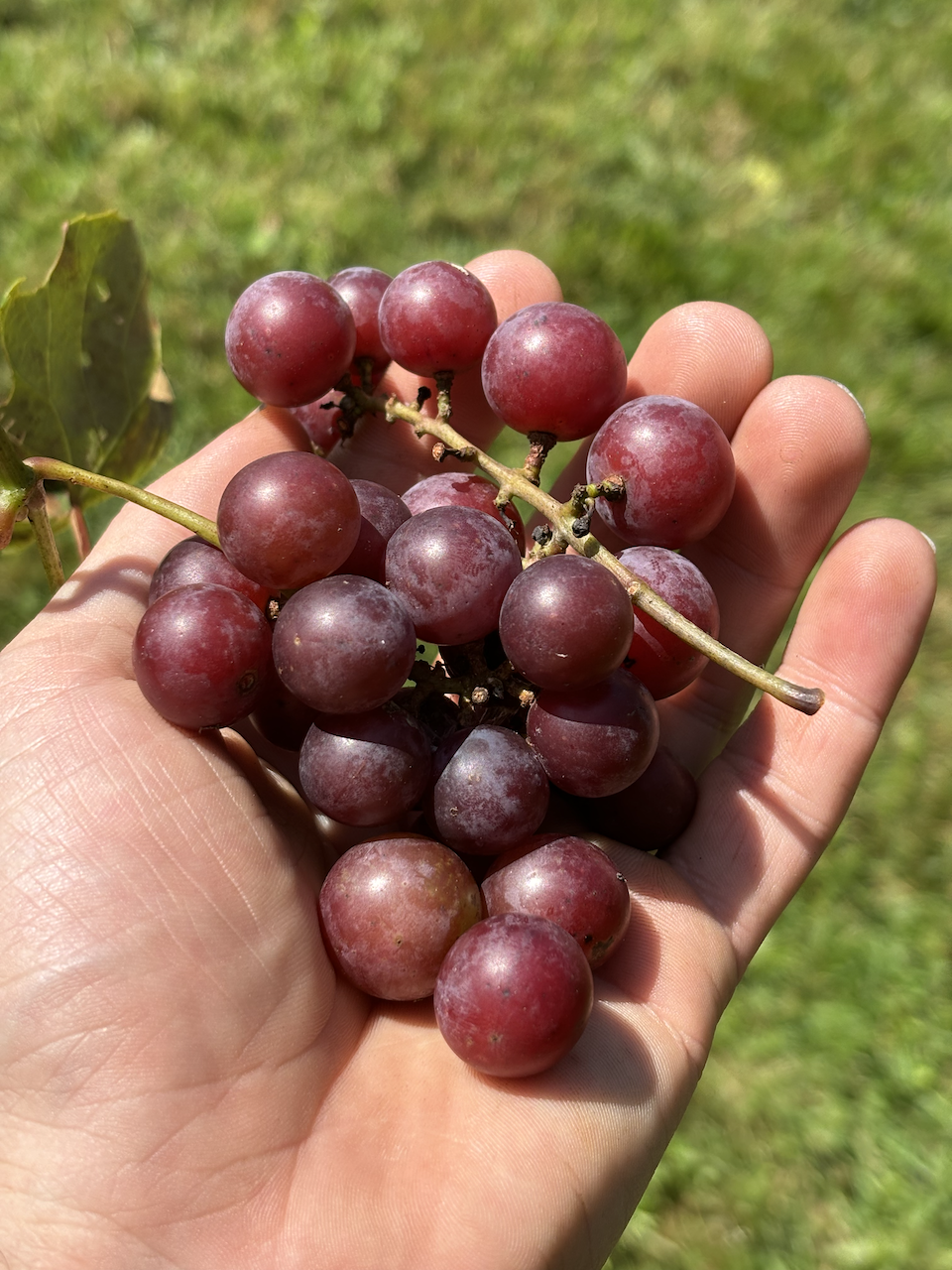
Concord grape
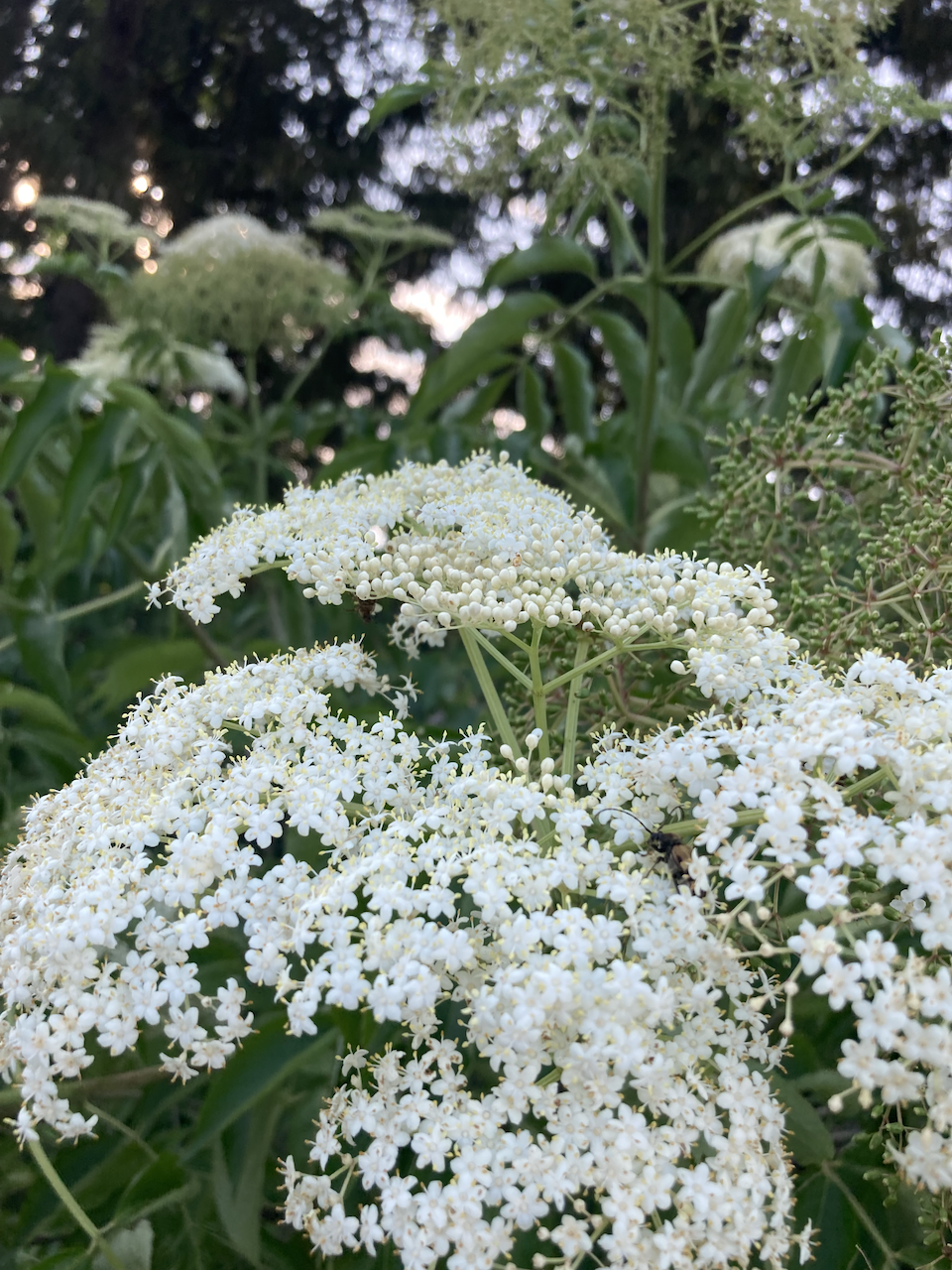
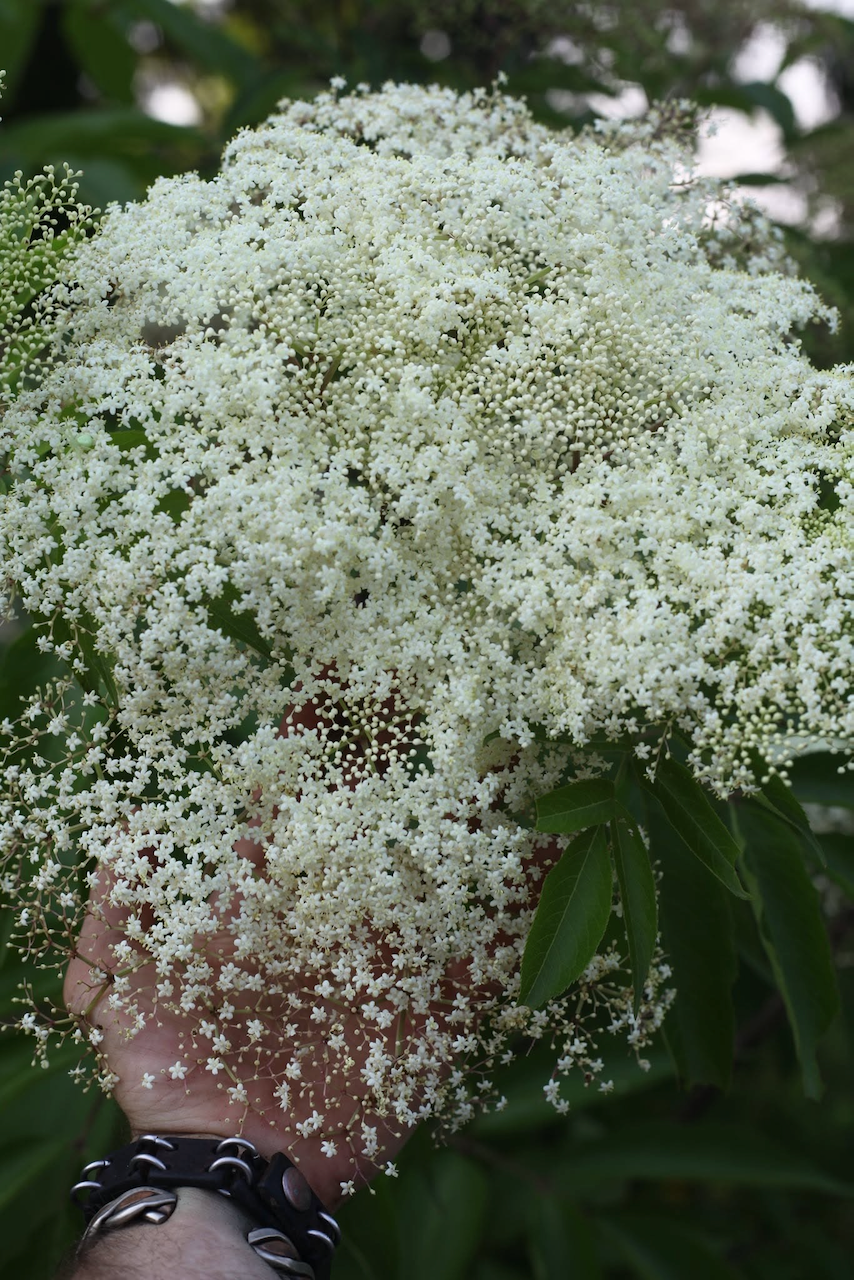
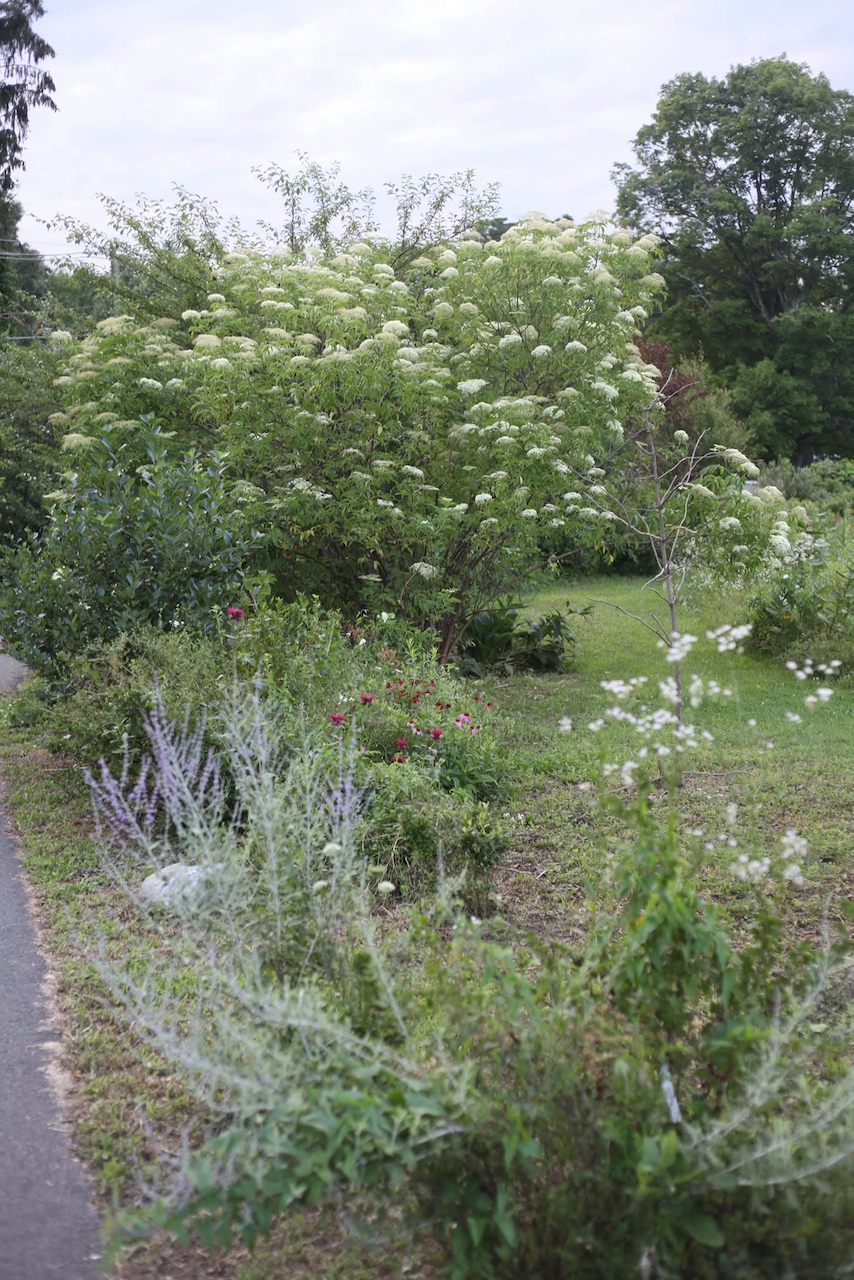
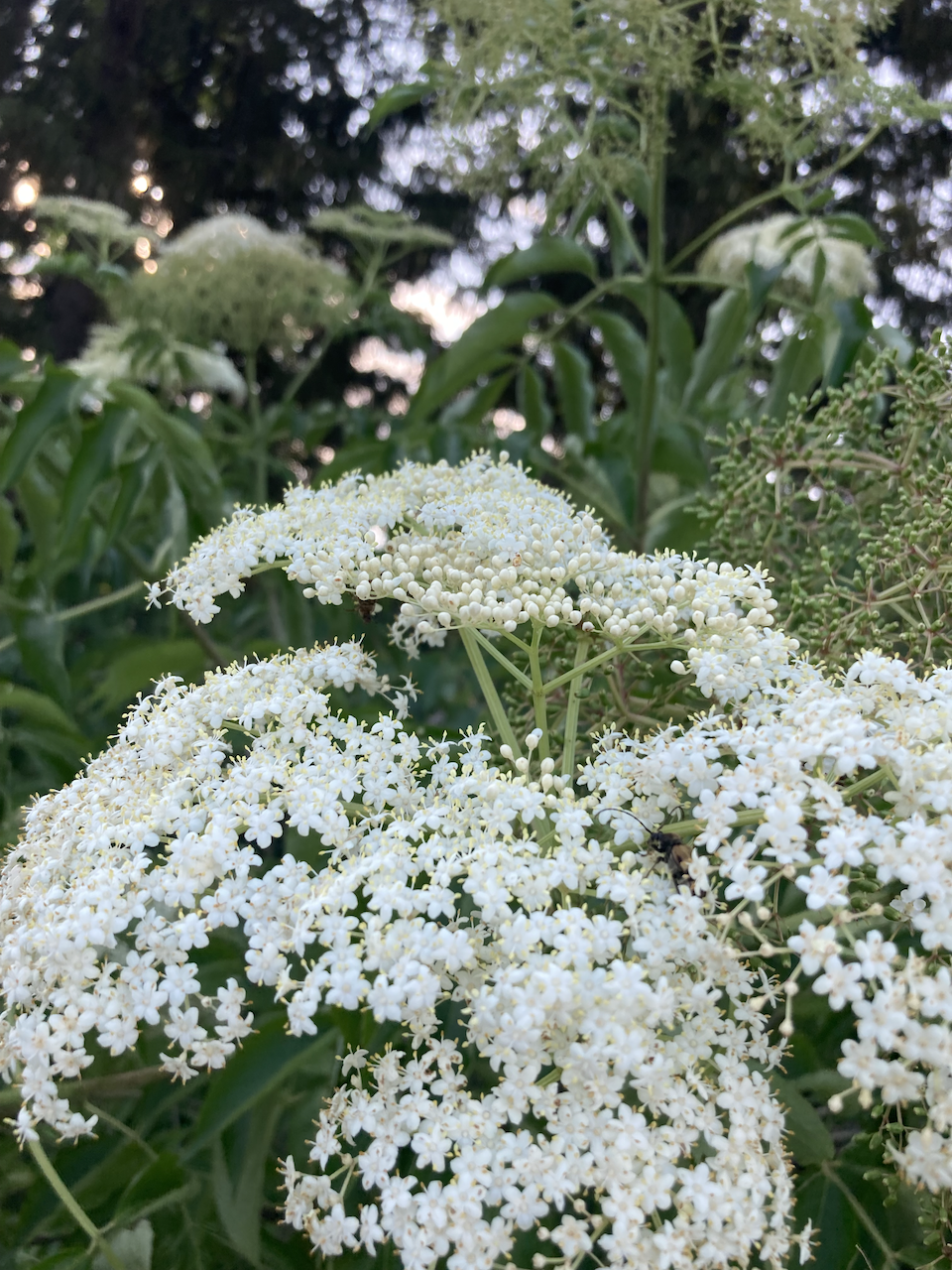
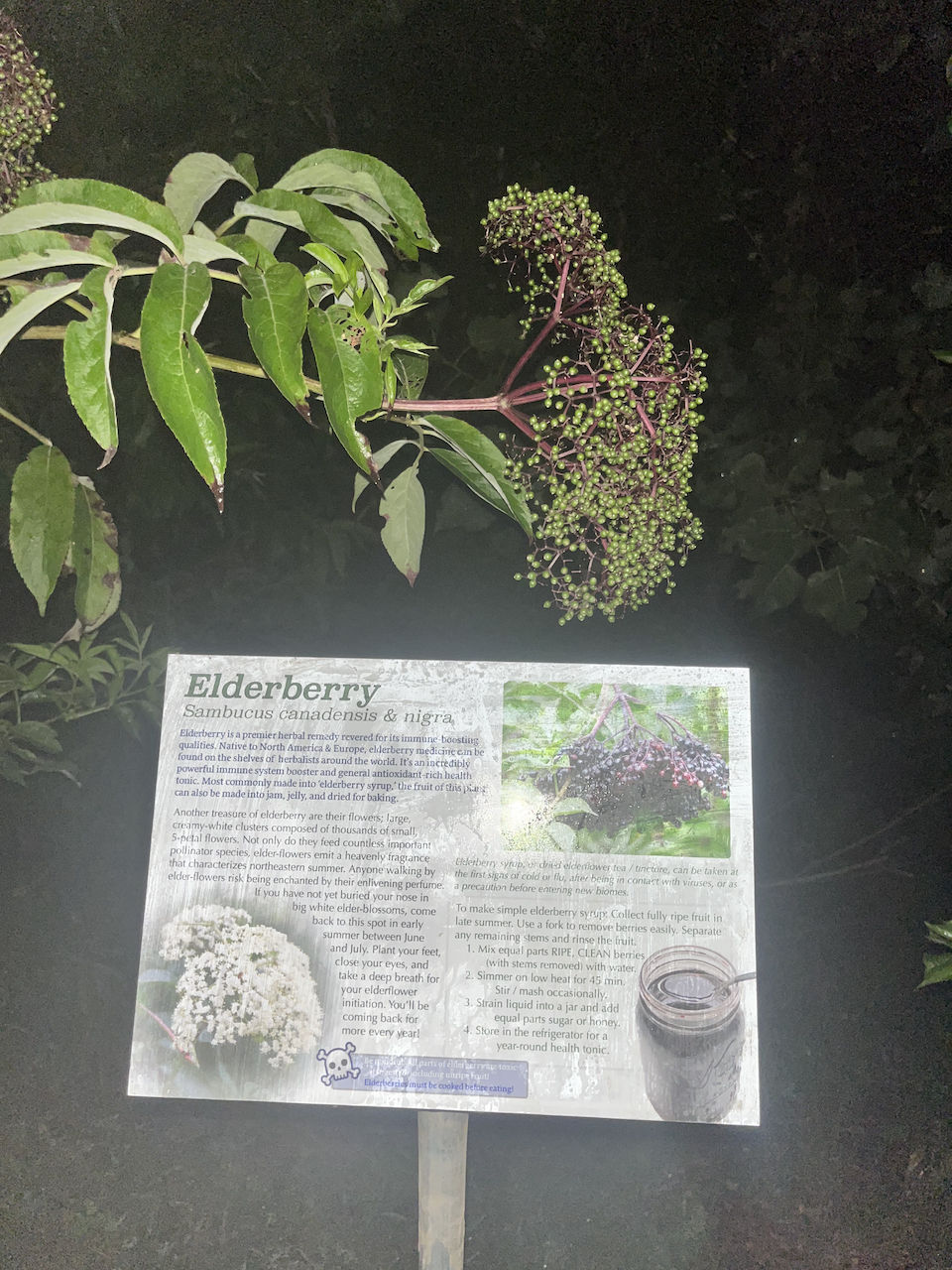
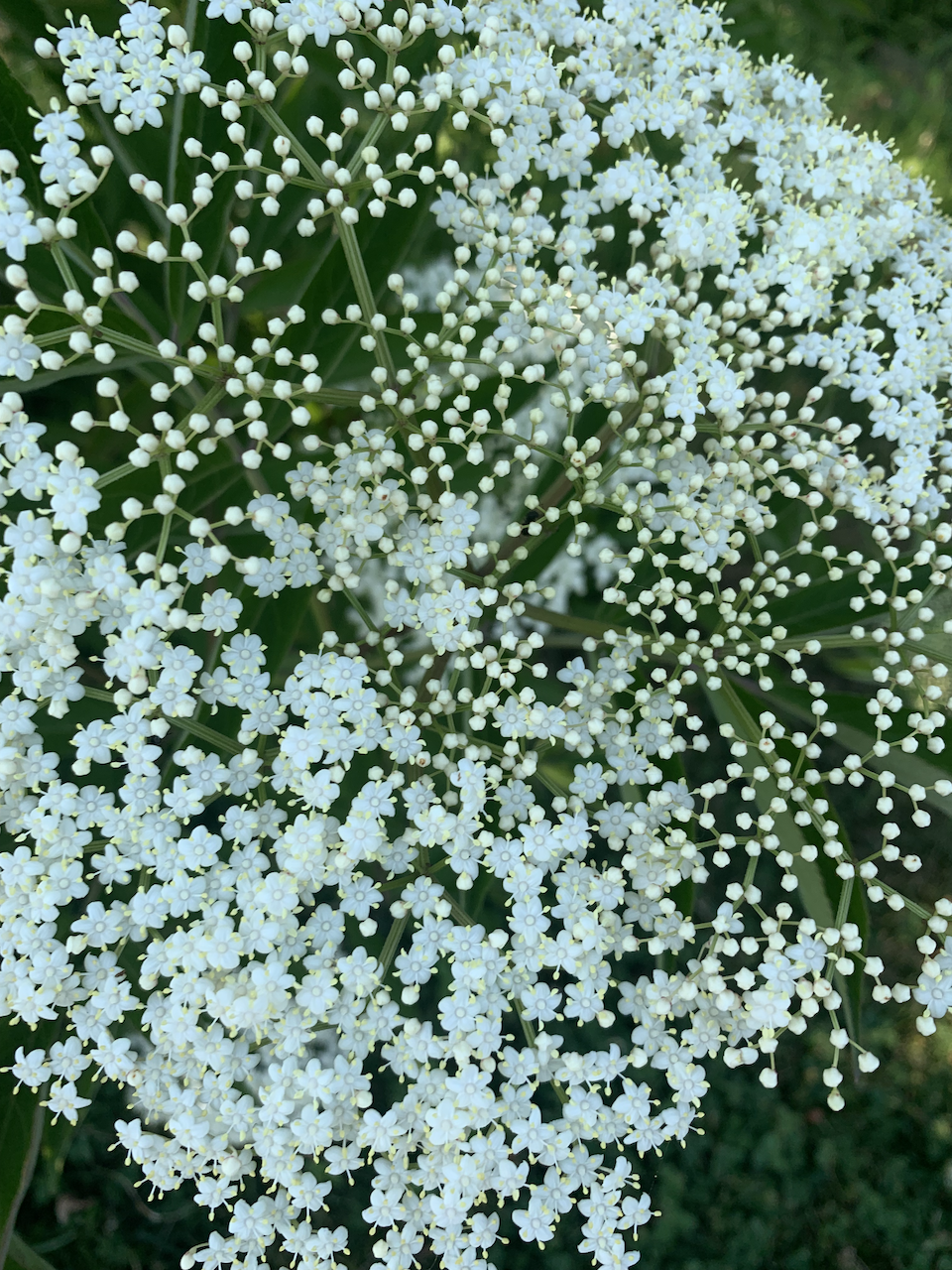
Elderberry blossoms (yummy!)
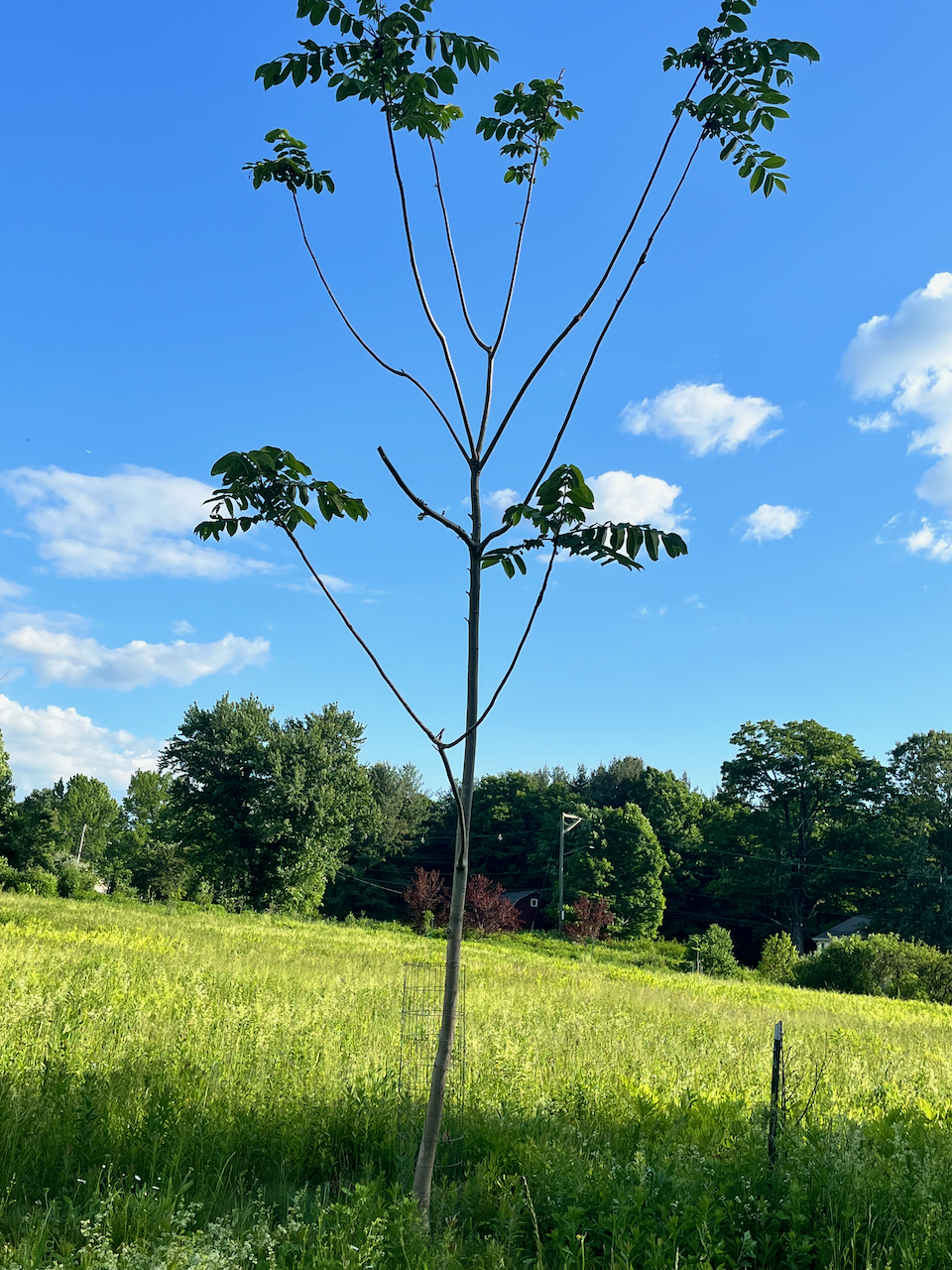
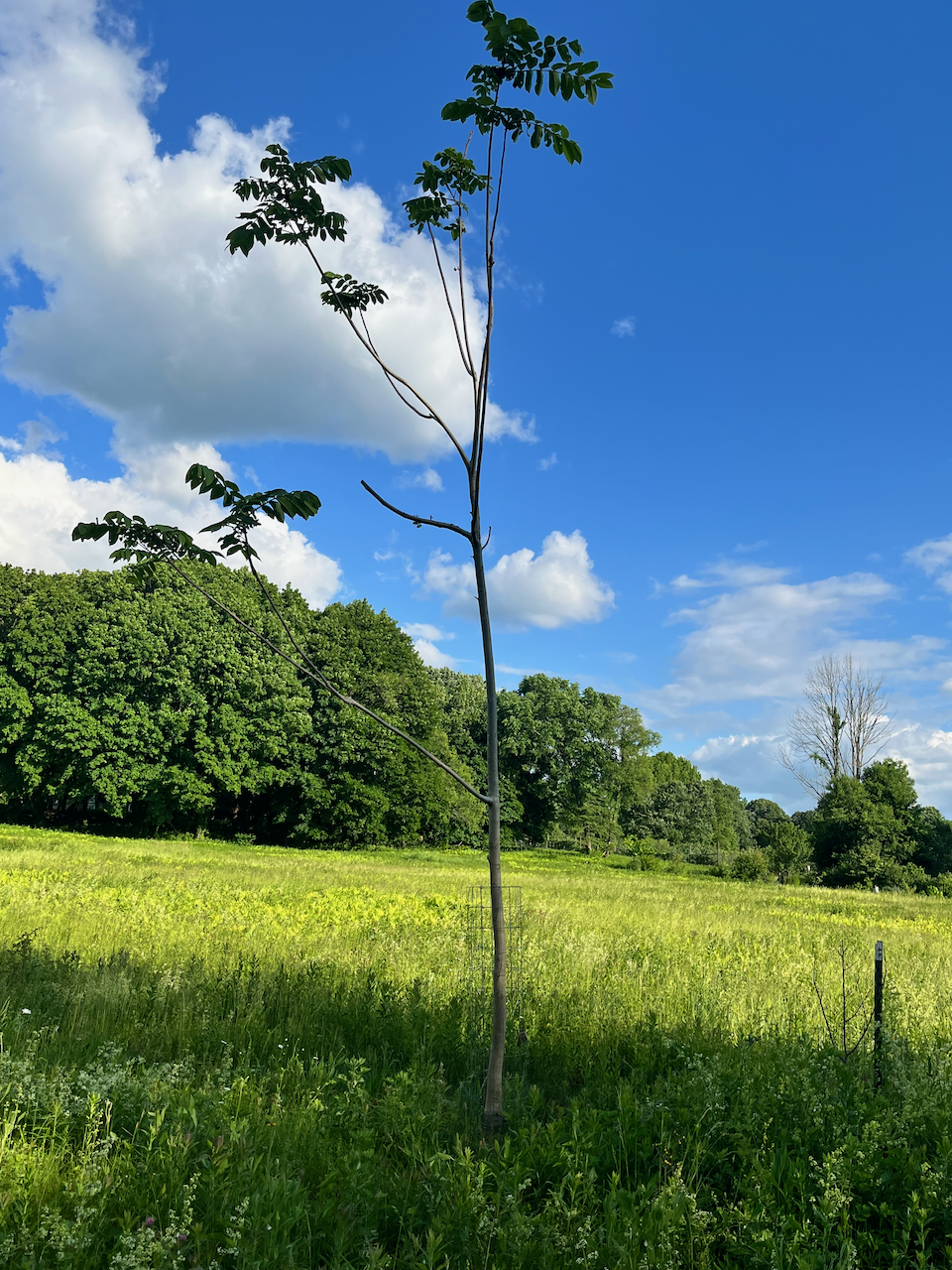
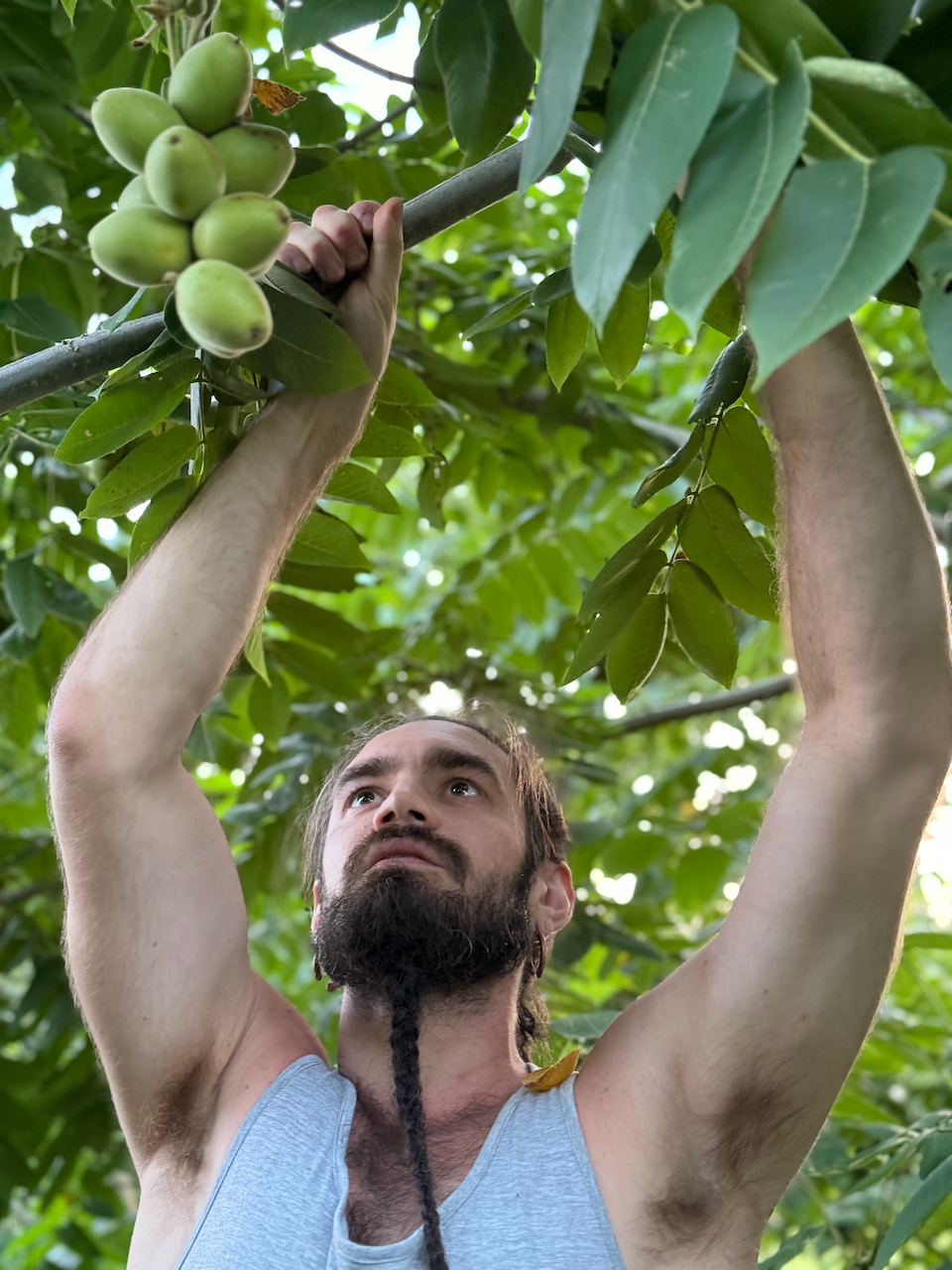
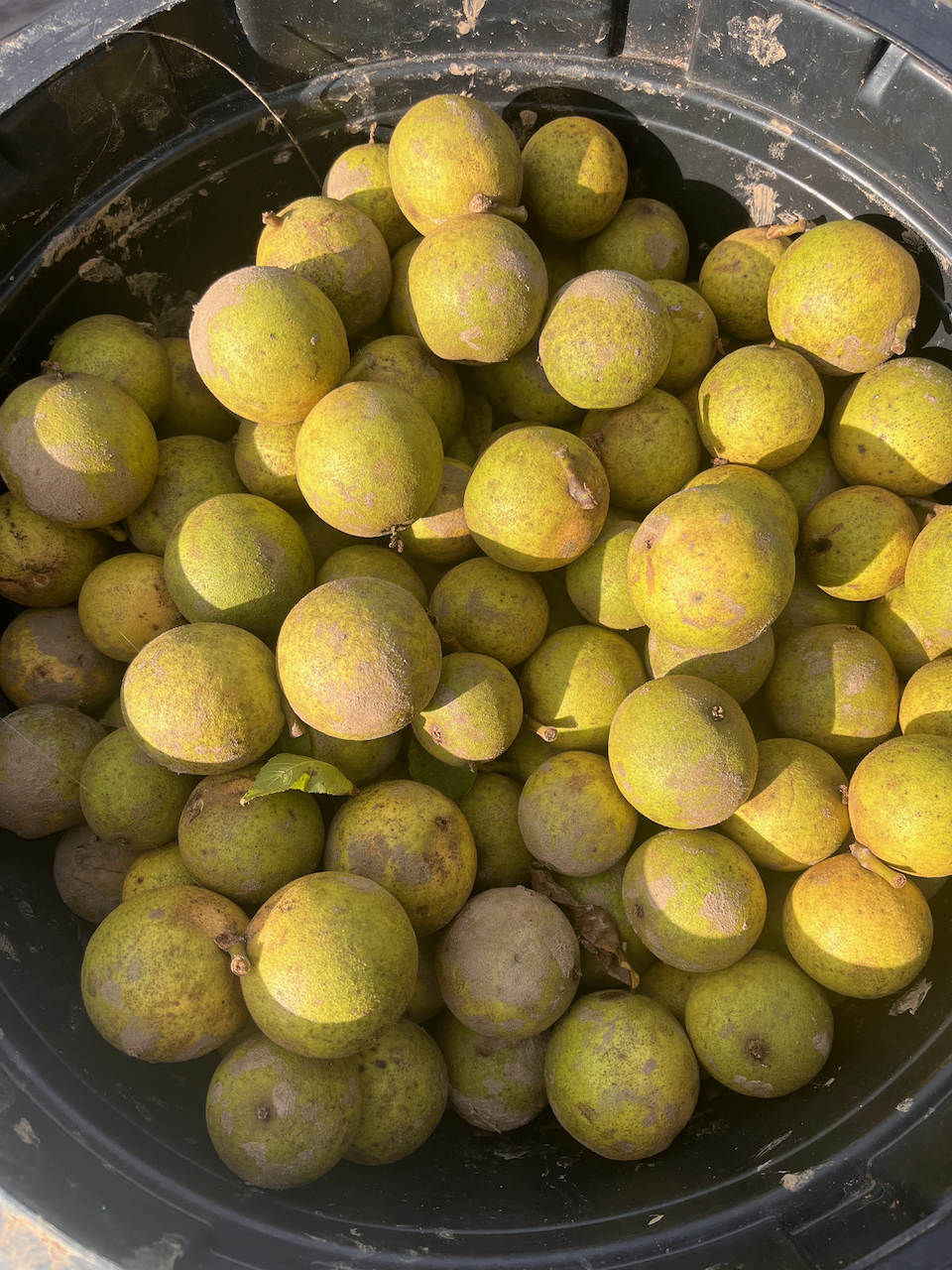
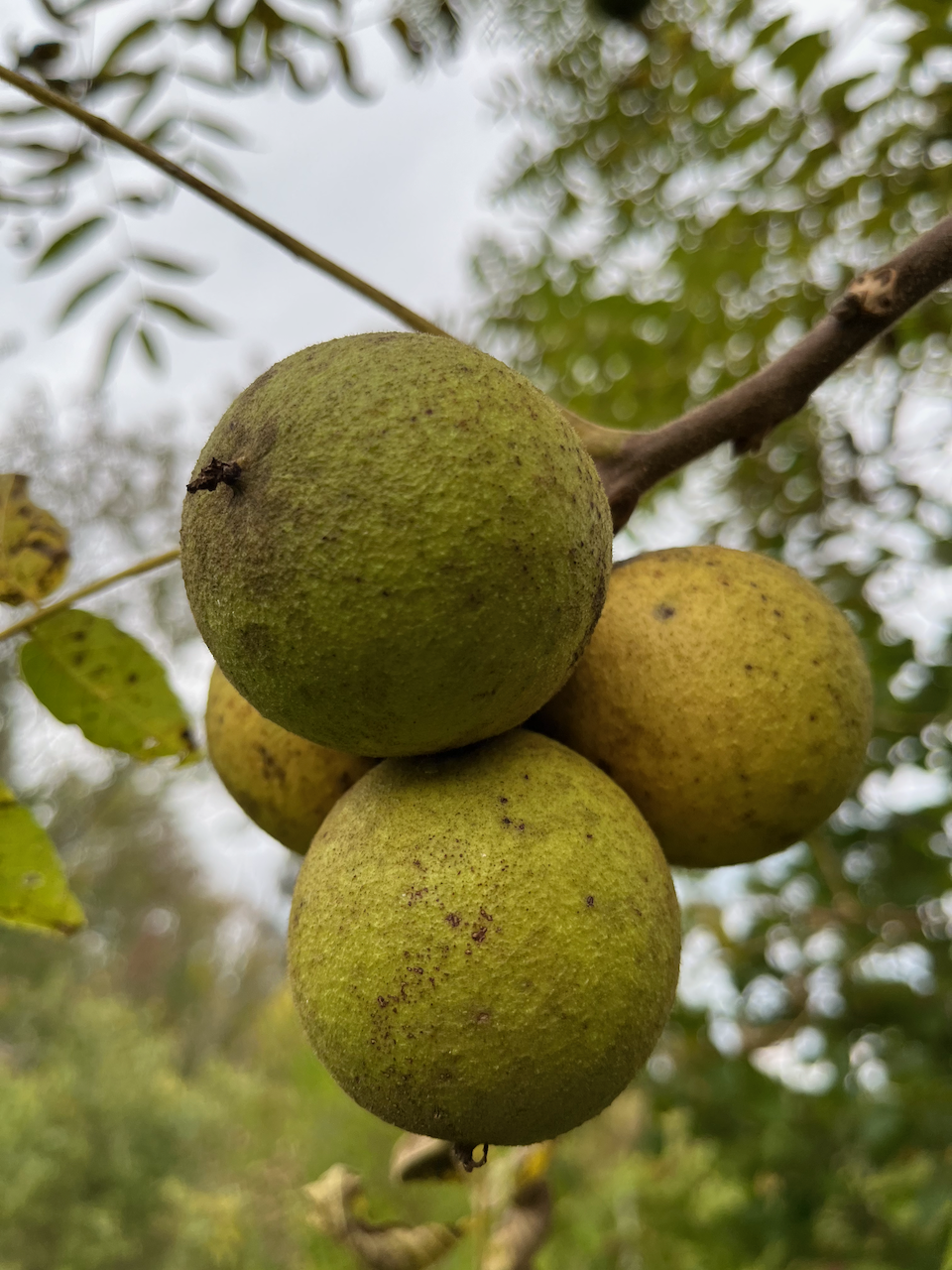
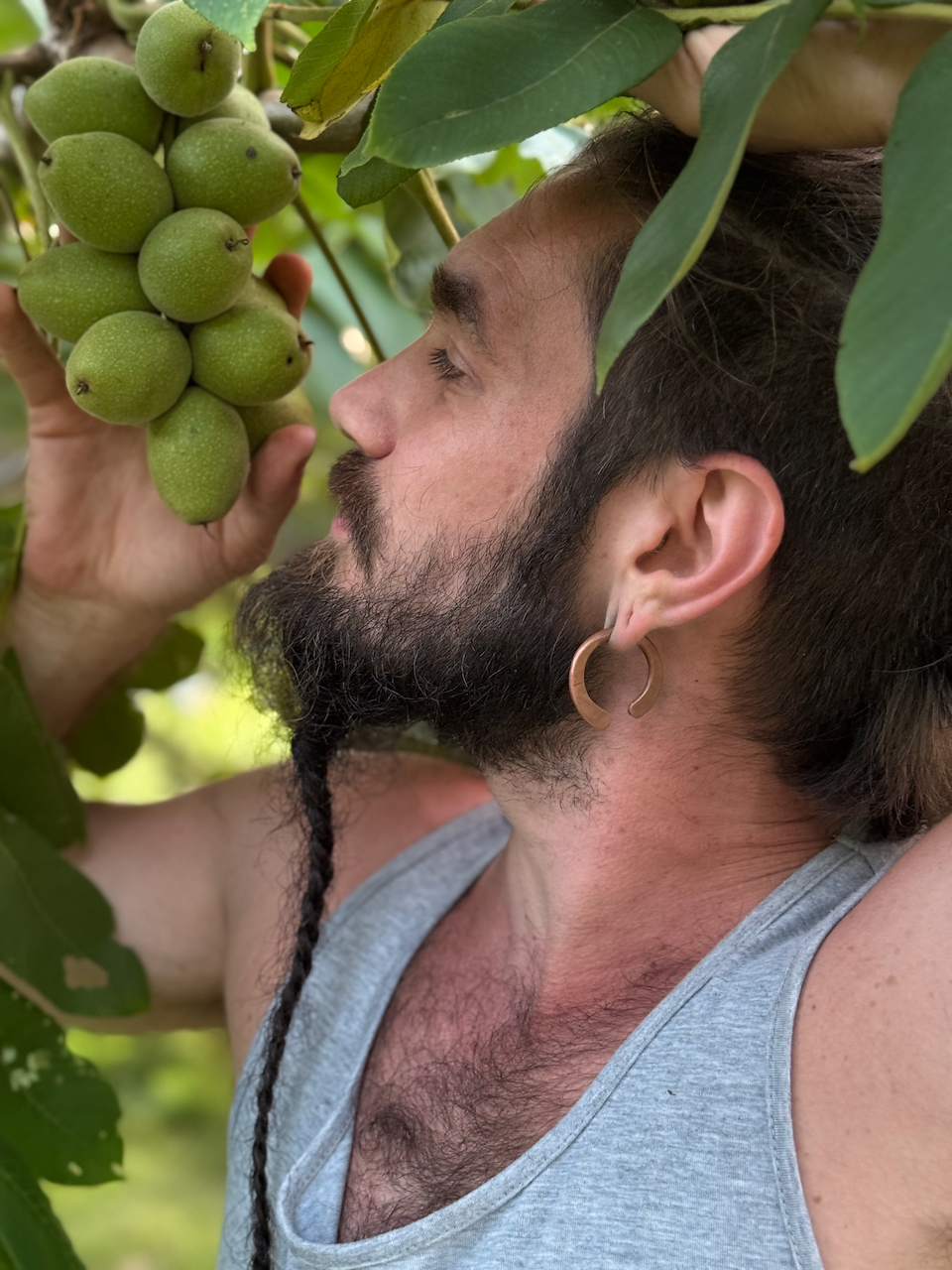
Black walnut on tree
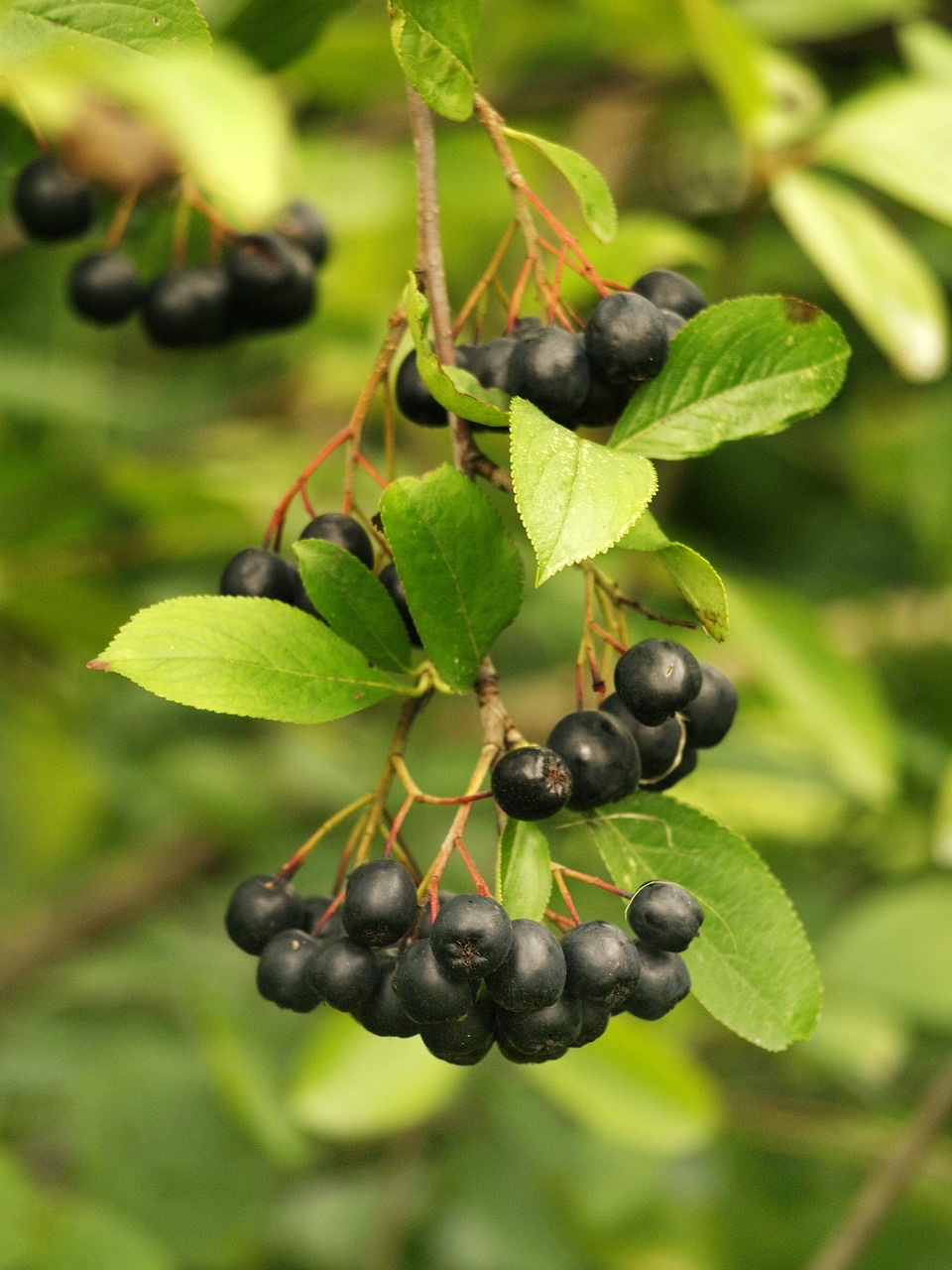
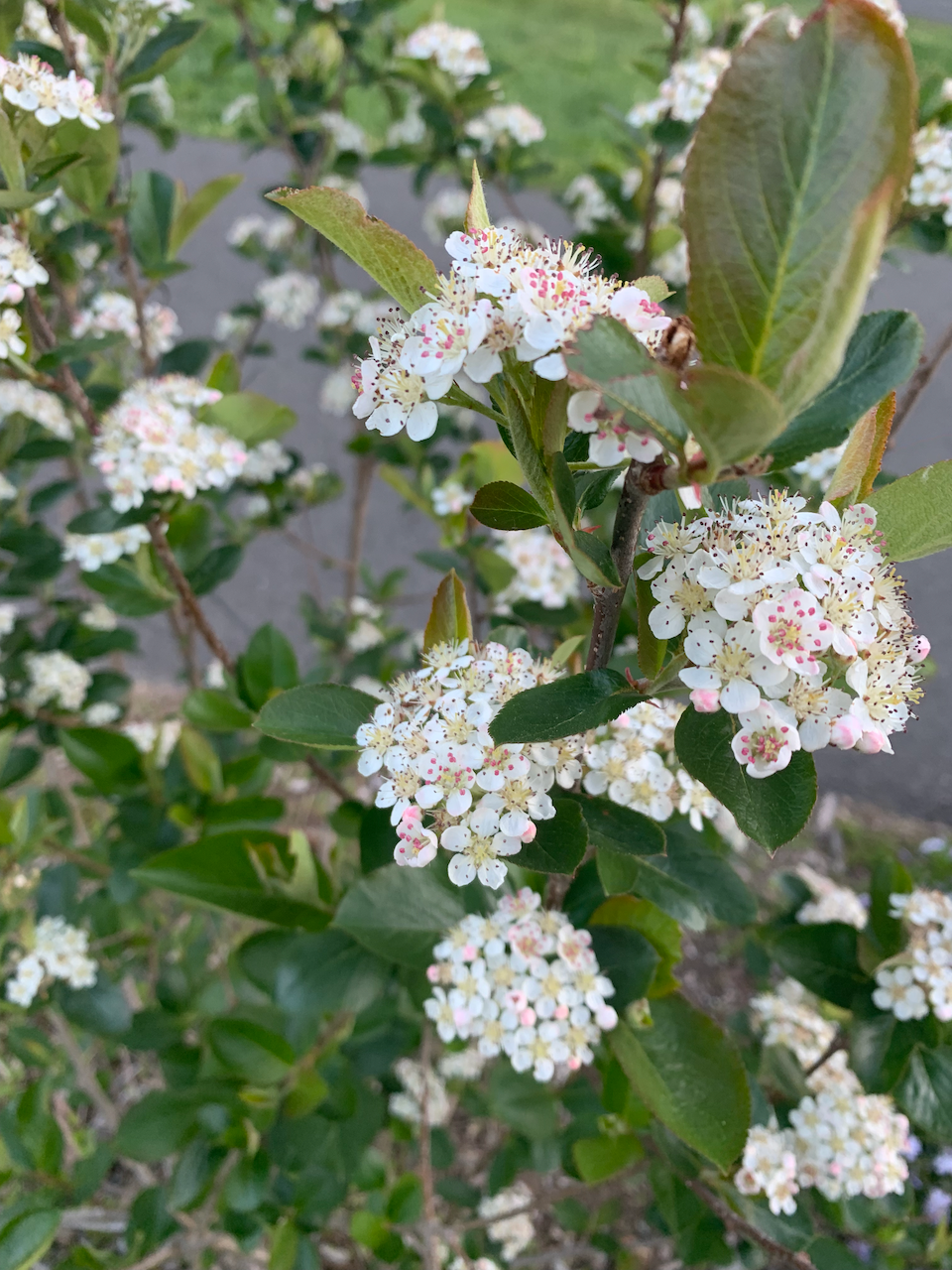
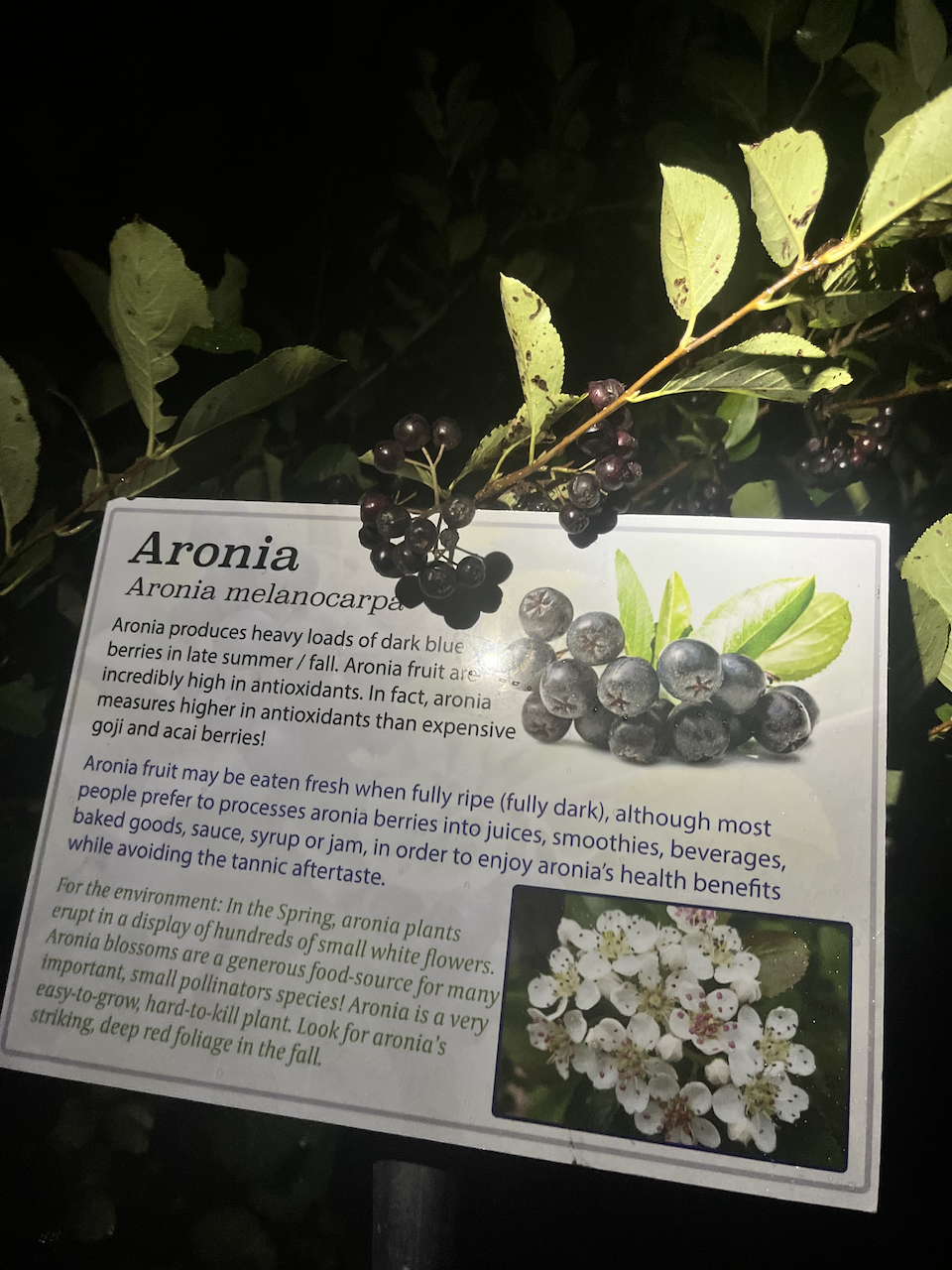
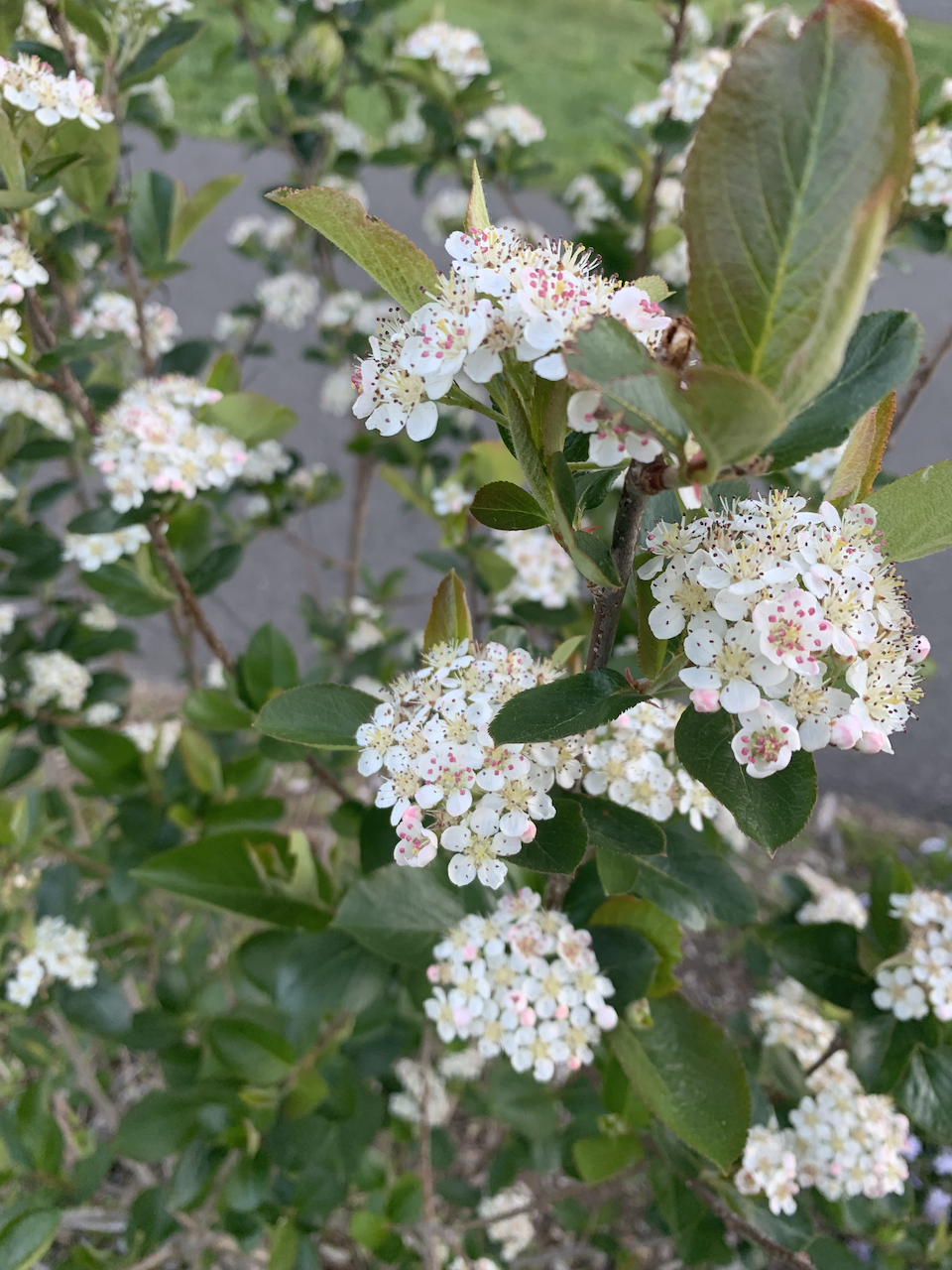
Aronia
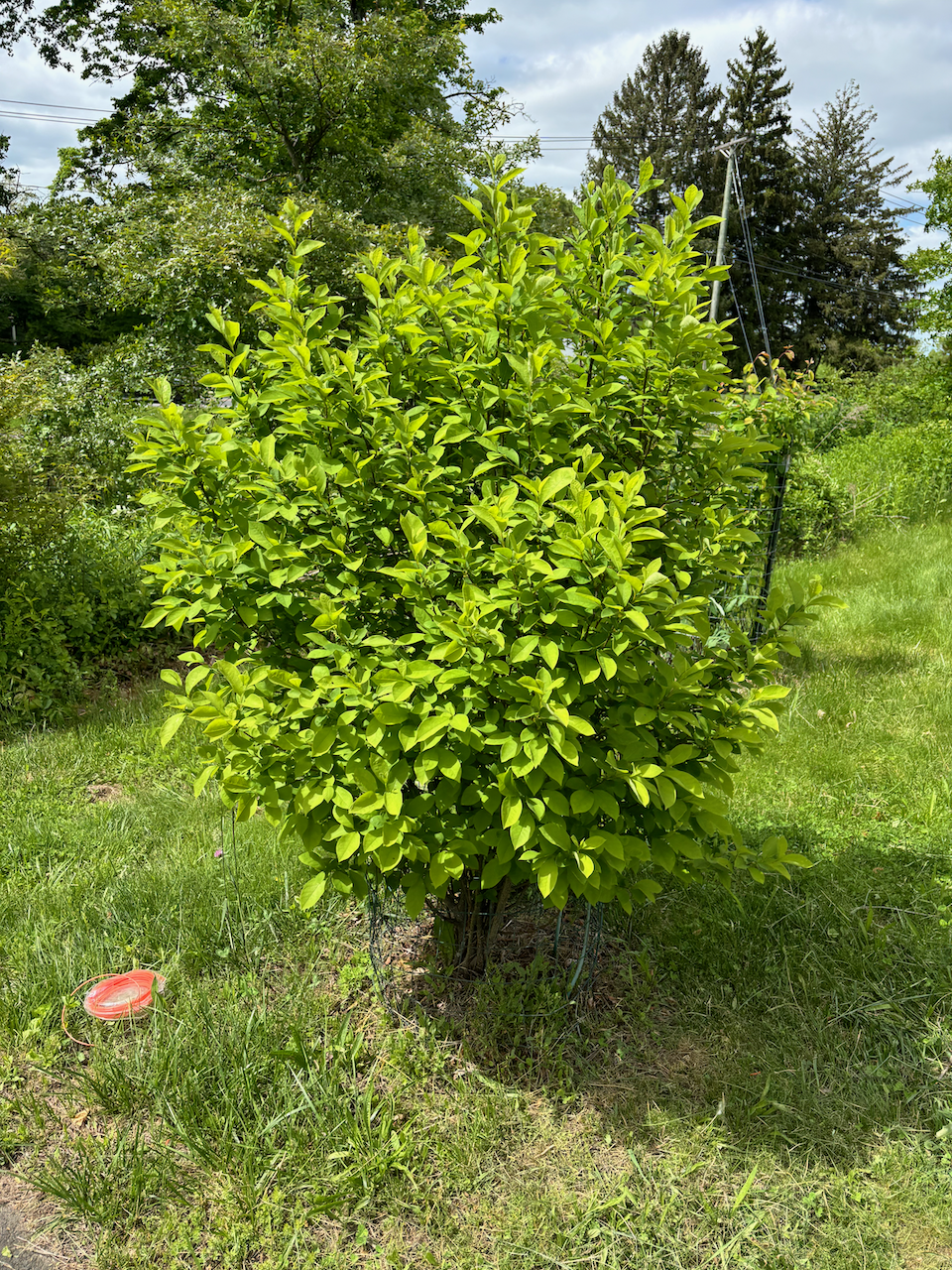
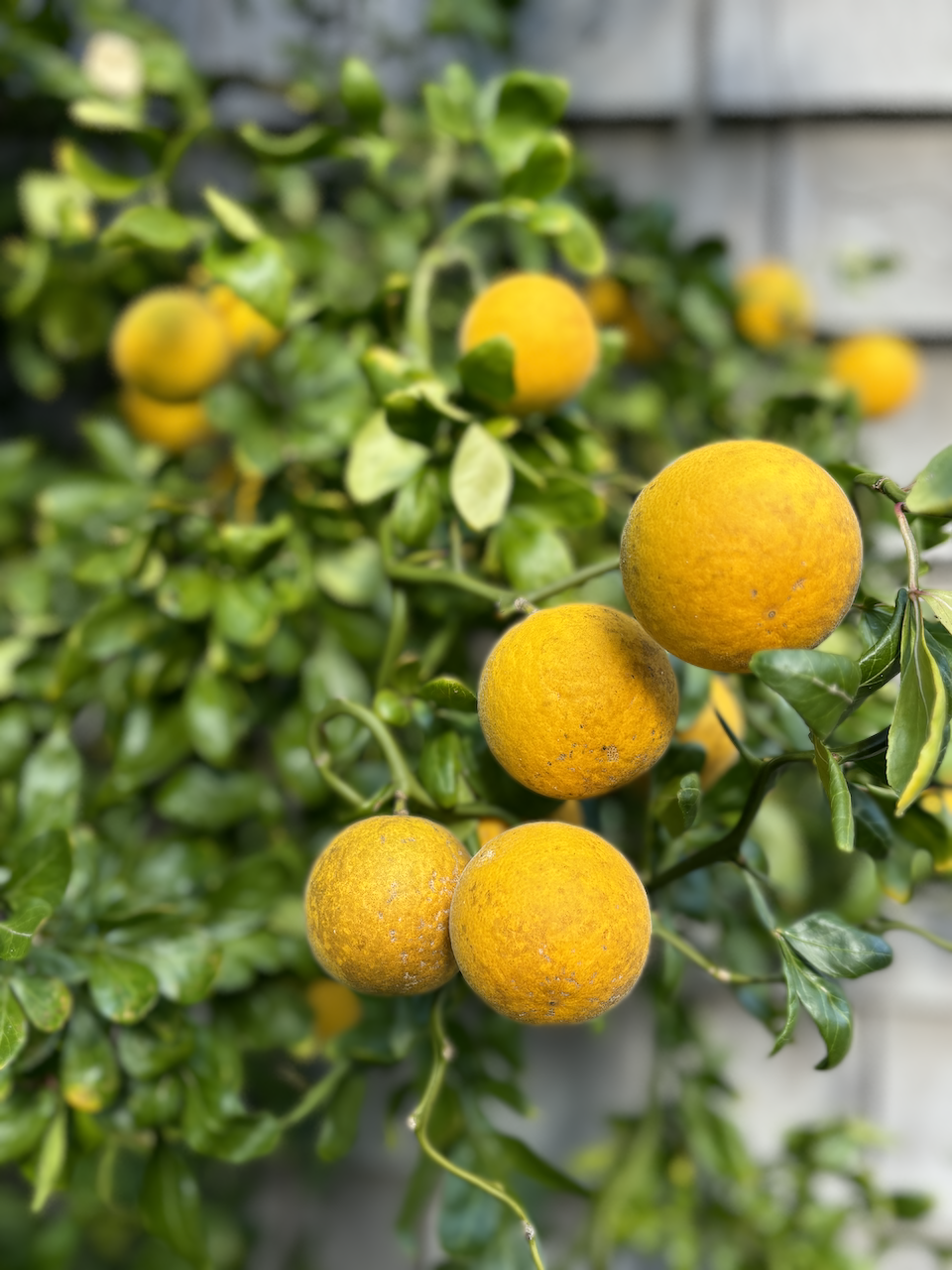
Hardy Citrus, Trifoliate orange
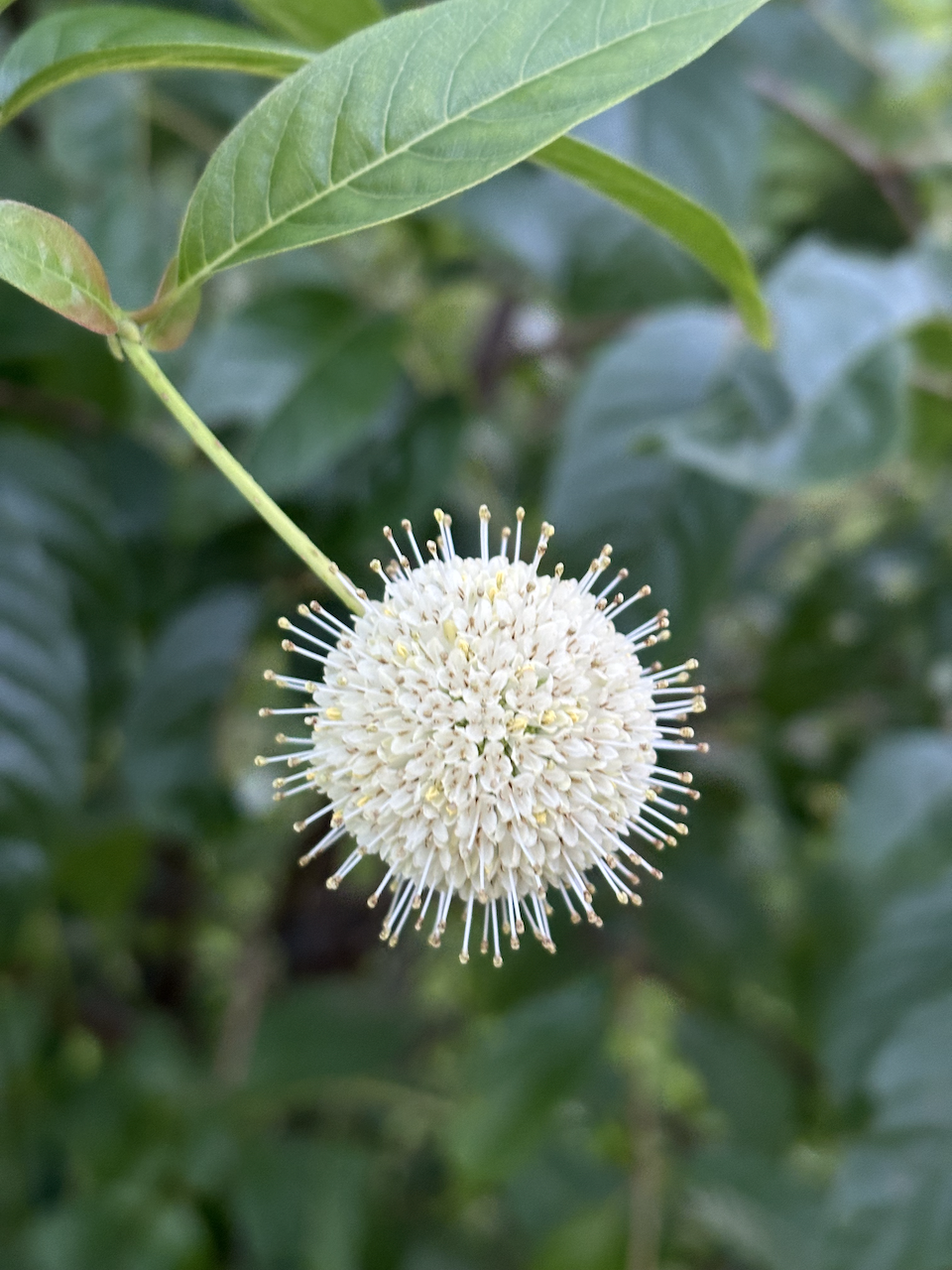
Buttonbush flower
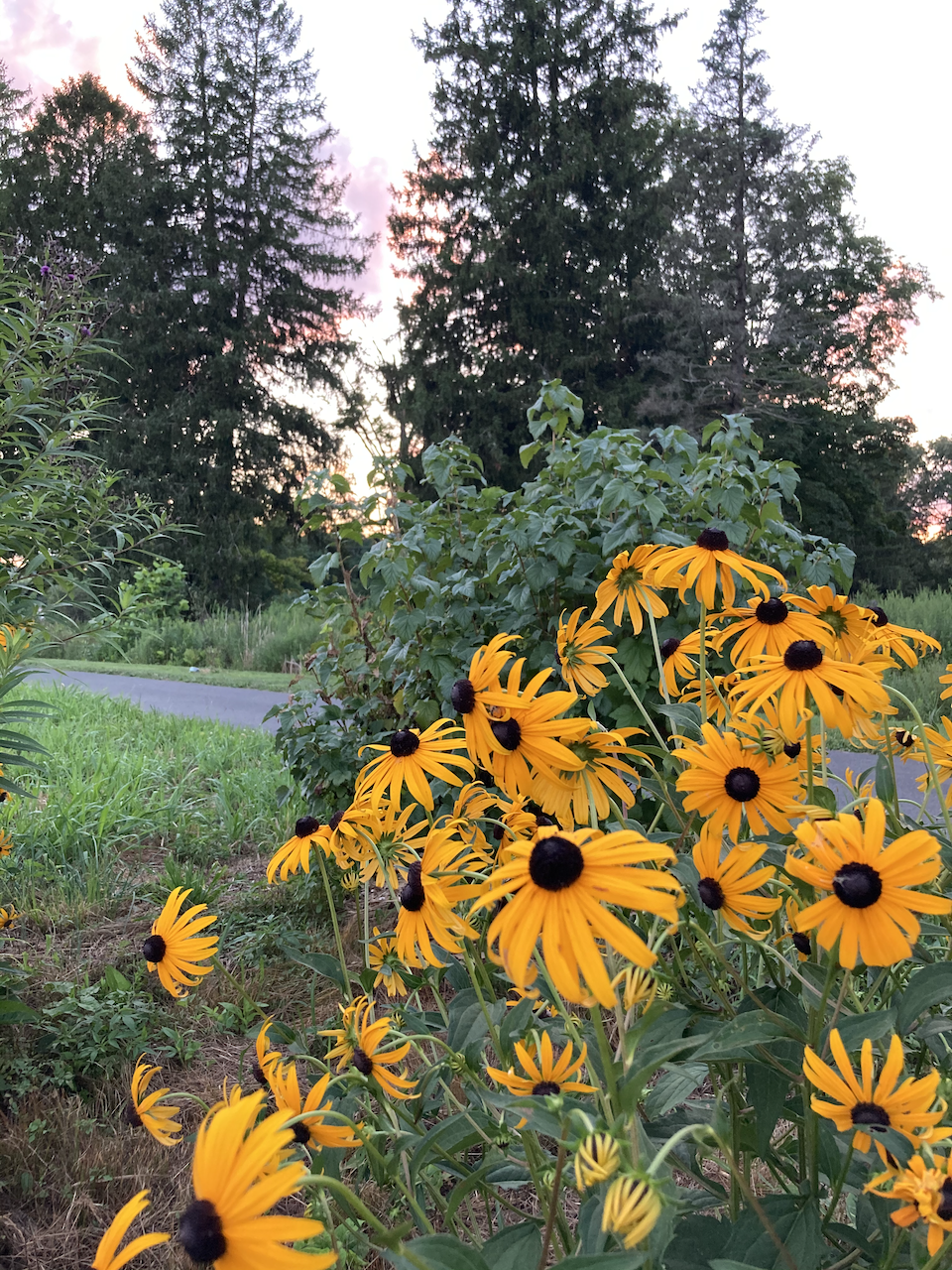
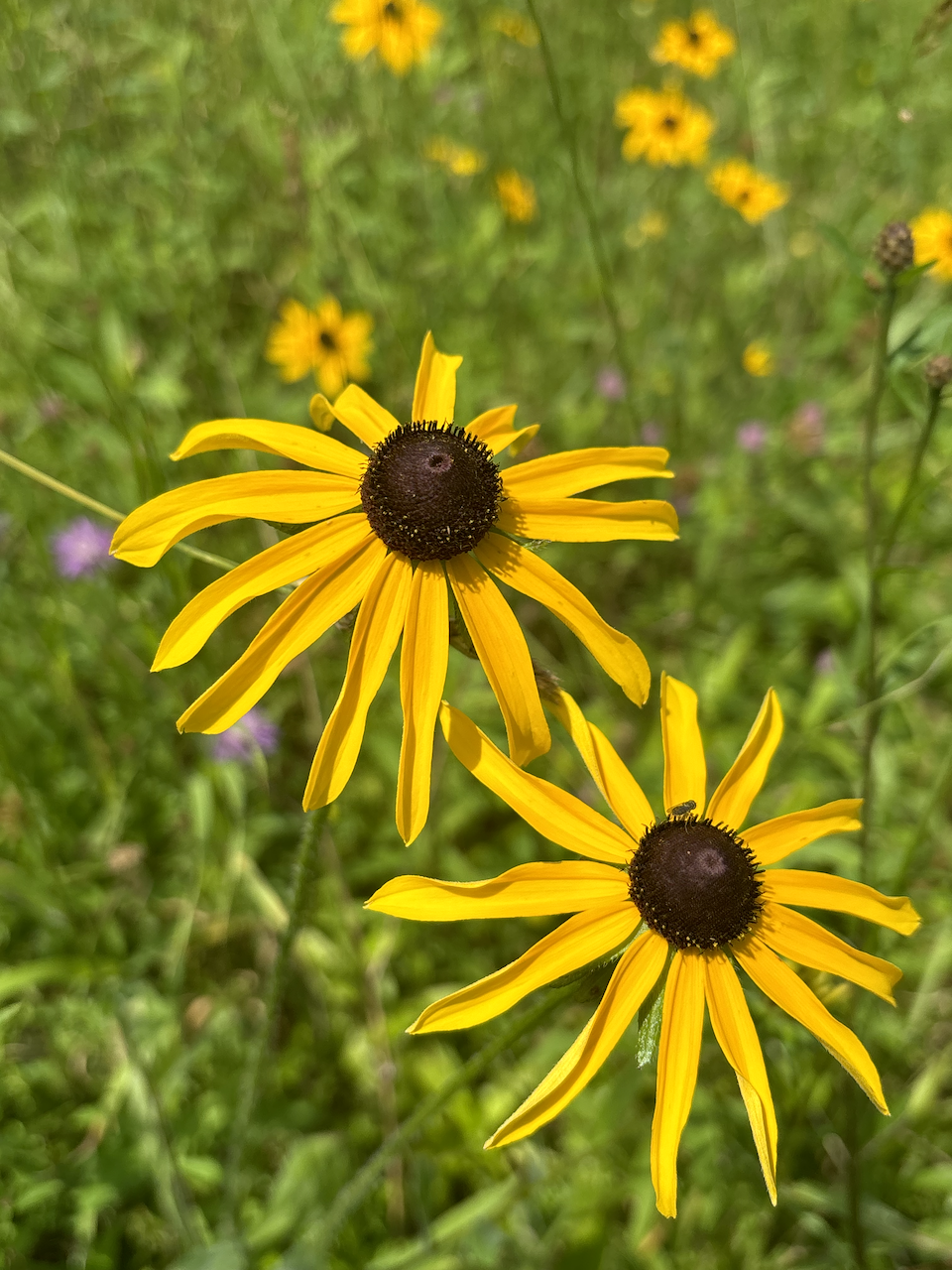
Black Eyed Susan
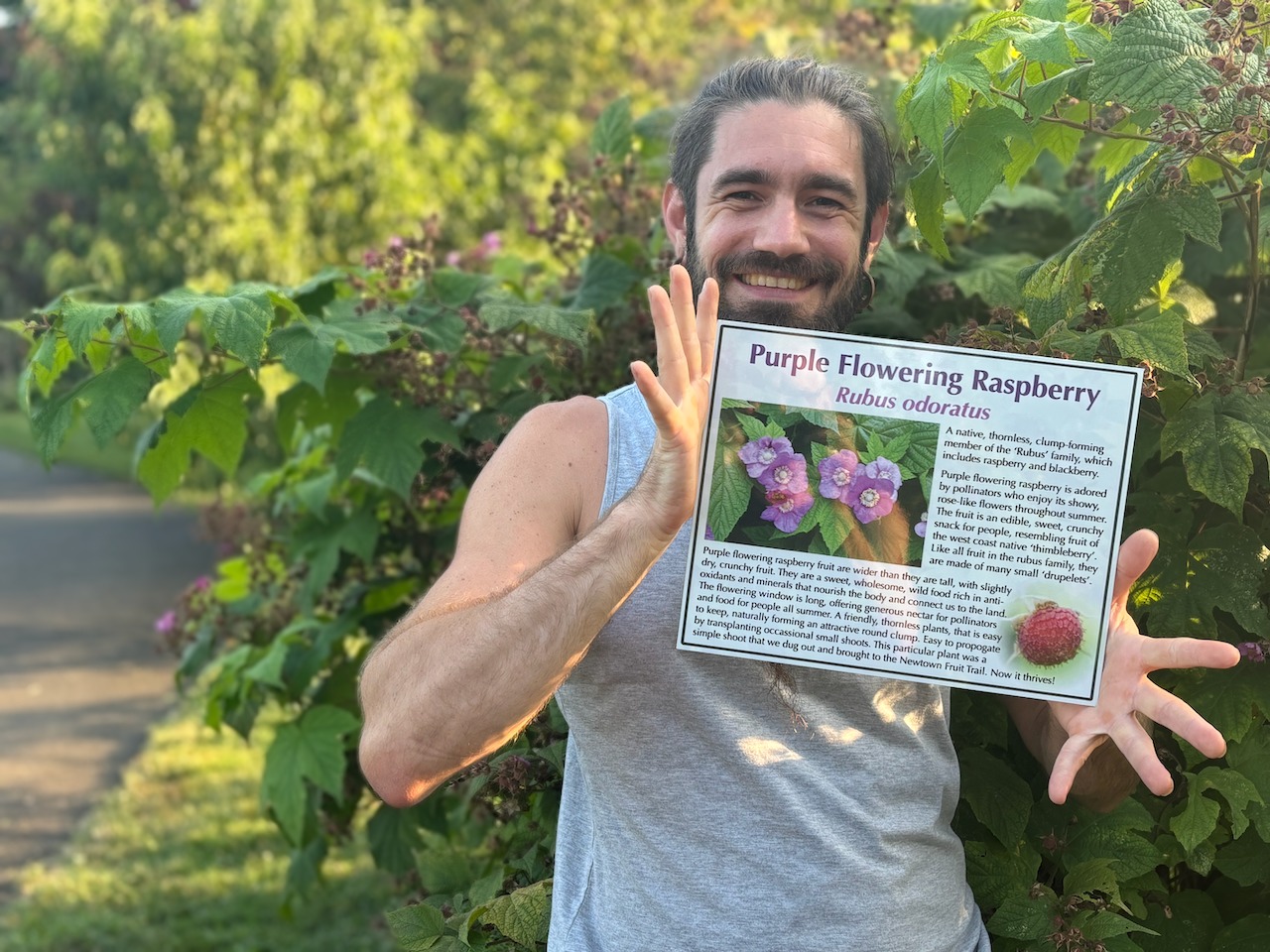
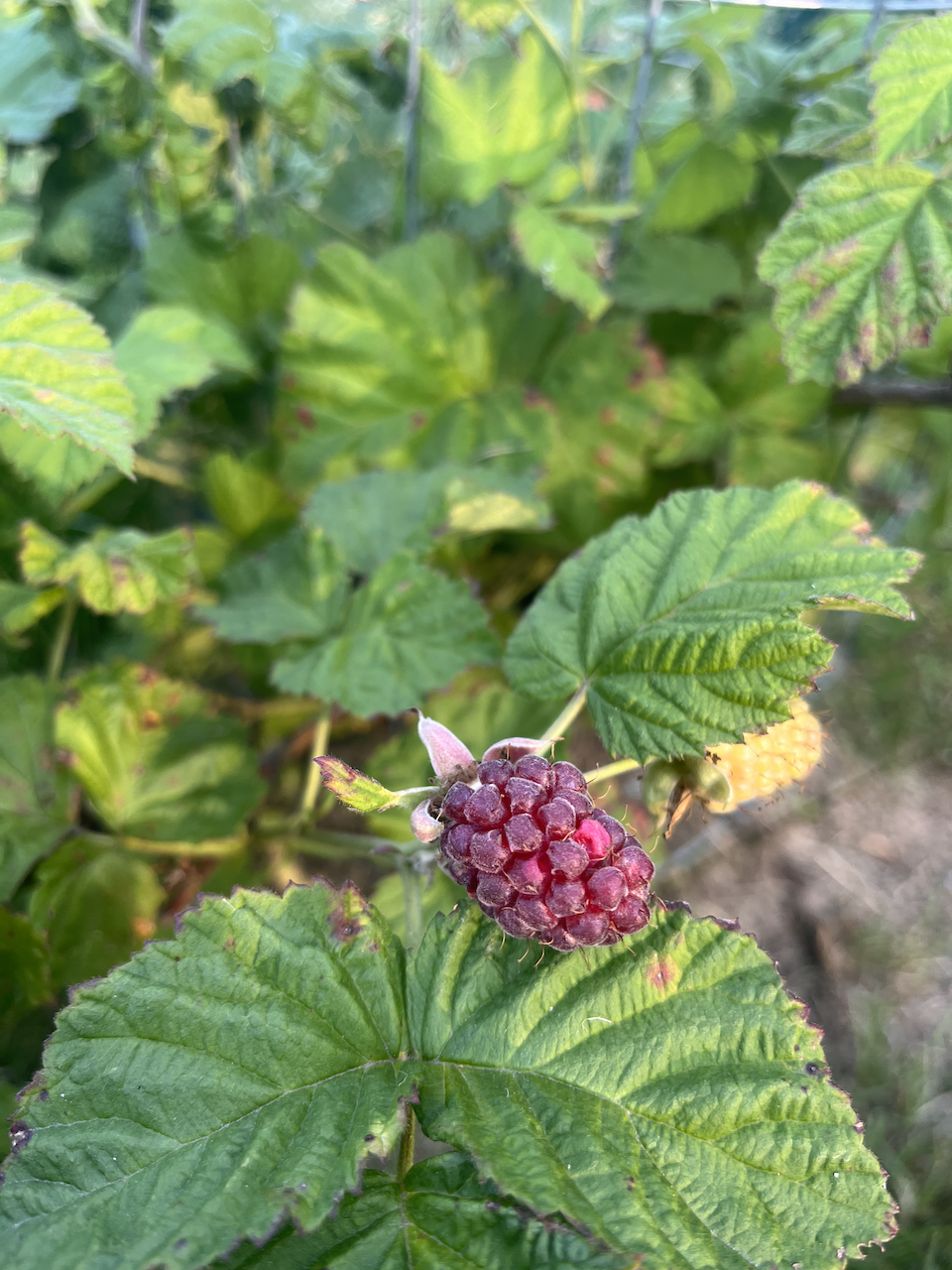
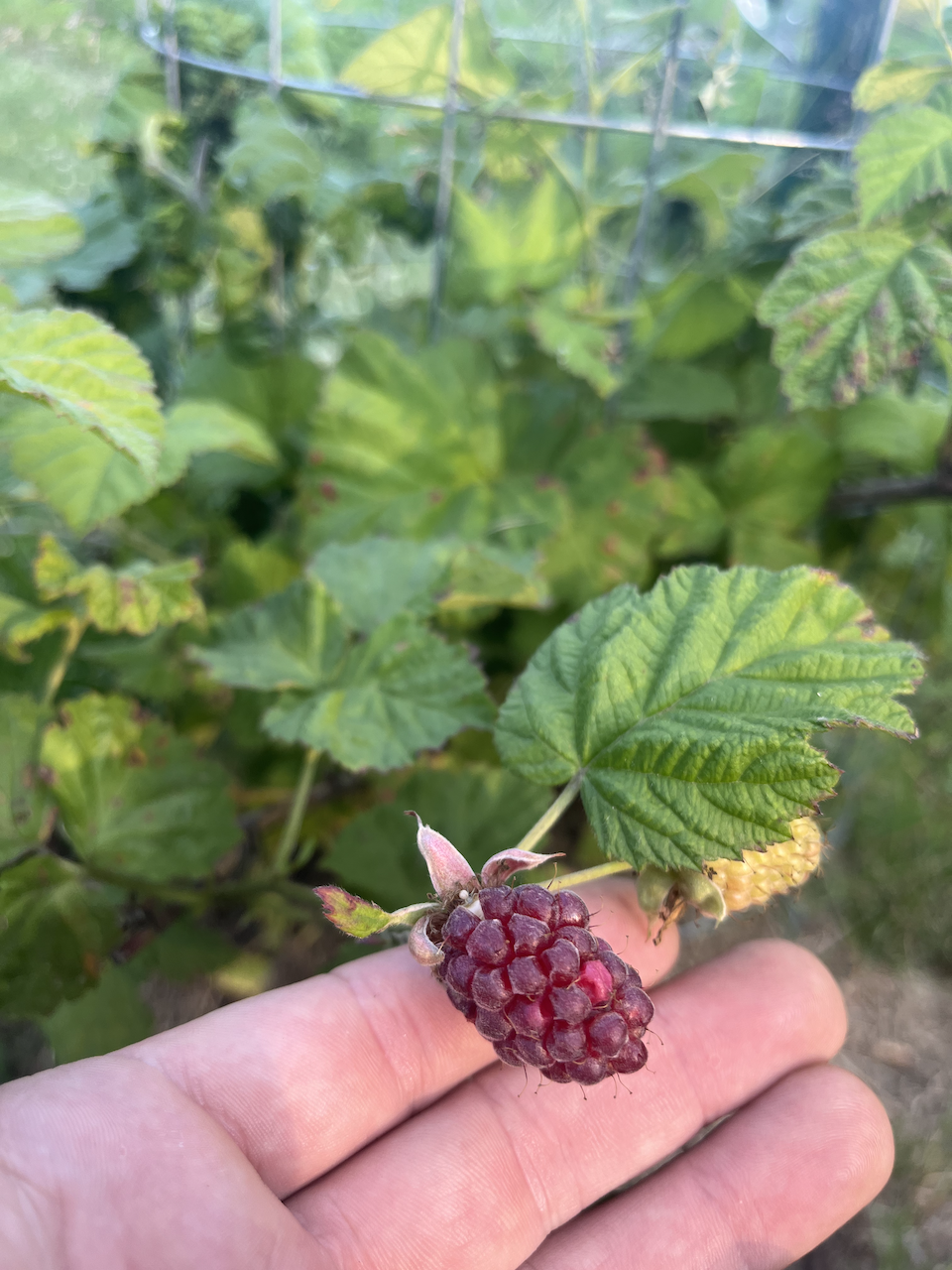
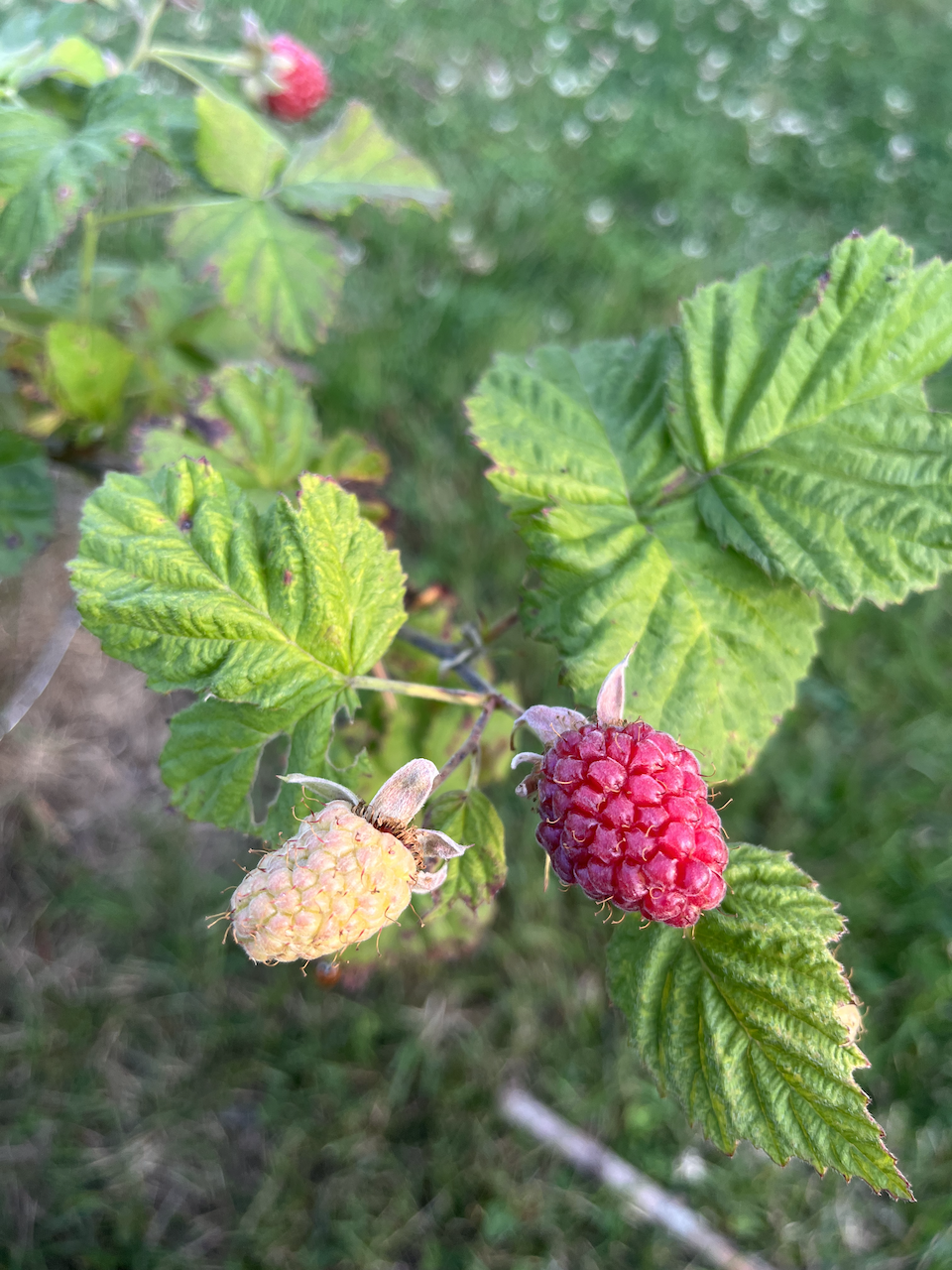
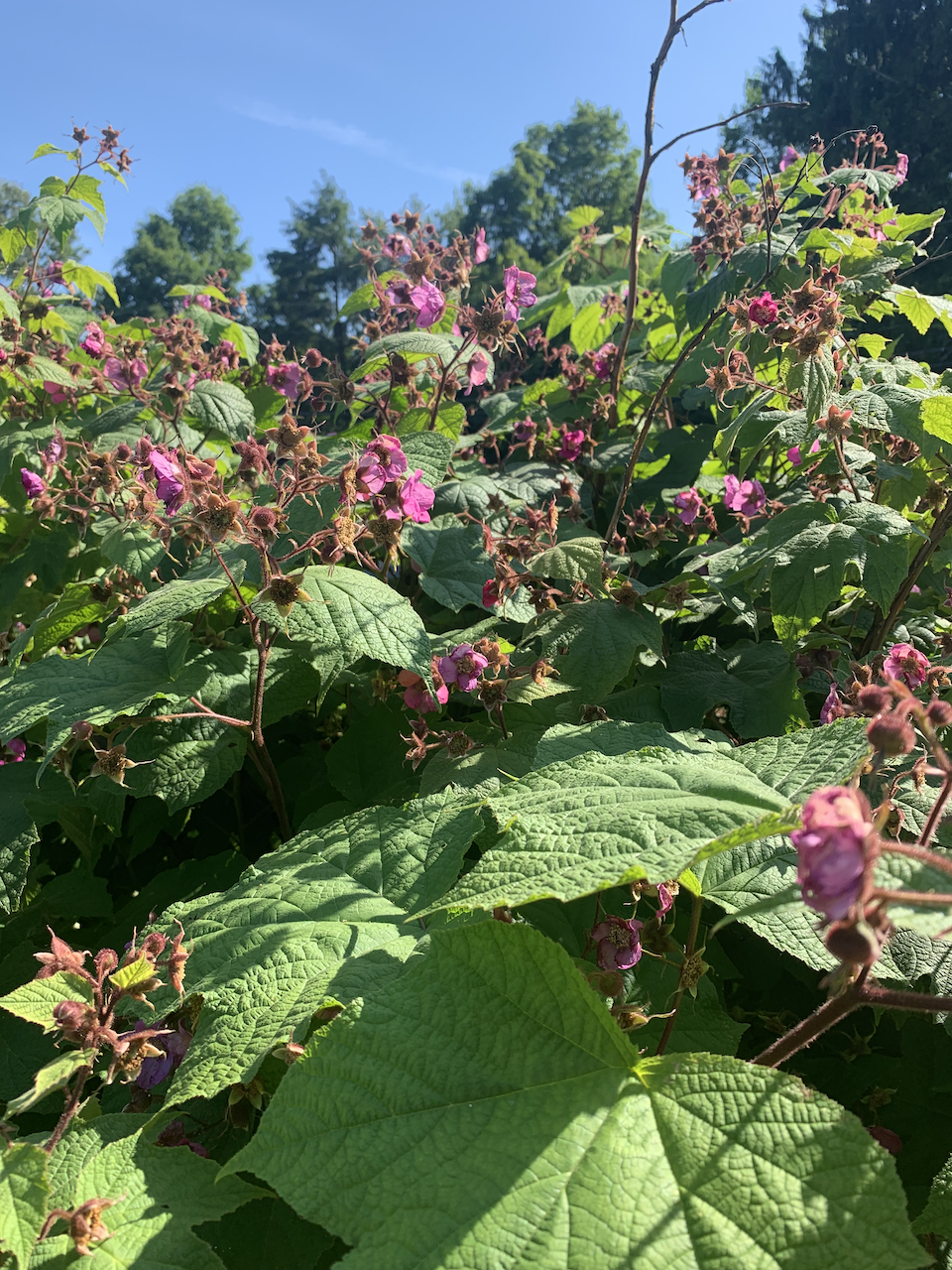
Purple Flowering Raspberry
Purple Peach foliage
Thornless Raspberry
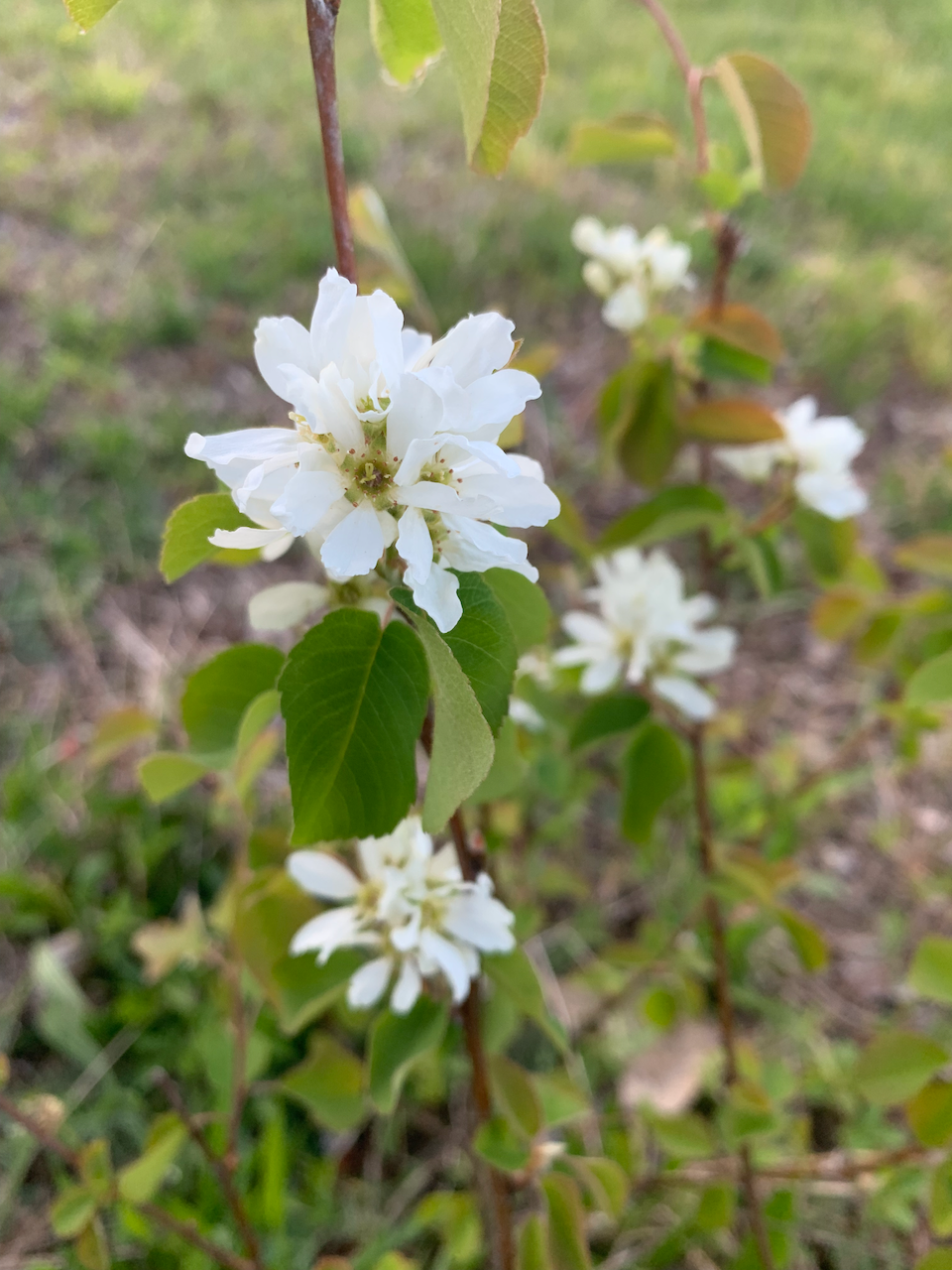
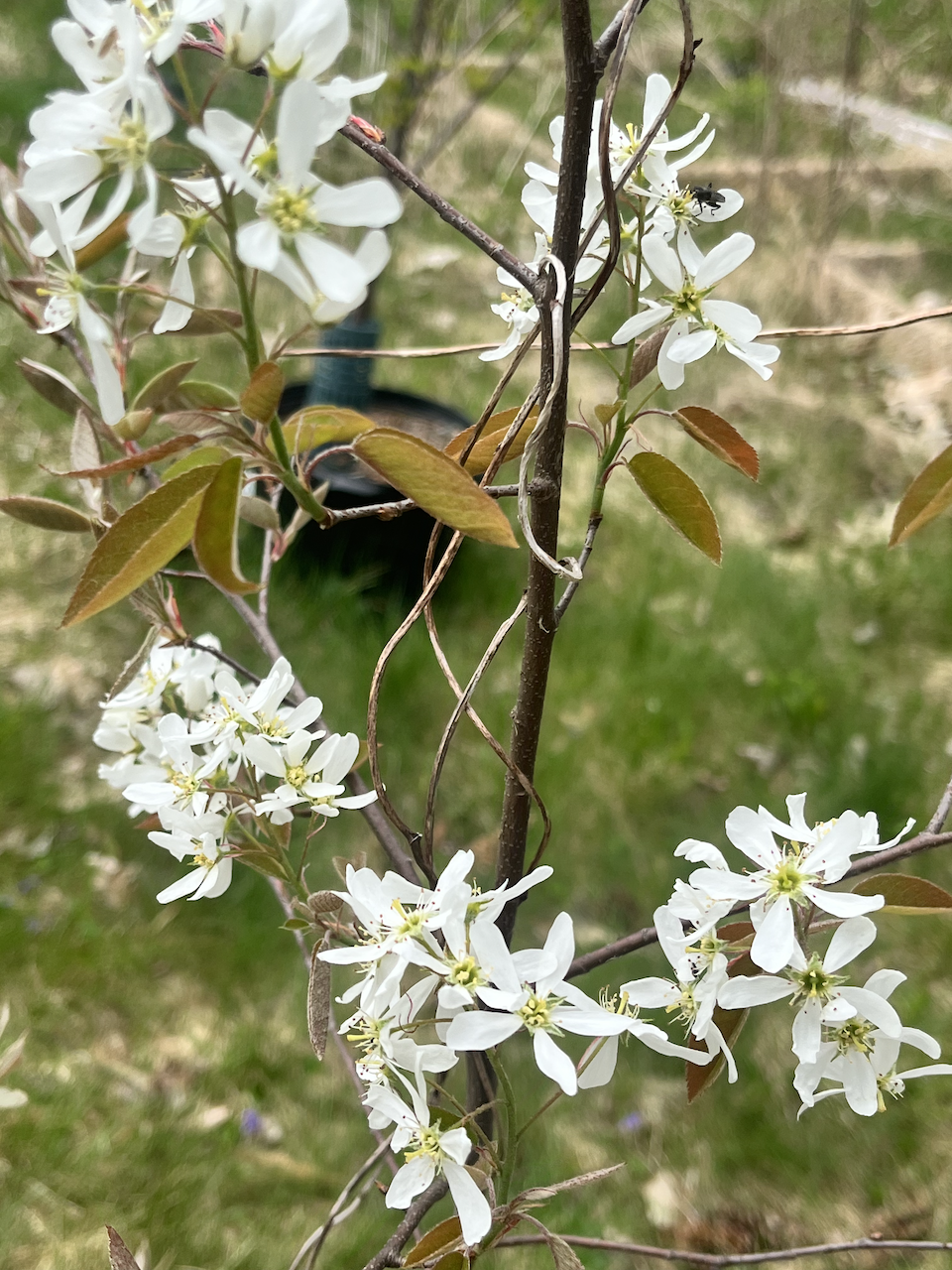
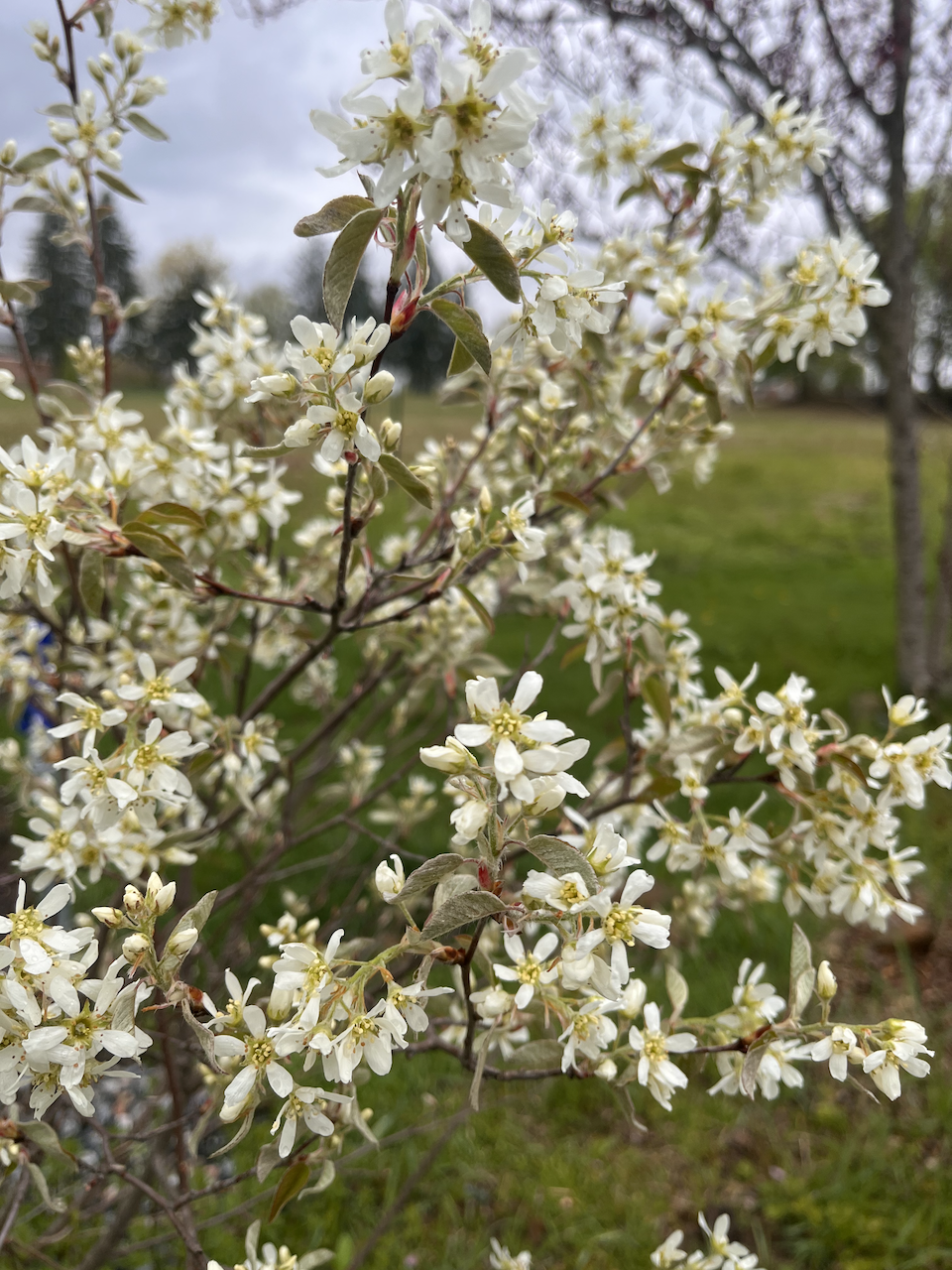
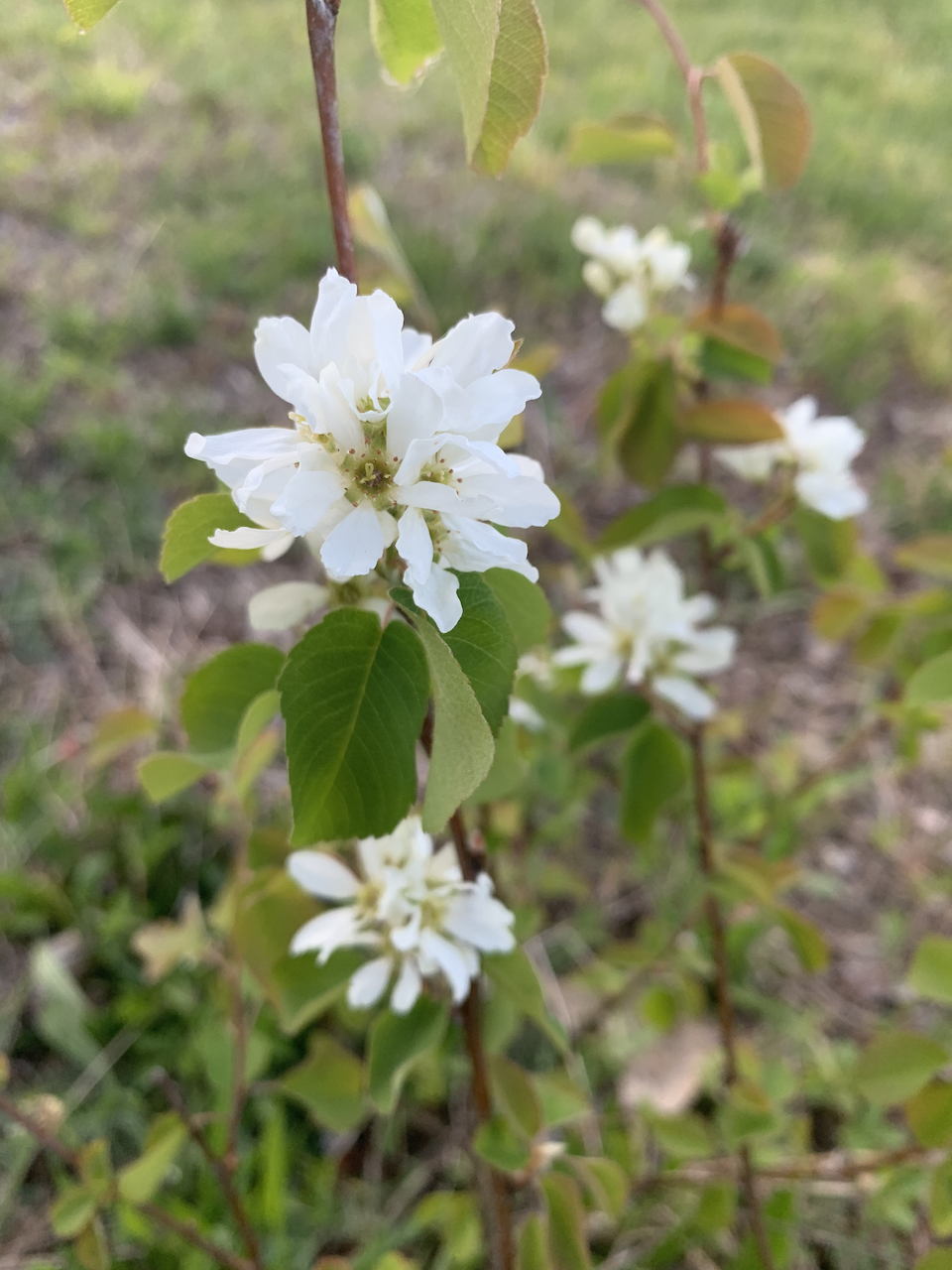
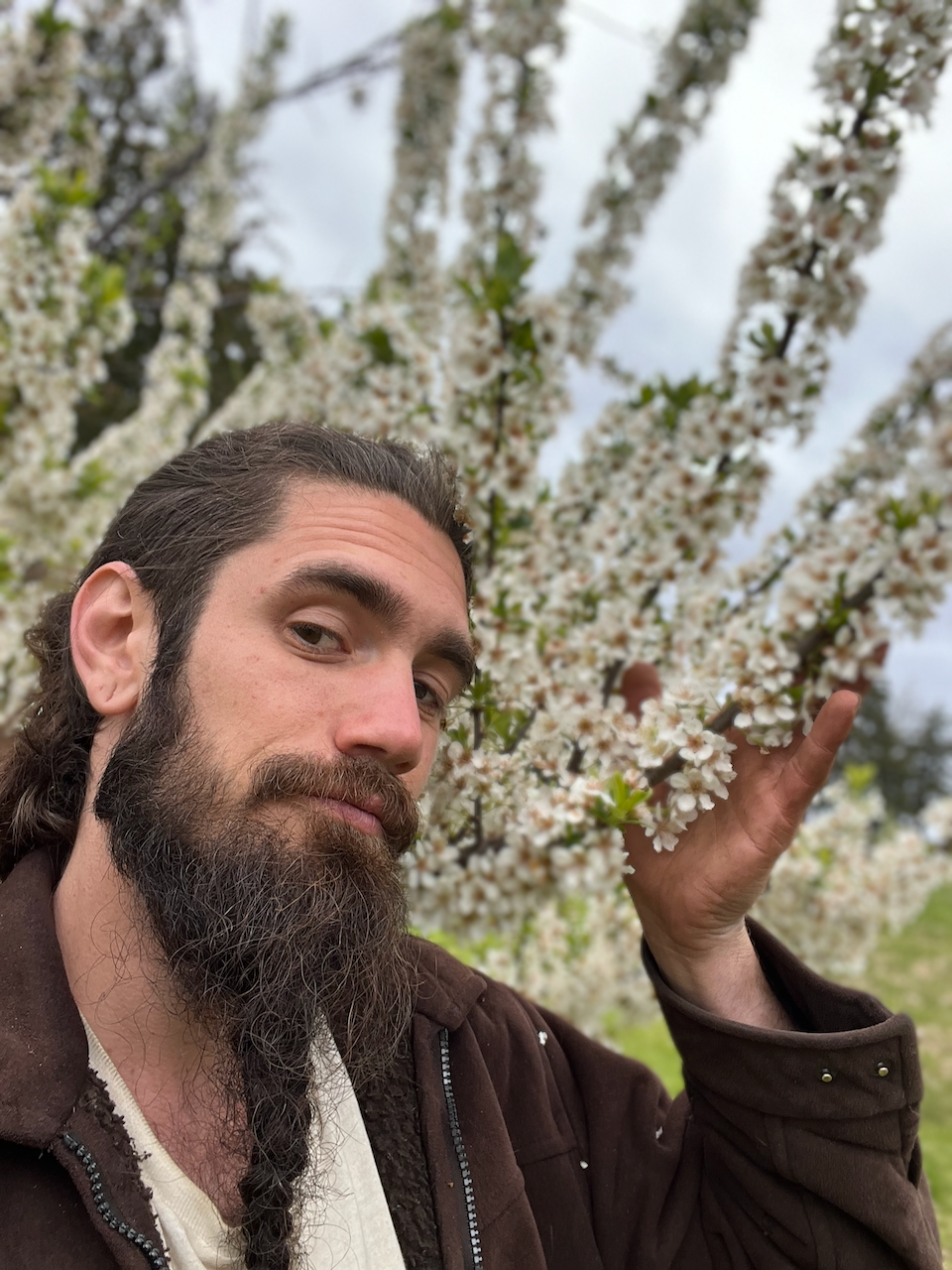
Serviceberry blossoms
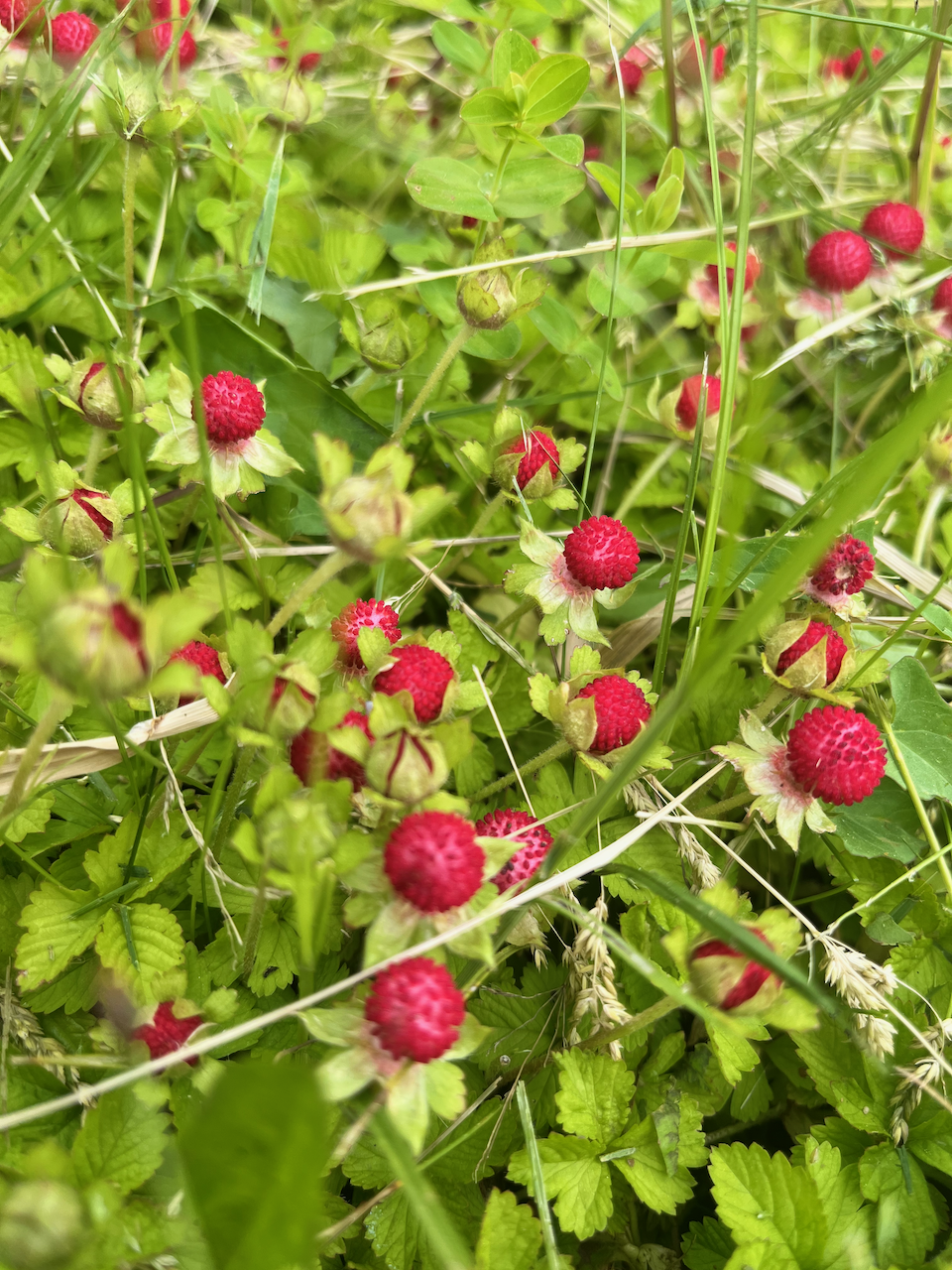
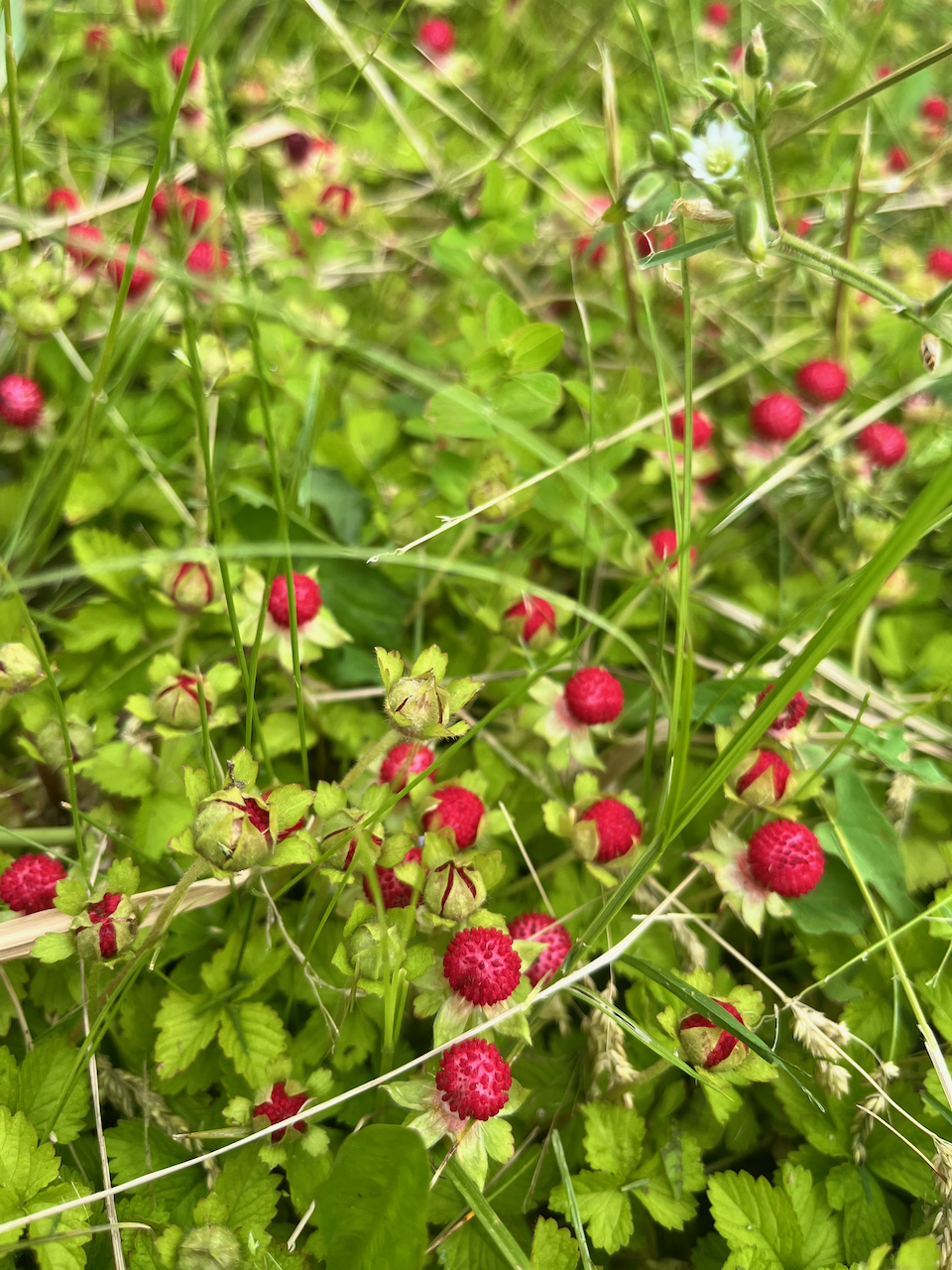
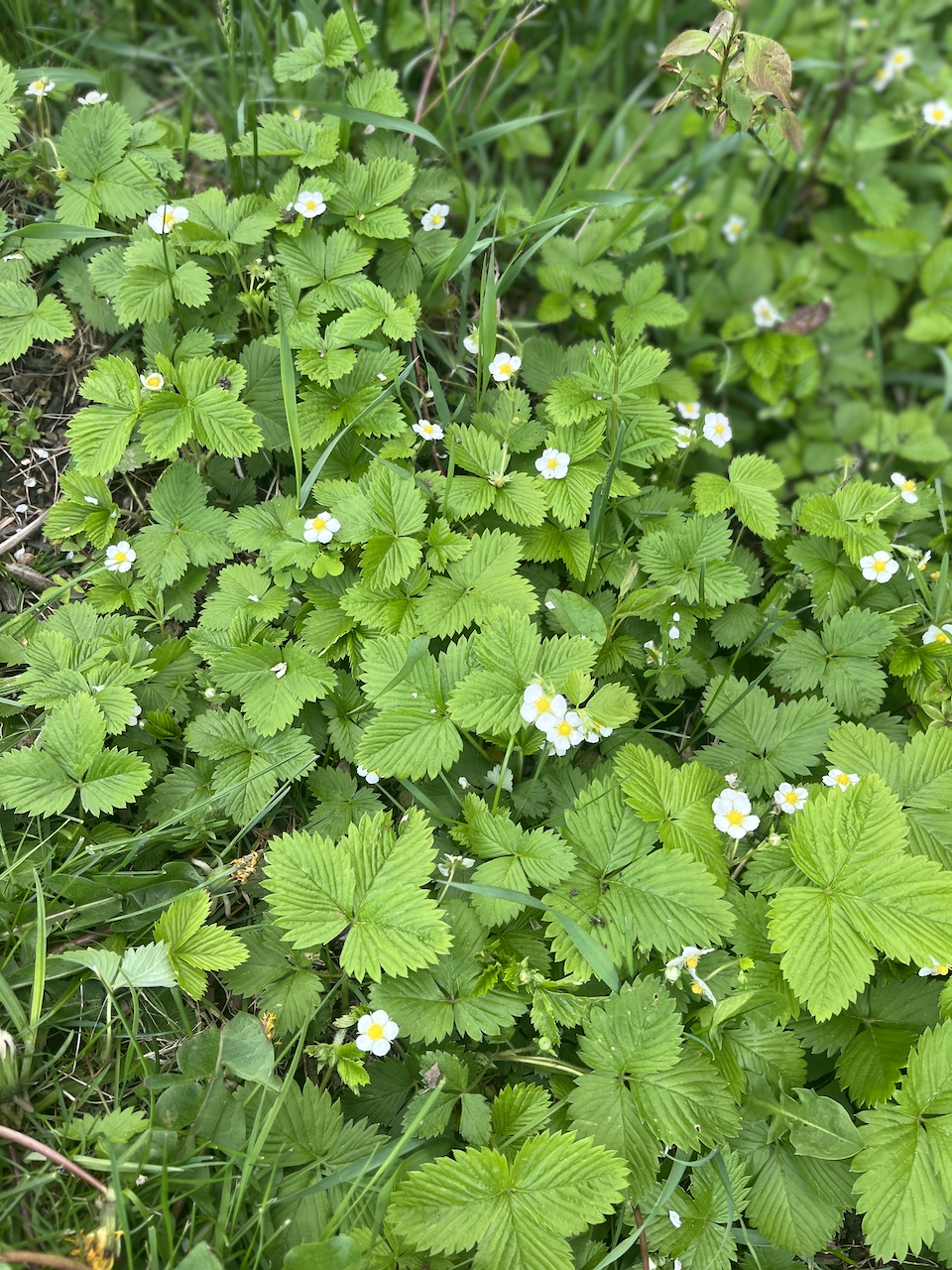
Alpine Strawberries
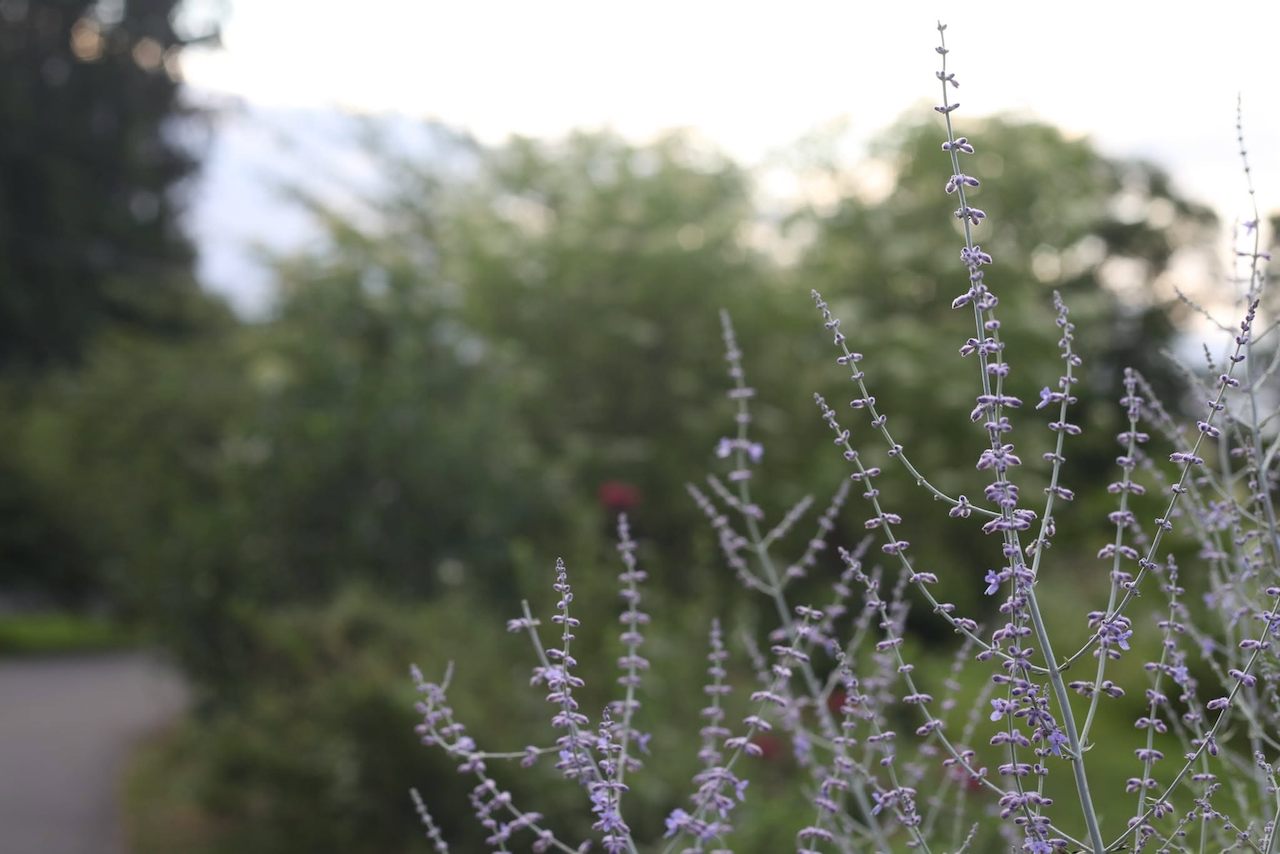
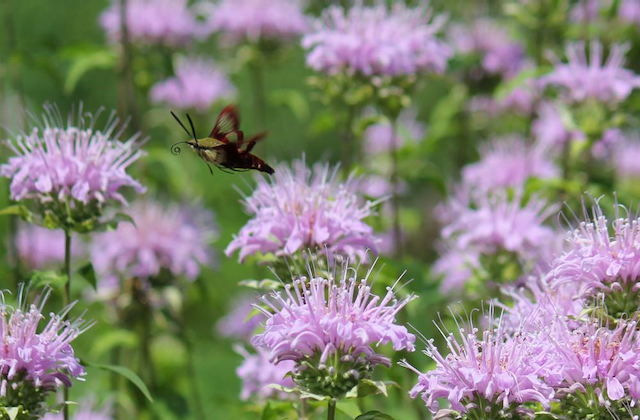
Bergamot
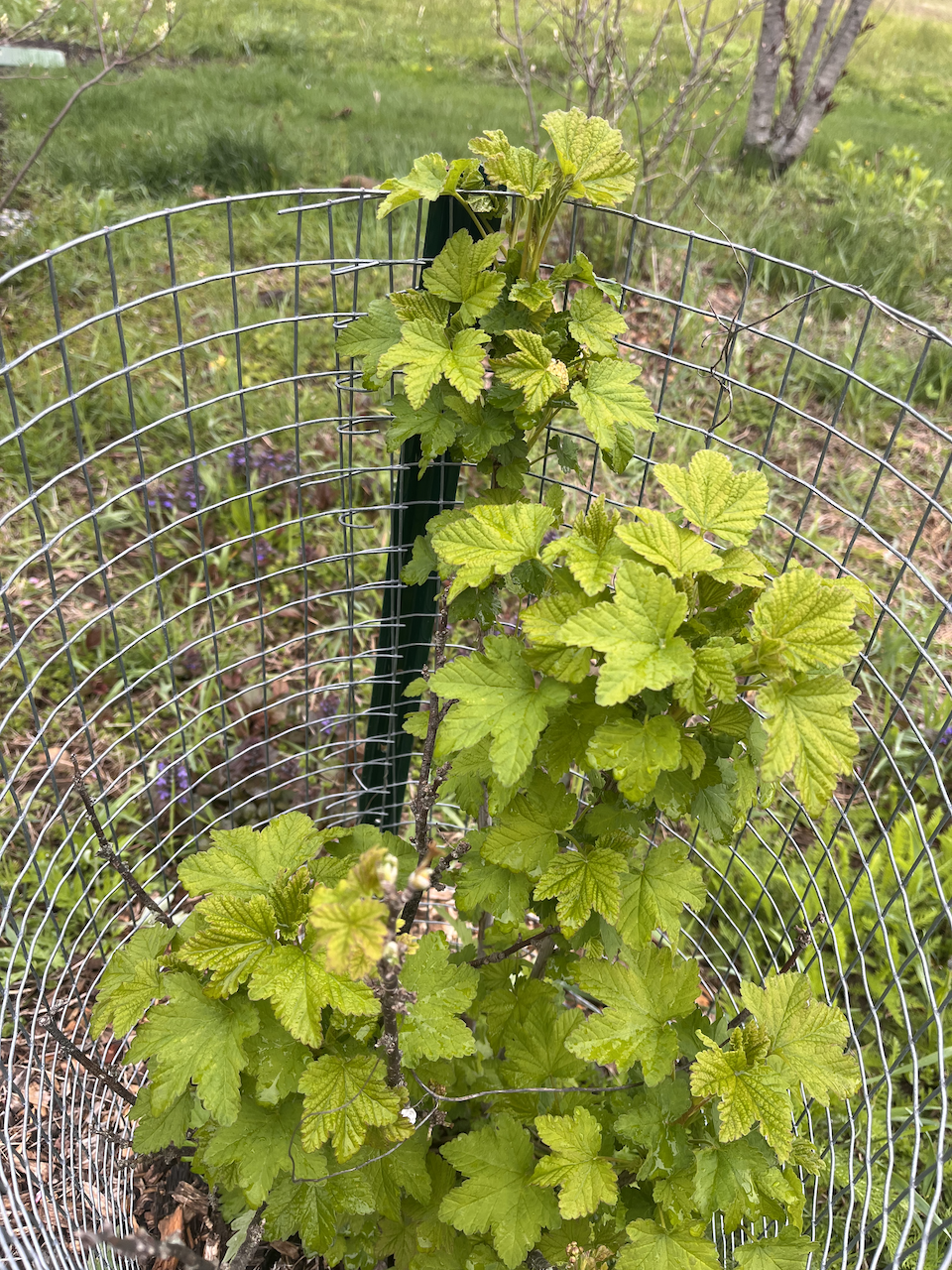
Currant Foliage
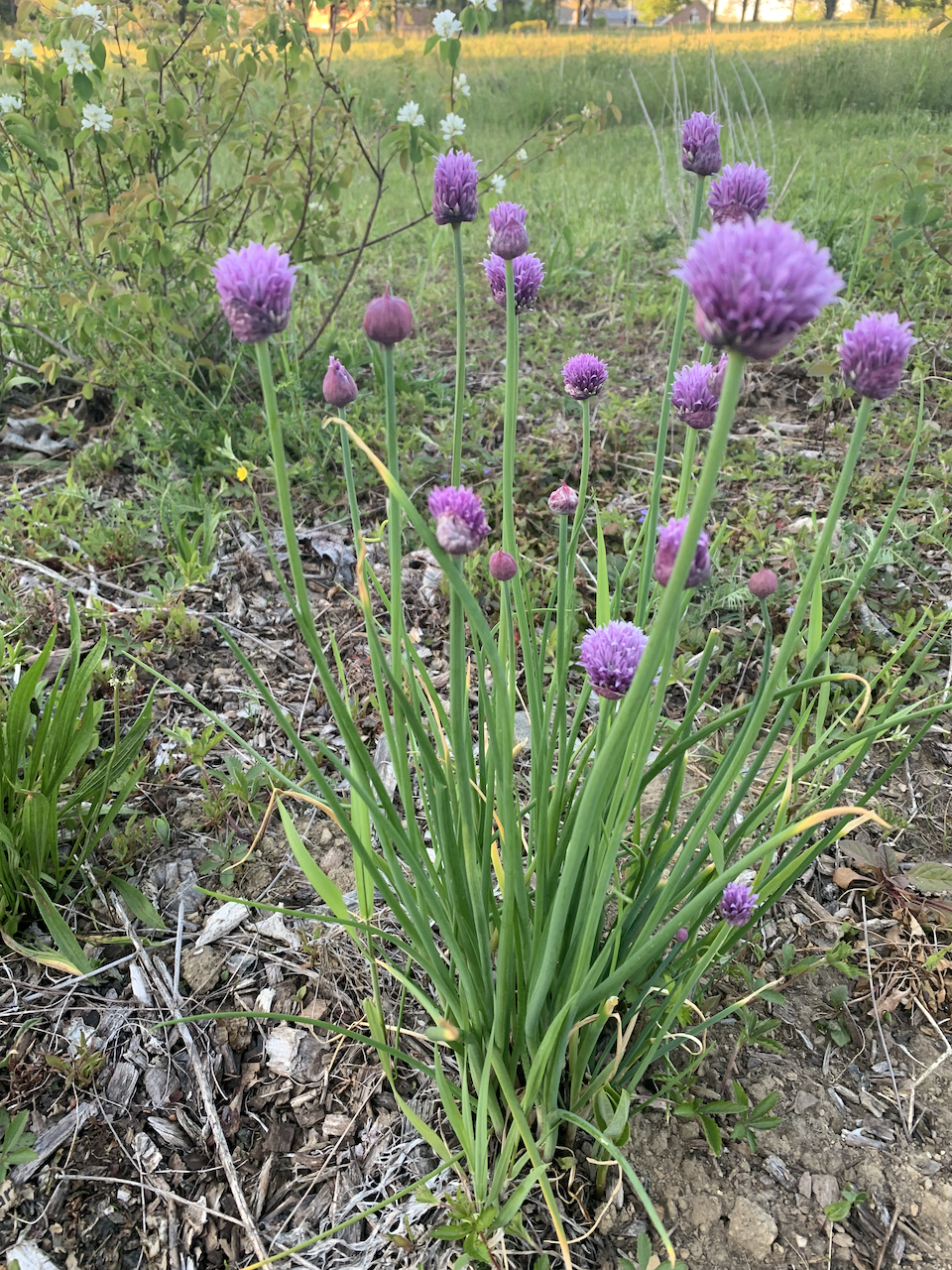
Garlic chives
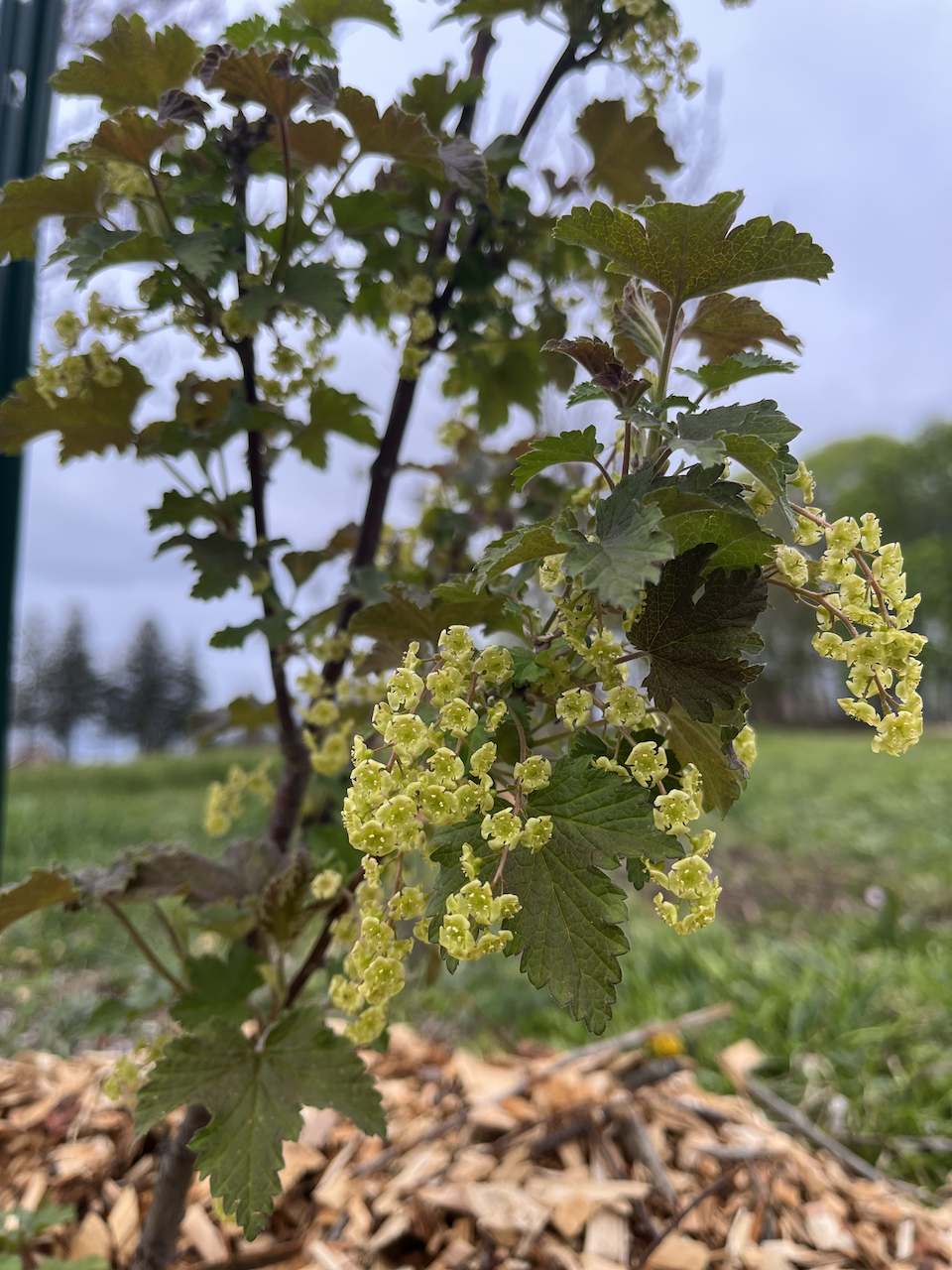
Currant flowers
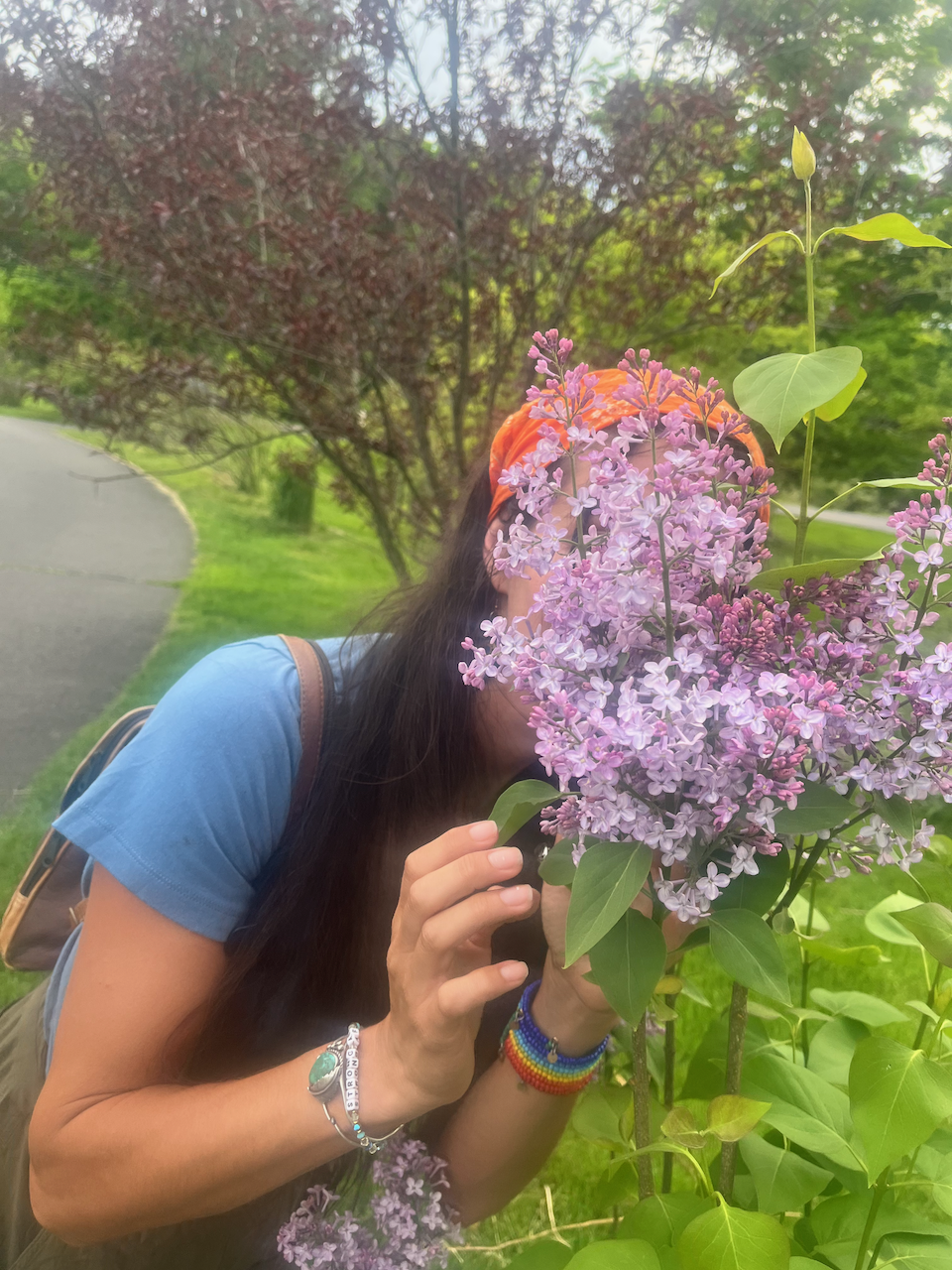
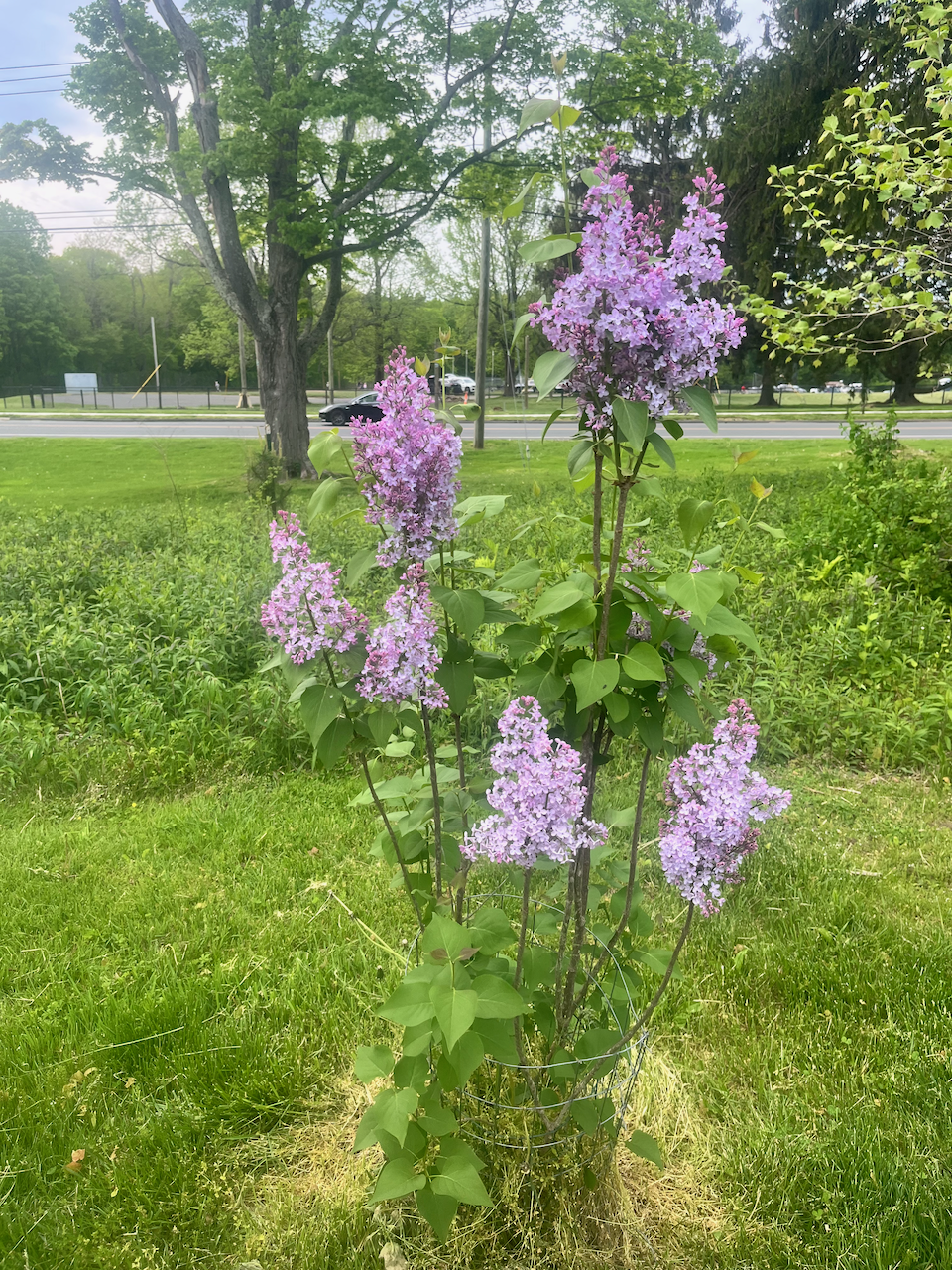
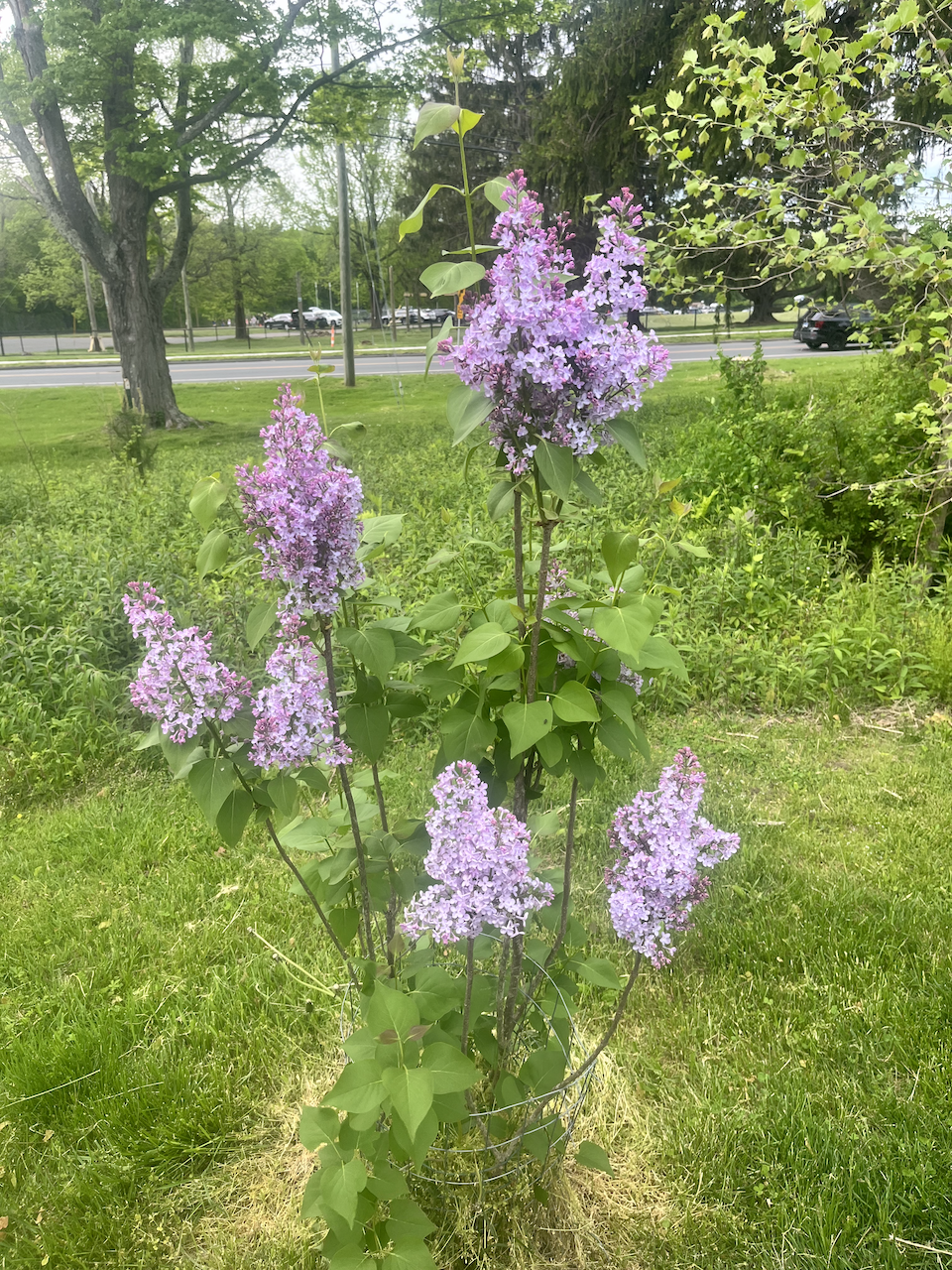
Lilac
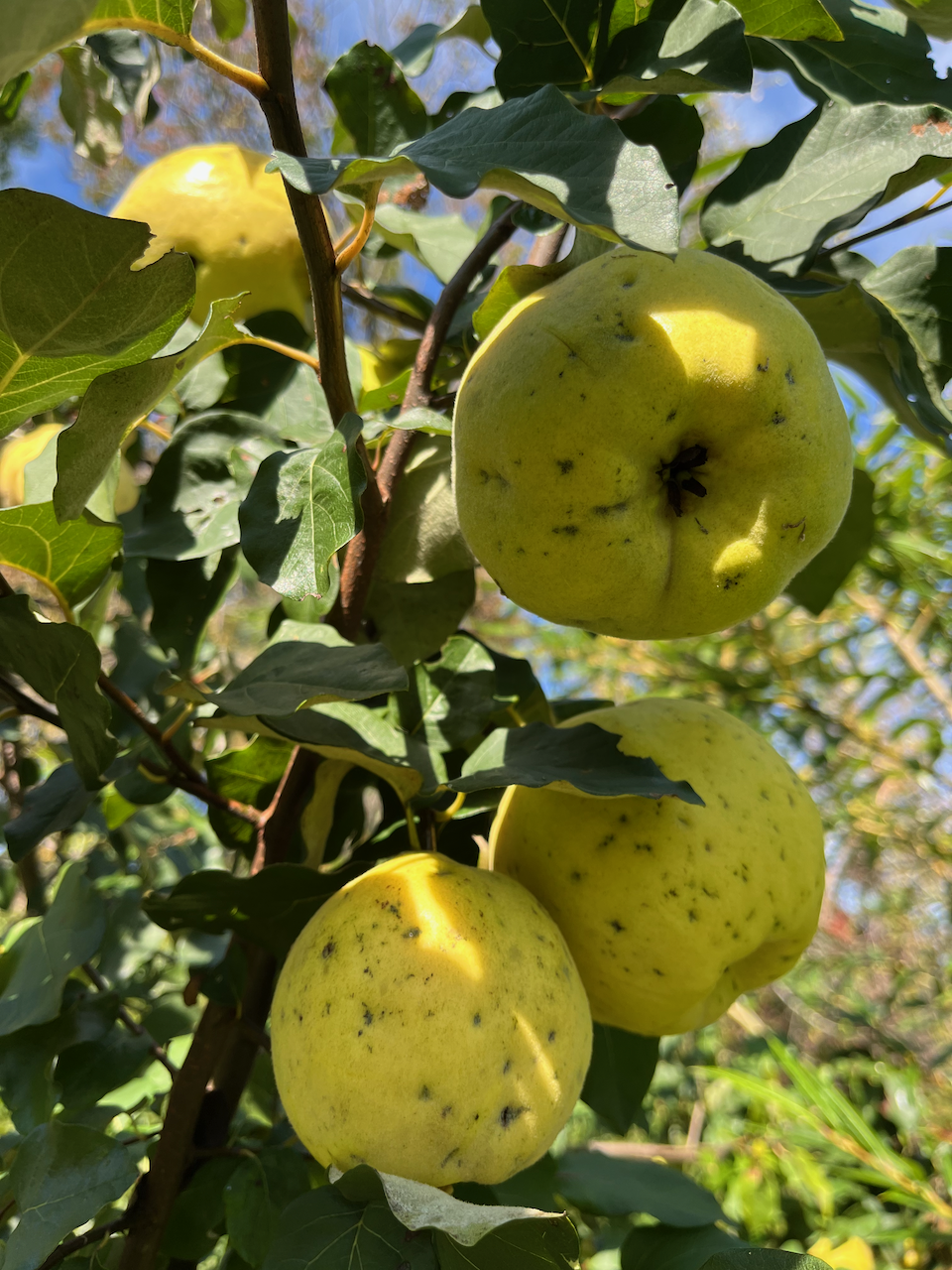
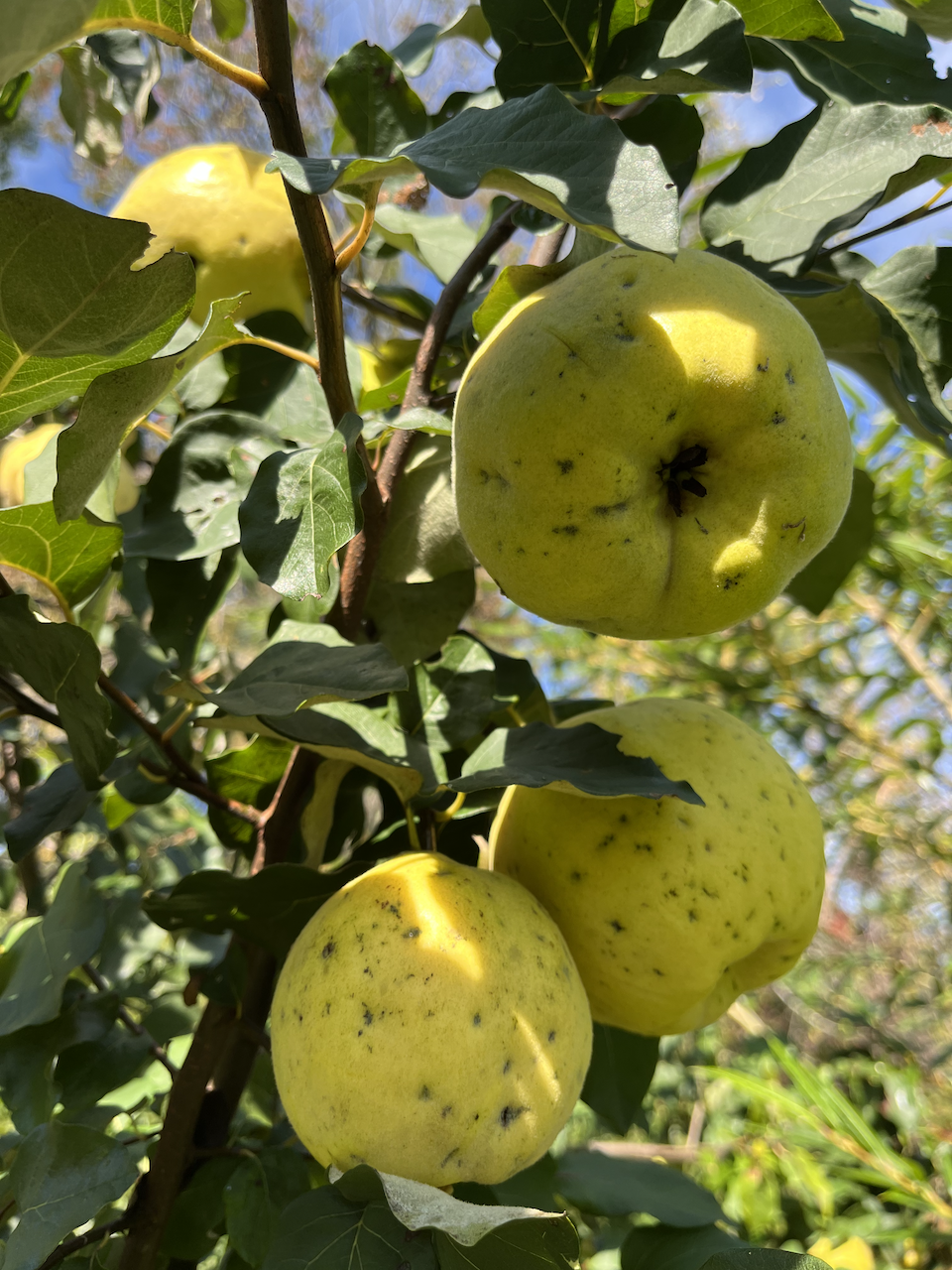
Quince
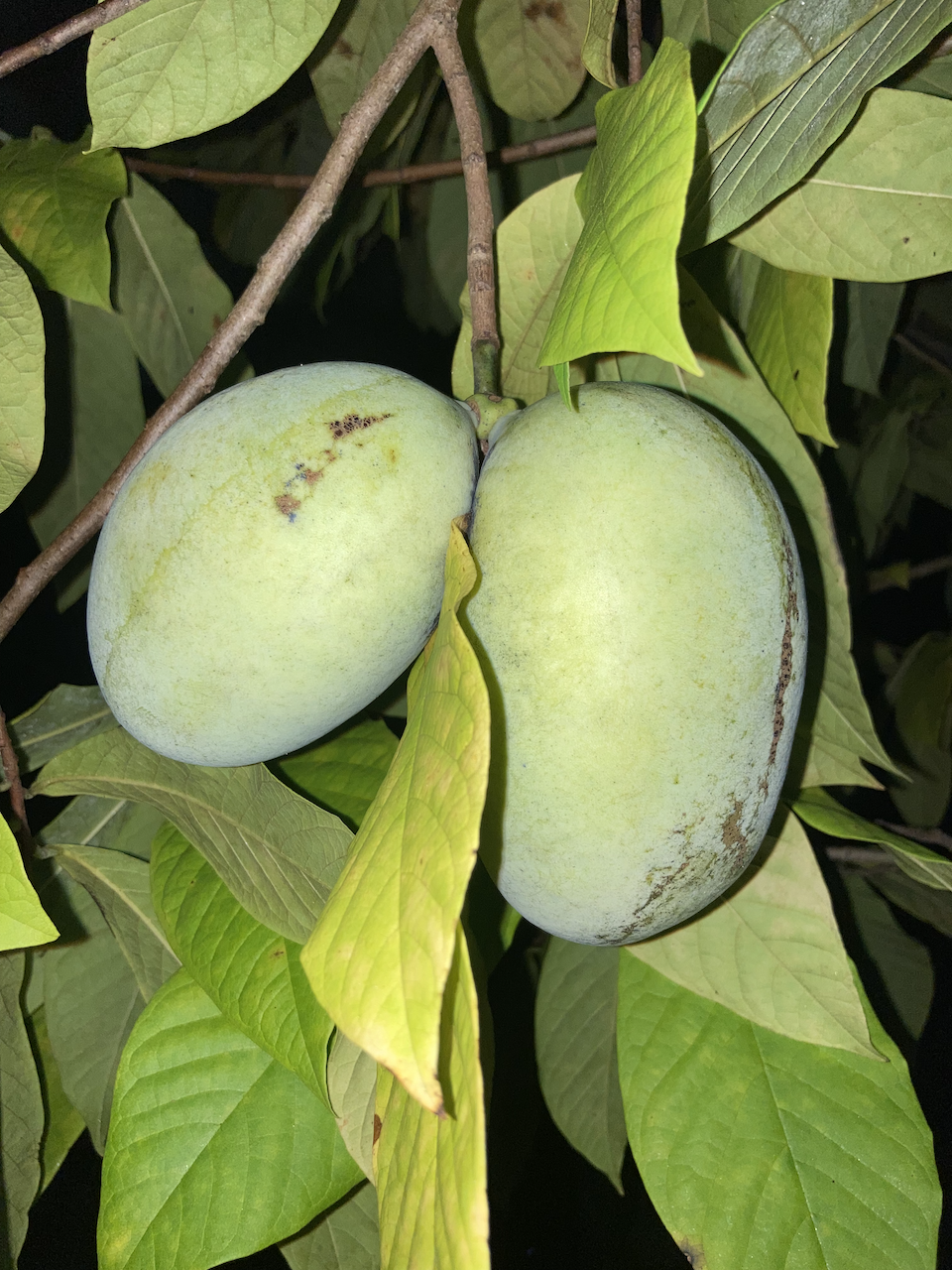
Pawpaw at night
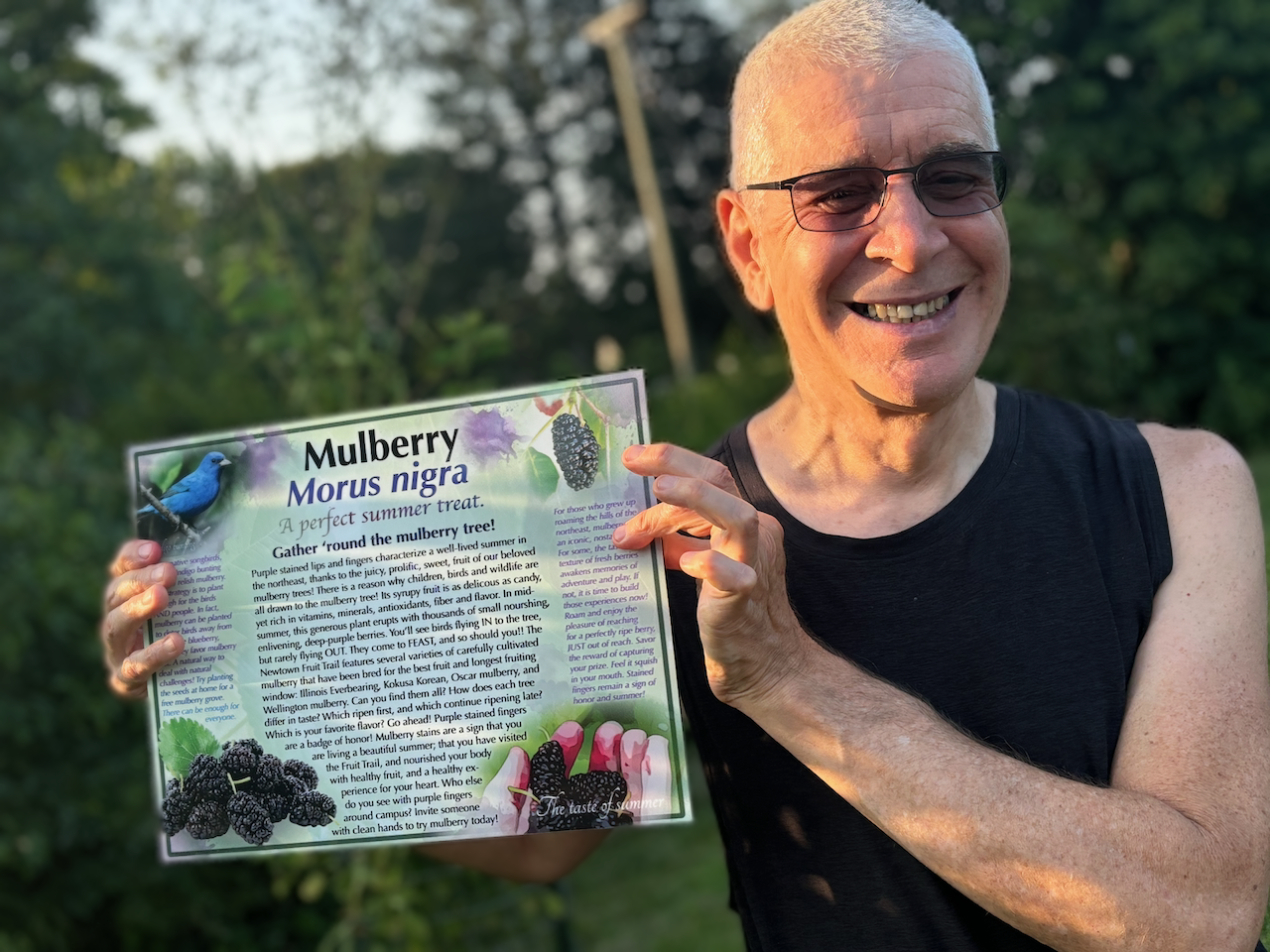
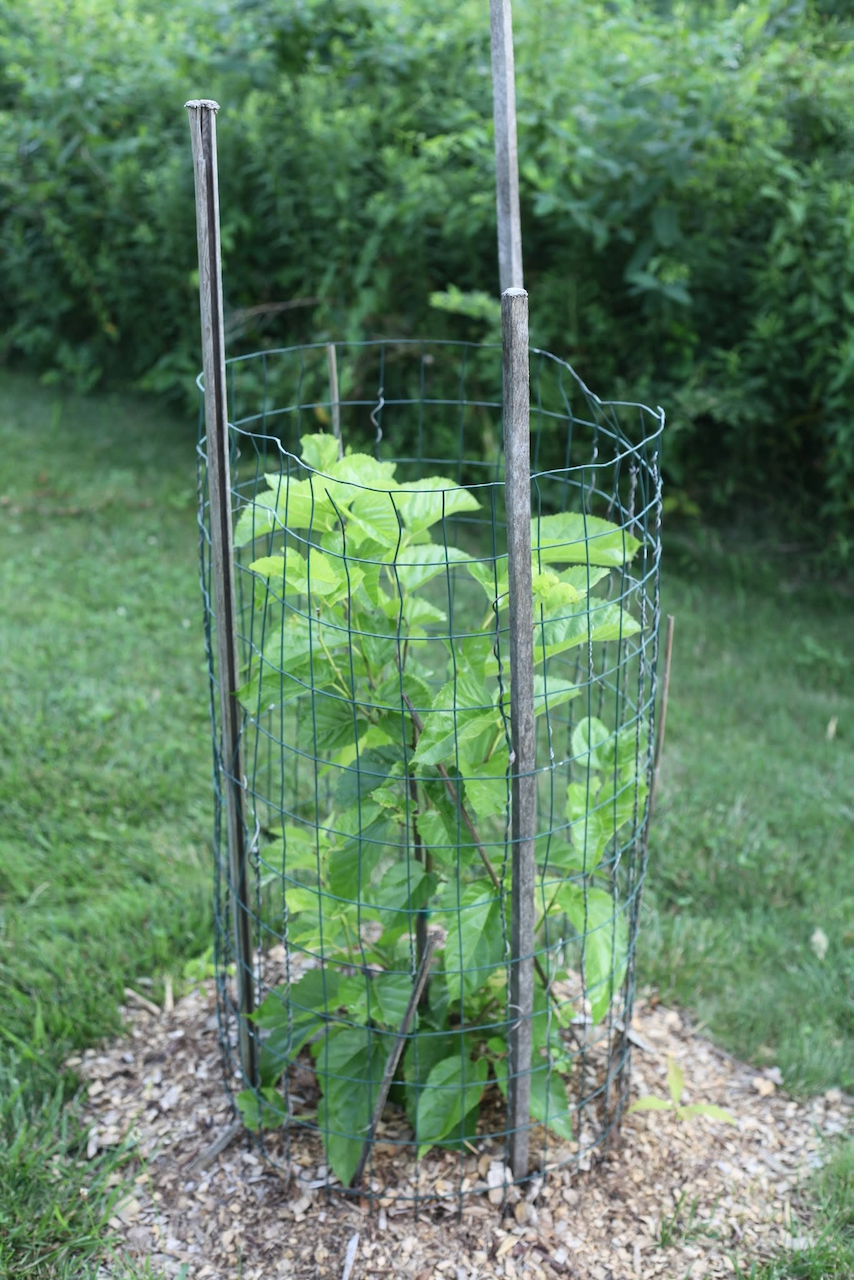
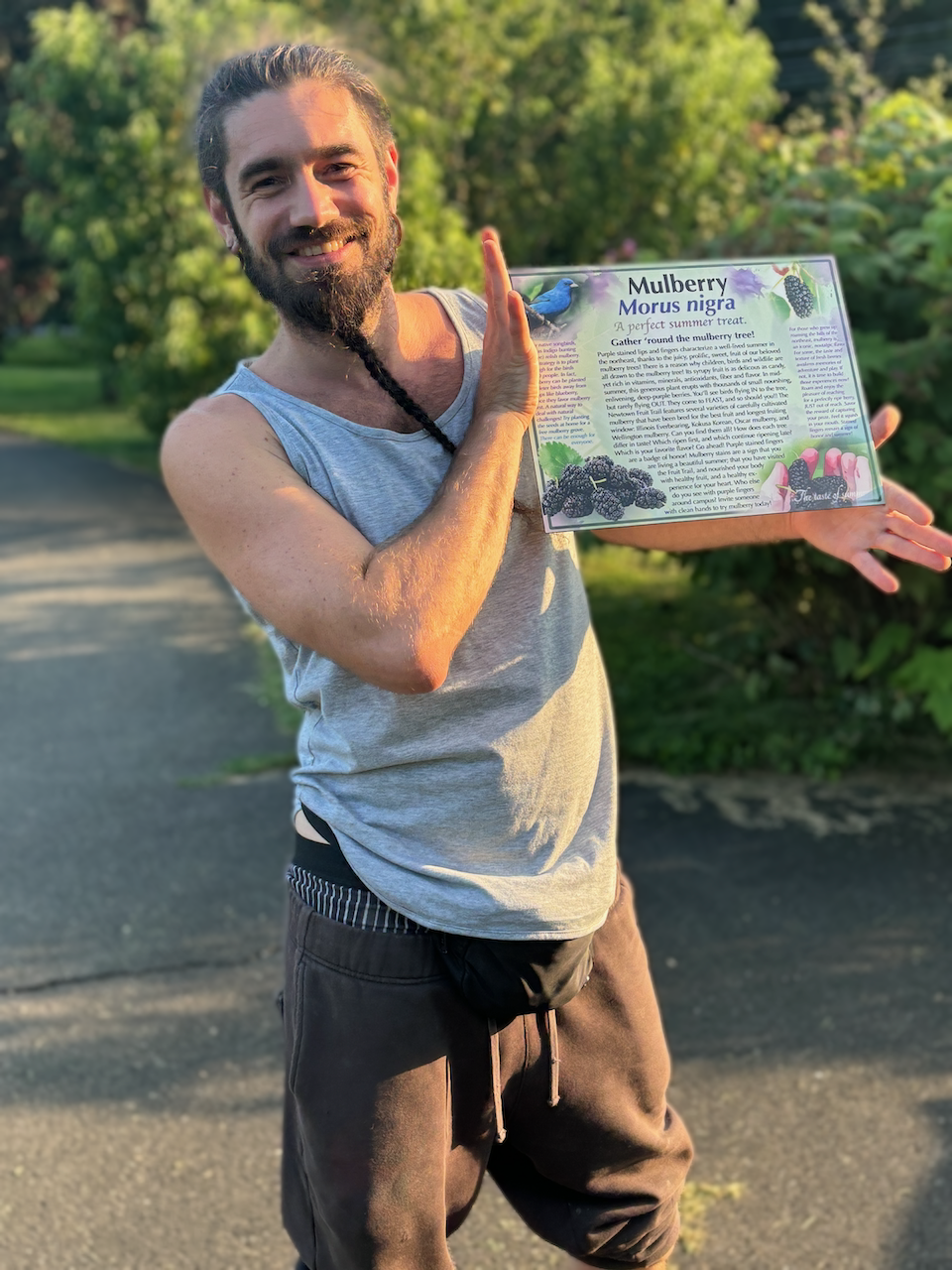
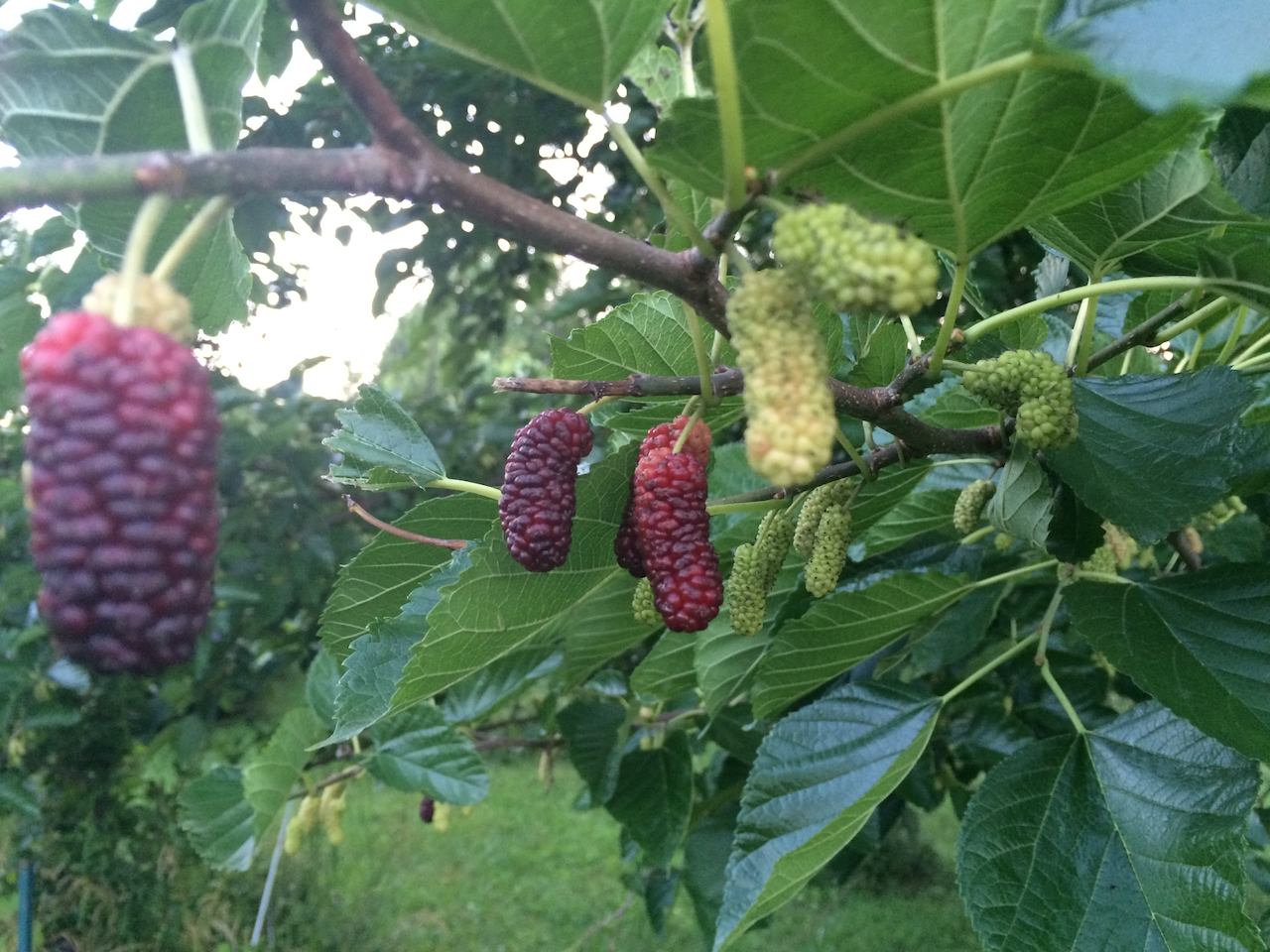
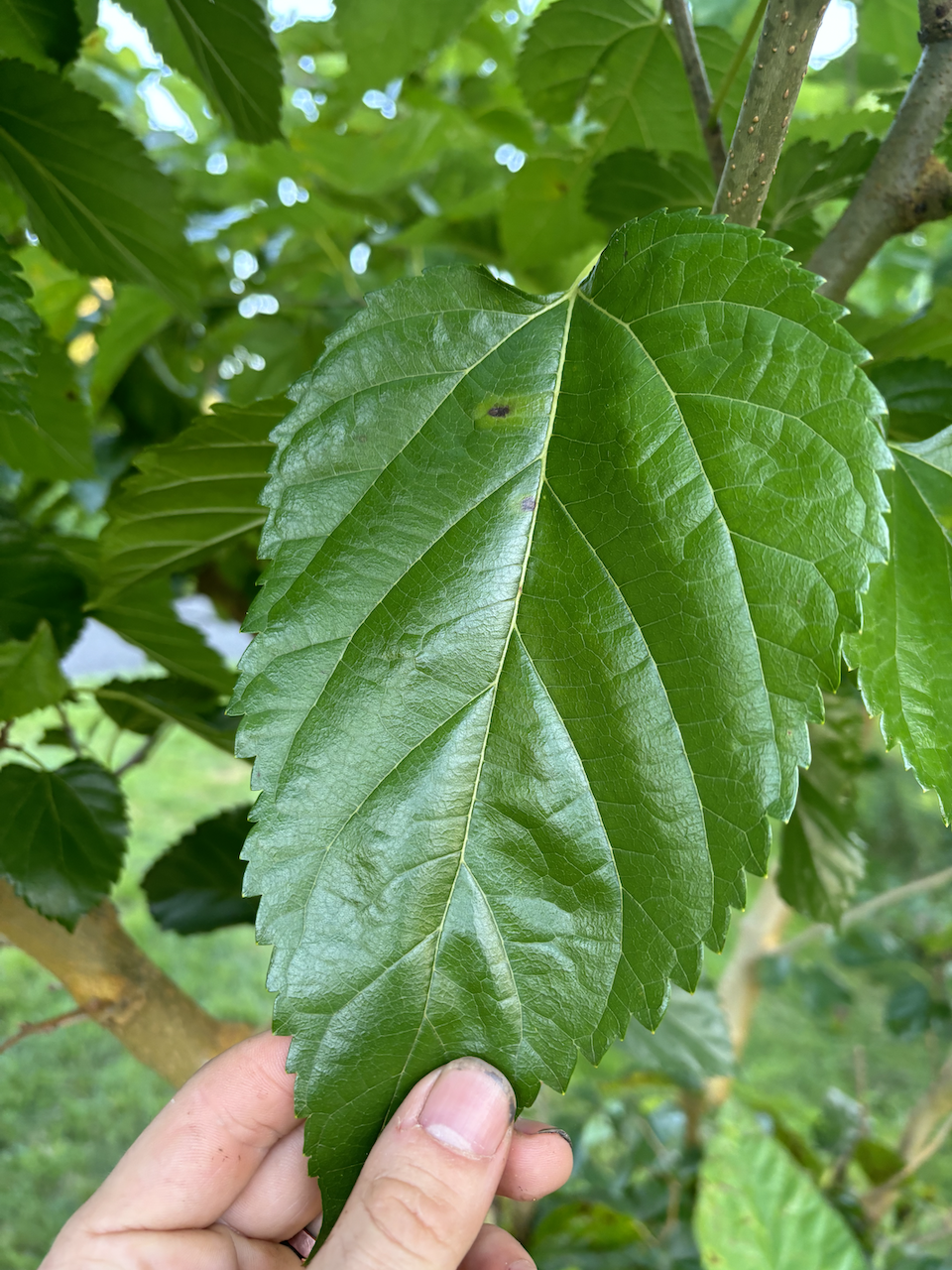
Mulberry, Illinois everbearing
Potentilla indica
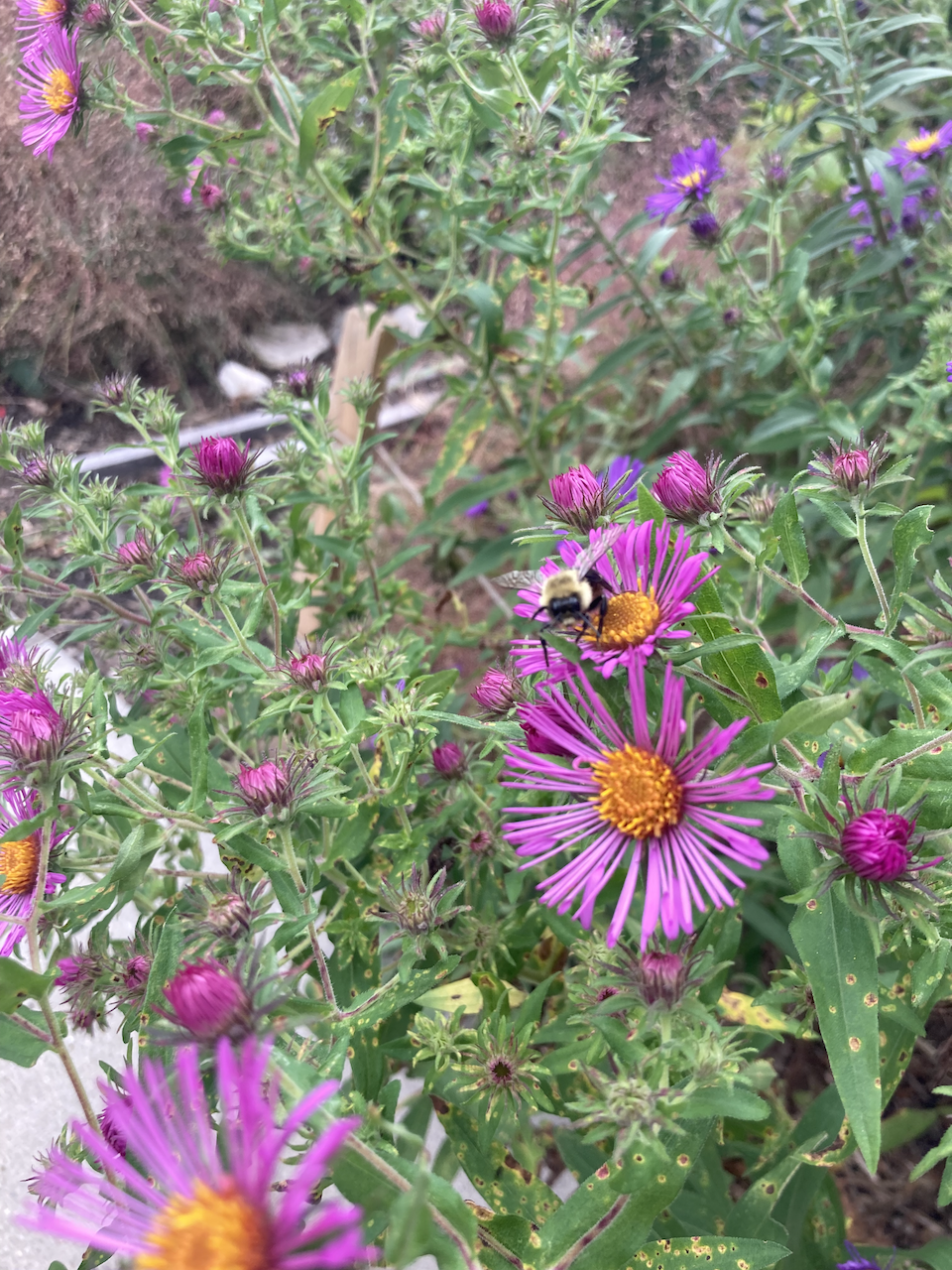
Aster
Serviceberry
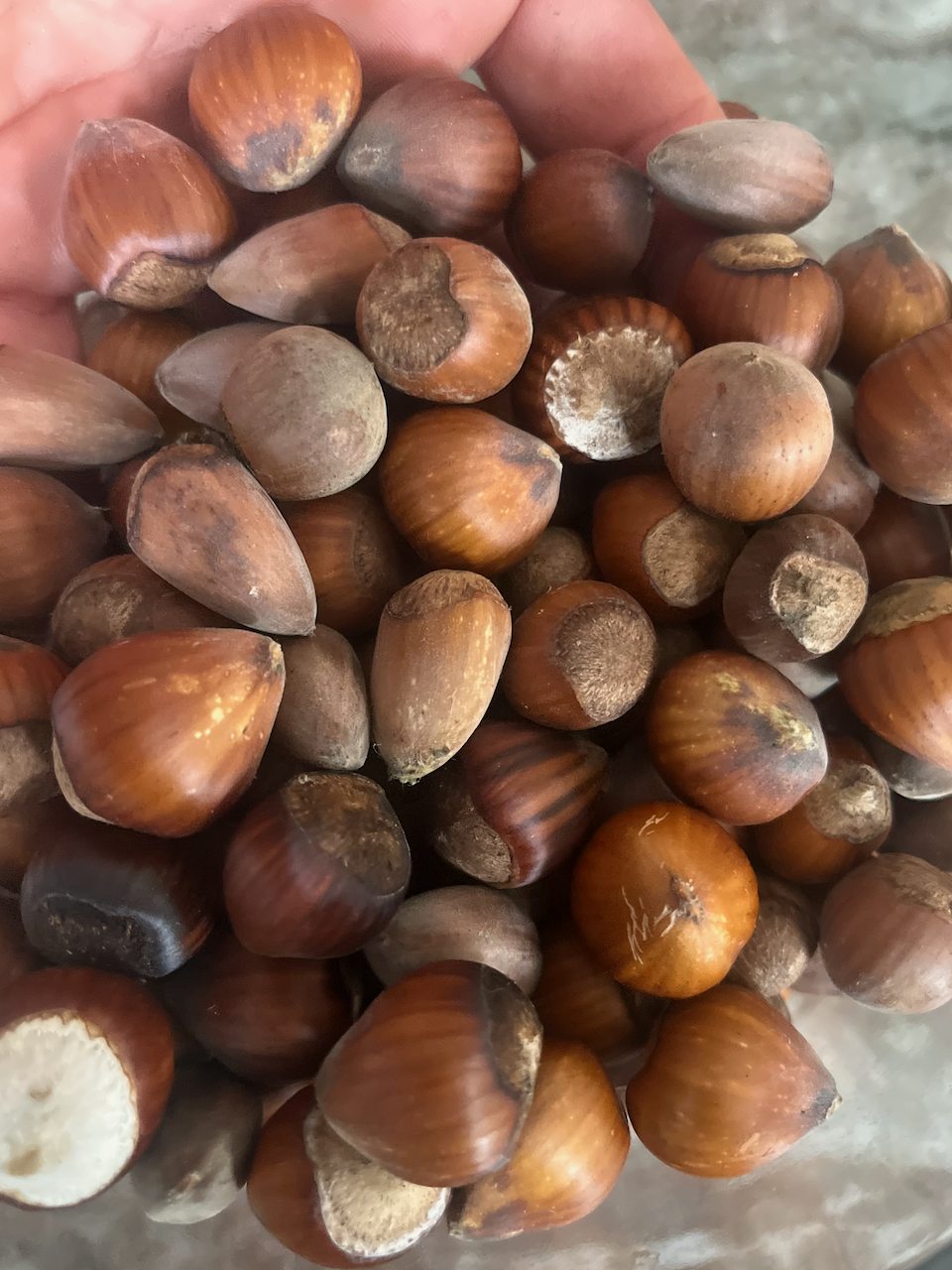
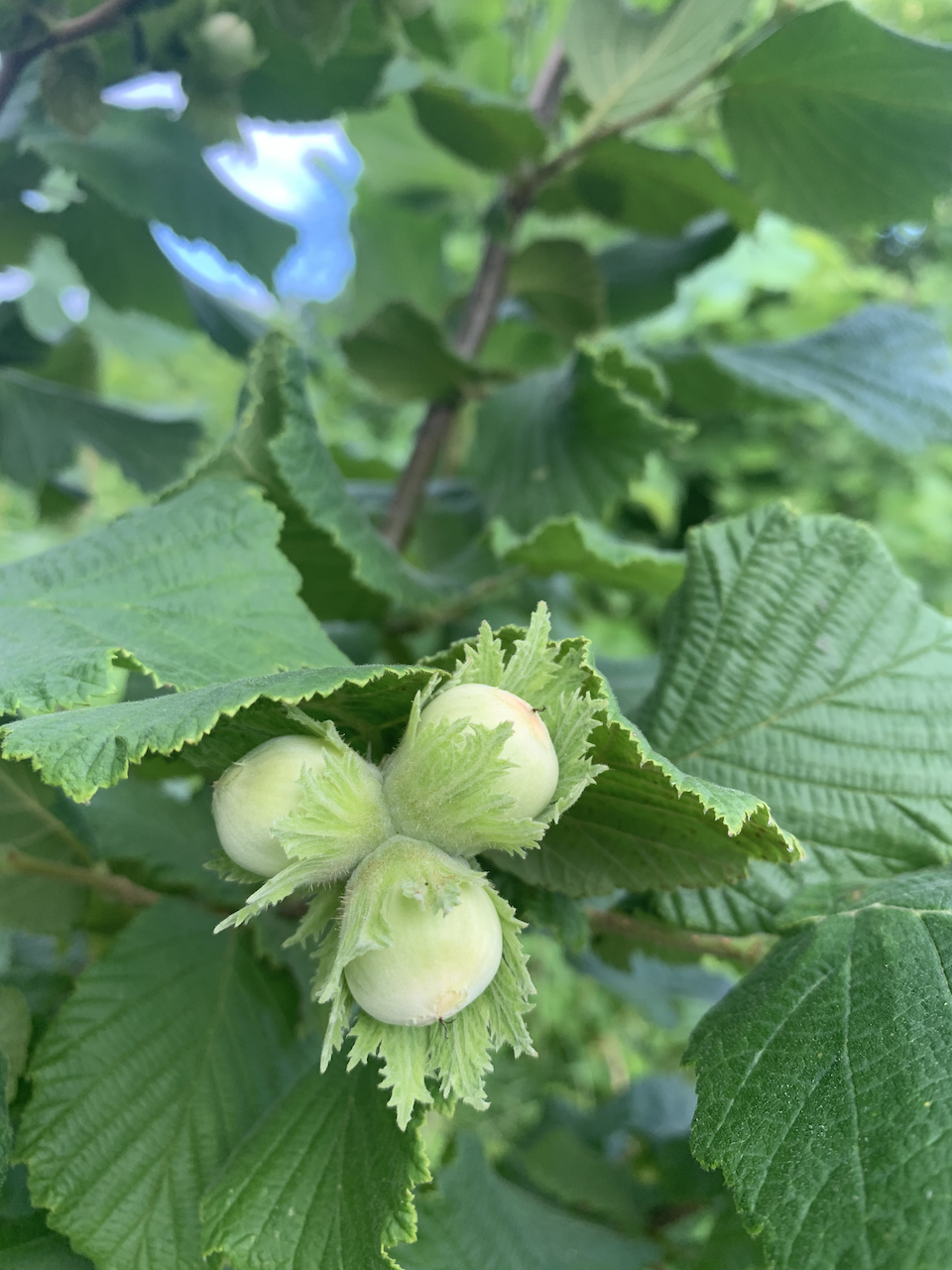
European Hazelnut in fall
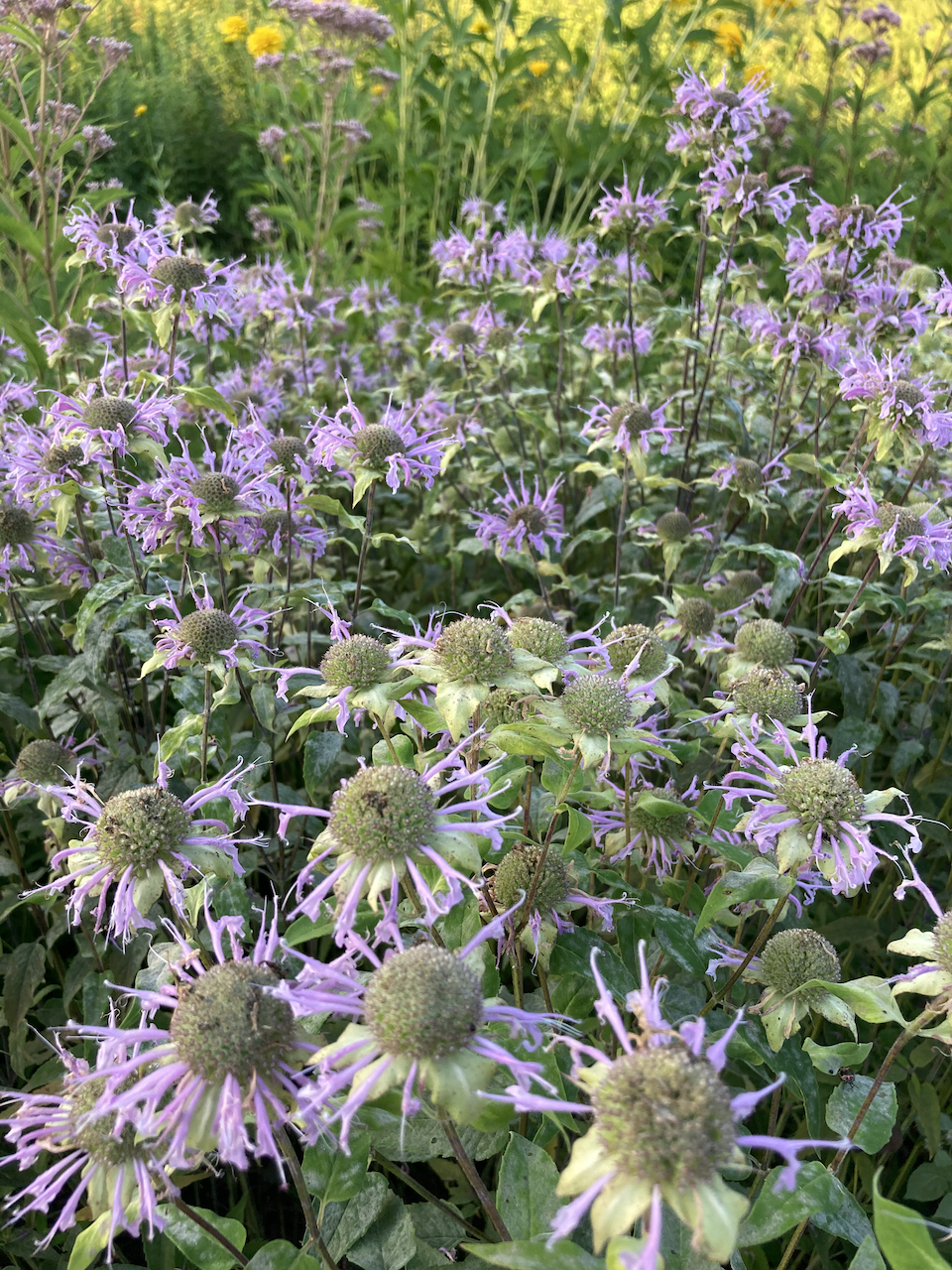
Bee Balm
Sweet Pepperbush
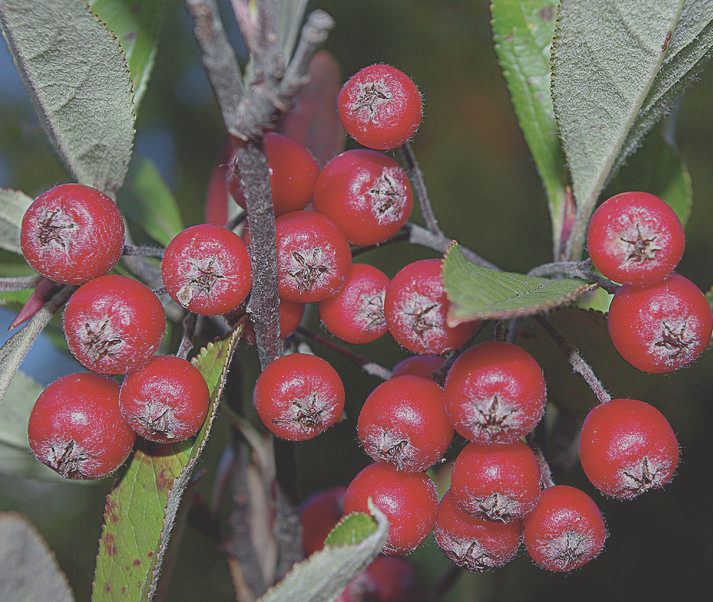
Red aronia
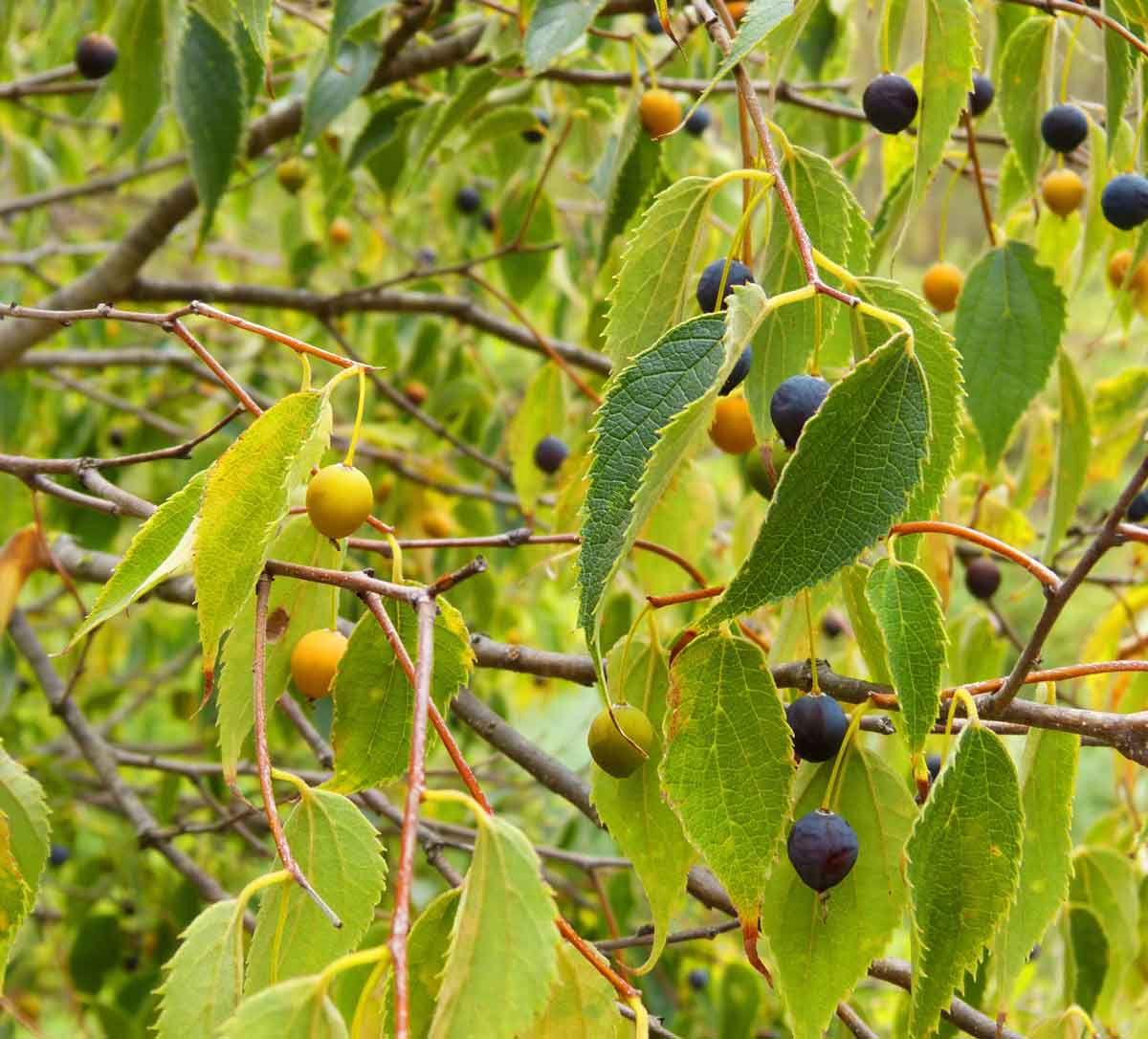
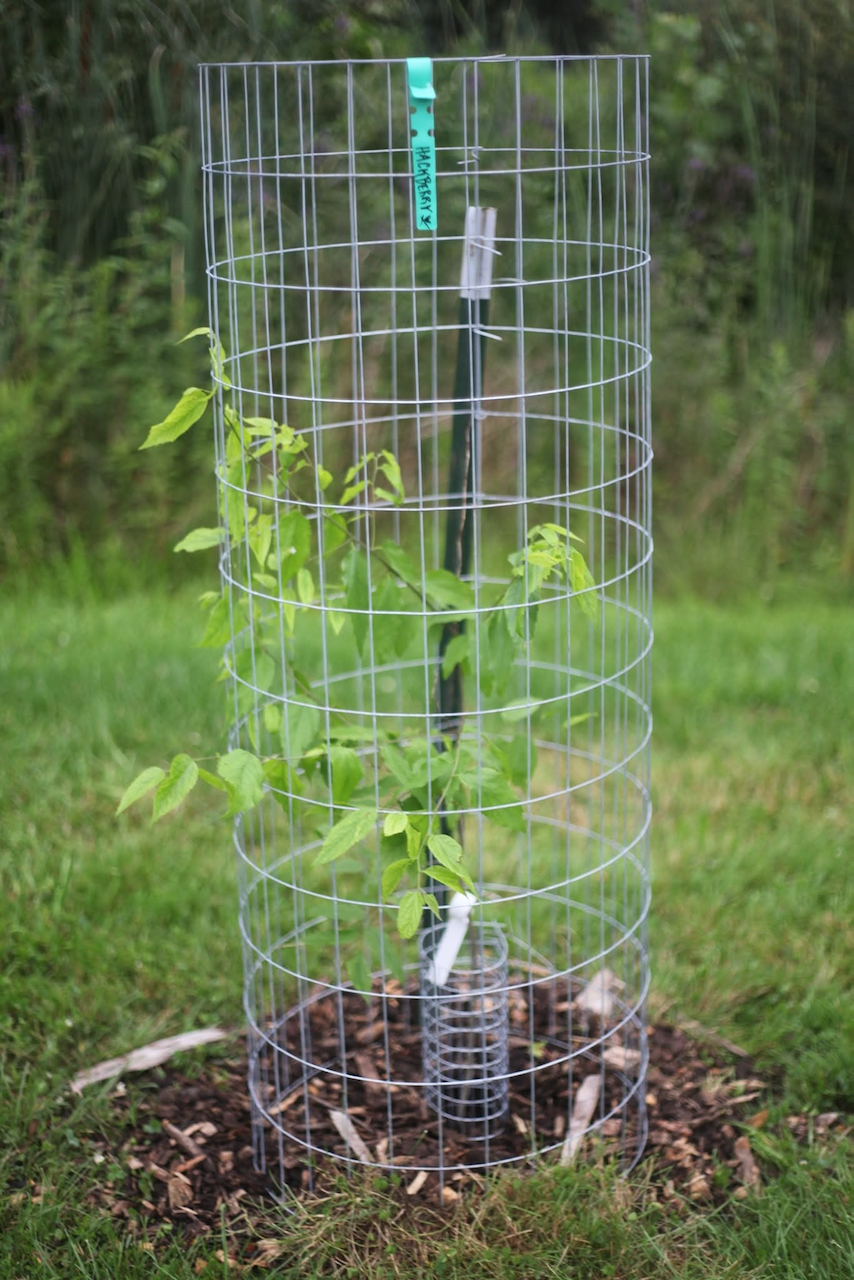
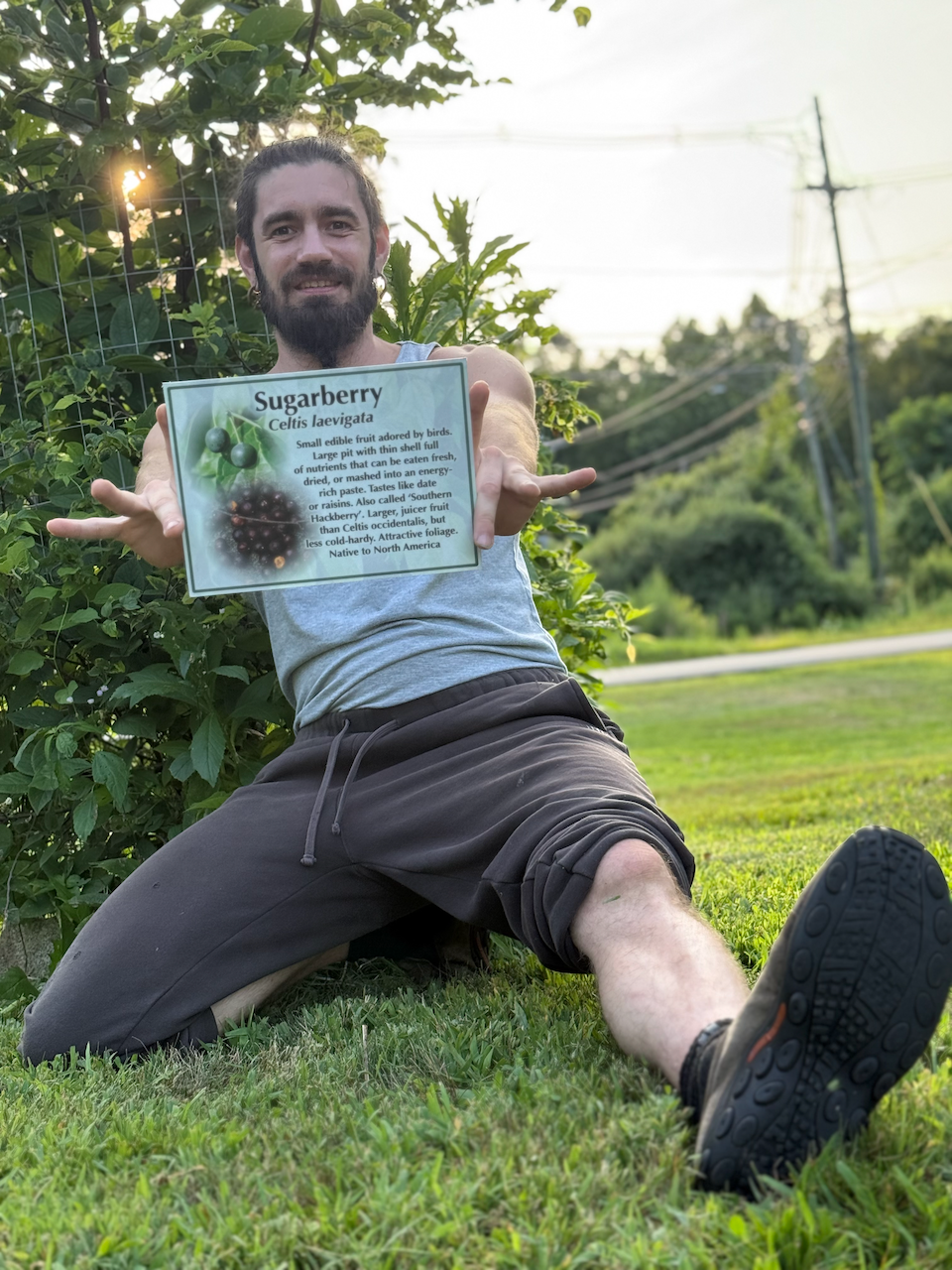
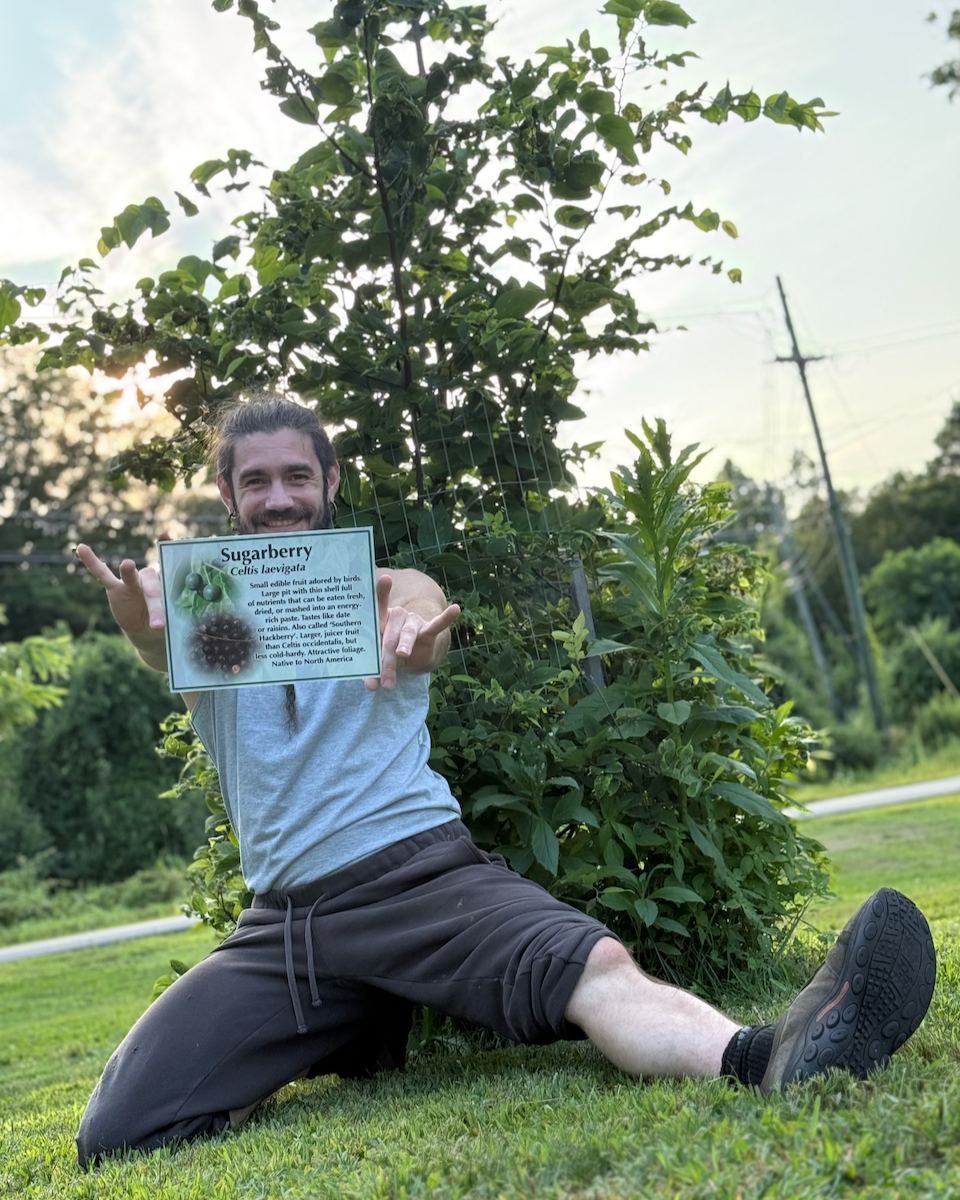
Hackberry
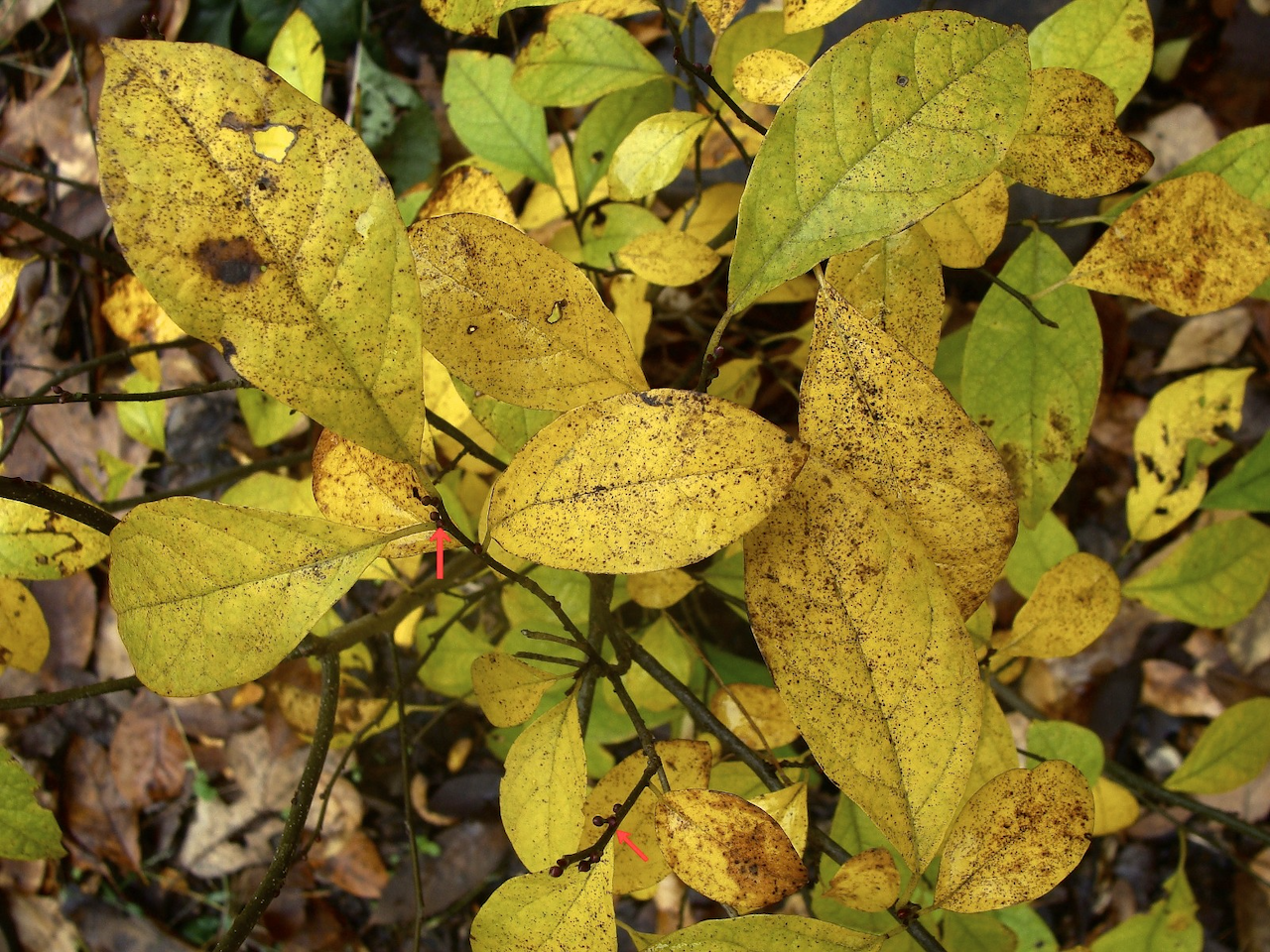
Spicebush in fall
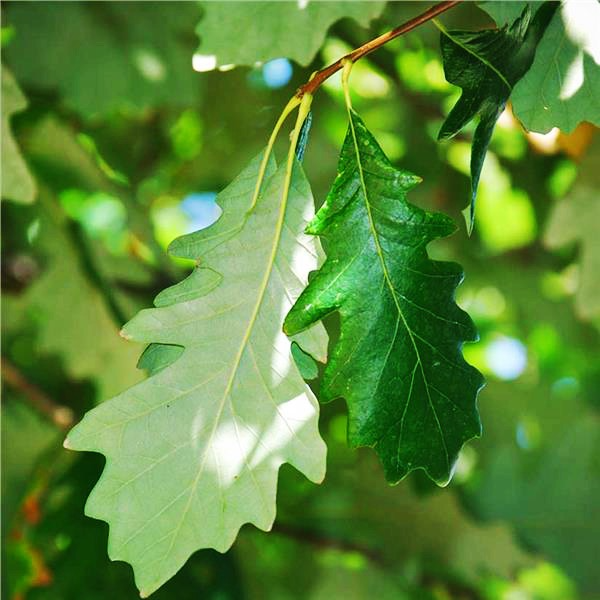
Swamp White Oak
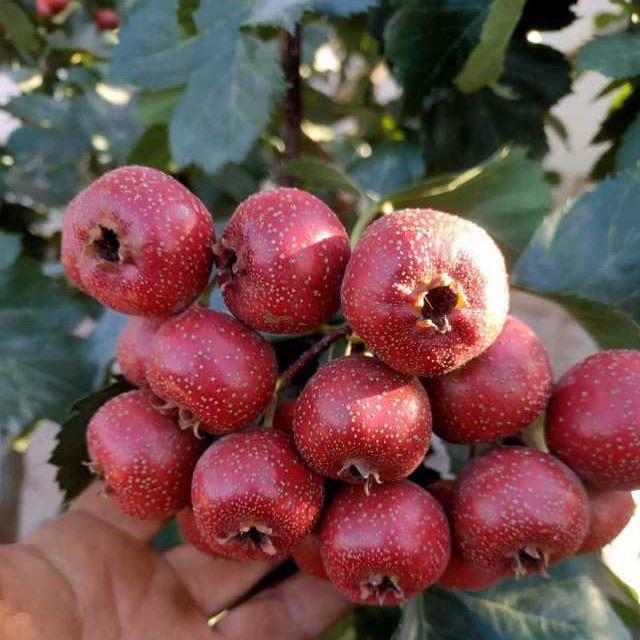
Chinese Hawthorn
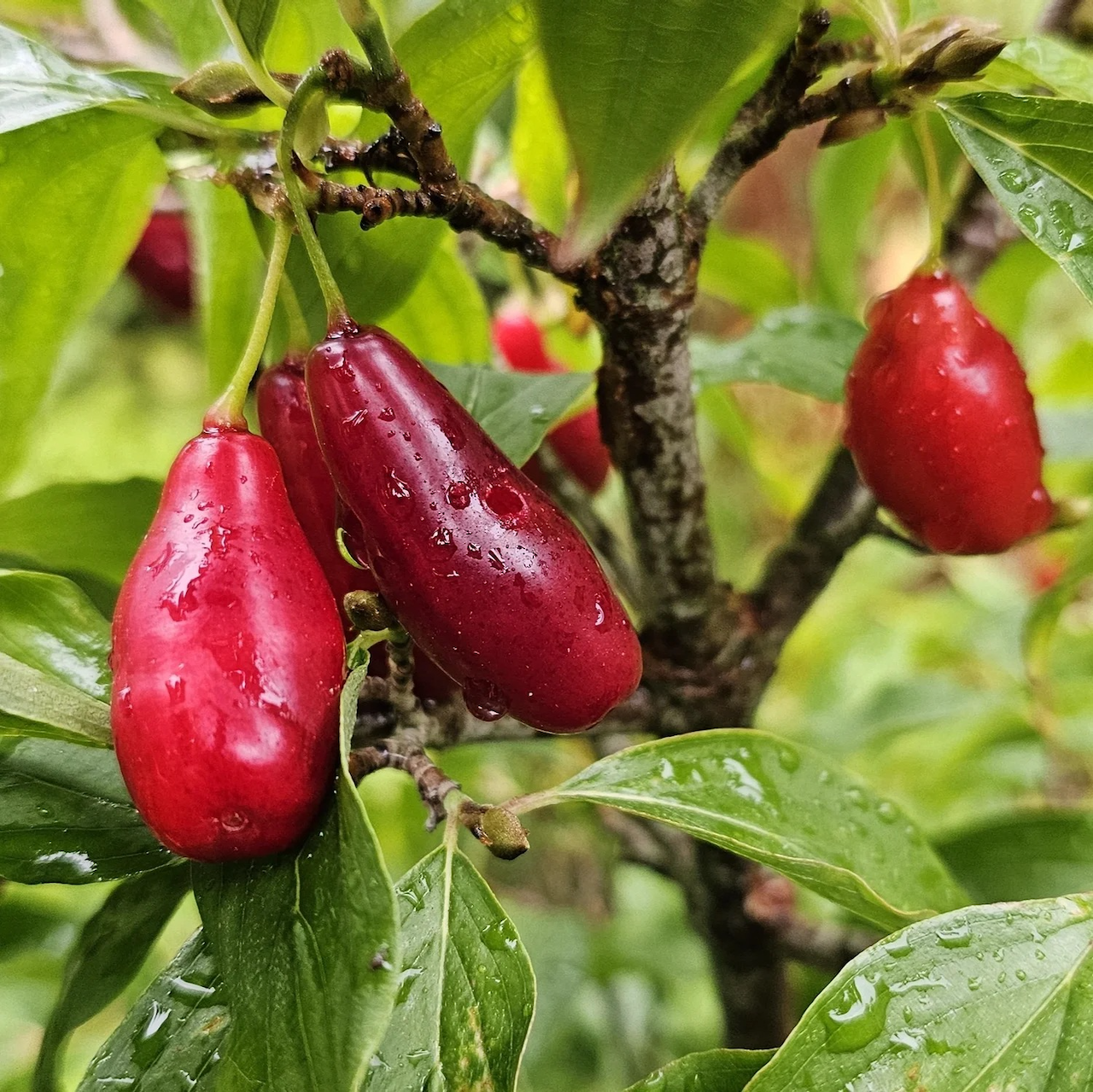
Cornelian Cherry
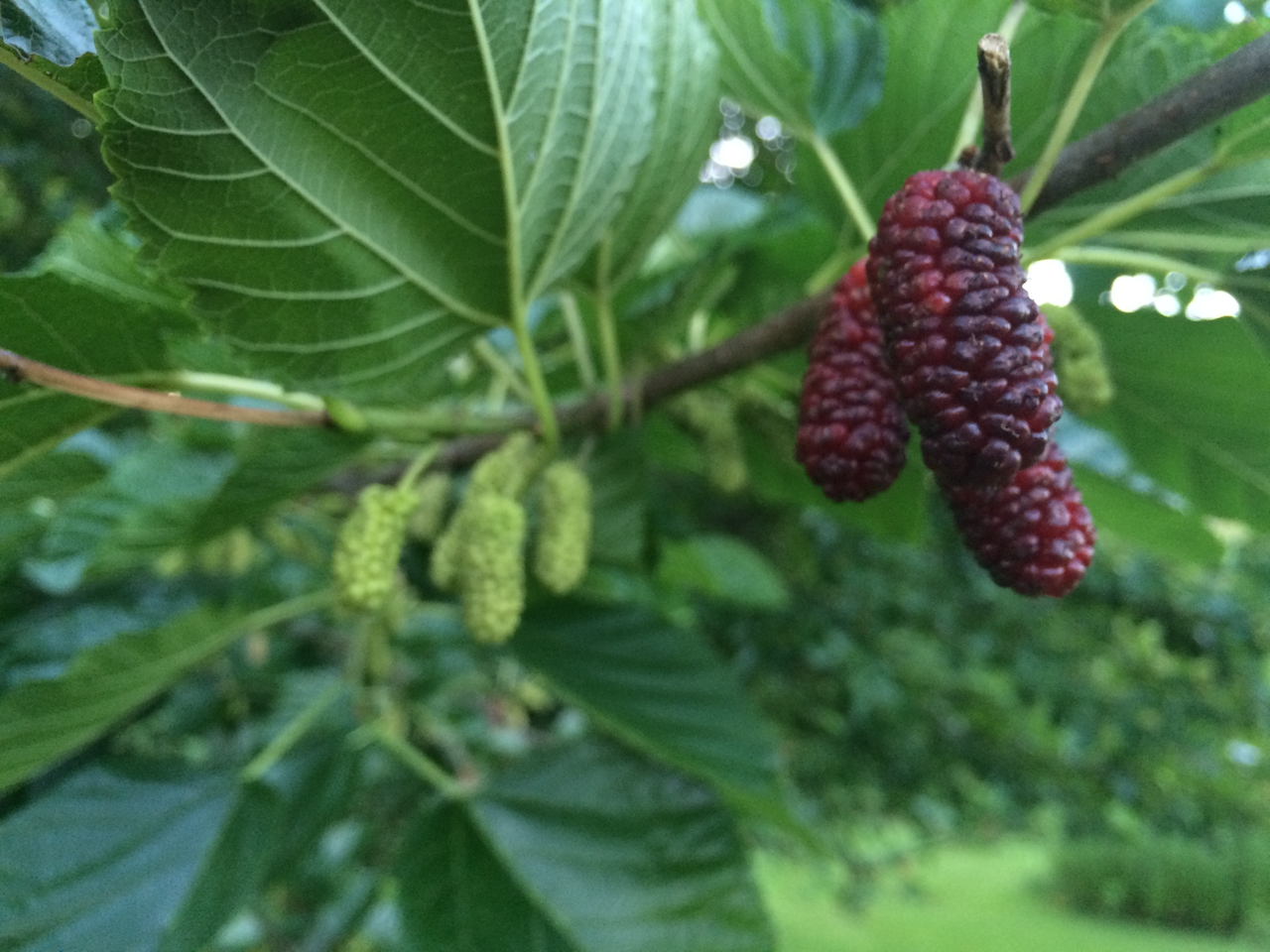
Mulberry fruit
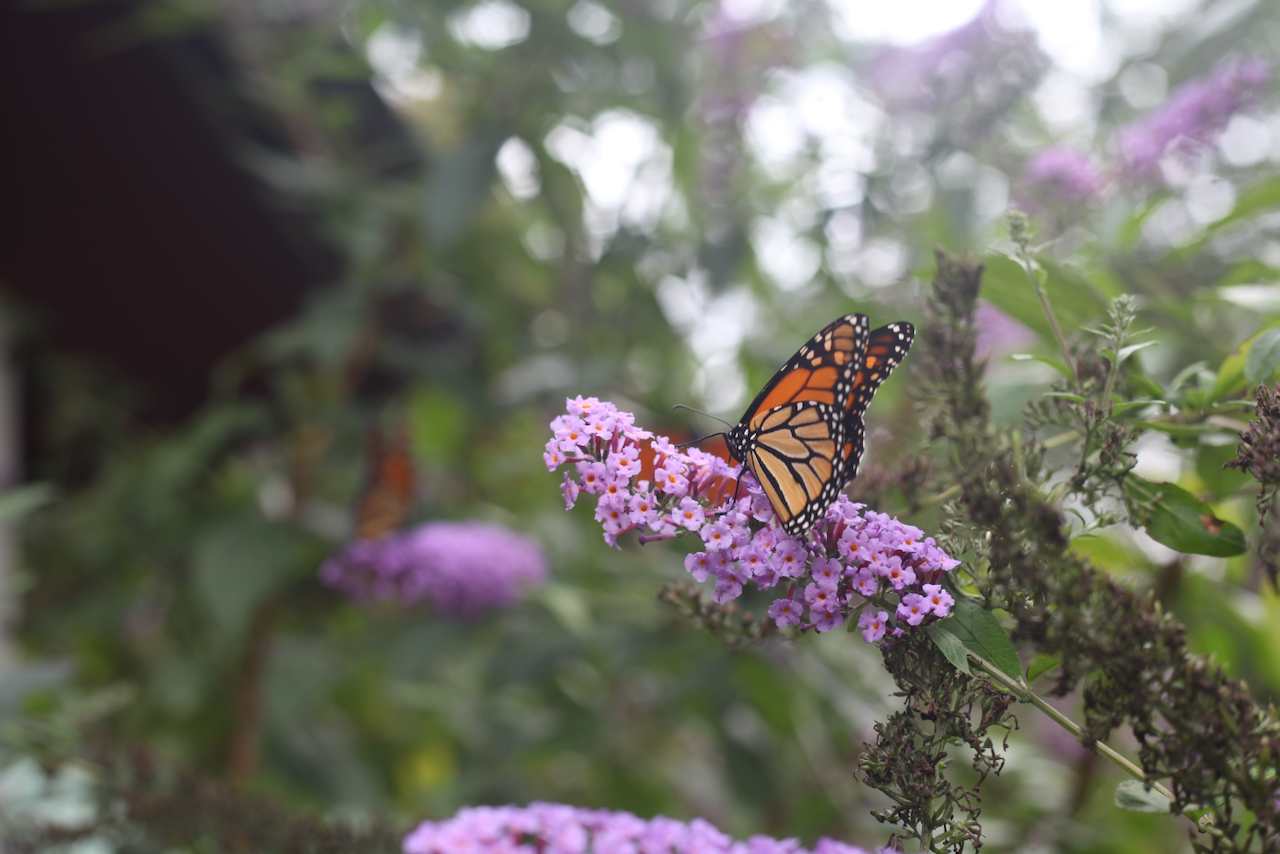
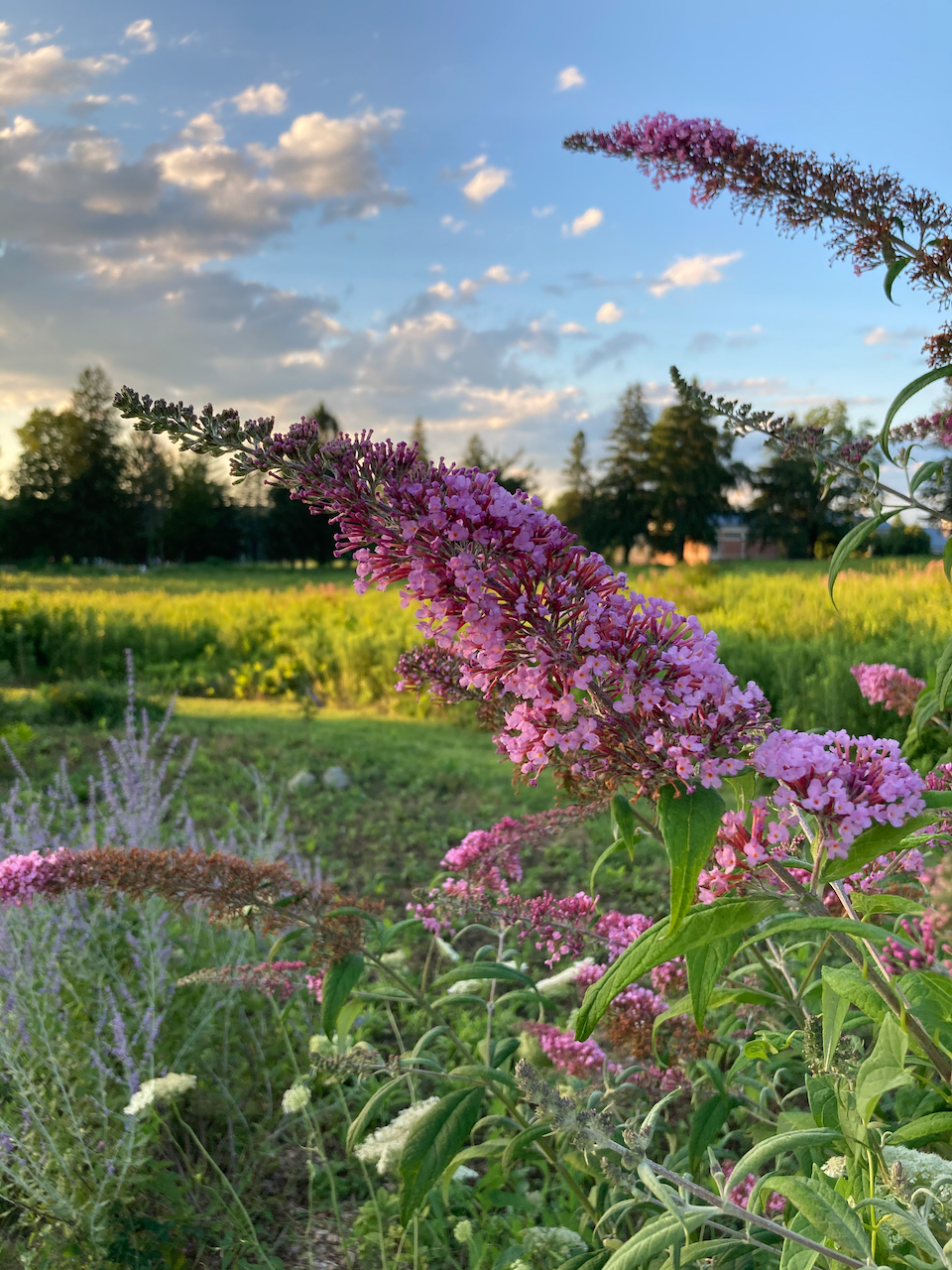
Butterfly Bush
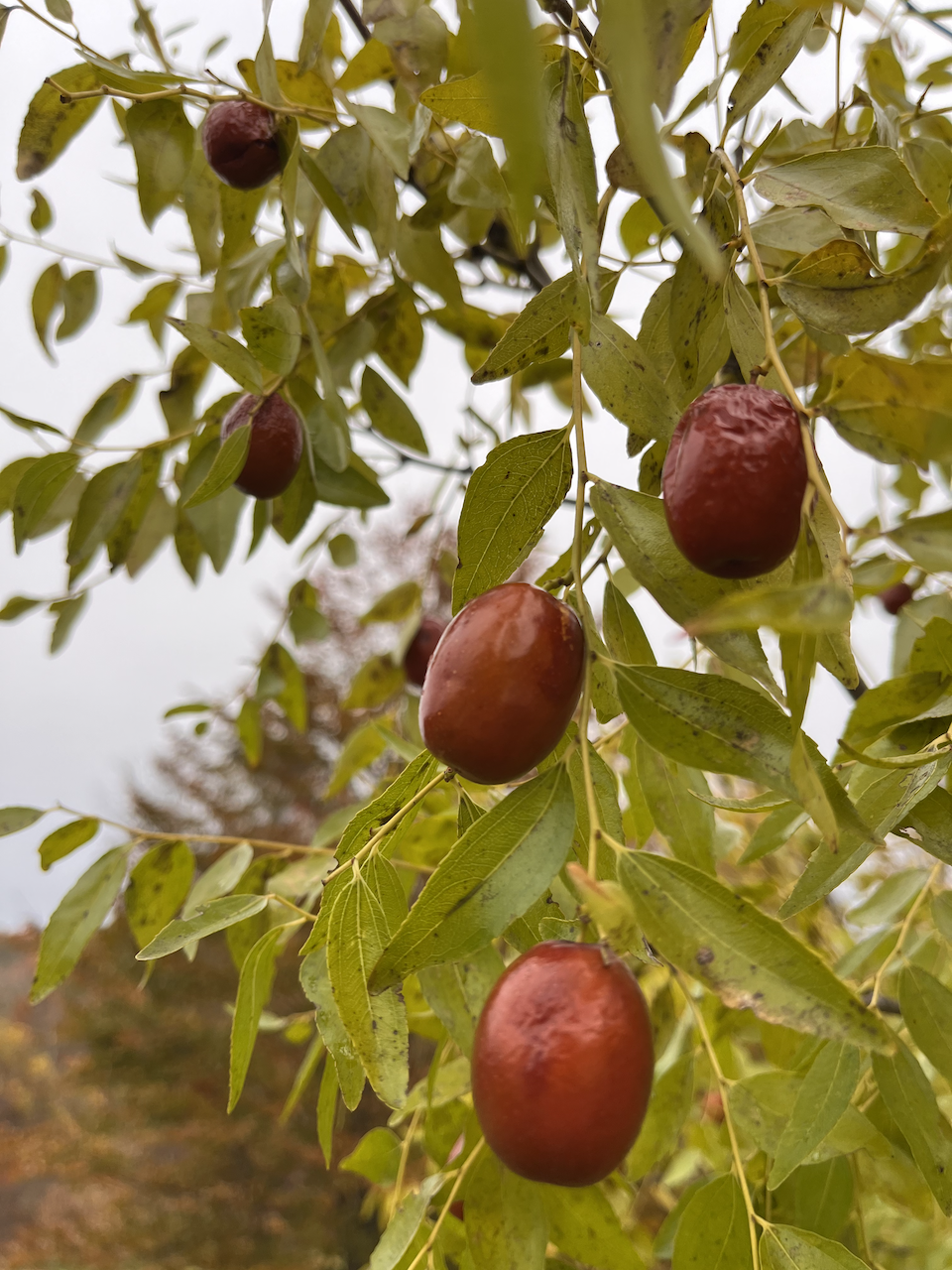
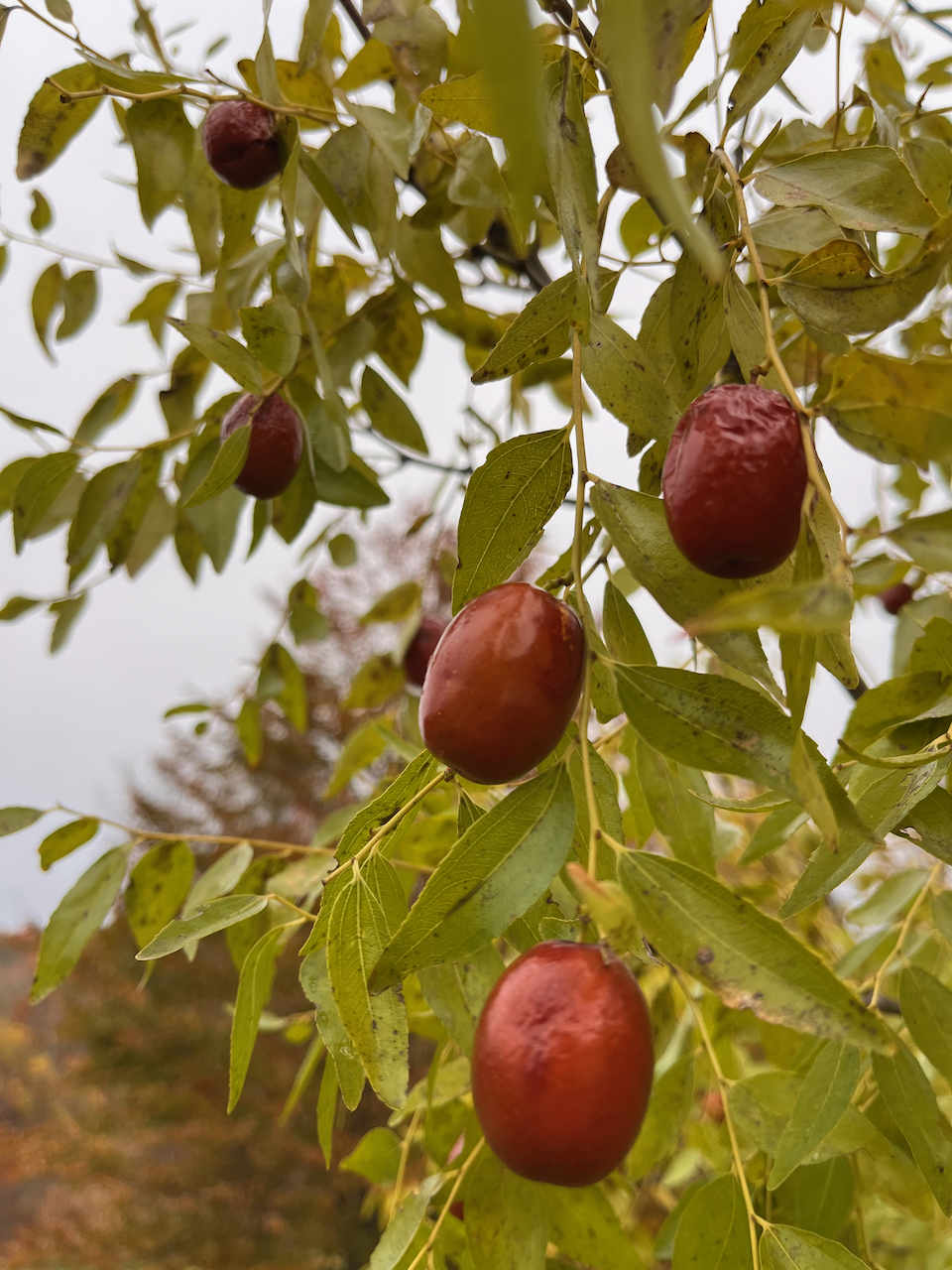
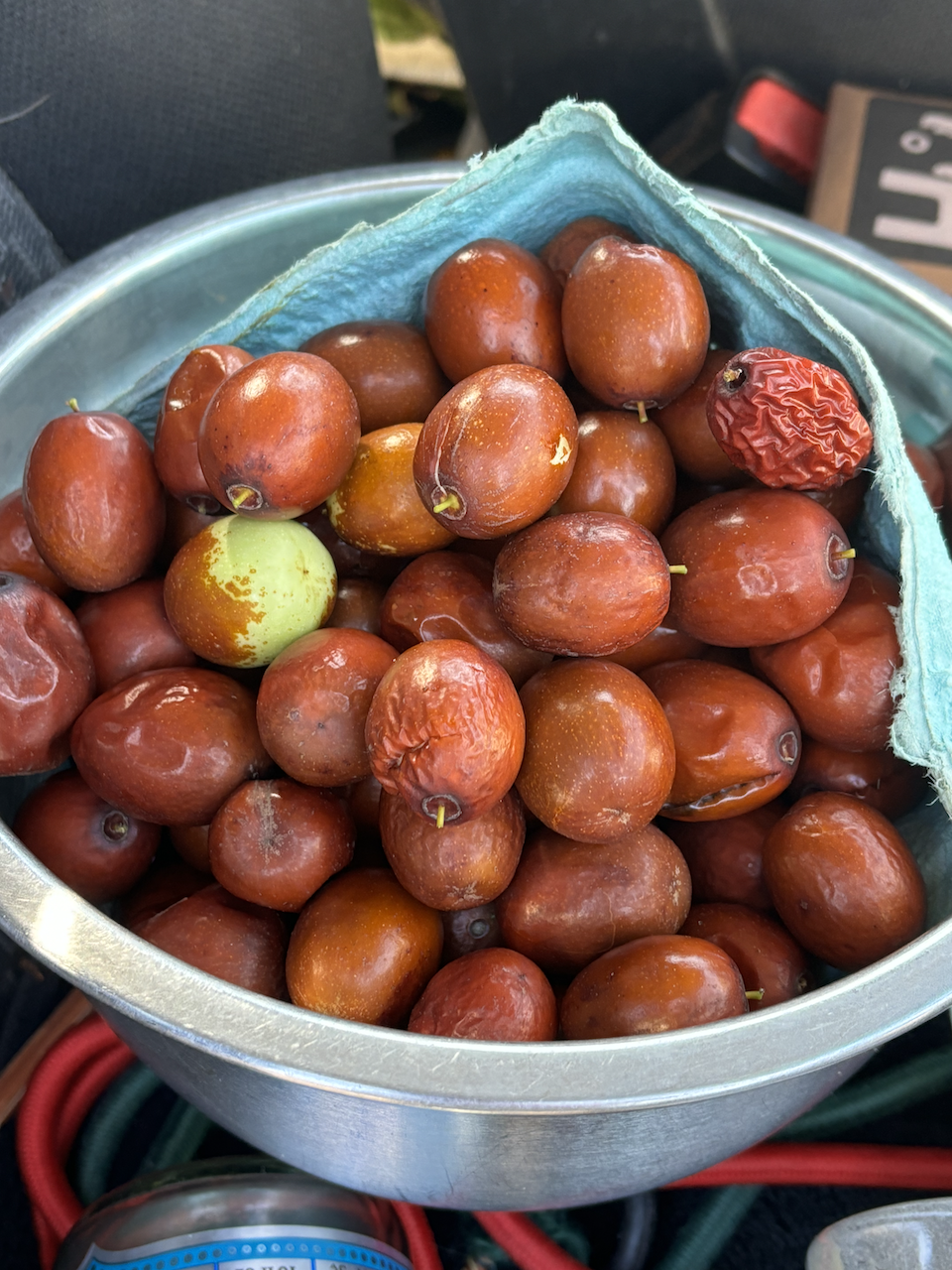
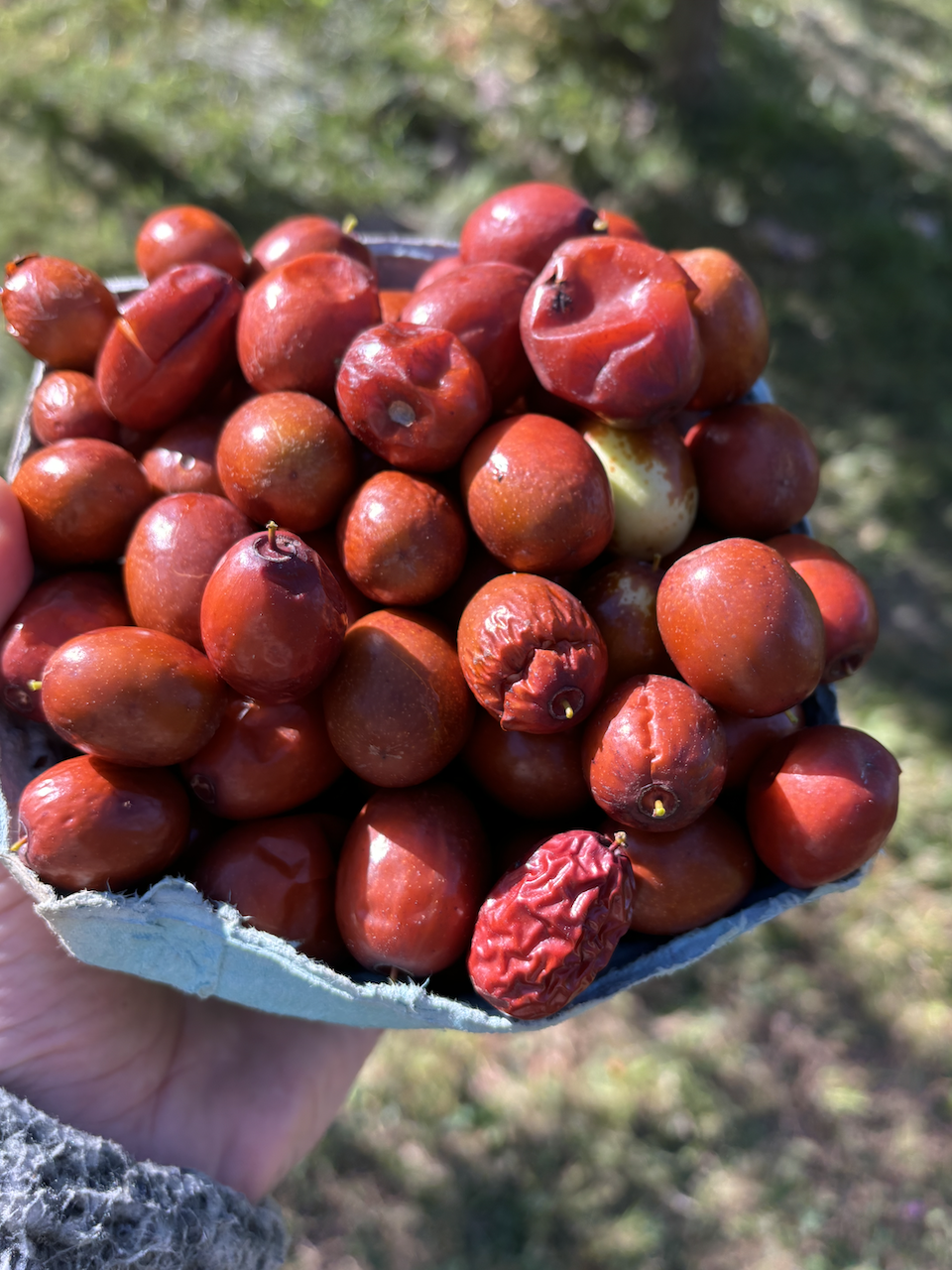
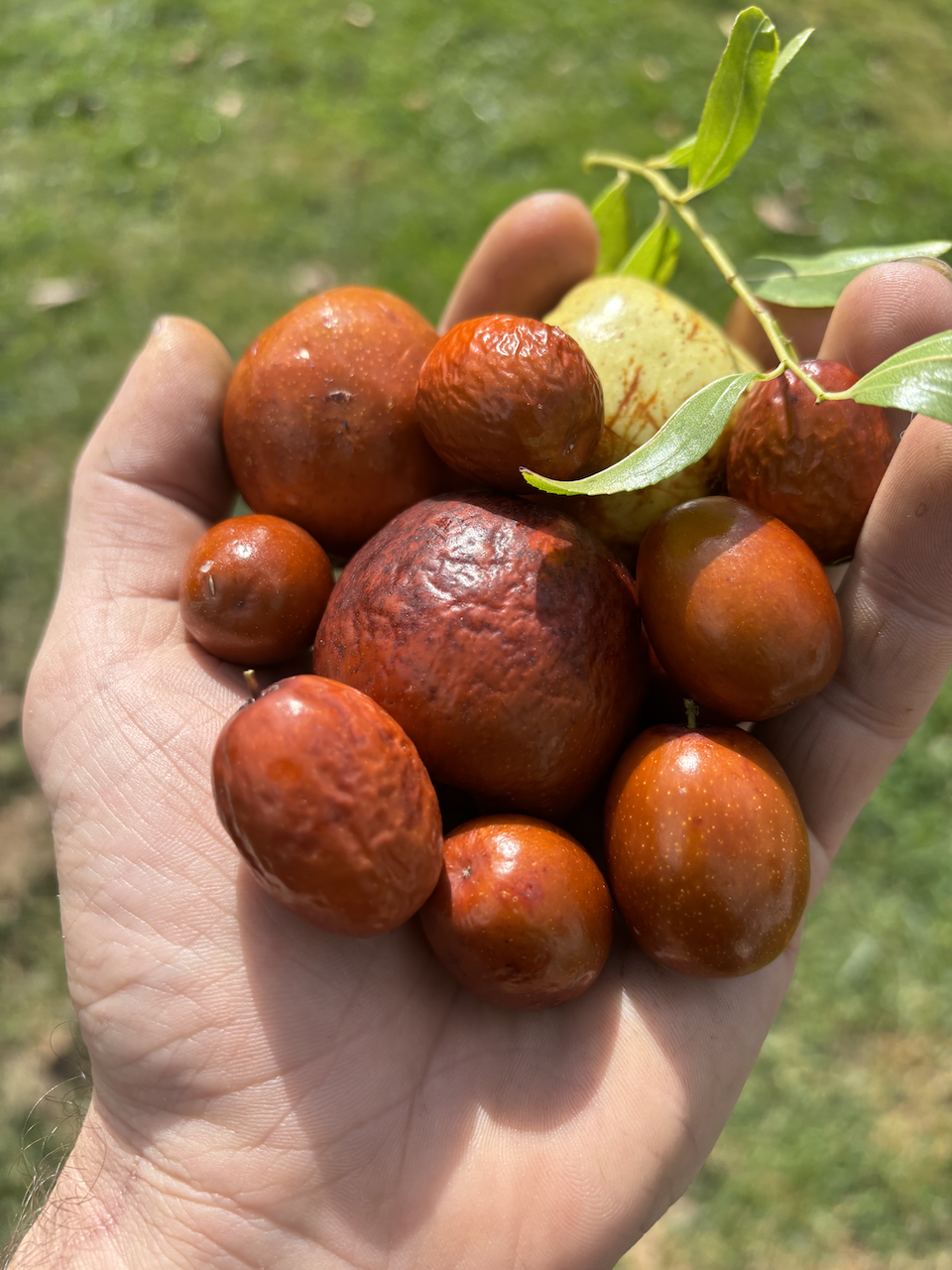
Jujube
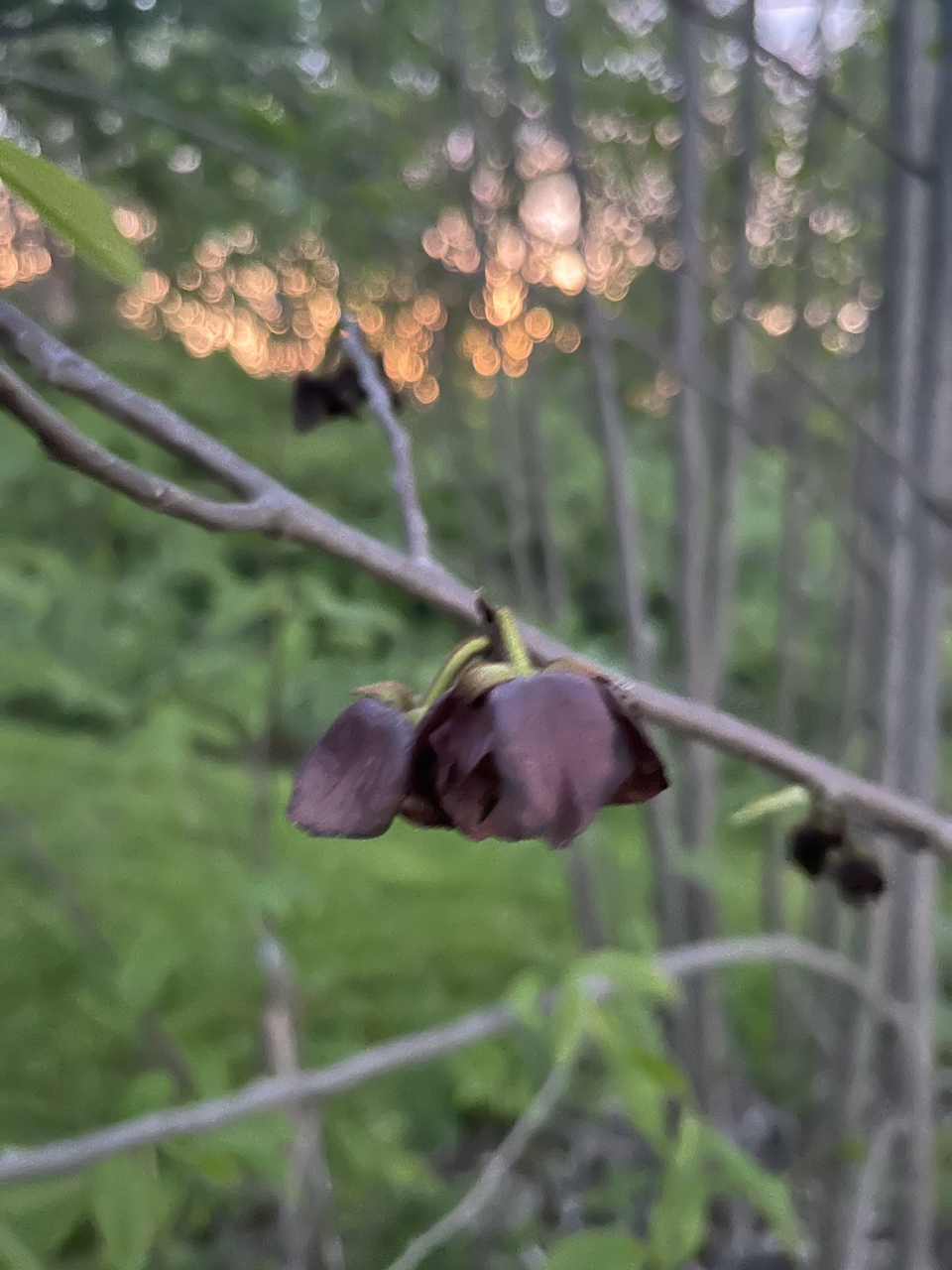
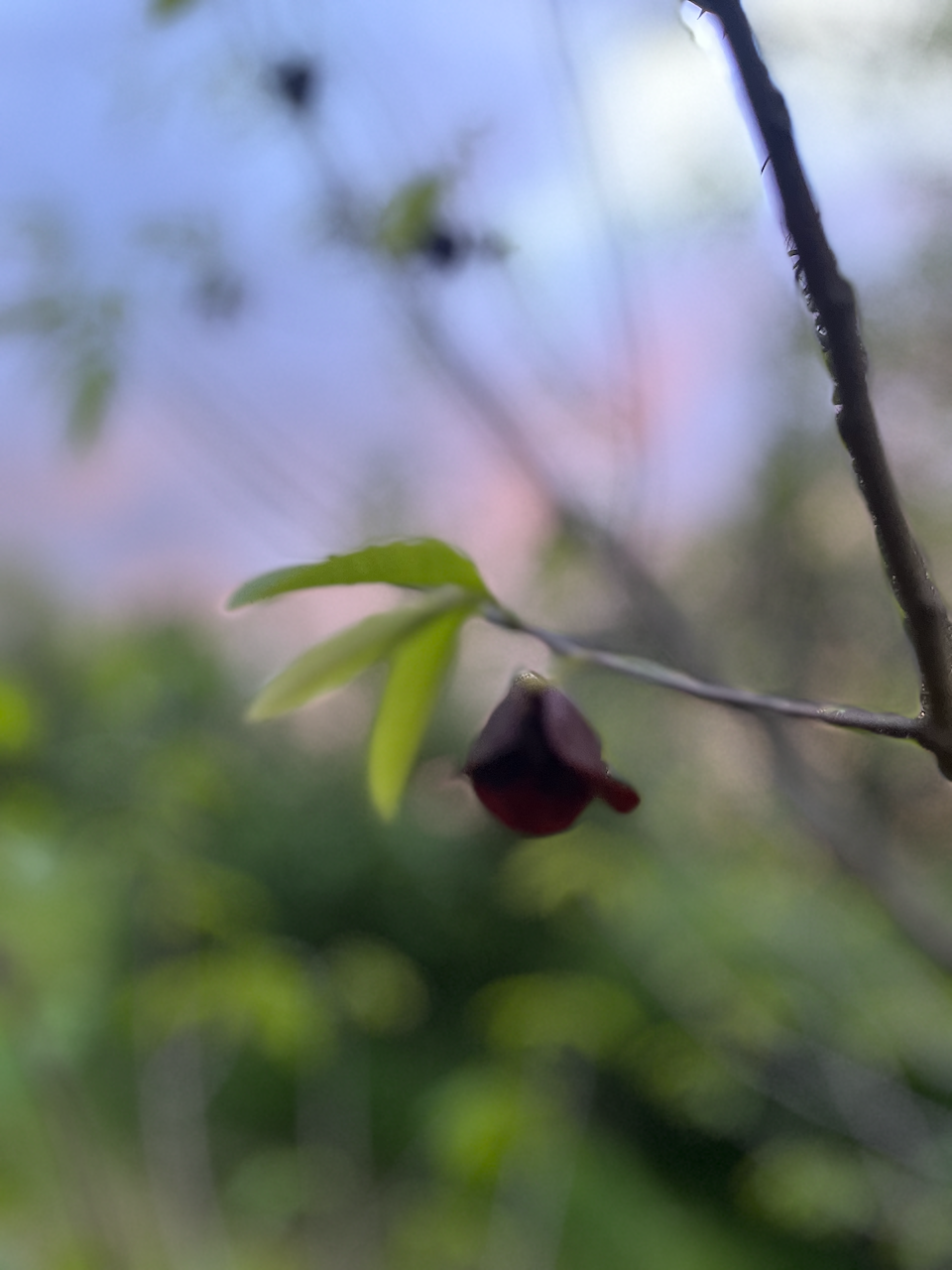
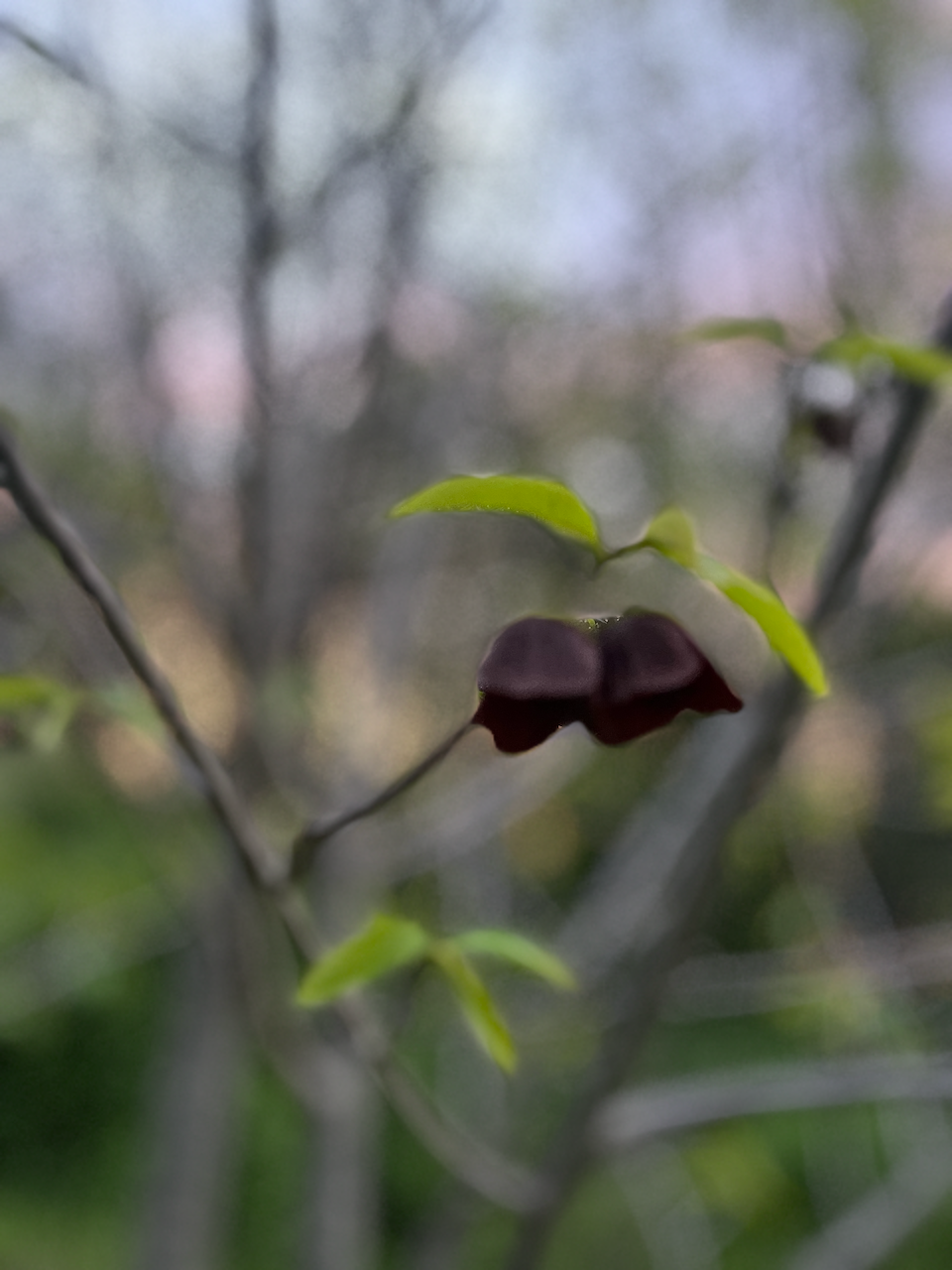
Pawpaw flower
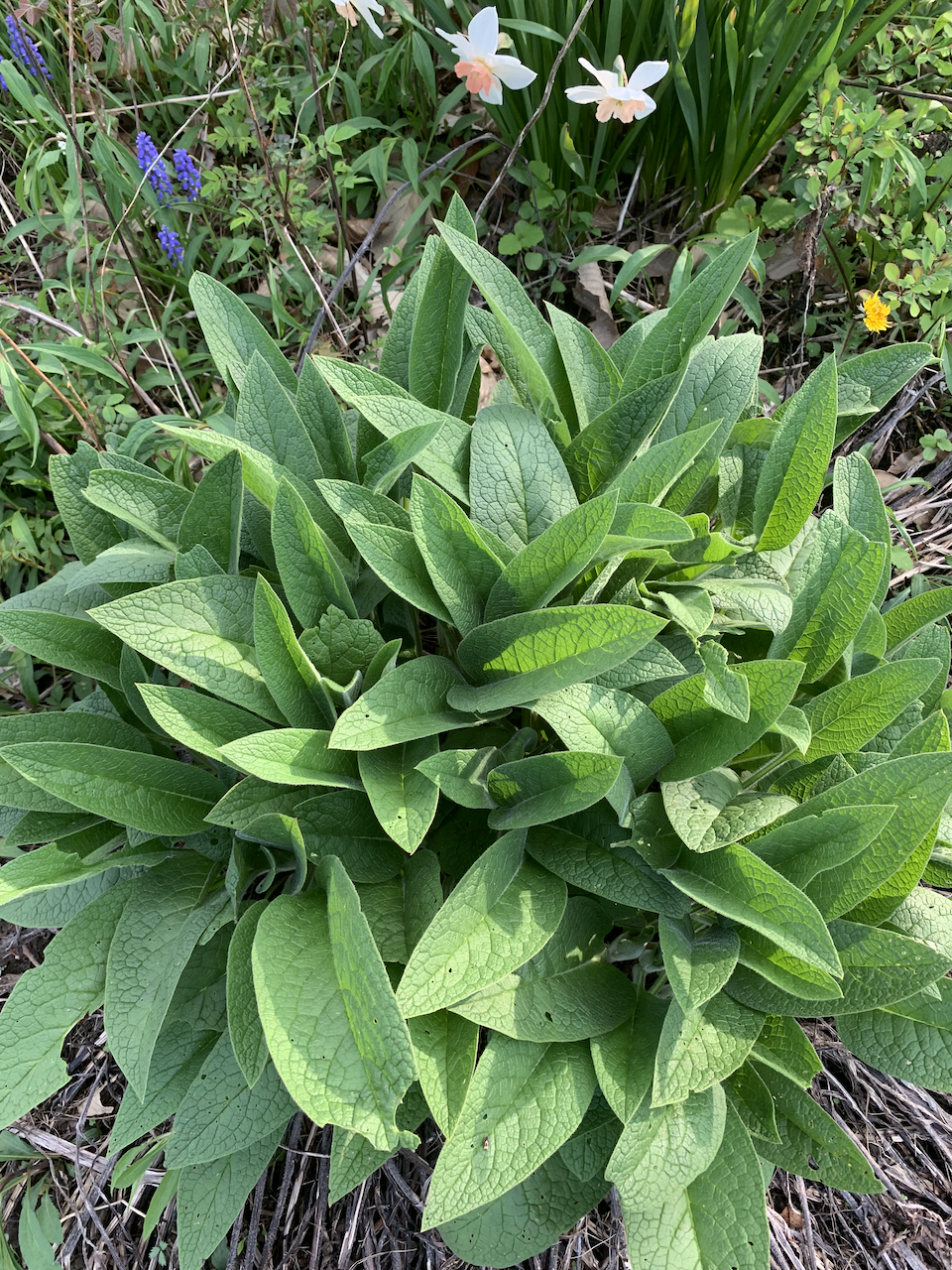
Sterile Russian Comfrey
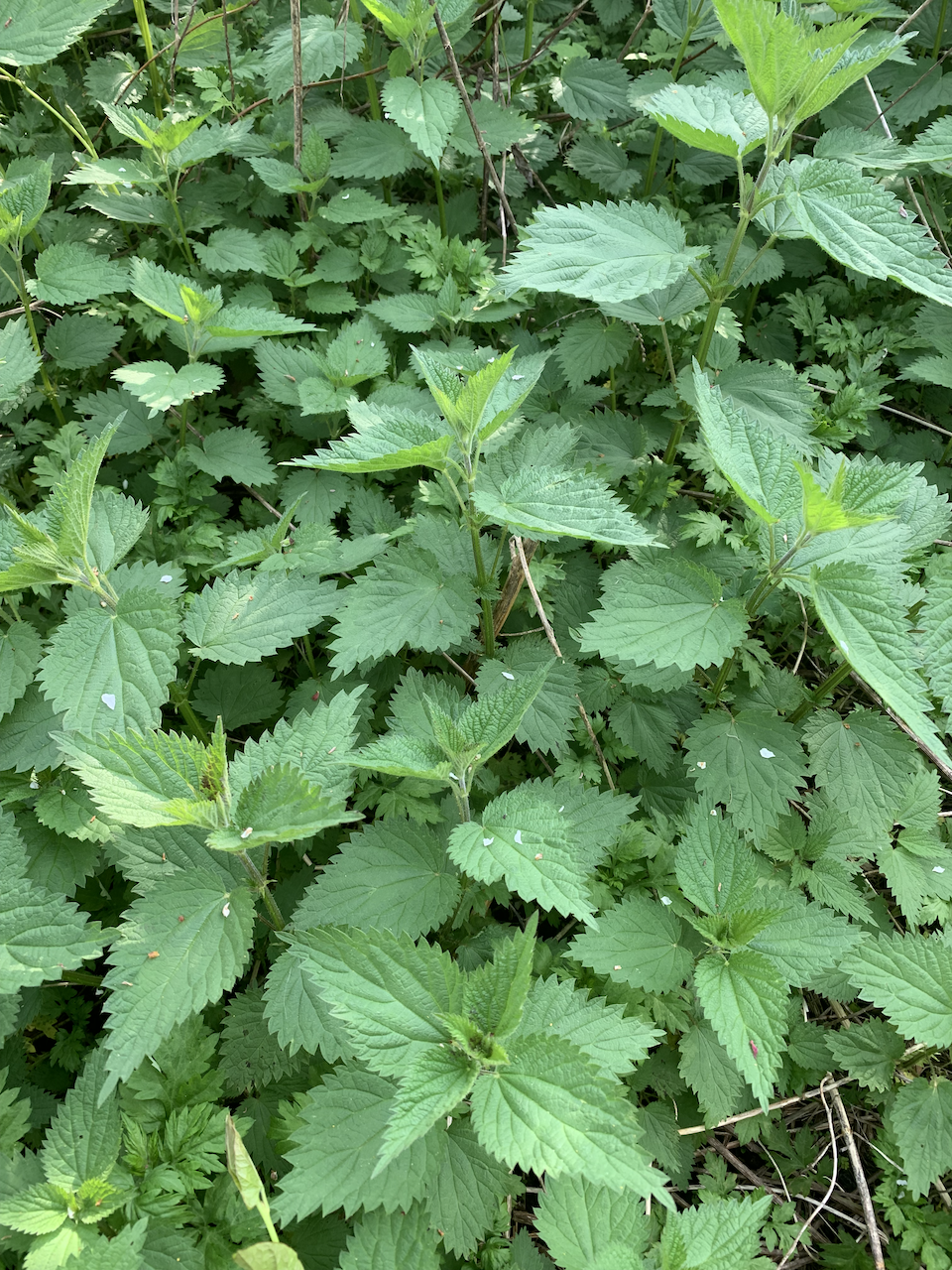
Bee Balm Foliage
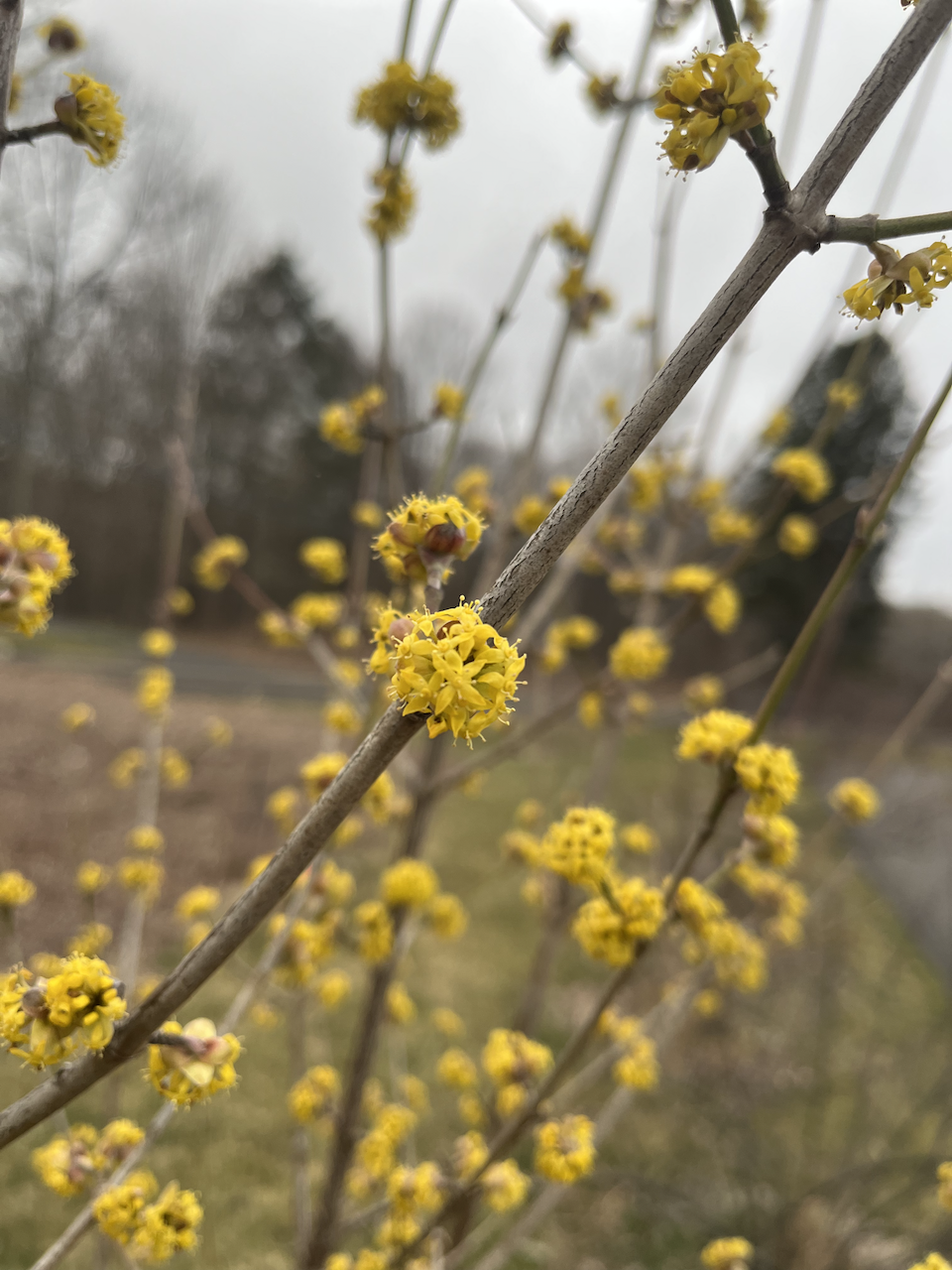
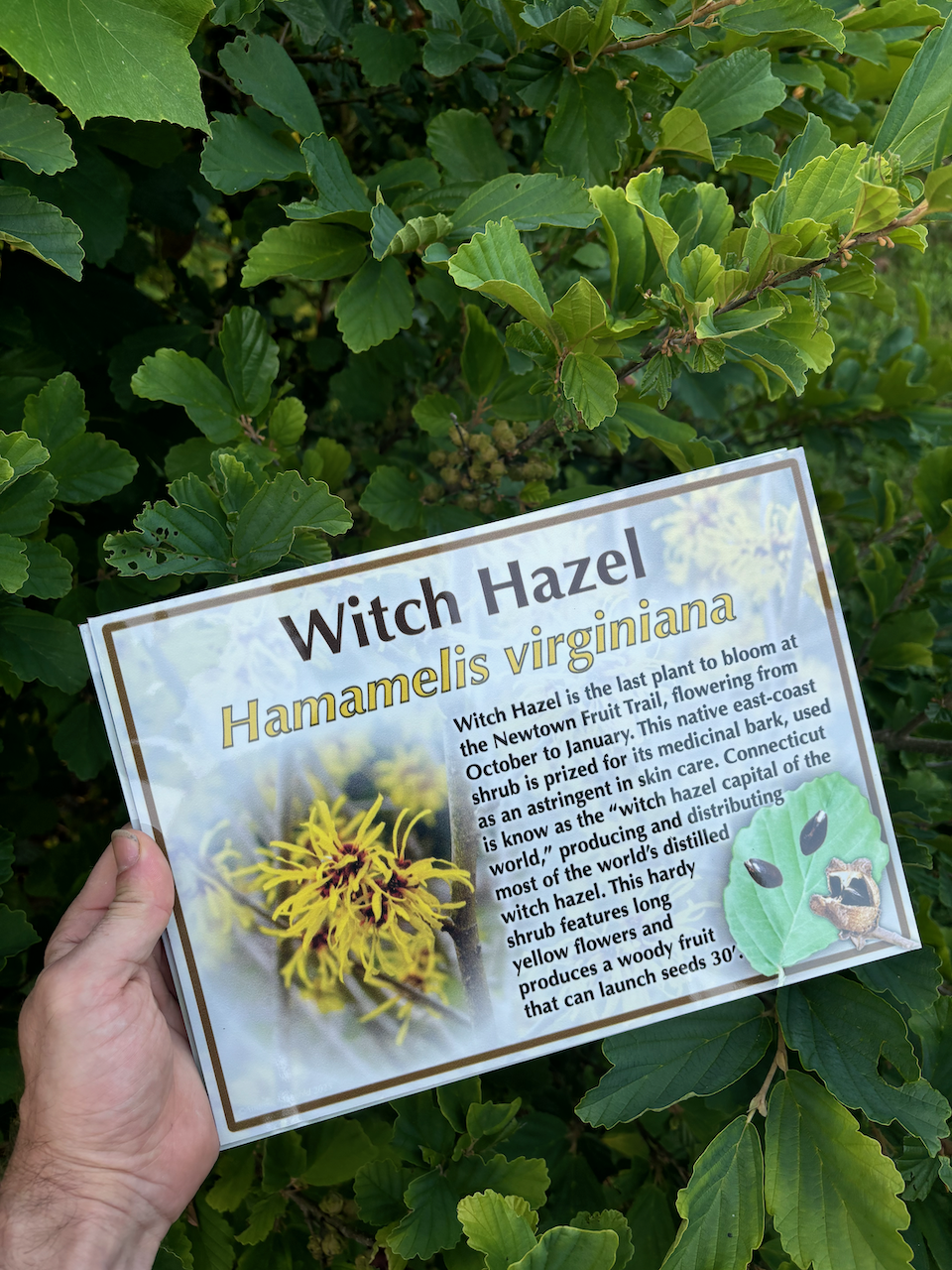
Witch Hazel
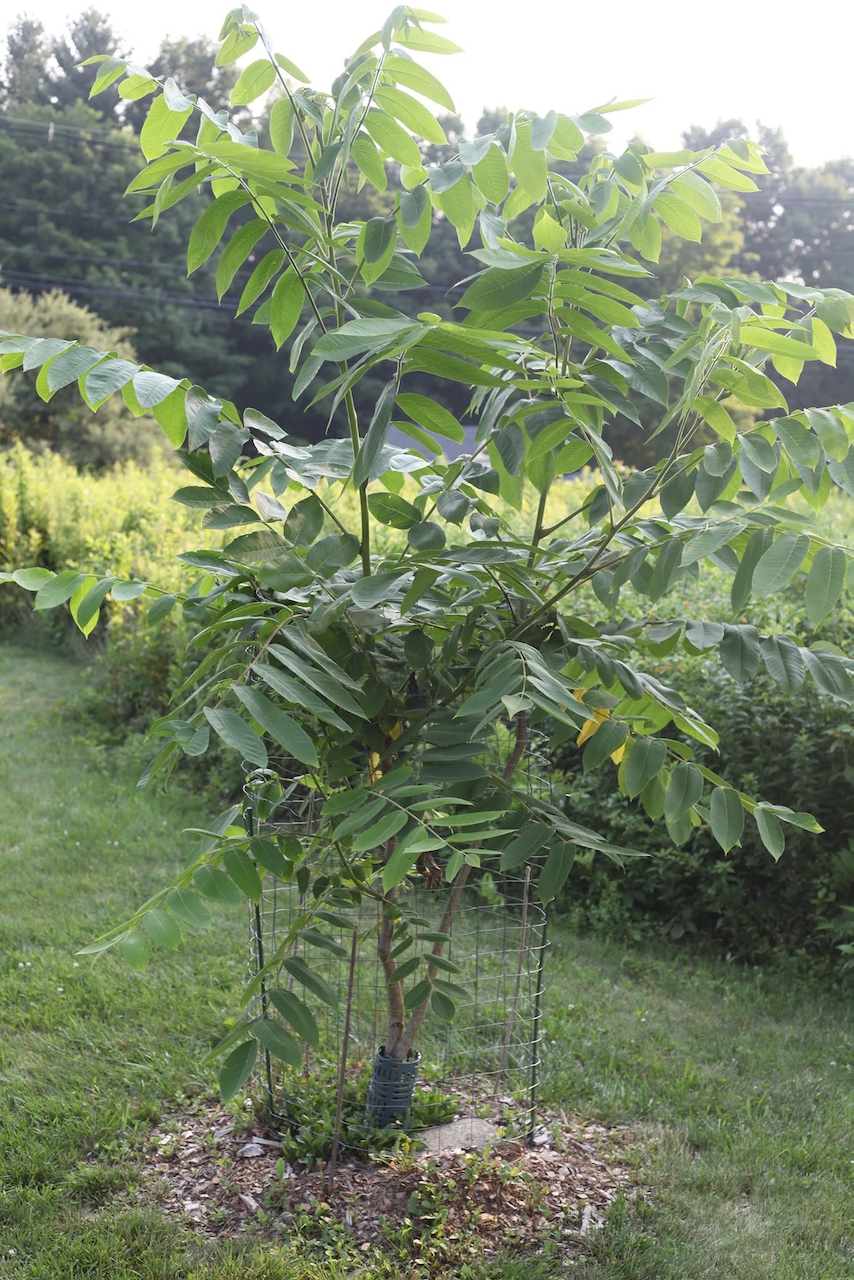
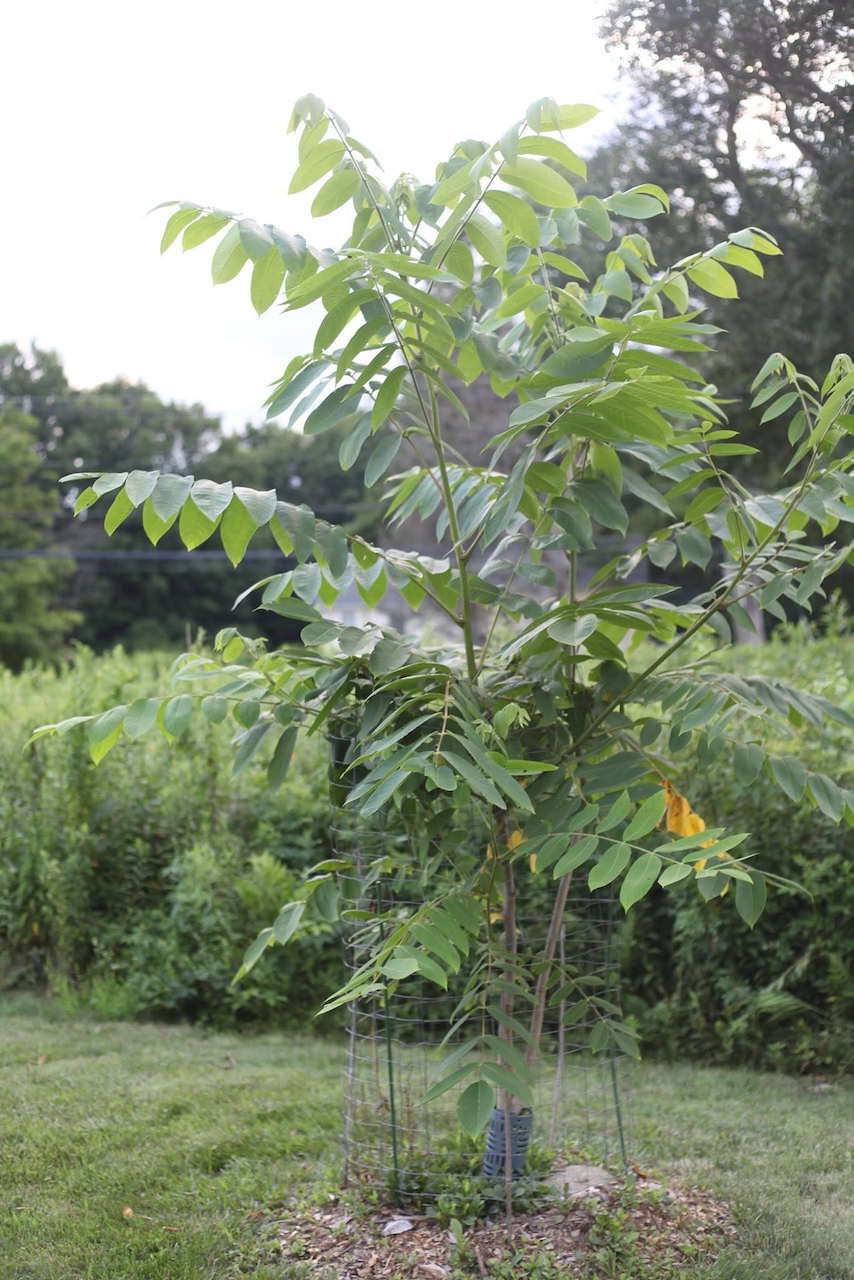
Black Walnut
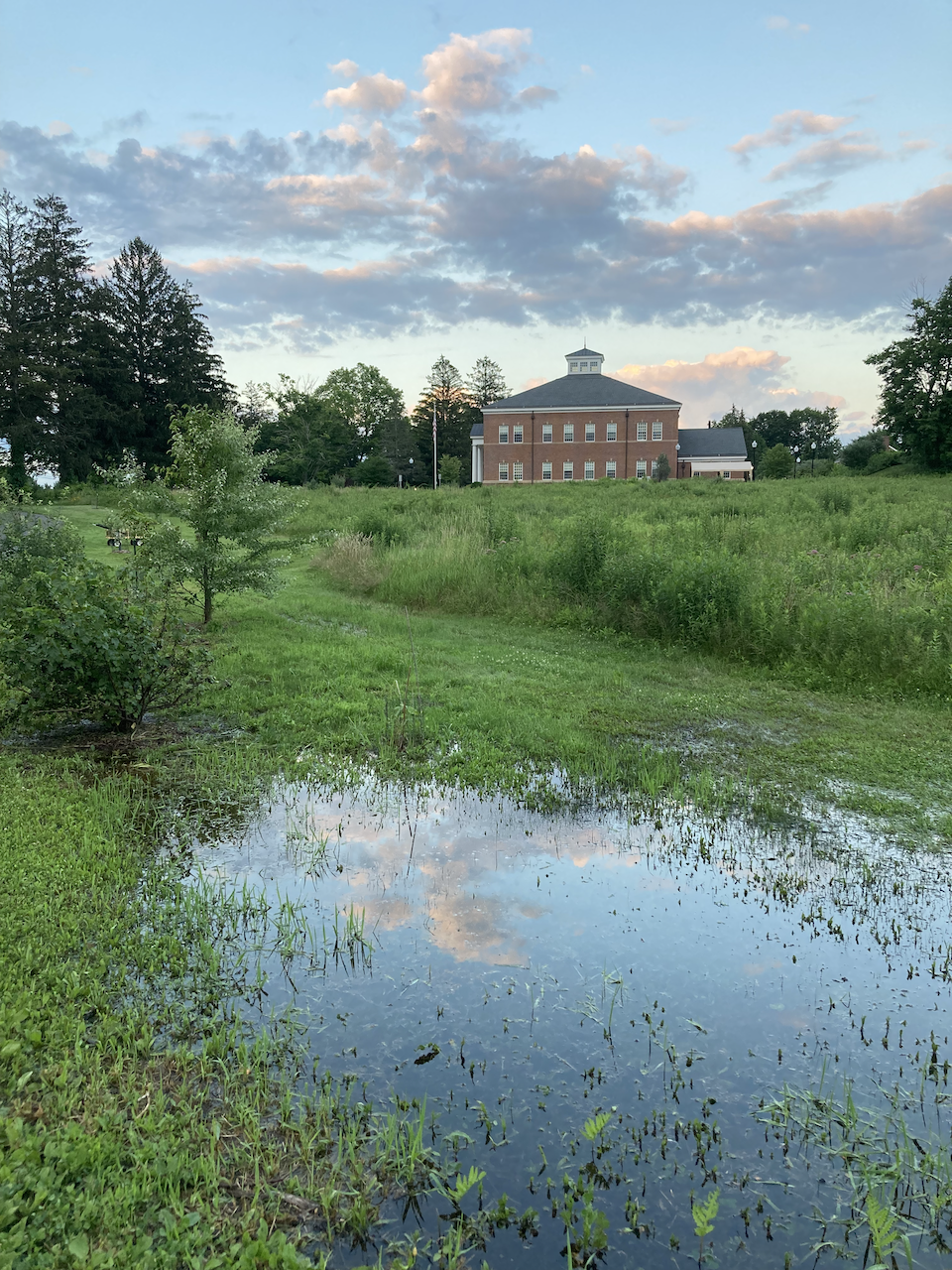
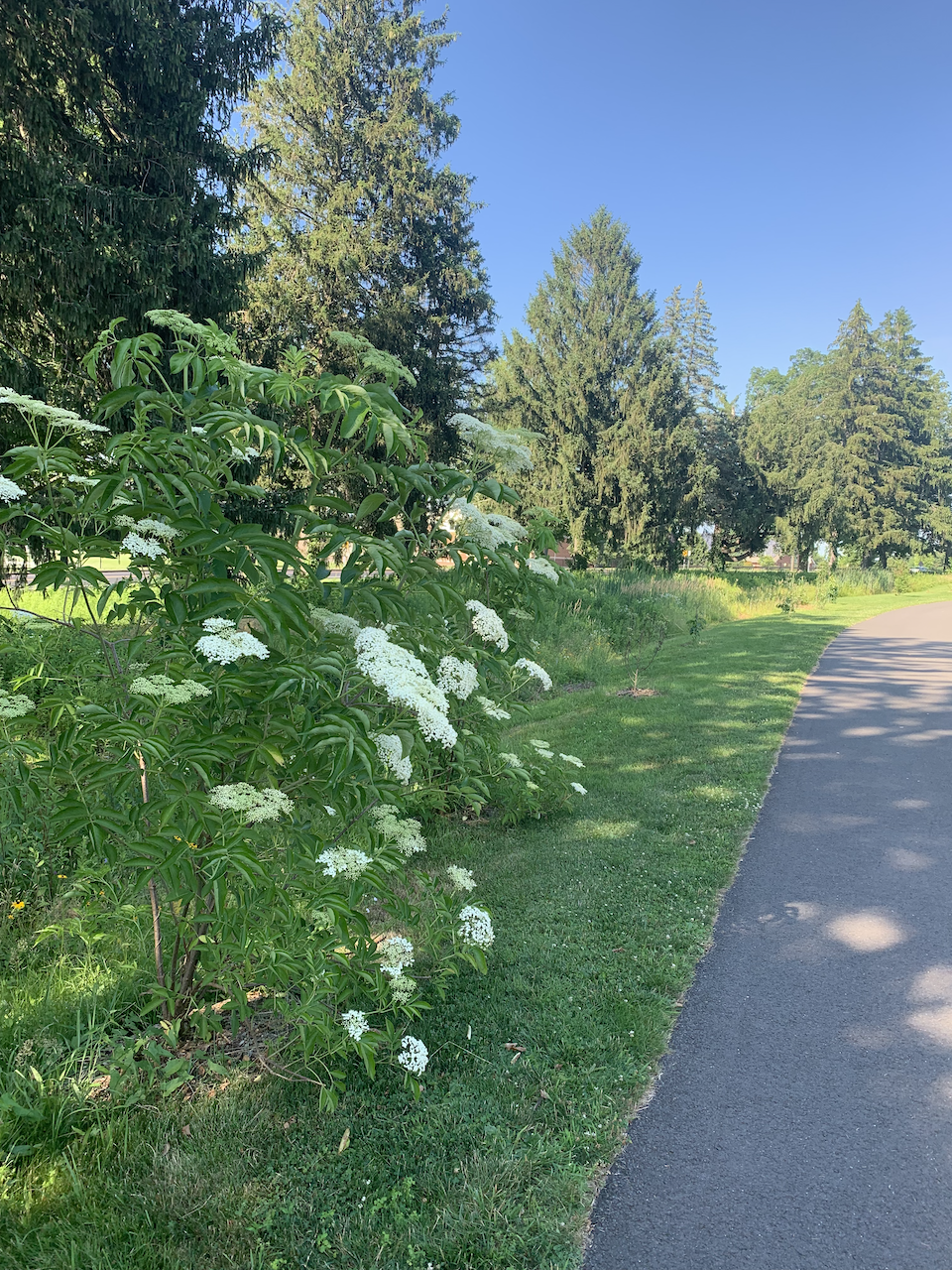
Spring flooded zone. Beautiful. Add willow and elderberry
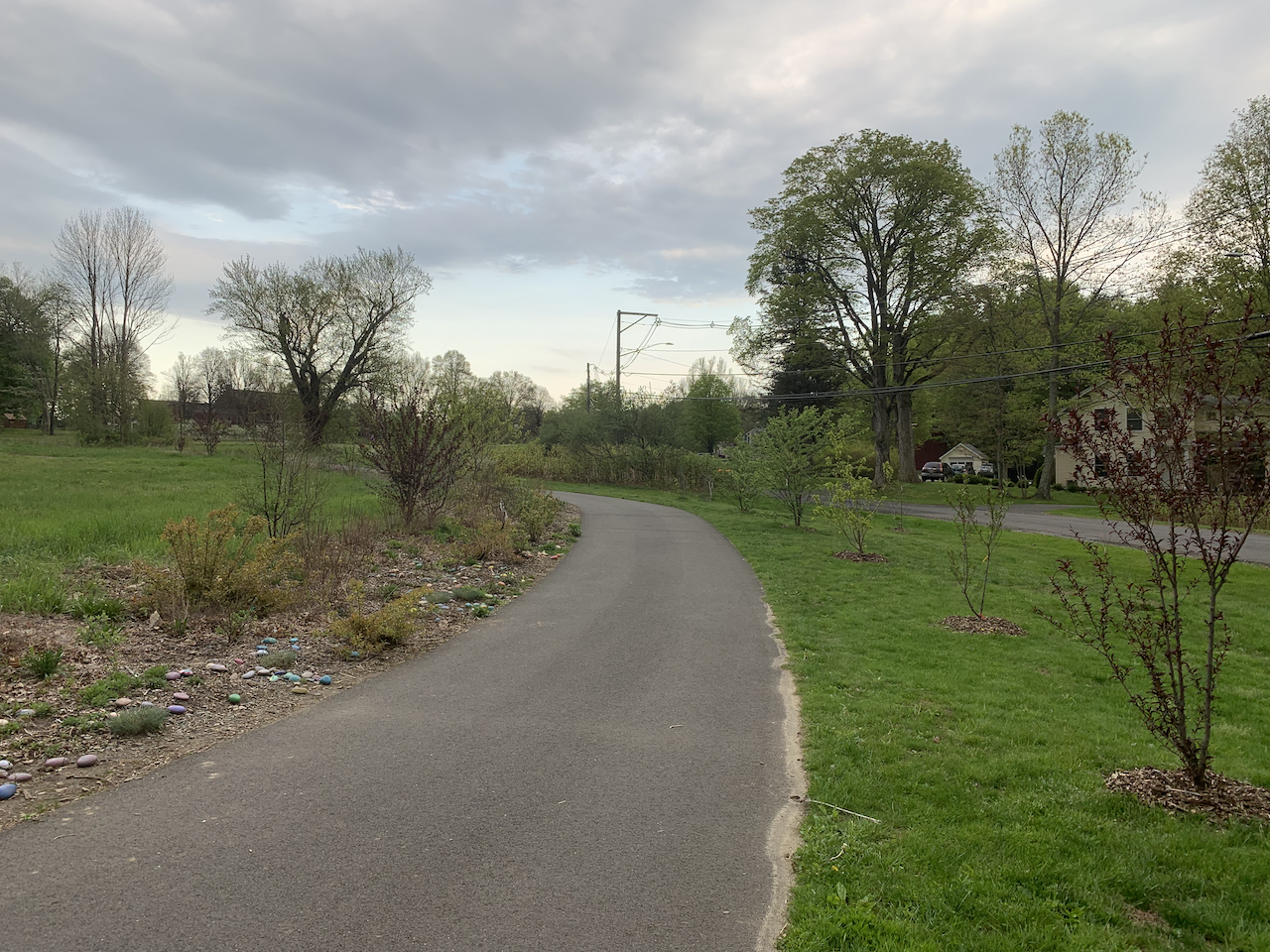
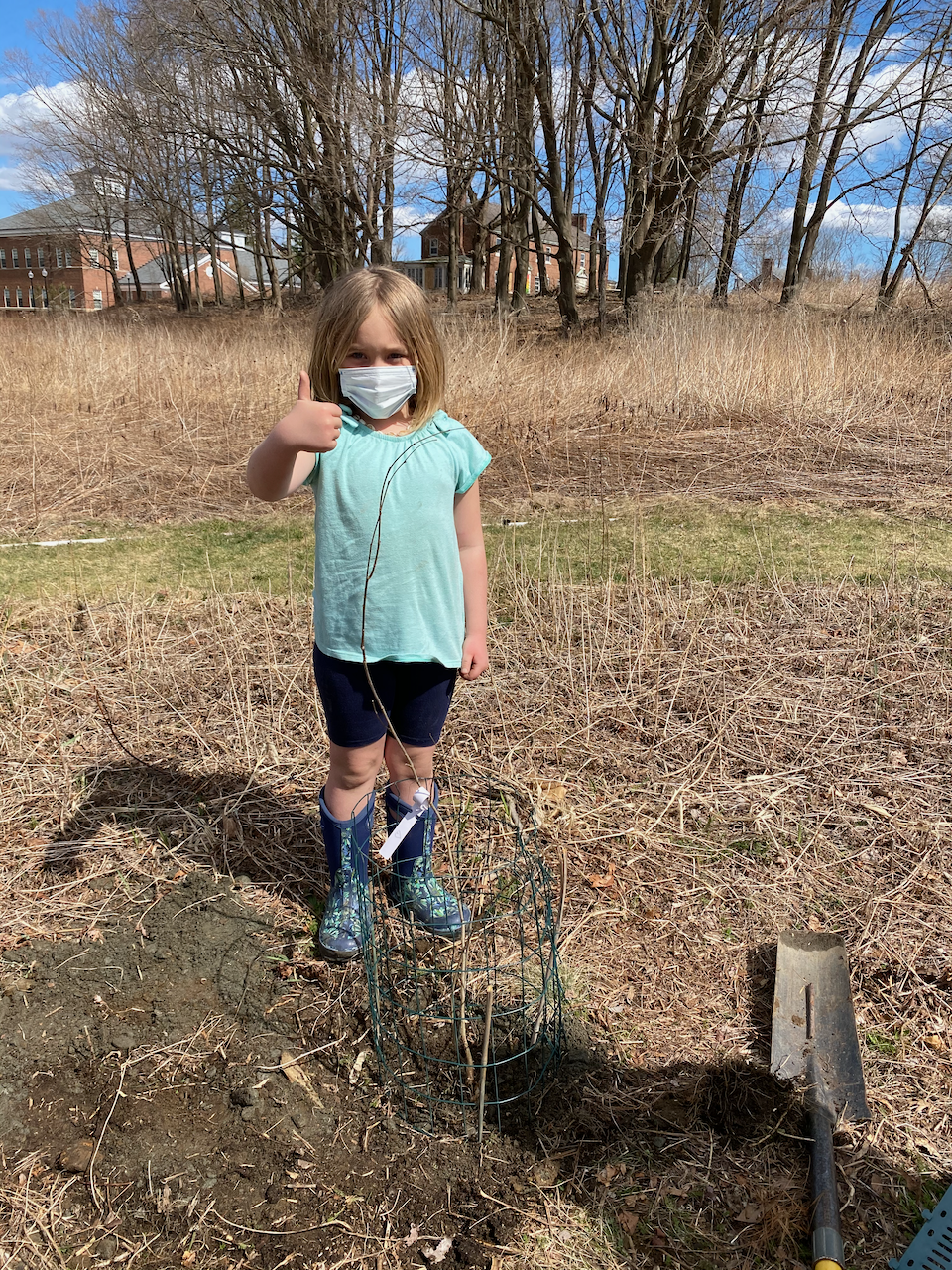
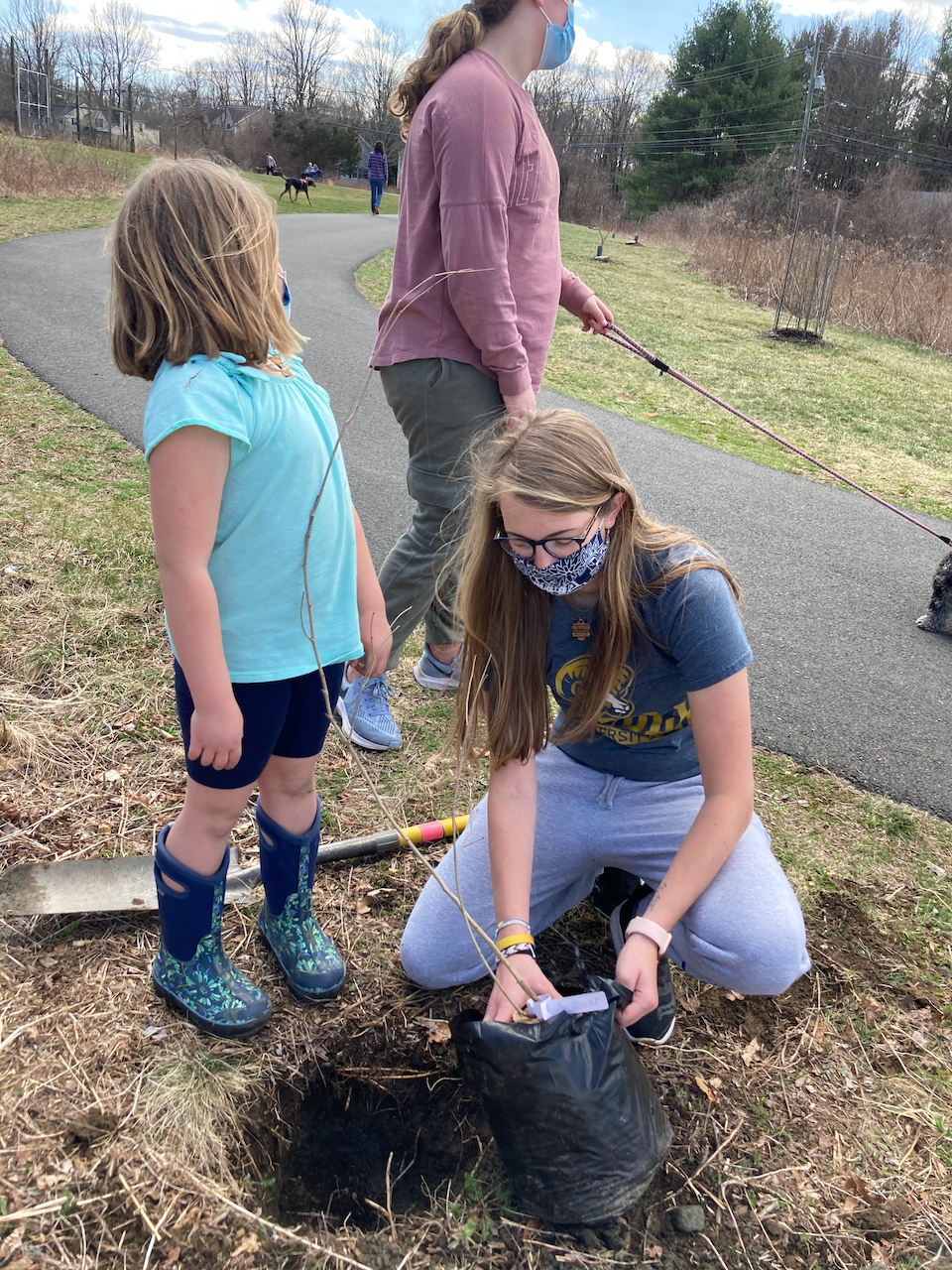
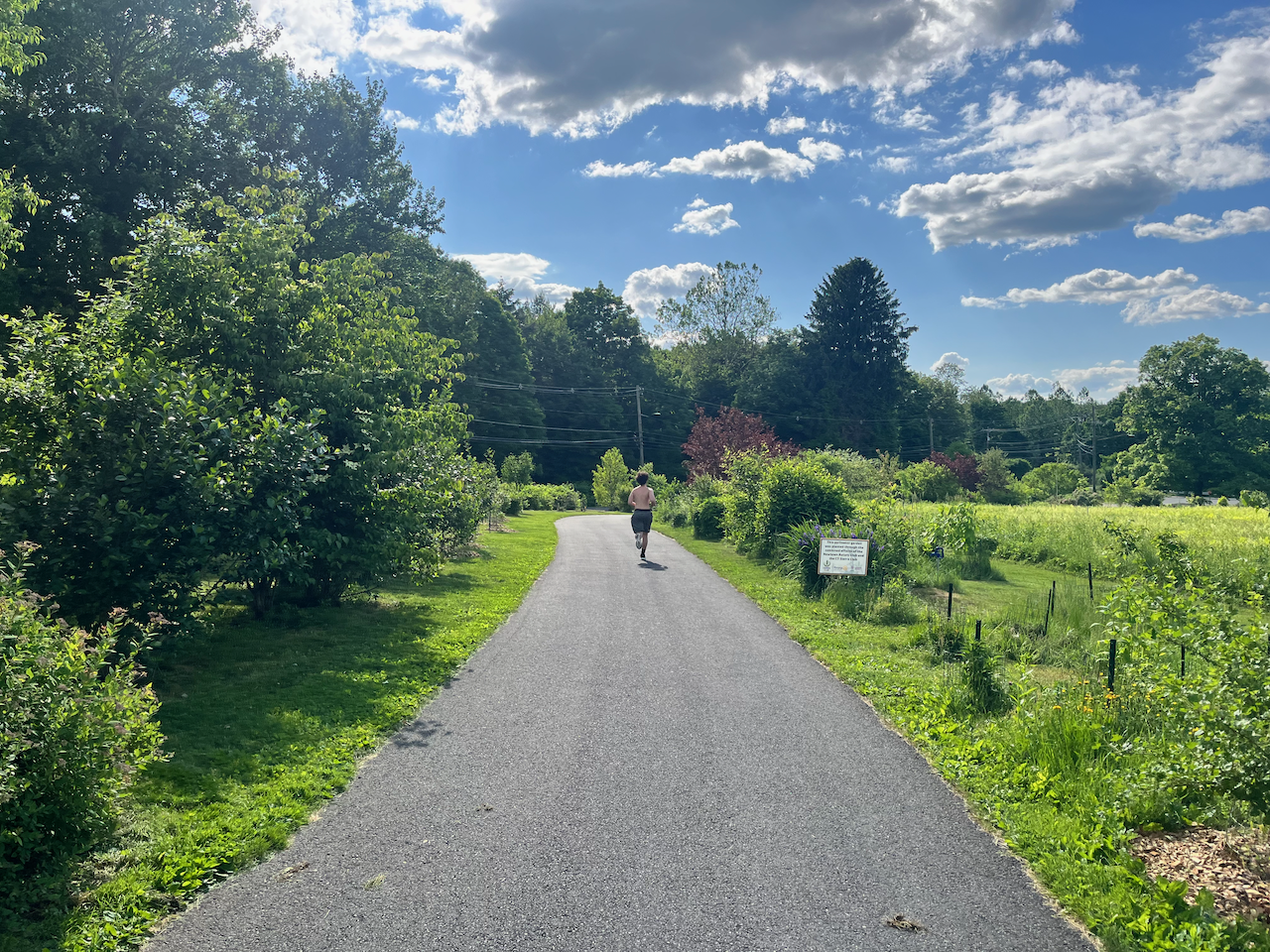
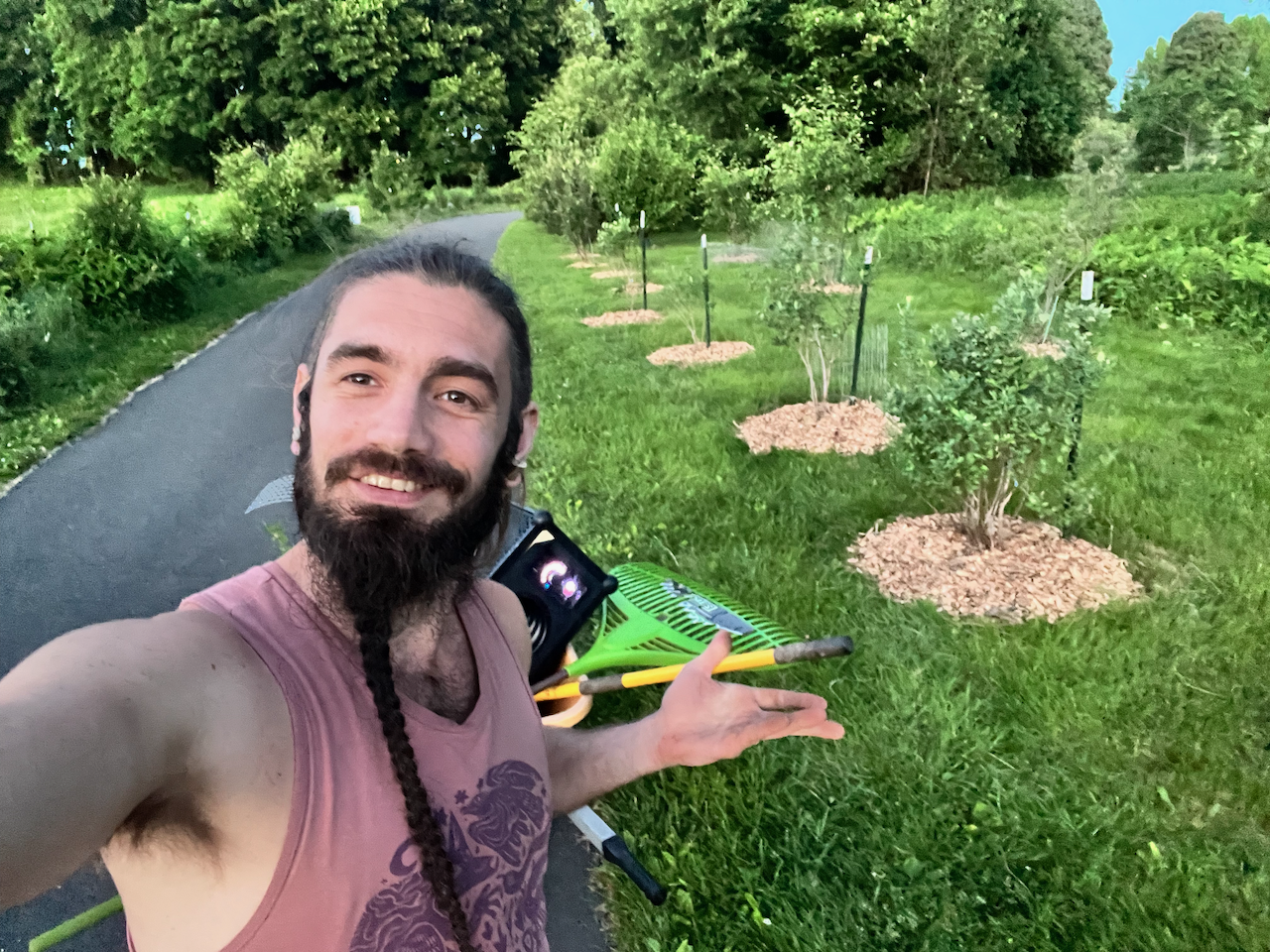
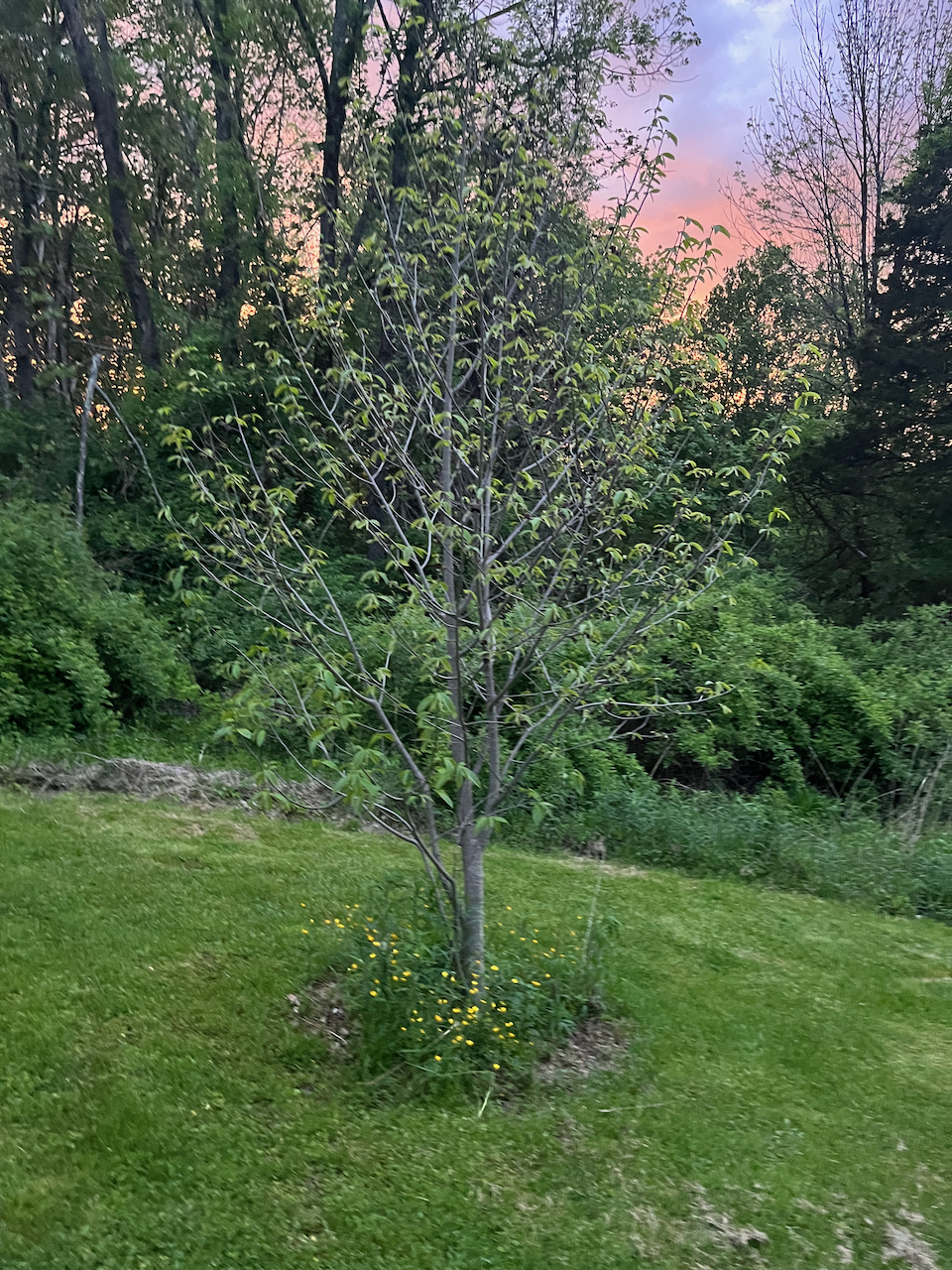
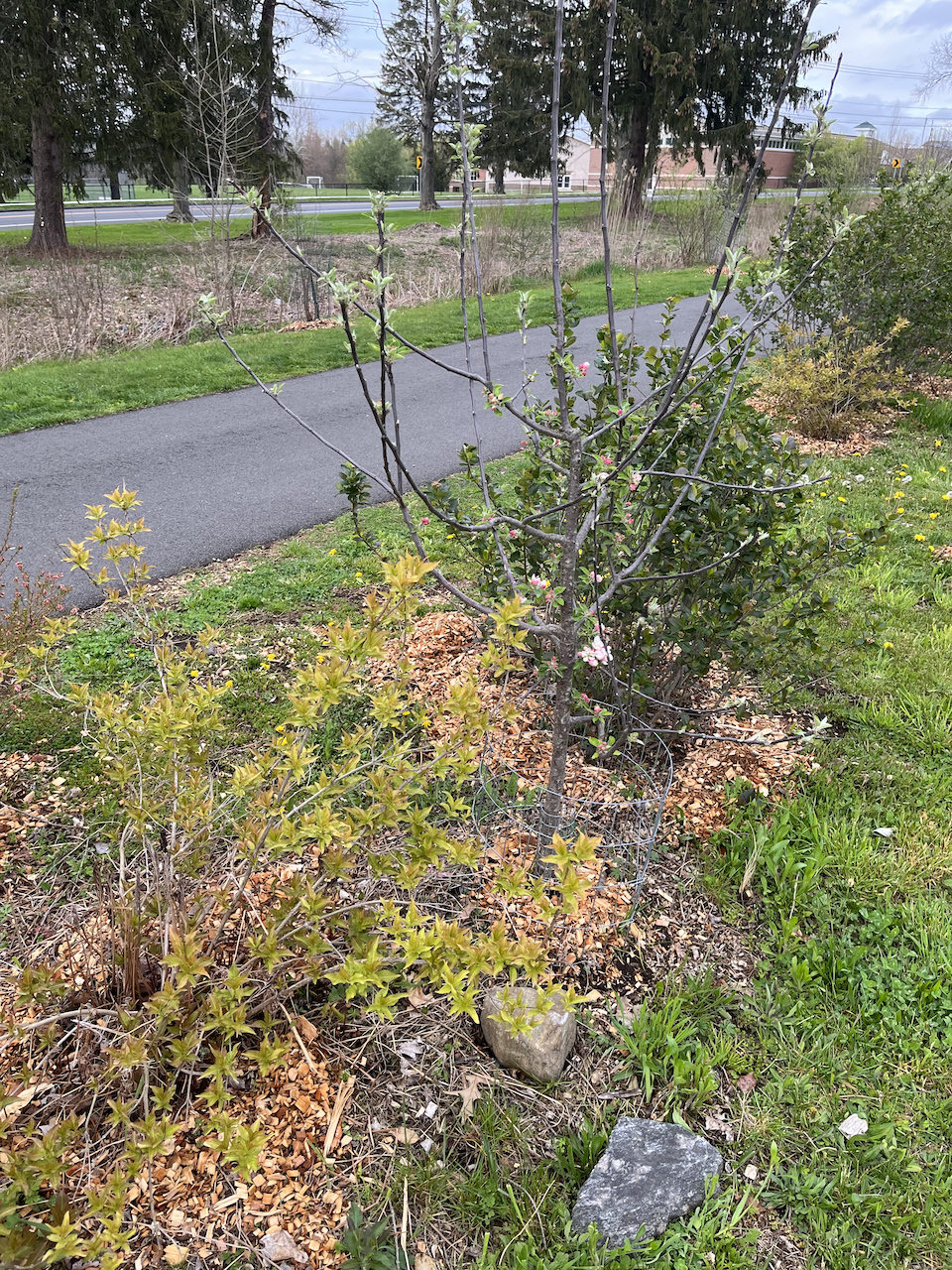
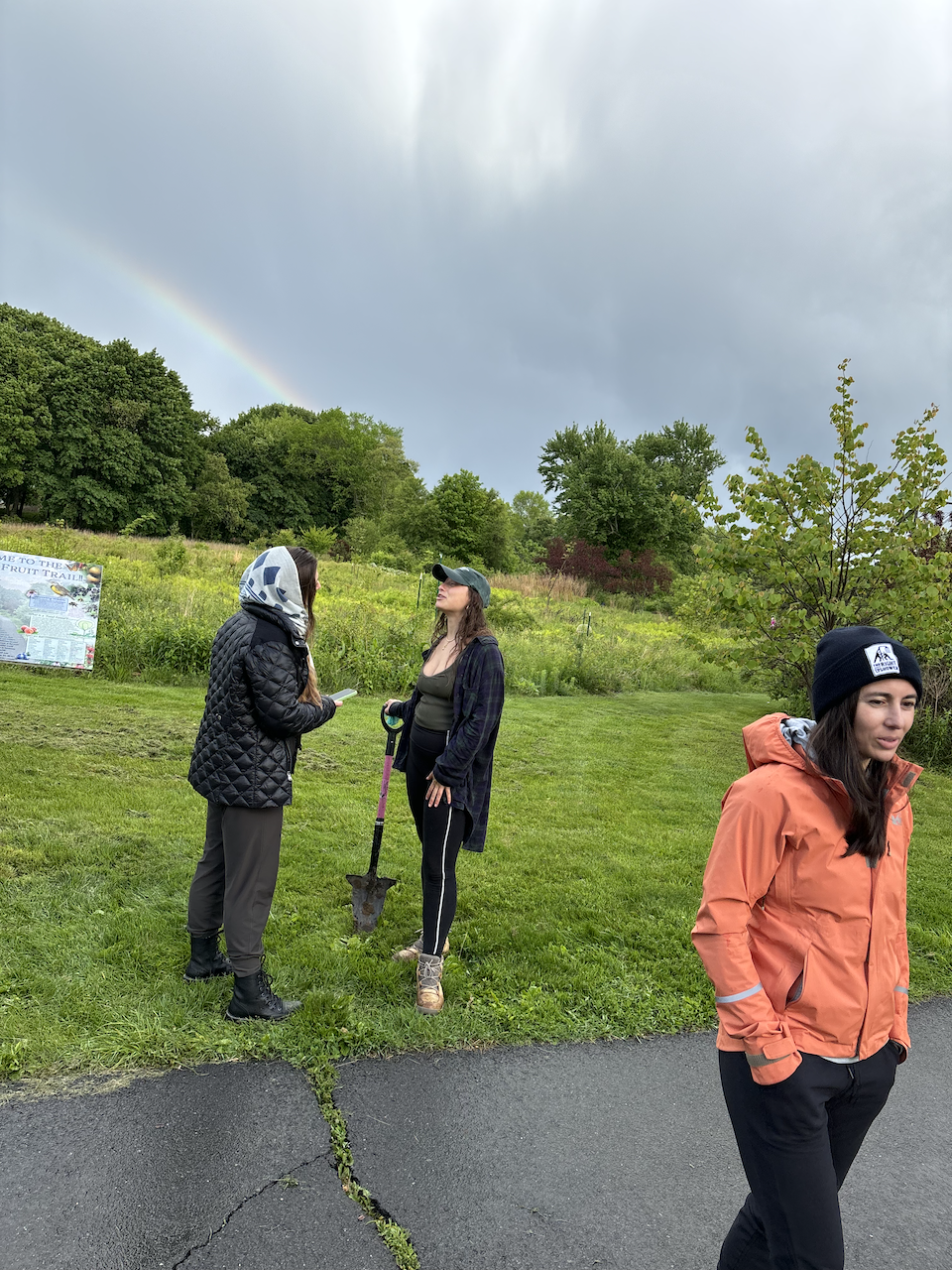
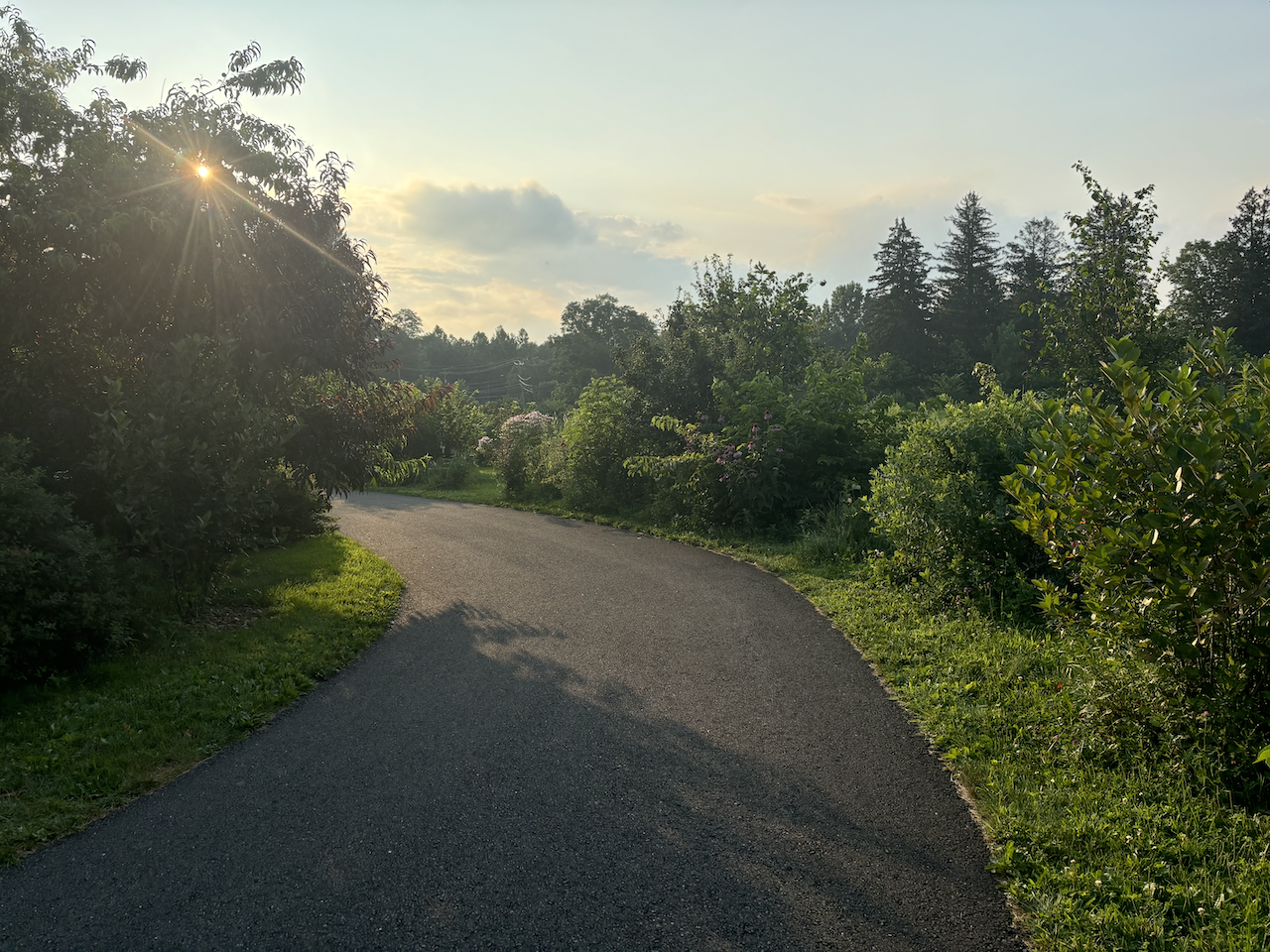
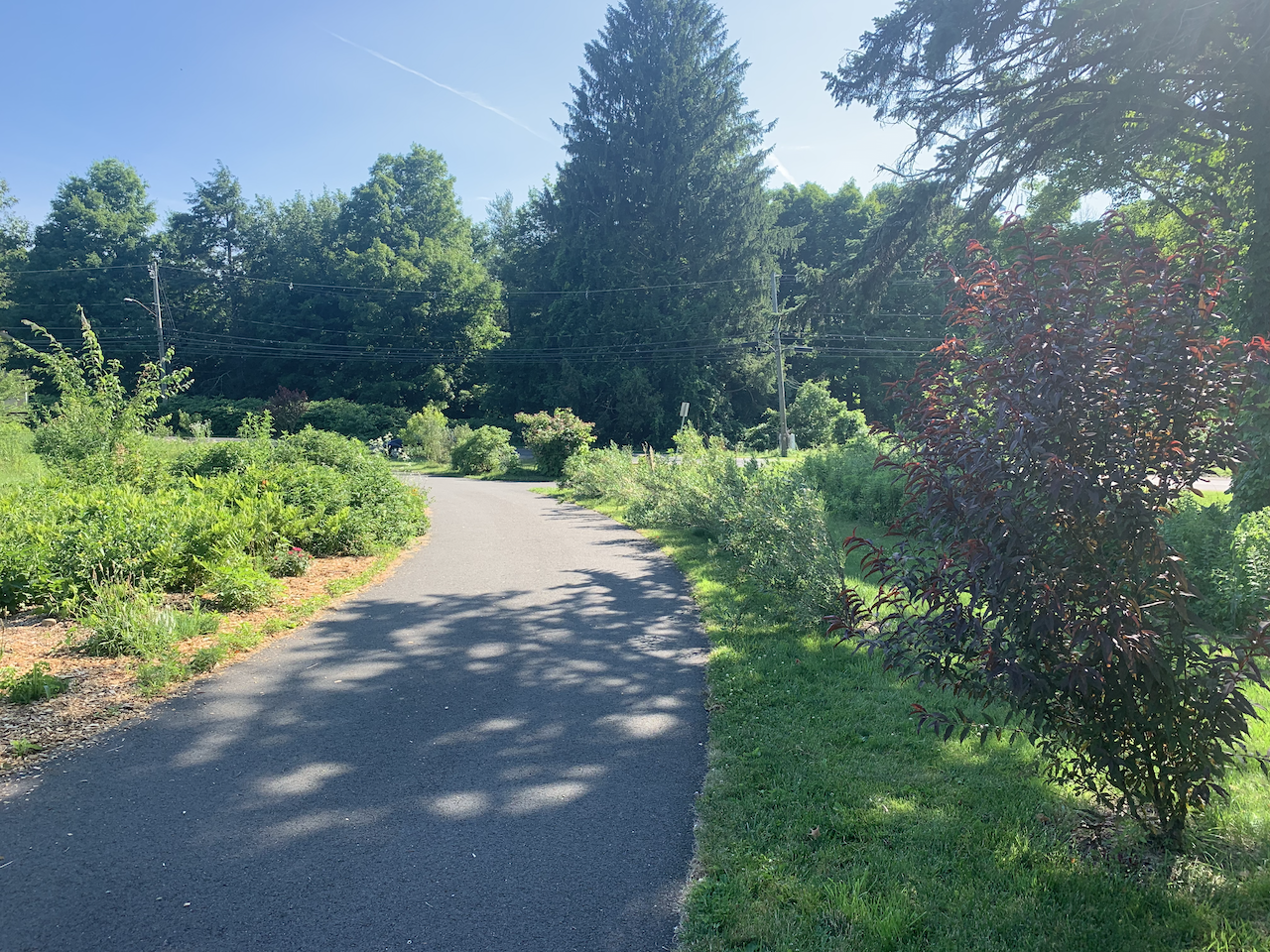
The trail in early spring, 2020
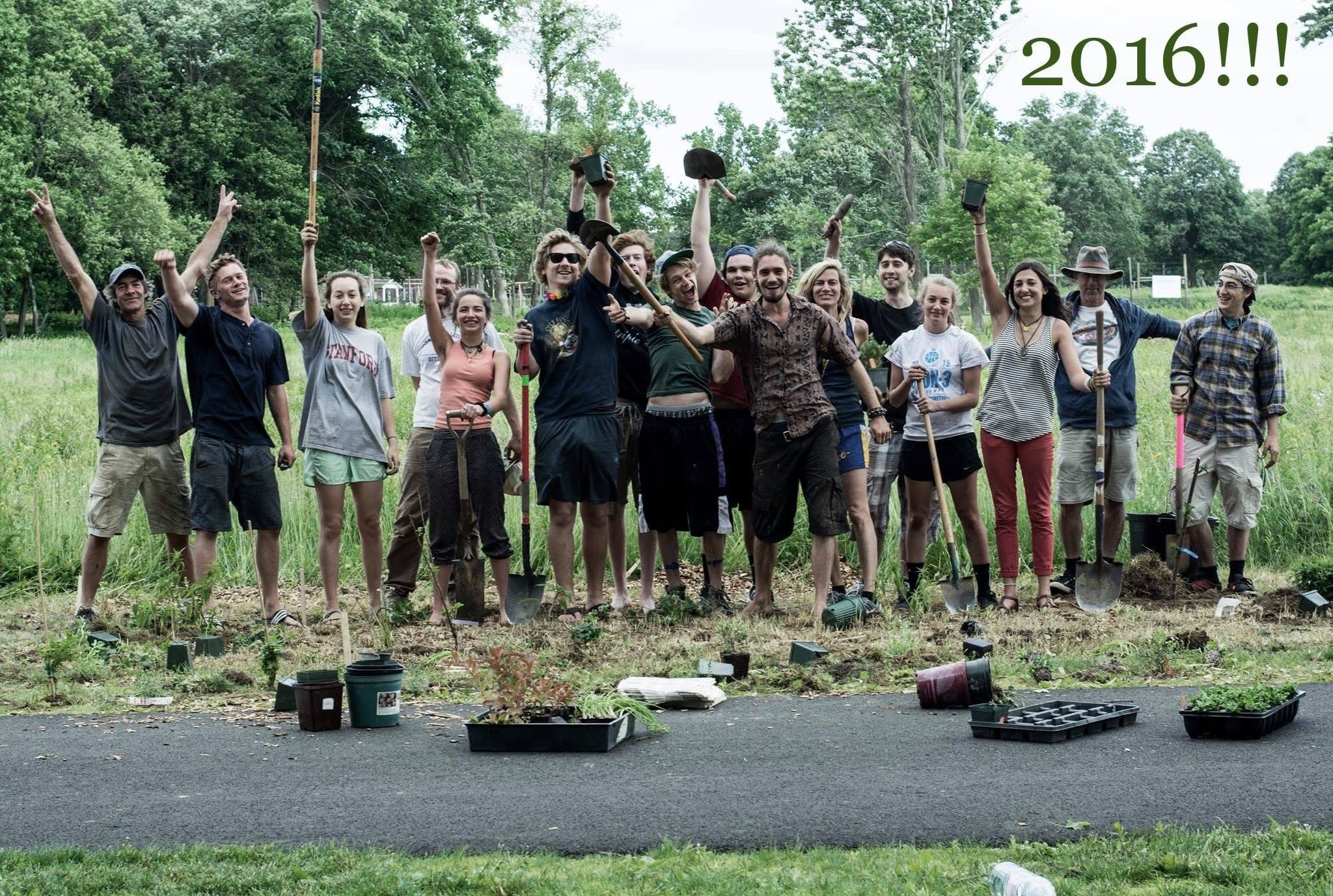
Our Story: Origins of the Trail.
The Fruit Trail was born as a response to deep love and deep grief.
Listen to our origin story in the National Parks and Recreation Podcast.
One motivating force behind the Newtown Fruit Trail, is that when we can succeed here: we might make it easier for other communities to receive approval to plant their own pubic orchard, and, when they do, every one of our mistakes becomes a lesson to help the fruit trail grow even better!
Every mistake has been a gift to help us become better stewards. The major advice that offer to the next public fruit tree installation:
Proper spacing.
Proper plant selection for your site.
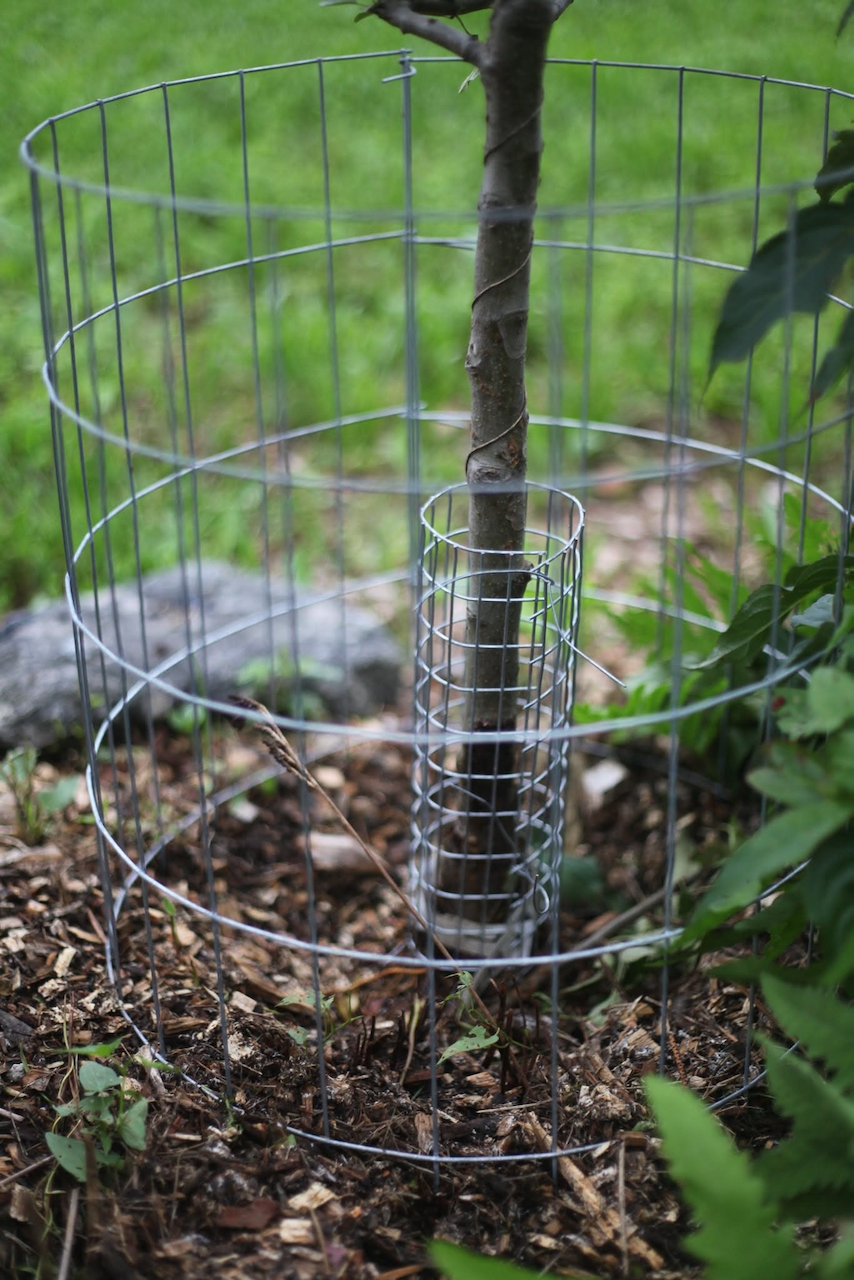
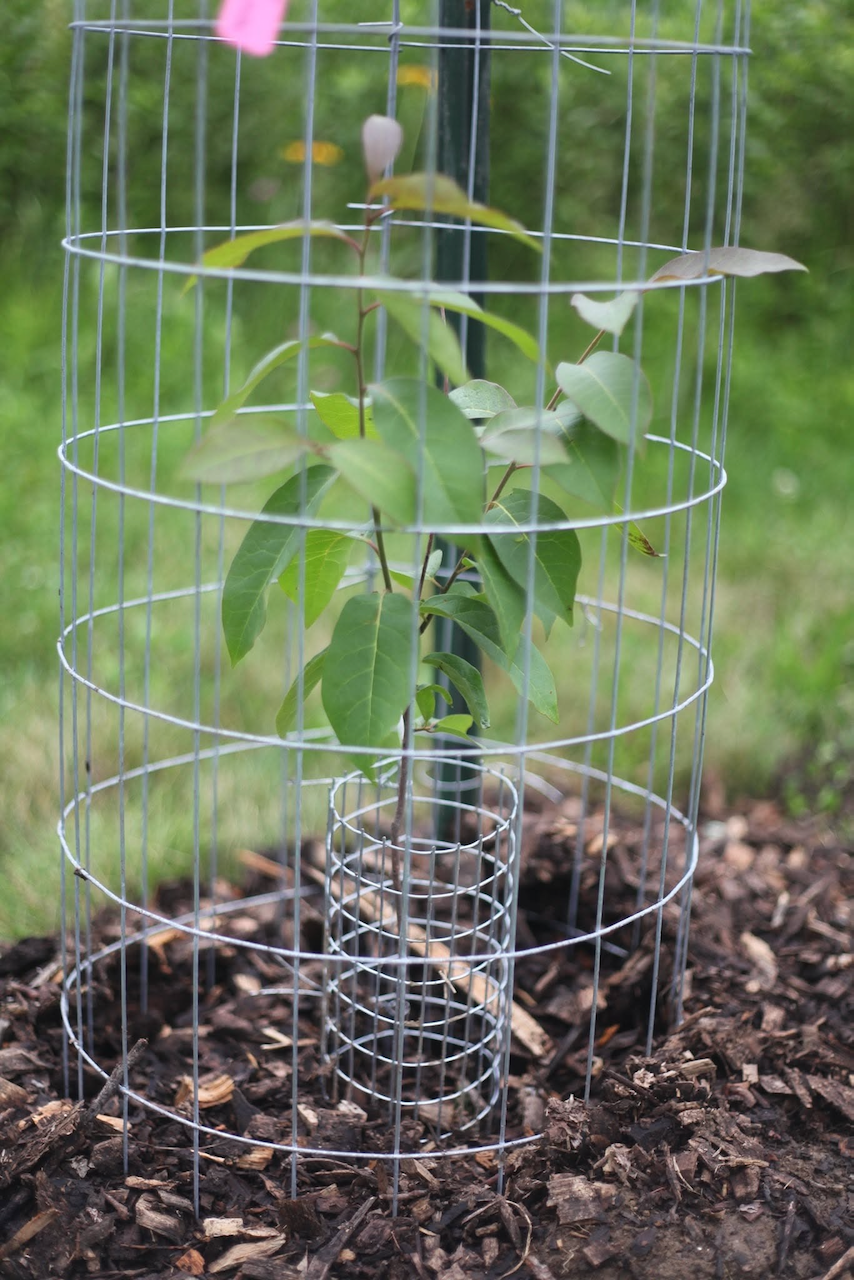
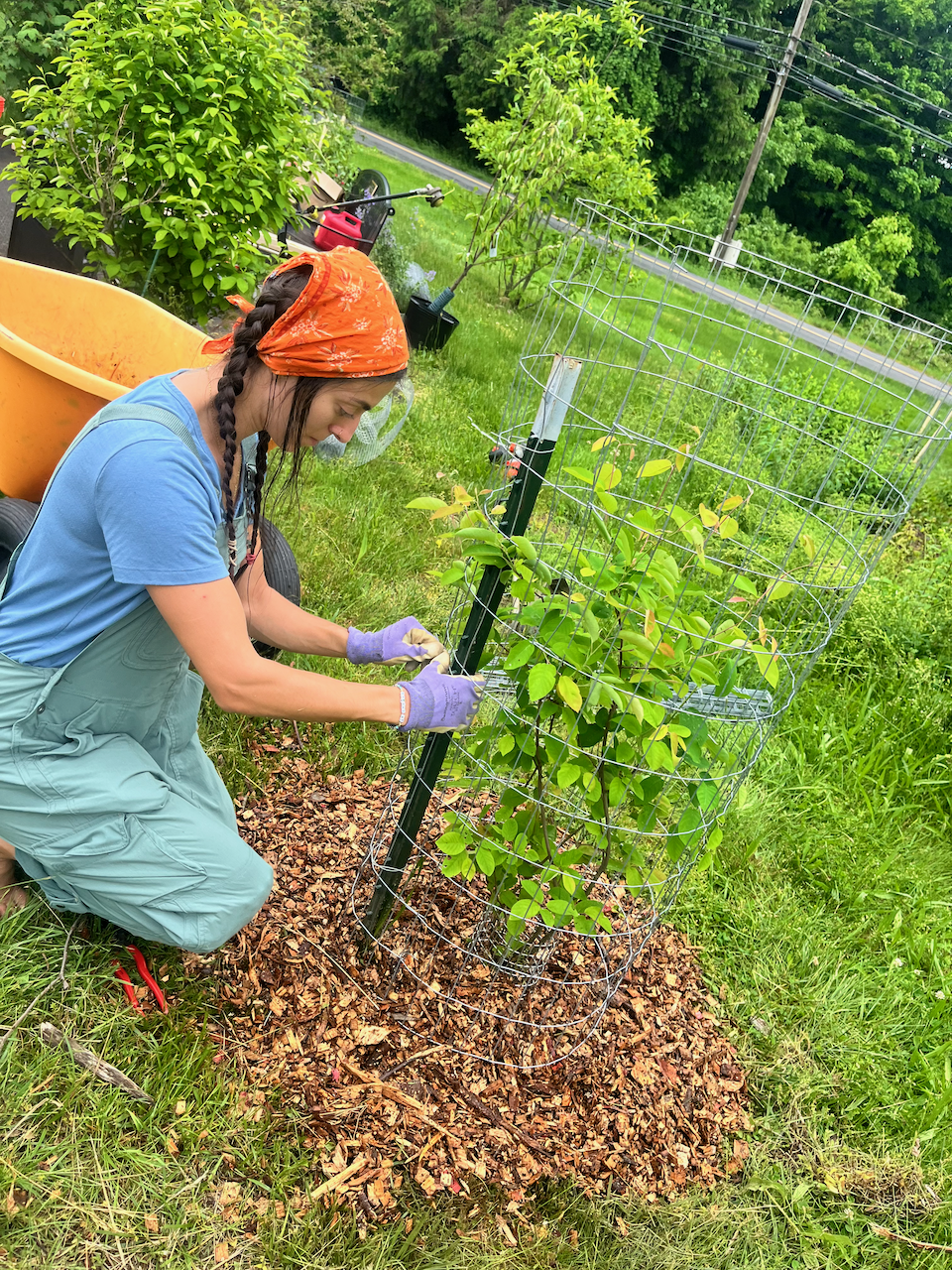
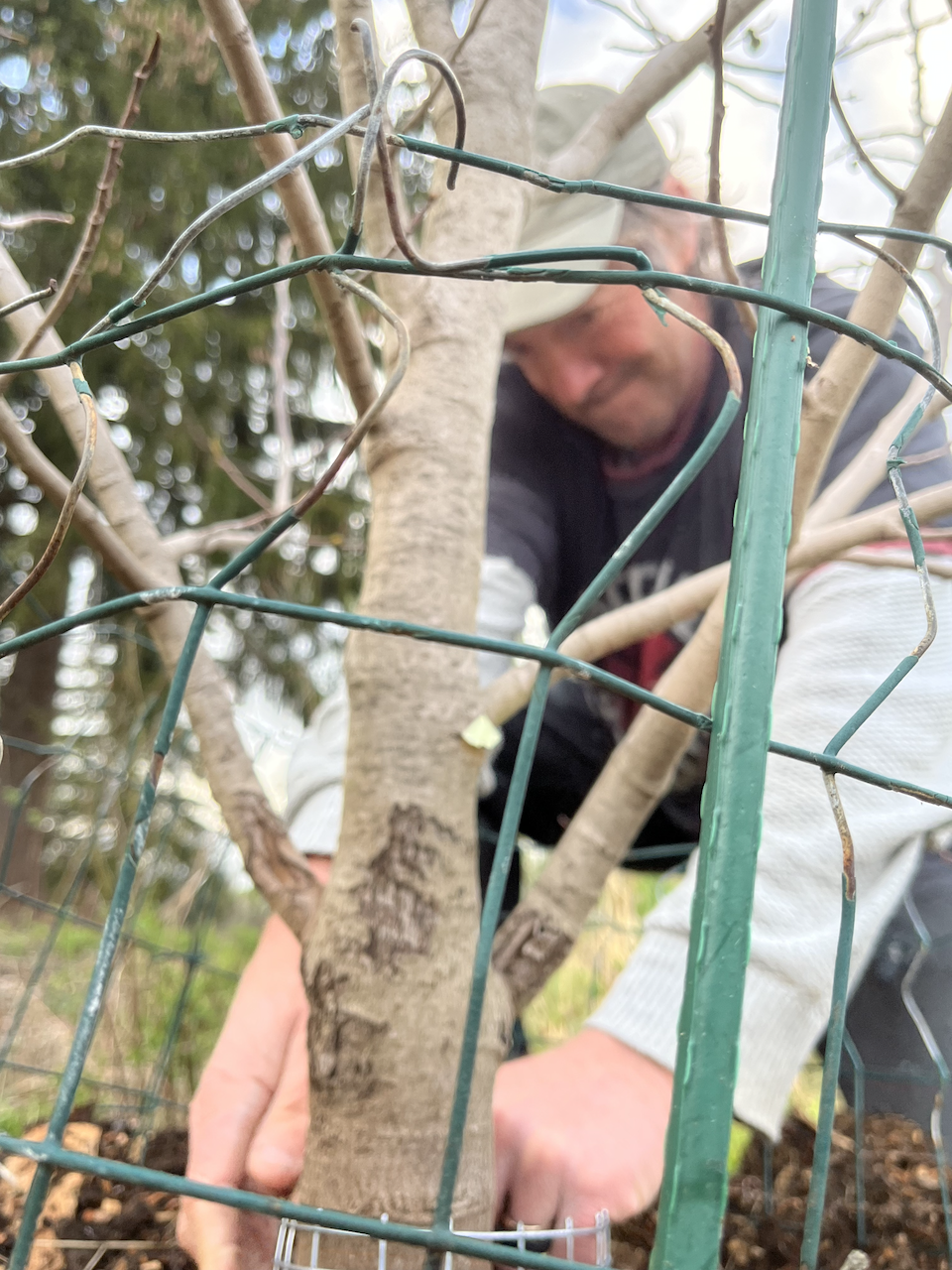
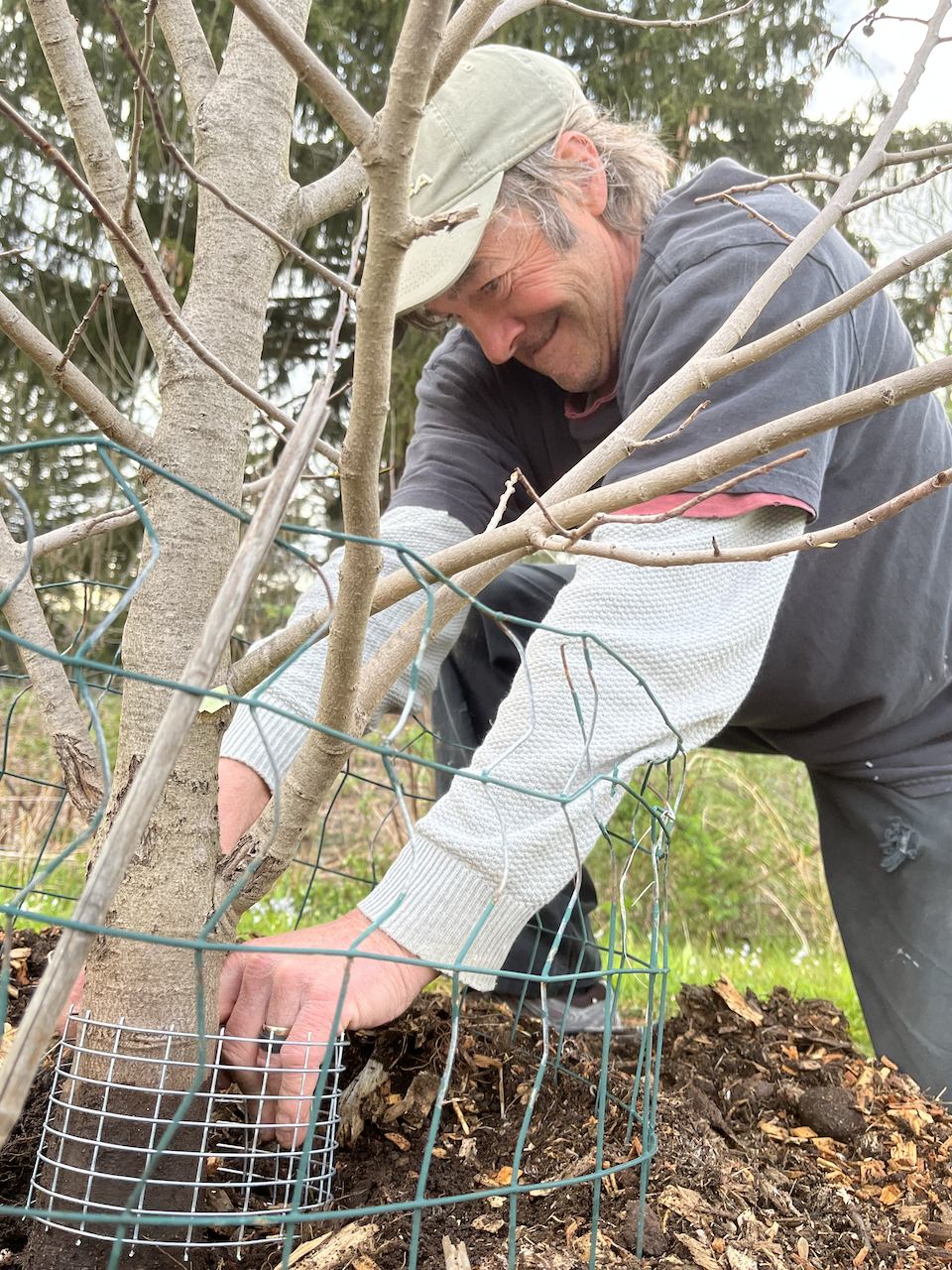
Thorough protection and marking for every plant.
Long-term management plan.
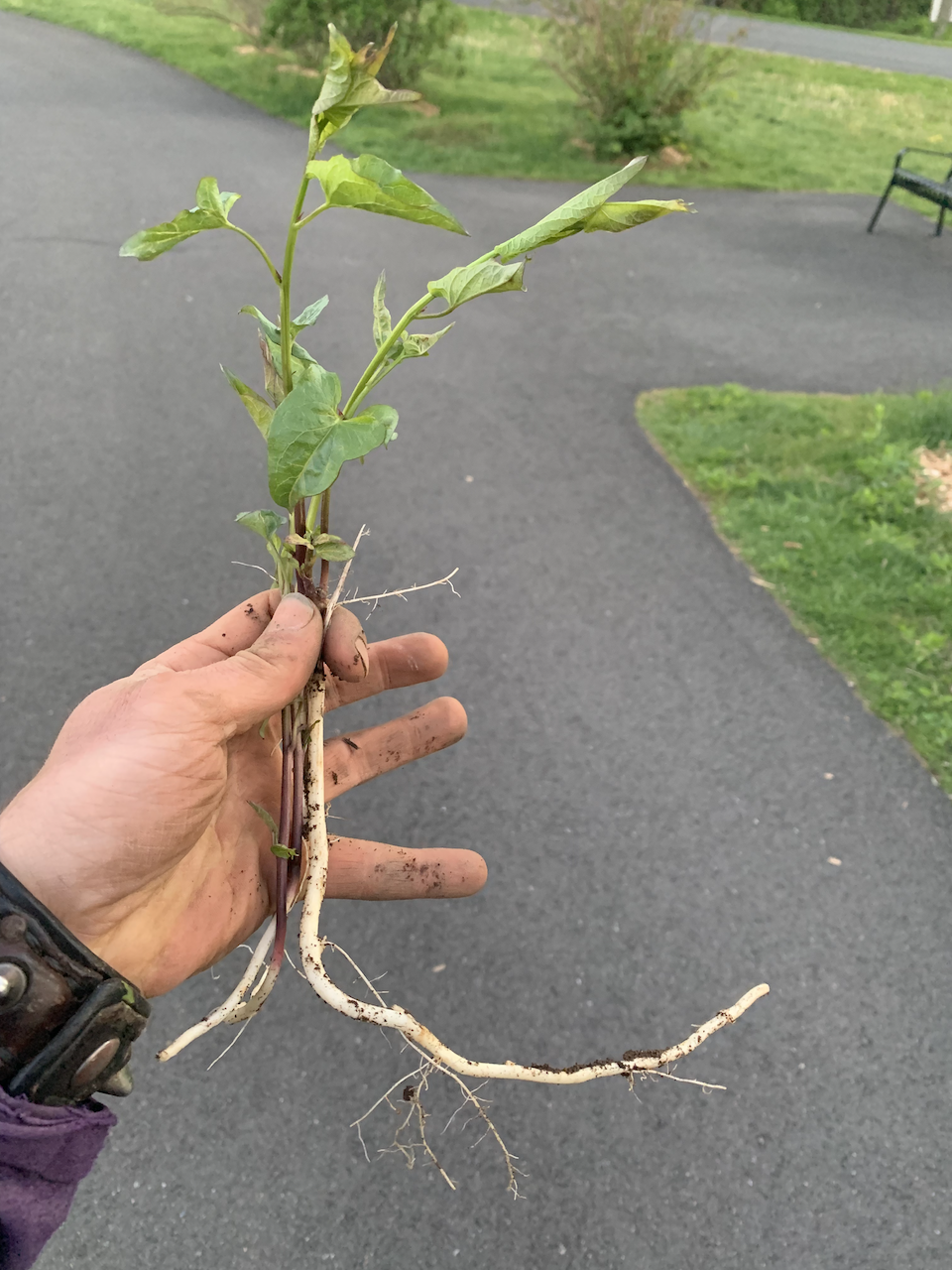
Tackle aggressive plants early on.
Don’t tackle more than you can manage.
Start small, and expand as you succeeds.
Create relationships with local park management team if you are growing on public land.
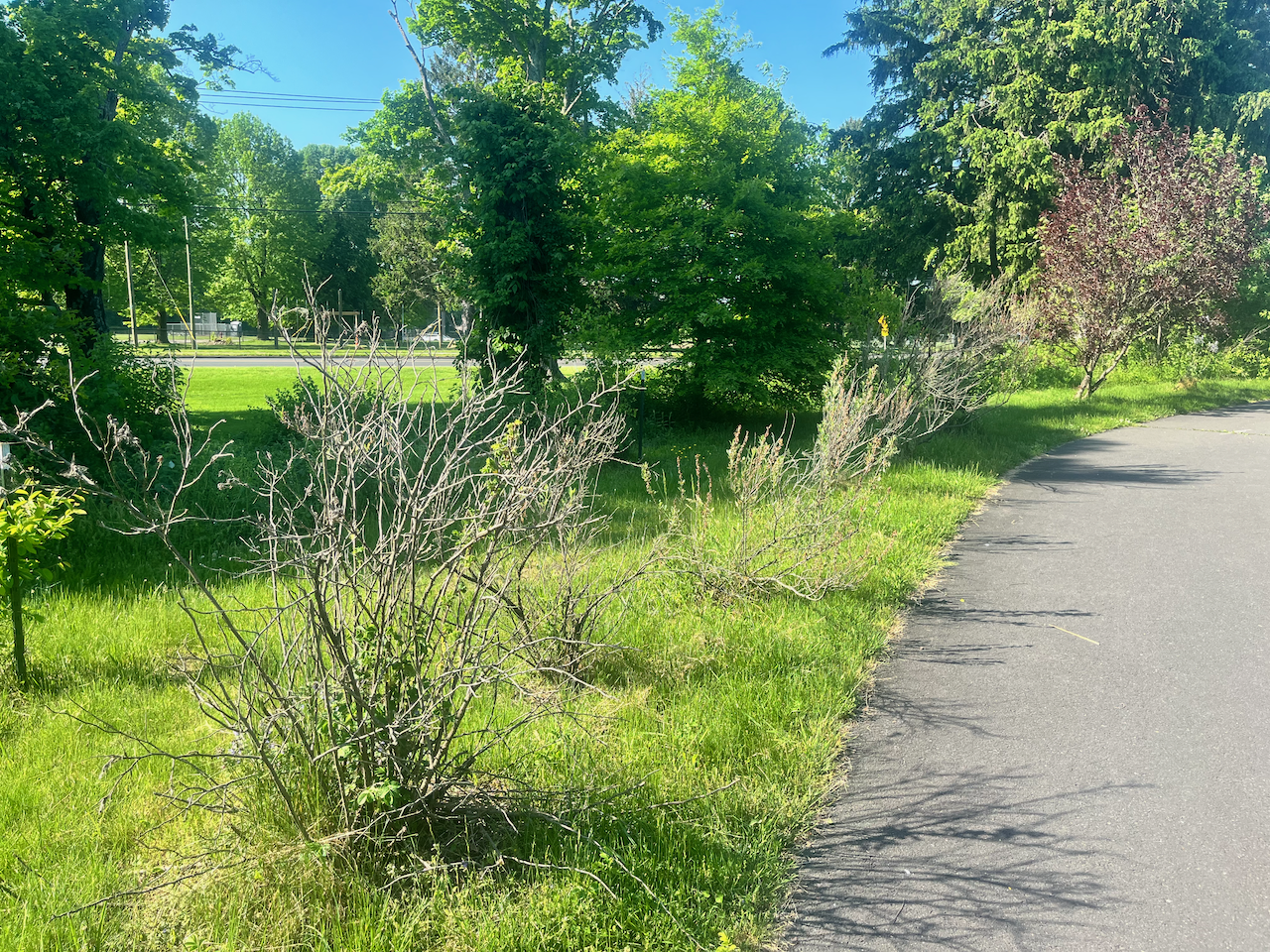
Choose disease resistant species.
Commit to longterm upkeep, and monthly visits.
Choose hardy plants that can compete with weeds.
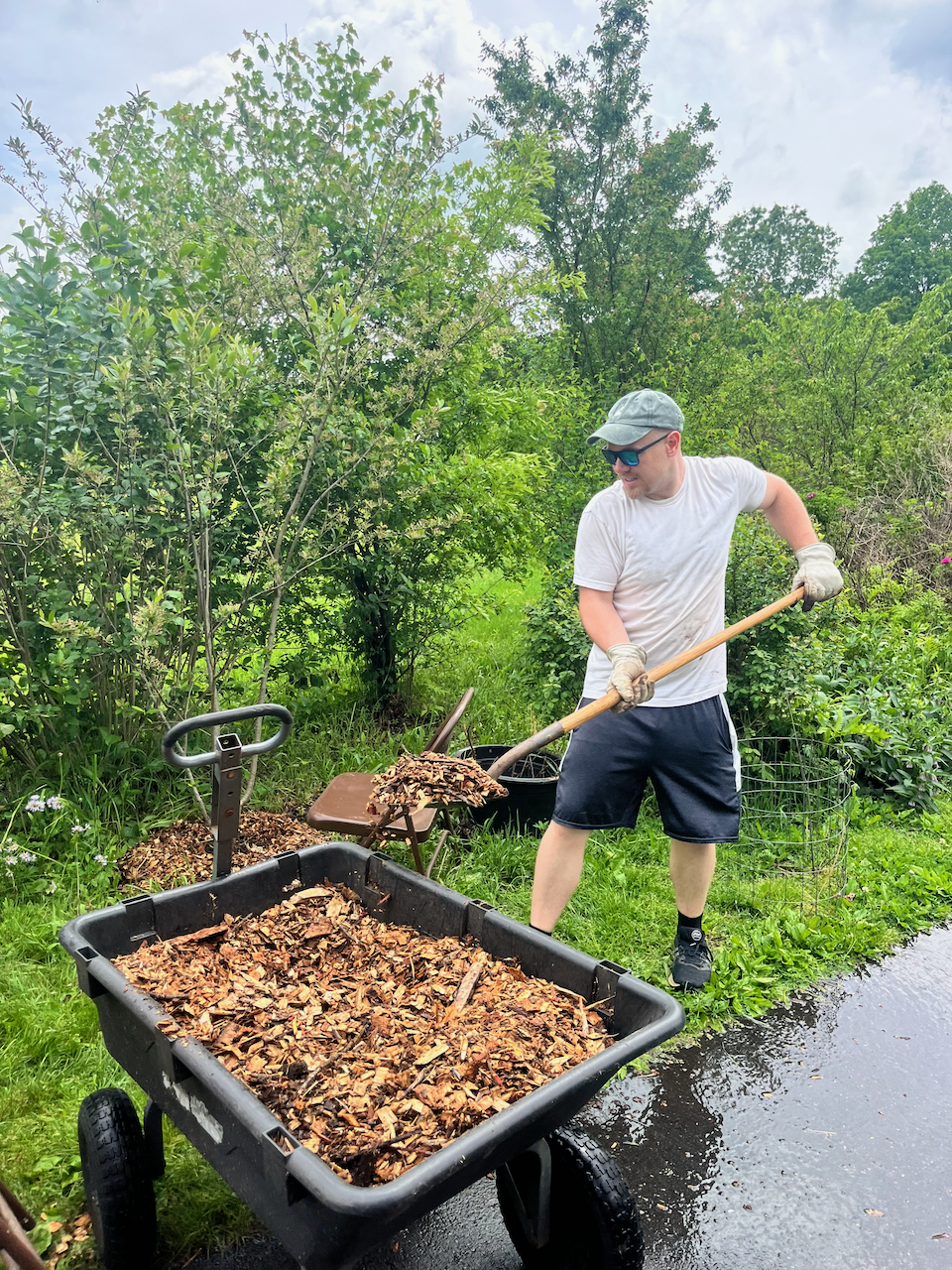
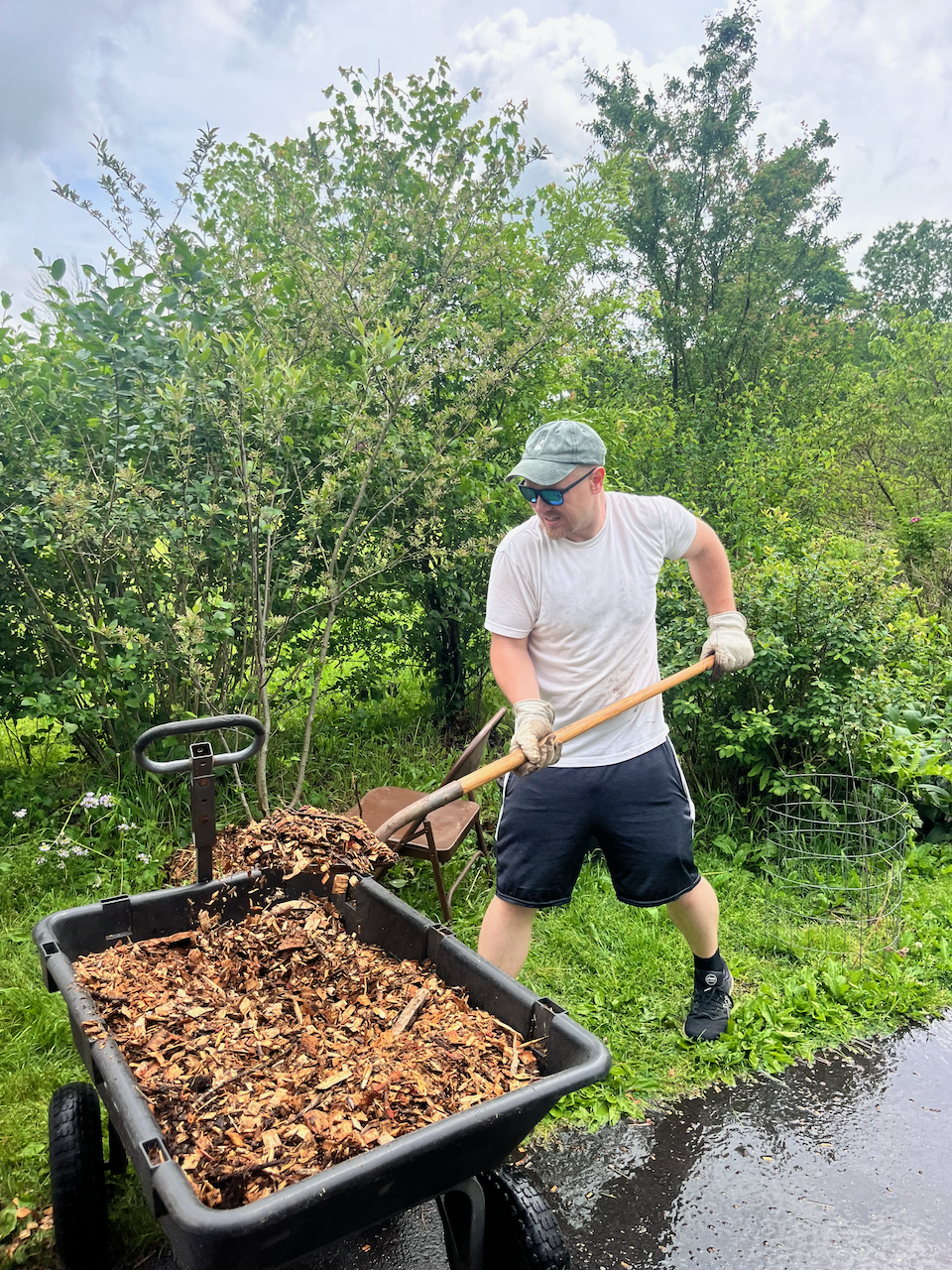
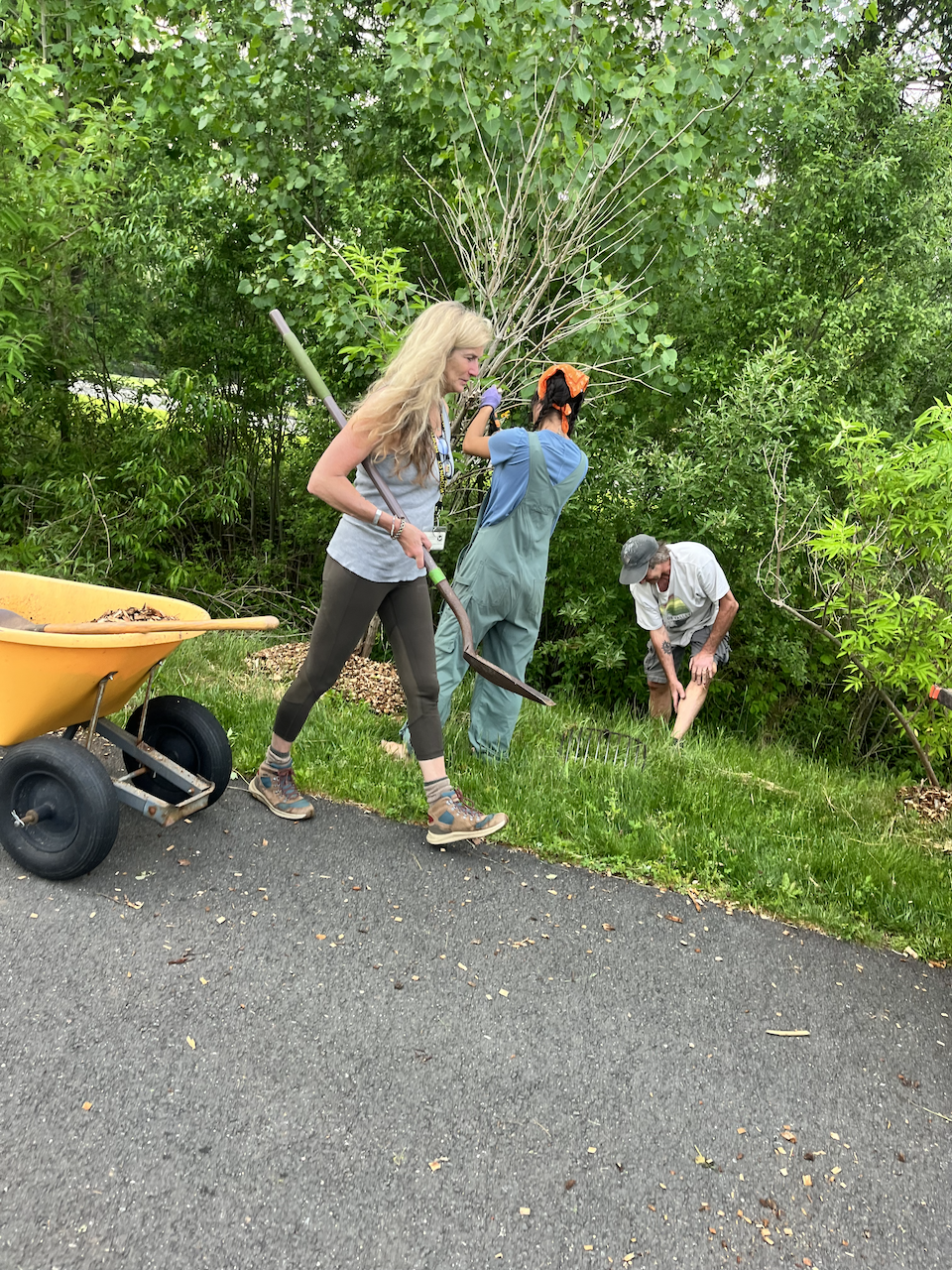
Spread lots of wood chips.
Accept losses as a way to improve. Learn from each.
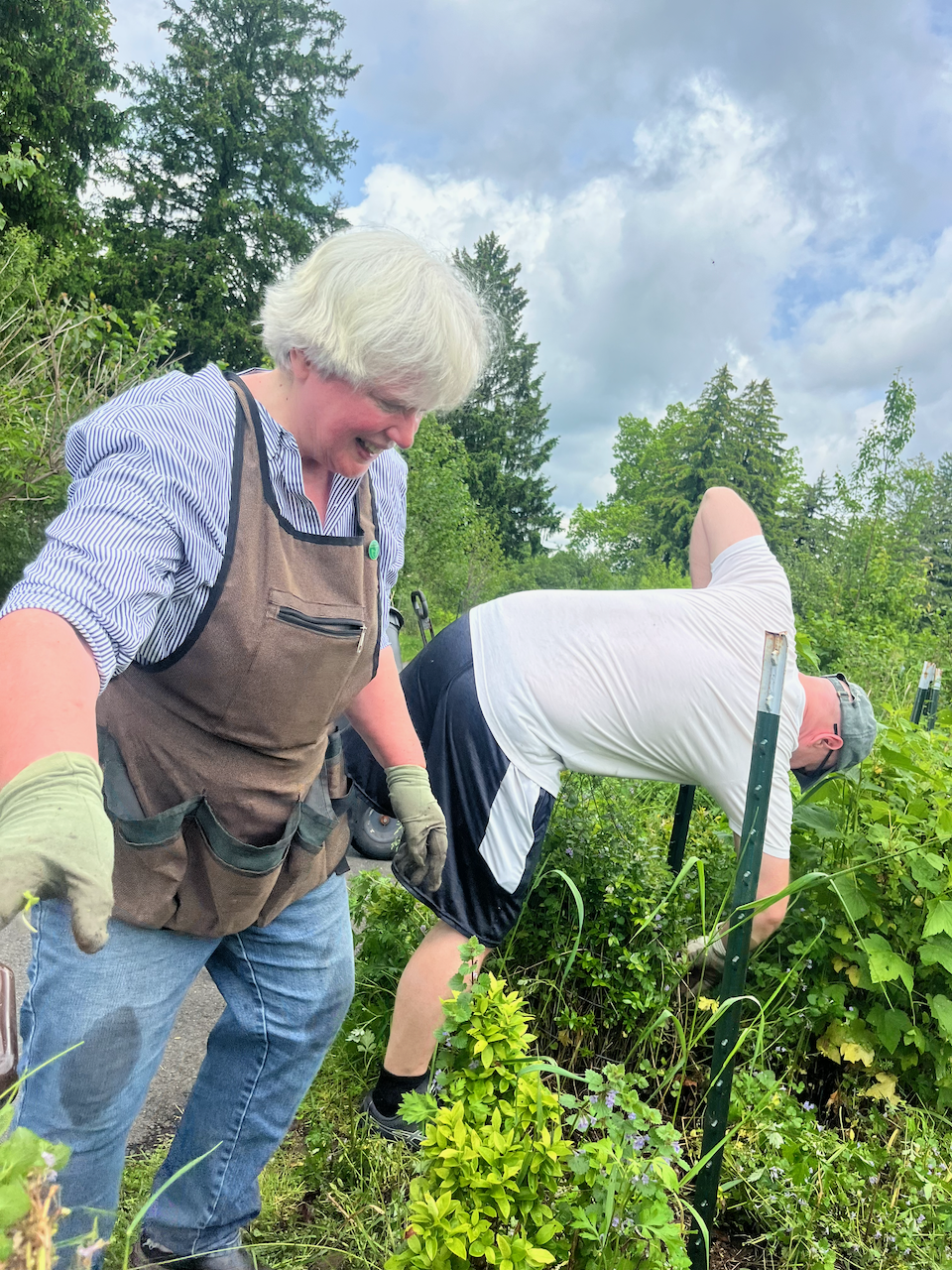
Invite your neighbors.
Have fun. Bring music and nourishment.
Share your success with the world…..
Lessons Learned
Throughout human history, people have ALWAYS had a direct, reciprocal relationship with the natural world. This is the first time in history that most people get 100% of their diet from hundreds of miles away. How can we expect people to care for the planet, advocate or vote to protect the landscape, when they do not have a direct relationship with the land?
Plucking berries and harvesting herbs is a direct way to rekindle a relationship to the land the we all depend on for life. When people experience foraging first-hand, they begin to understand that we rely on the earth for our lives, and that without healthy ecosystems, we can not live healthy lives. Harvesting wild fruit and nuts also teaches us that the the earth is generous; we have more allies than we might have otherwise remembered, and we CAN grow healthier food at home than what is being offered in the store. Most importantly, falling back in love with the land through gardening, foraging, hiking and learning is key to longterm protection of the land.
Reviving relationships with the natural world is not just key for to help ensure that we safeguard it. It is also the source of wellness. Each bite at of food grown in health wild soil, allowed to ripen on the branch, is more nutritionally dense and packed with more vitamins and minerals than conventional food sold in stores, grown in depleted soils. It is ALSO crucial for mental, emotional and relational health as well.
Spending time in nature is key to a healthy body, healthy mind, and, healthy relationships with friends, family and the more-than -human-world. Our future depends on maintaining diverse, resilient ecosystems, and our ecosystems depend on humans remembering how to care.
Foraging outside is one of the most effective ways to revive the relationship between people and the planet.
Growing food at home is one of the most effective ways to reduce the harm that our lives normally cause the planet. In fact, growing food at home can be a way to actually GIVE BACK and help the planet in return. Gardens, especially native and perennial gardens, feed pollinators, sequester carbon, create wildlife habitat and help to clean the air and water, all while generating food. Edible landscapes are tremendously more valuable and productive than empty grass lawns or parking lots. It is time for a return of Edible Landscape. It is time to convert costly yet non-productive grass landscapes to edible landscapes.
We can grow food WHILE helping our local ecosystem. It is not hard. Indigenous cultures throughout history tended what we now call edible landscapes. It is an ancient wisdom that is natural to remember. We believe that becoming gardeners is like remembering our original language. And it is so rewarding. You can see exactly how we are doing it, every day: at the Newtown Fruit Trail.
We are not separate from the land. We are part of the land. The health of the planet directly influences our own health. When we heal the land, we heal ourselves.
Reviving the Edible Landscape.
In honor of all those who came before us, for the good of all those yet to come, and for the pleasure of all of us here today, we plant!
The Newtown Fruit Trail is:
For the children.
For the future.
For the insects and wildlife.
For the climate.
For every person plant and animal today.
For everyone ready for a change.
For everyone who can not imagine a change.
For every endangered species across the whole world.
When we help the land anywhere at home, we help the land everywhere in the world. When we hurt the land anywhere in the world, we also hurt the land at home.
The Newton Fruit Trail offers a New Paradigm: What does the world look like when we see ourselves as part of one whole, interconnected living planet? Wheat happens when we prioritize our collective wellbeing as our most important motivating factor?
What if we consider the health of the planet, and the health of people as one inseparable unit (because it is.)
The Newtown Fruit Trail is a vision of how our park and landscapes might look in 10, 20, 50. or 1000 years in a better future where humanity has matured to the point of safeguarding the planet, and ensuring the health of our collective web of life….
And even if the planet were perfectly healthy and there were no plantar crises, we would STILL want to fill our parks with fruit and berries simply because it is fun and beautiful and makes life a more magical experience.
Who does this help?
Make a Donation
Every act of generosity—big or small—helps build a world that reflects our shared values.
Donations can be made to:
World Repair Planting Foundation inc.
1063 Mohawk Trail
Shelburne, MA
01370
EIN: 84-4165192
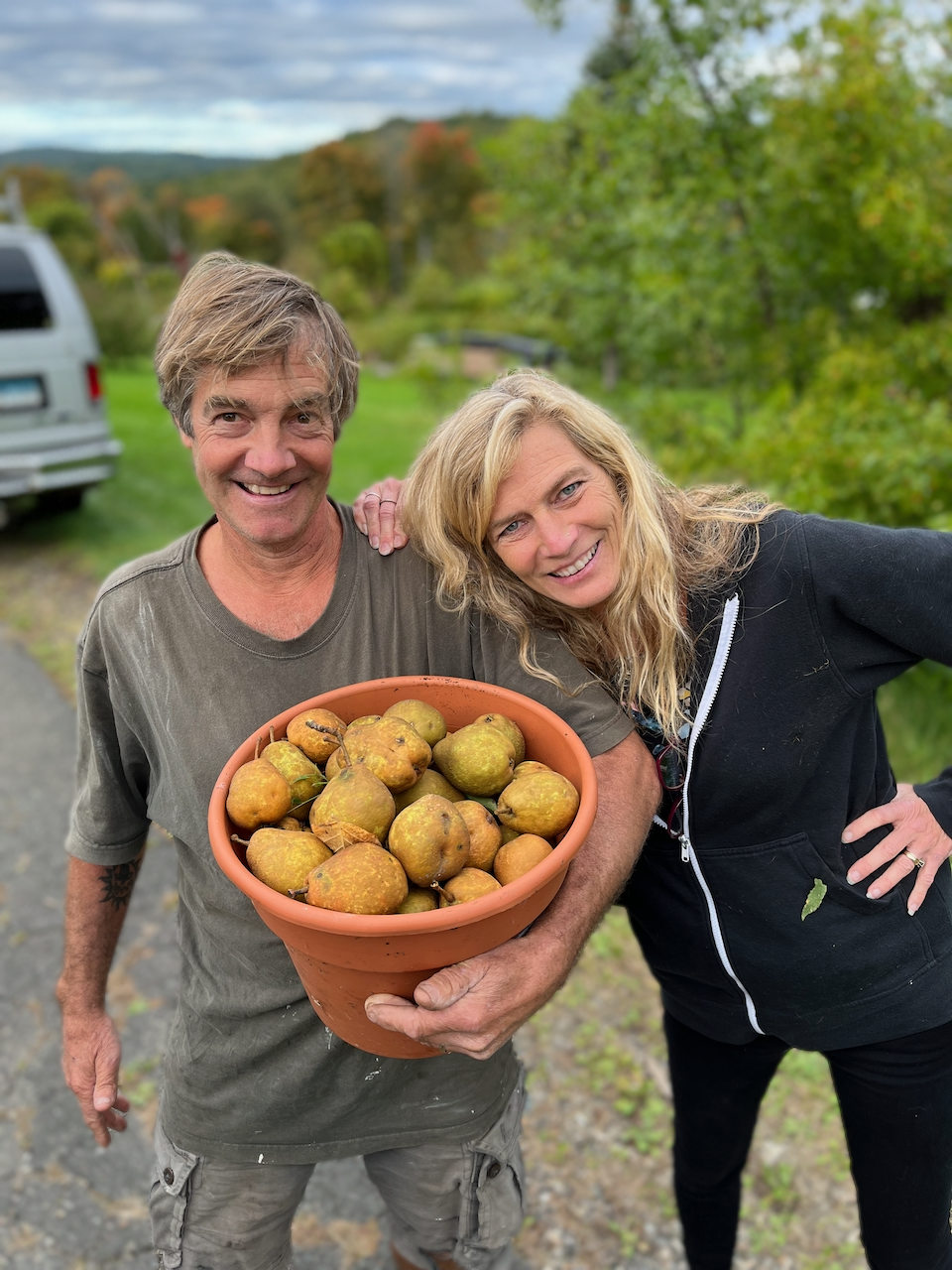
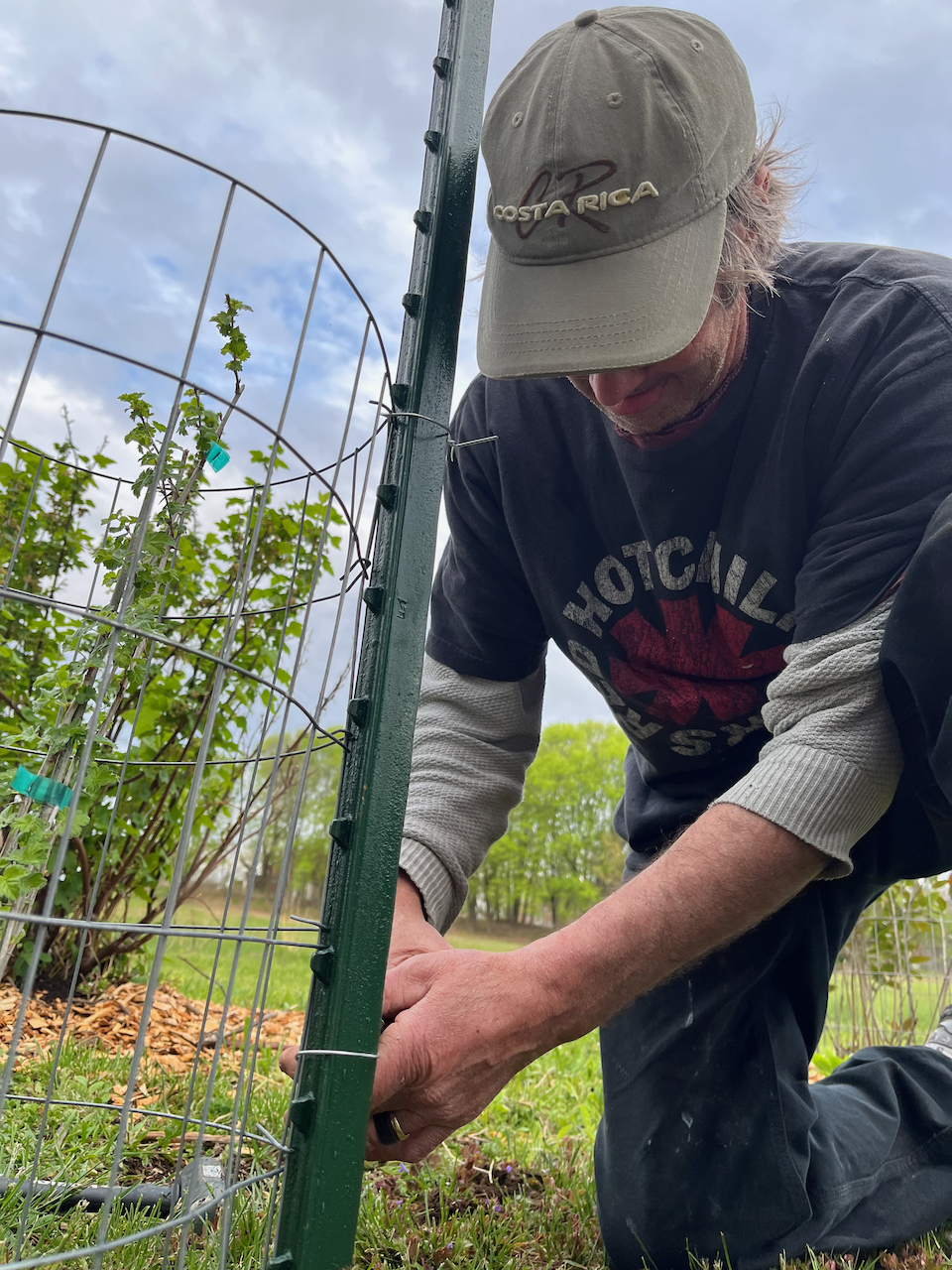
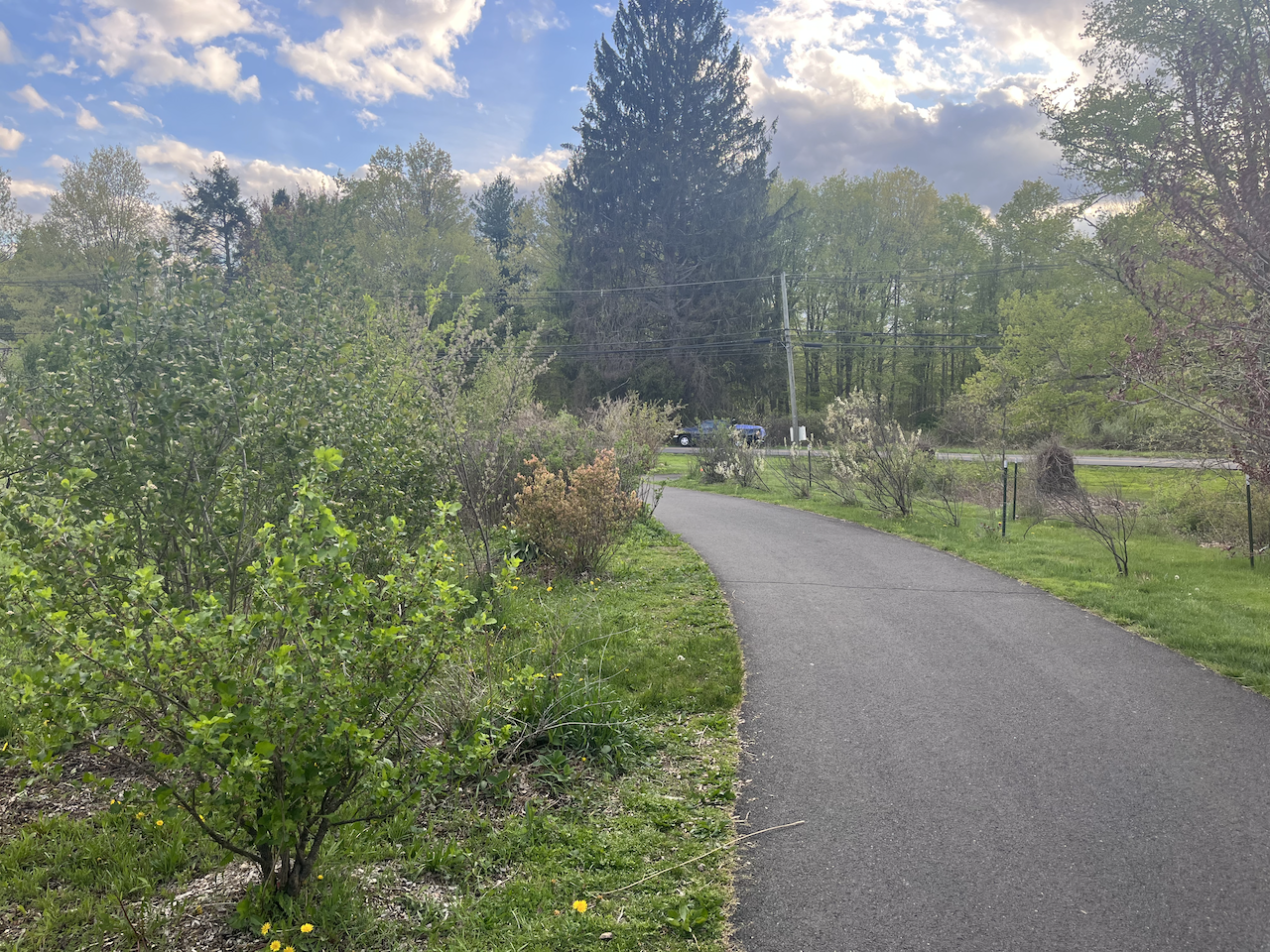
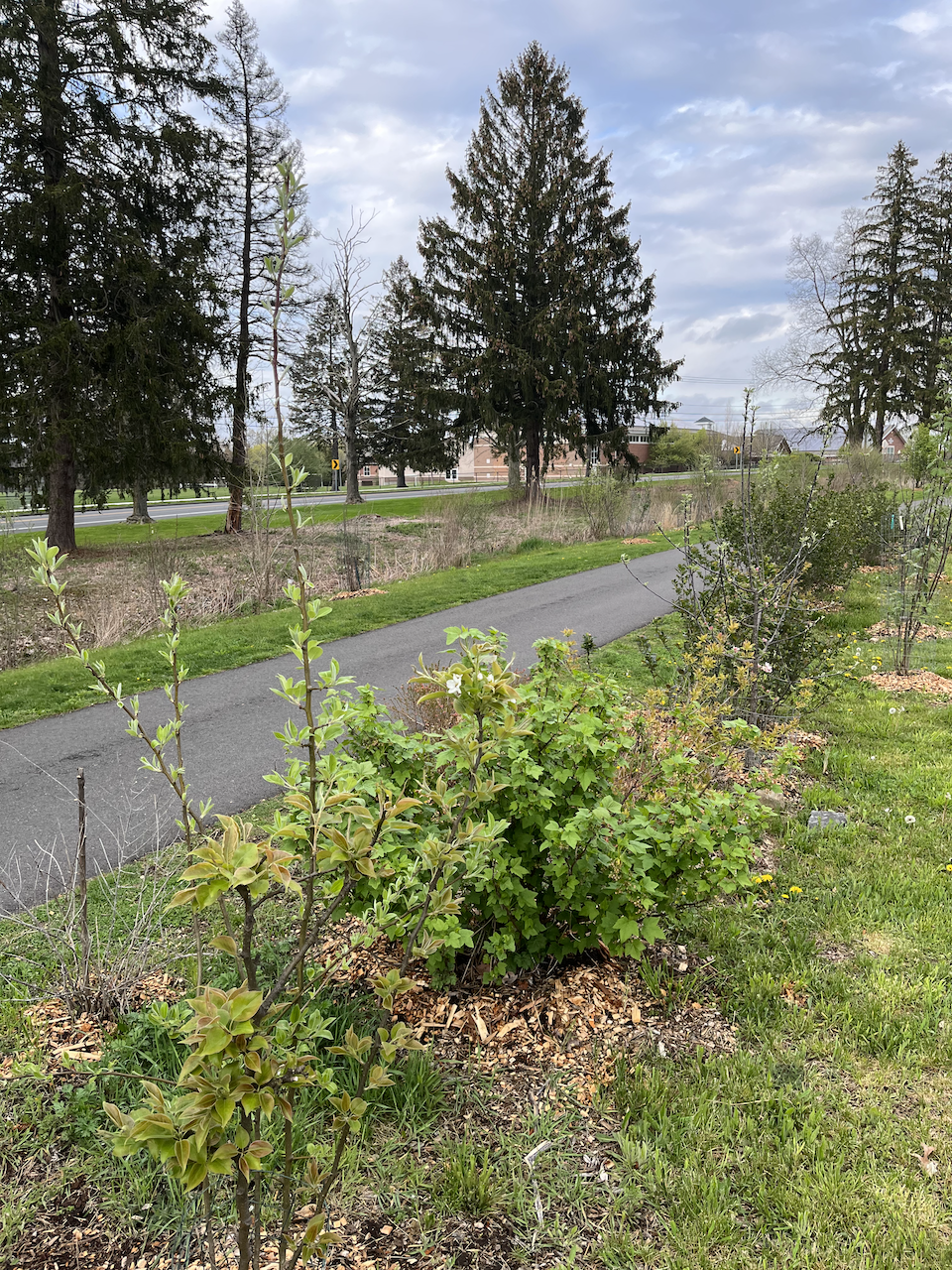
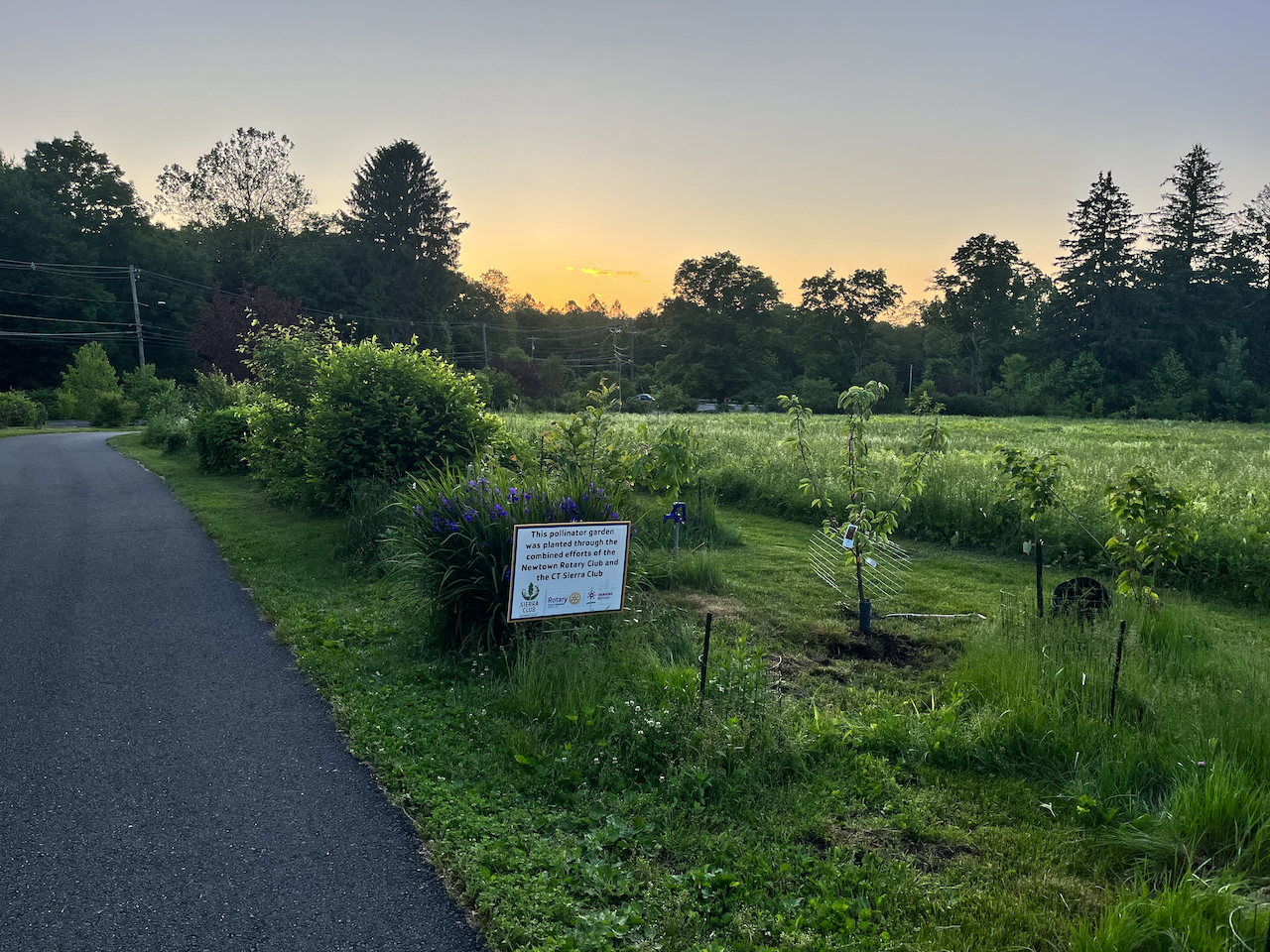
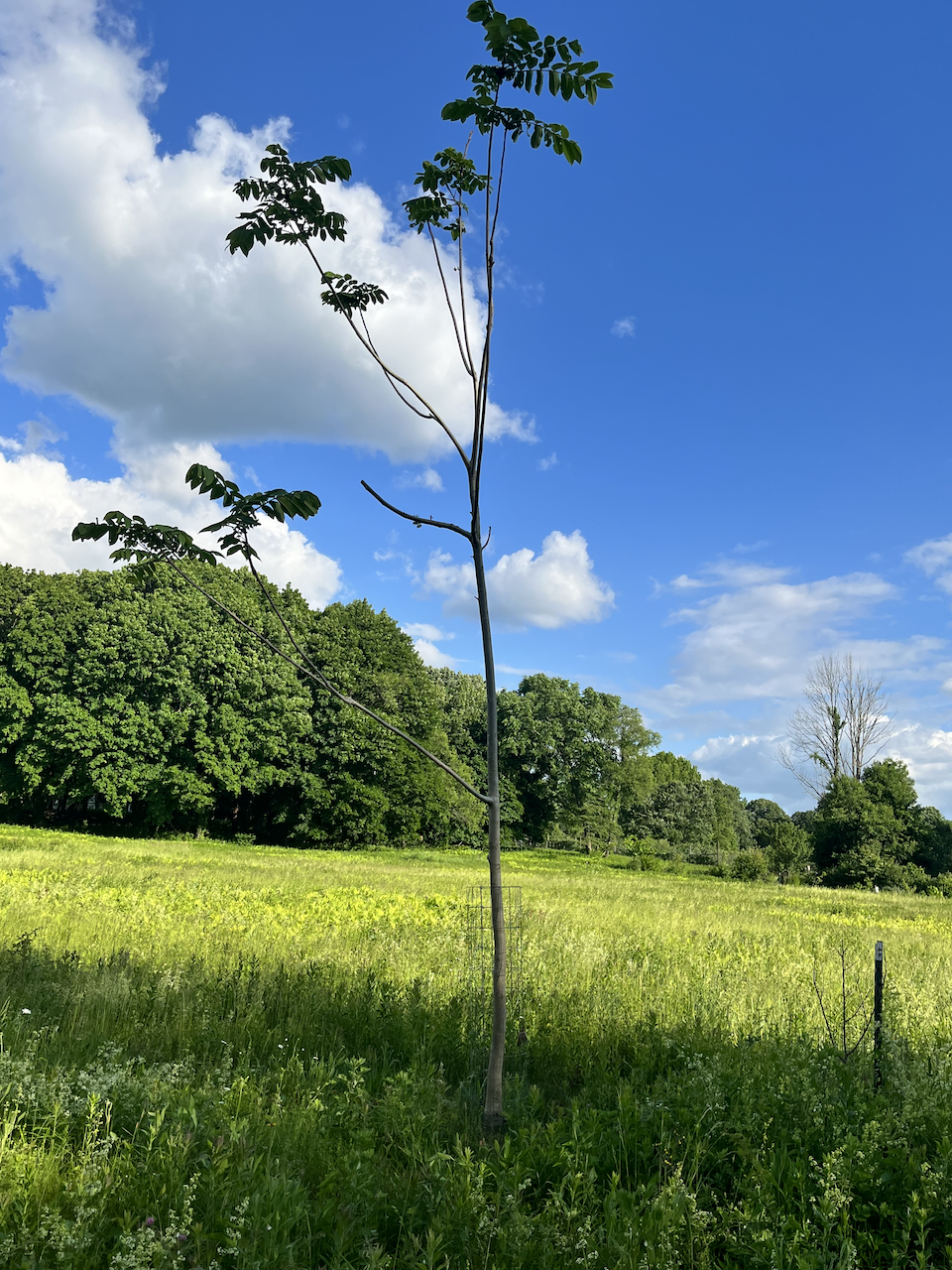
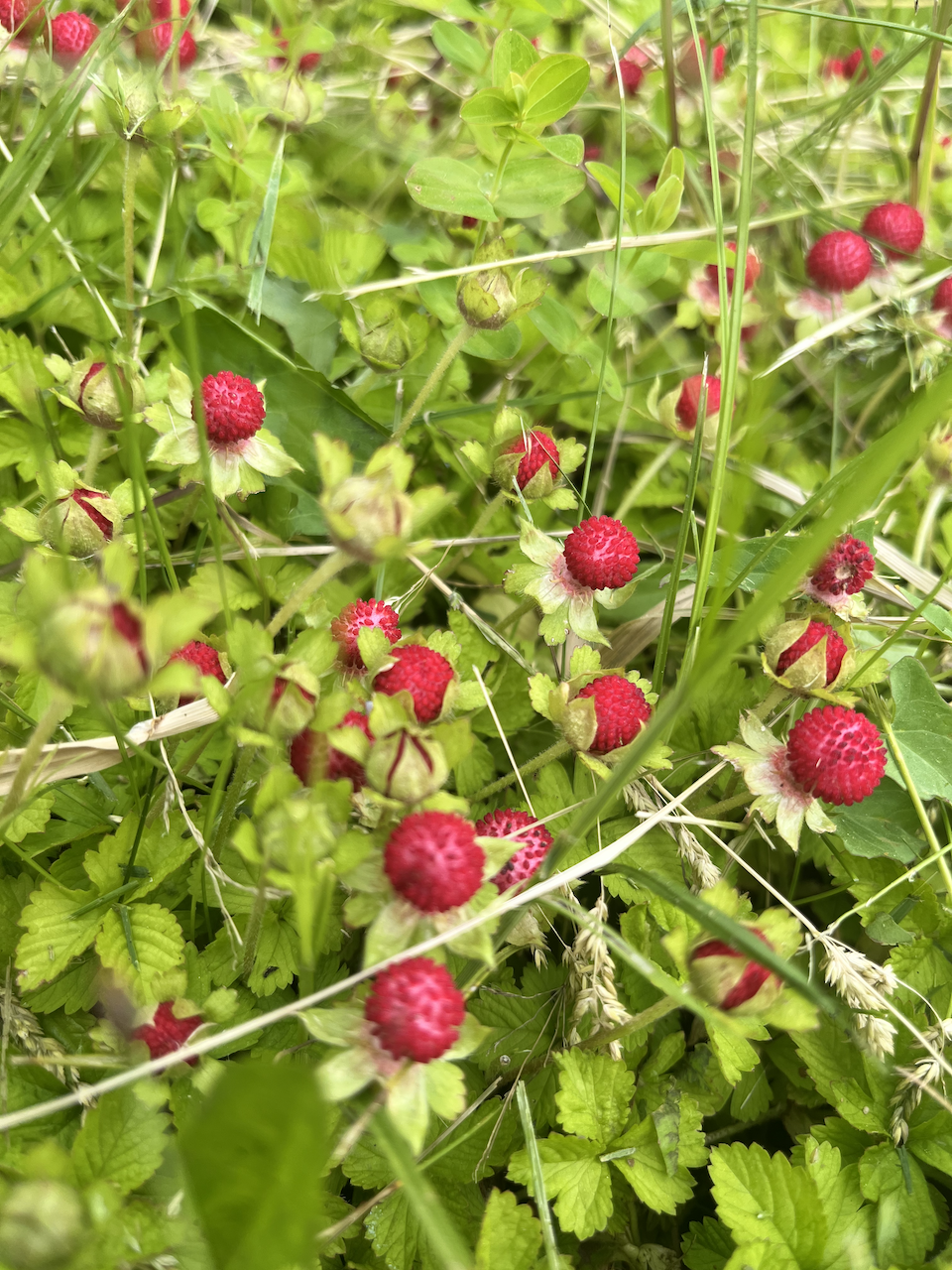
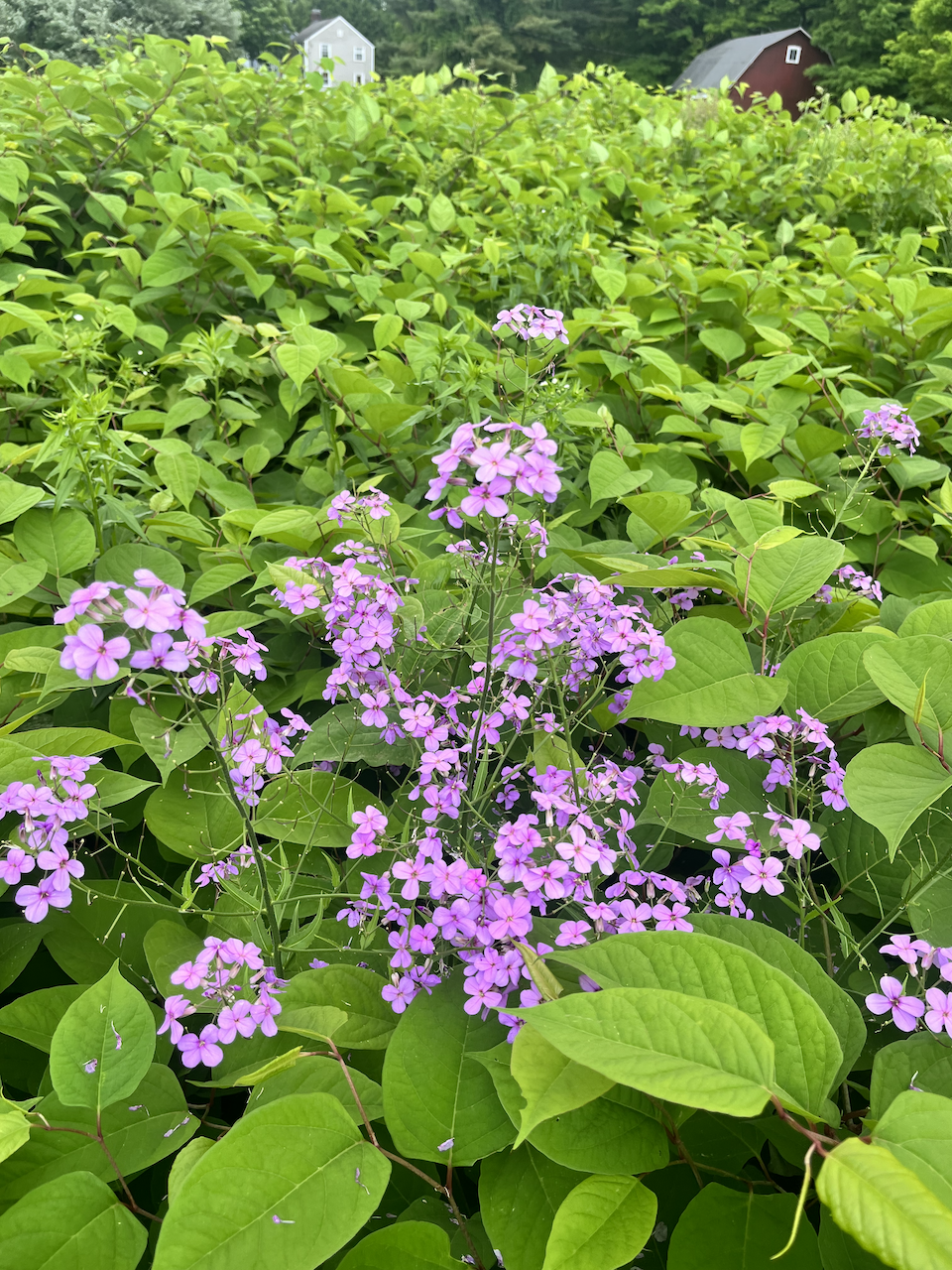
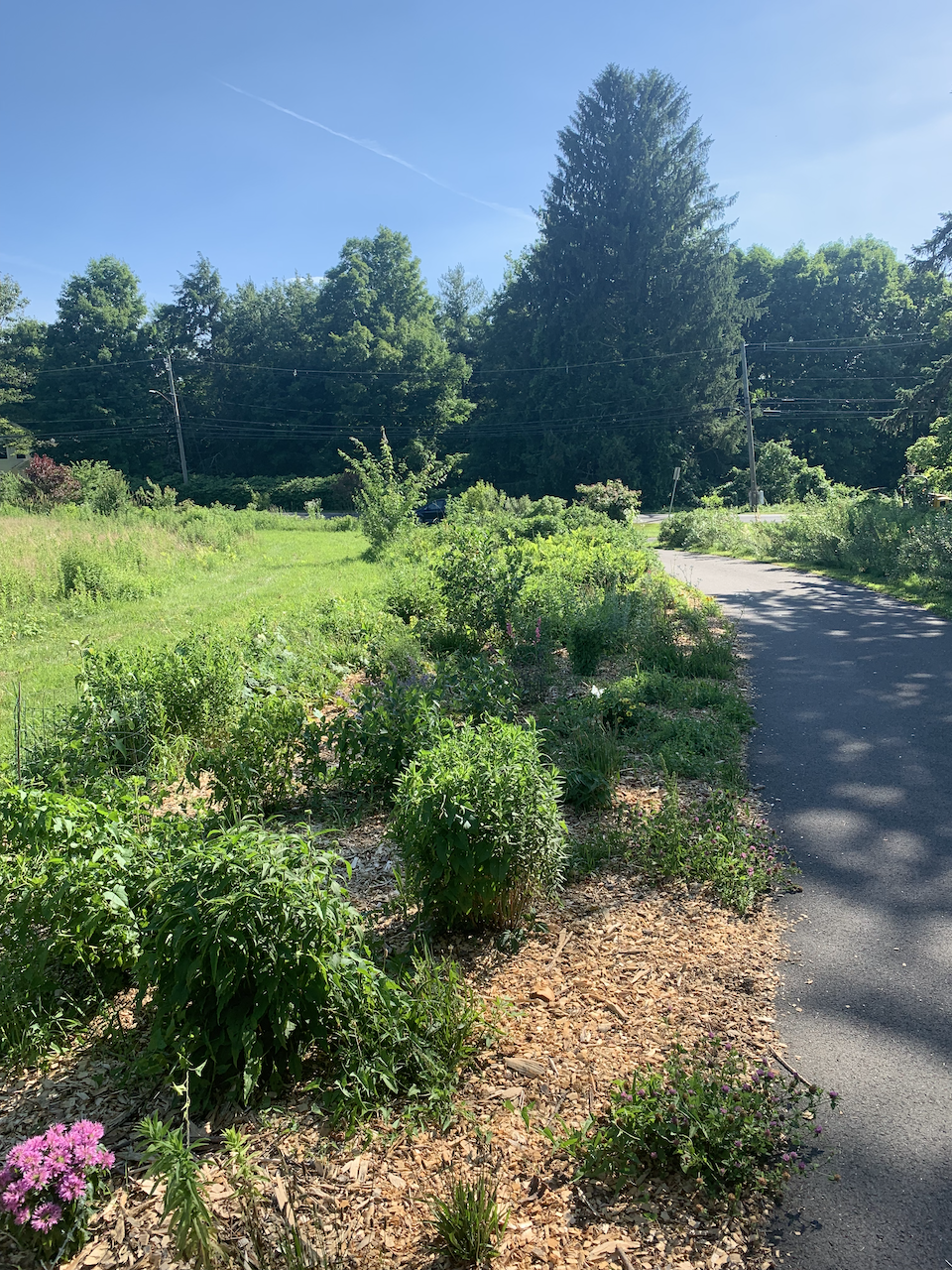
GALLERY:
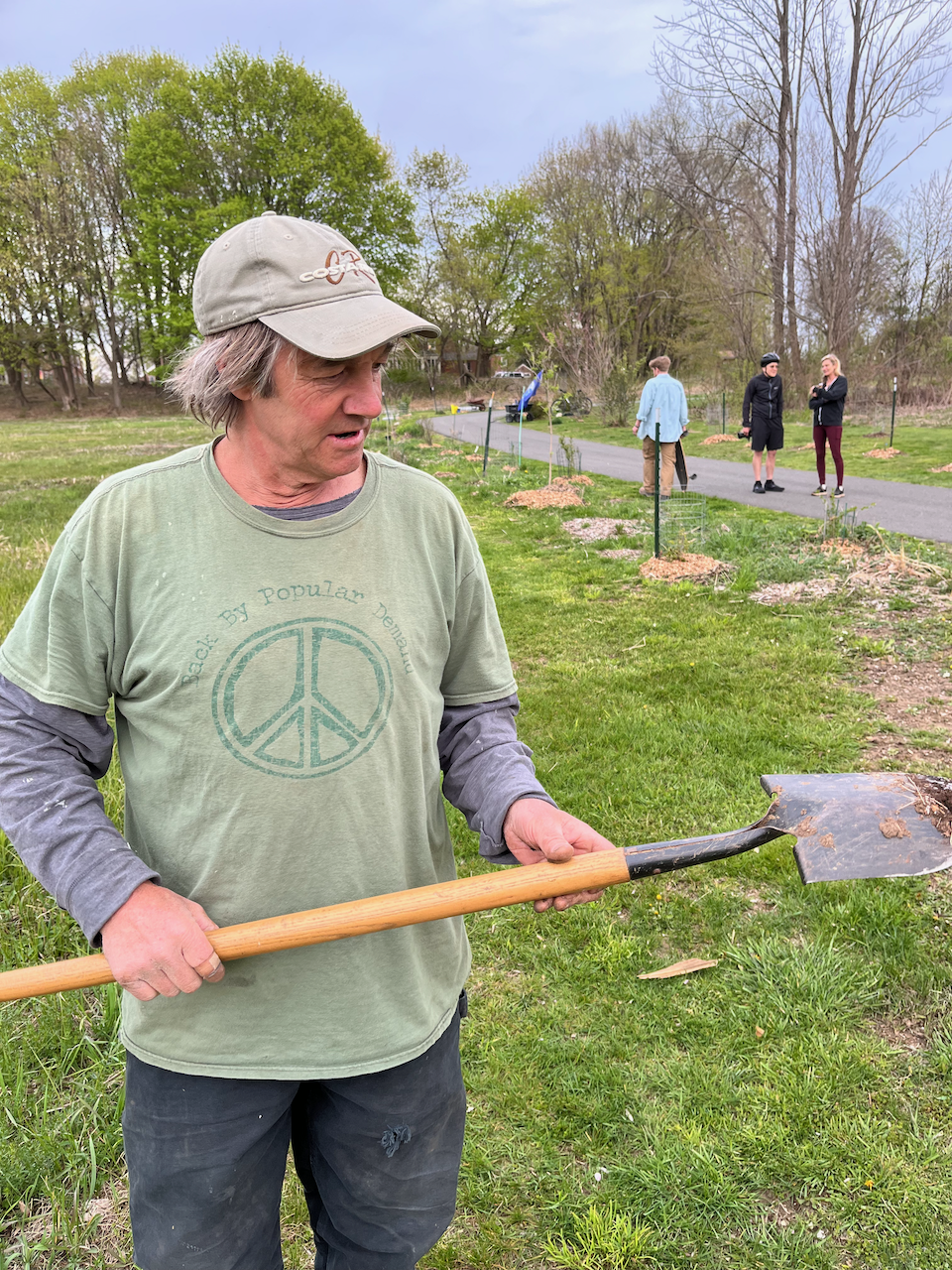
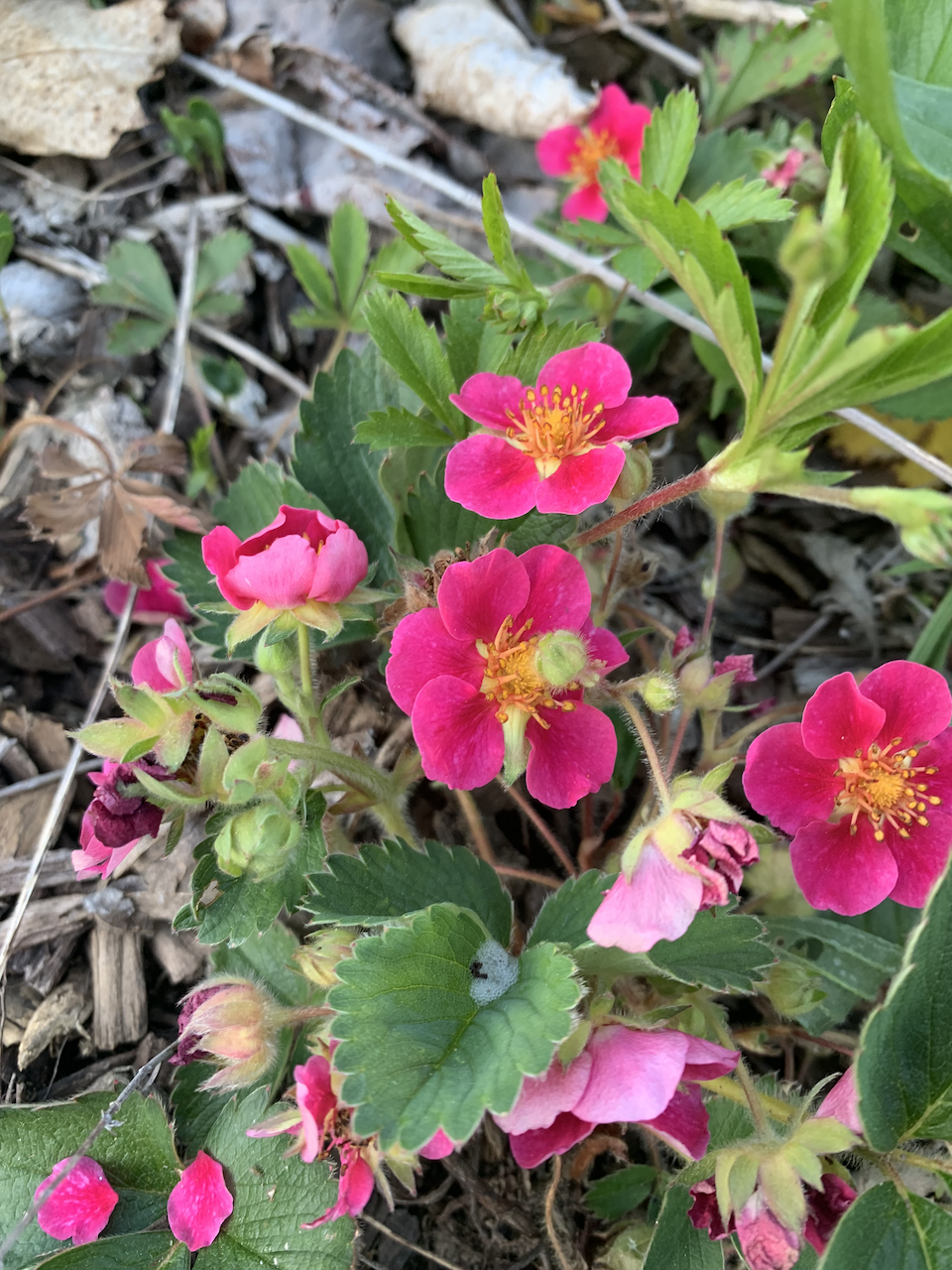
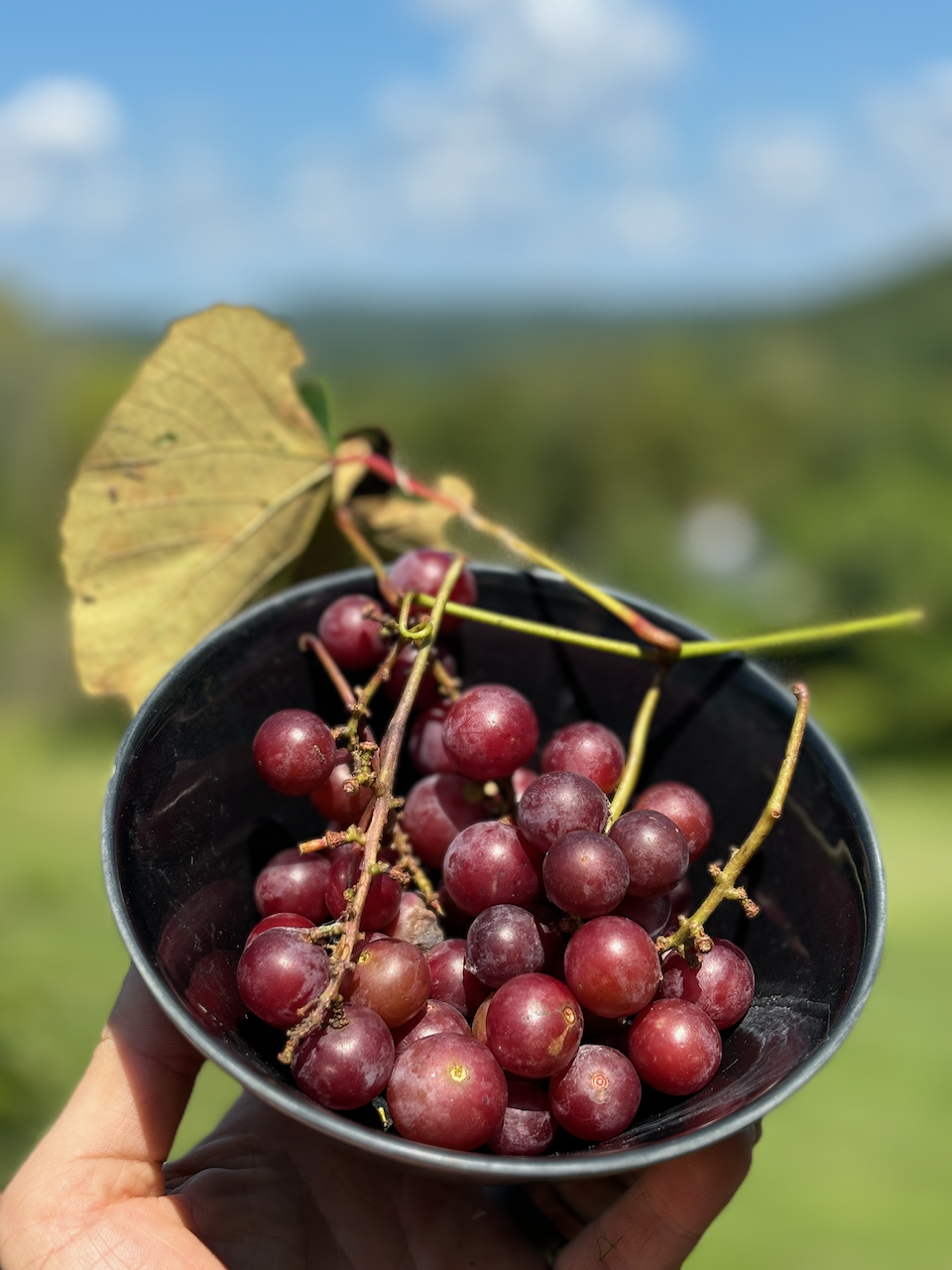
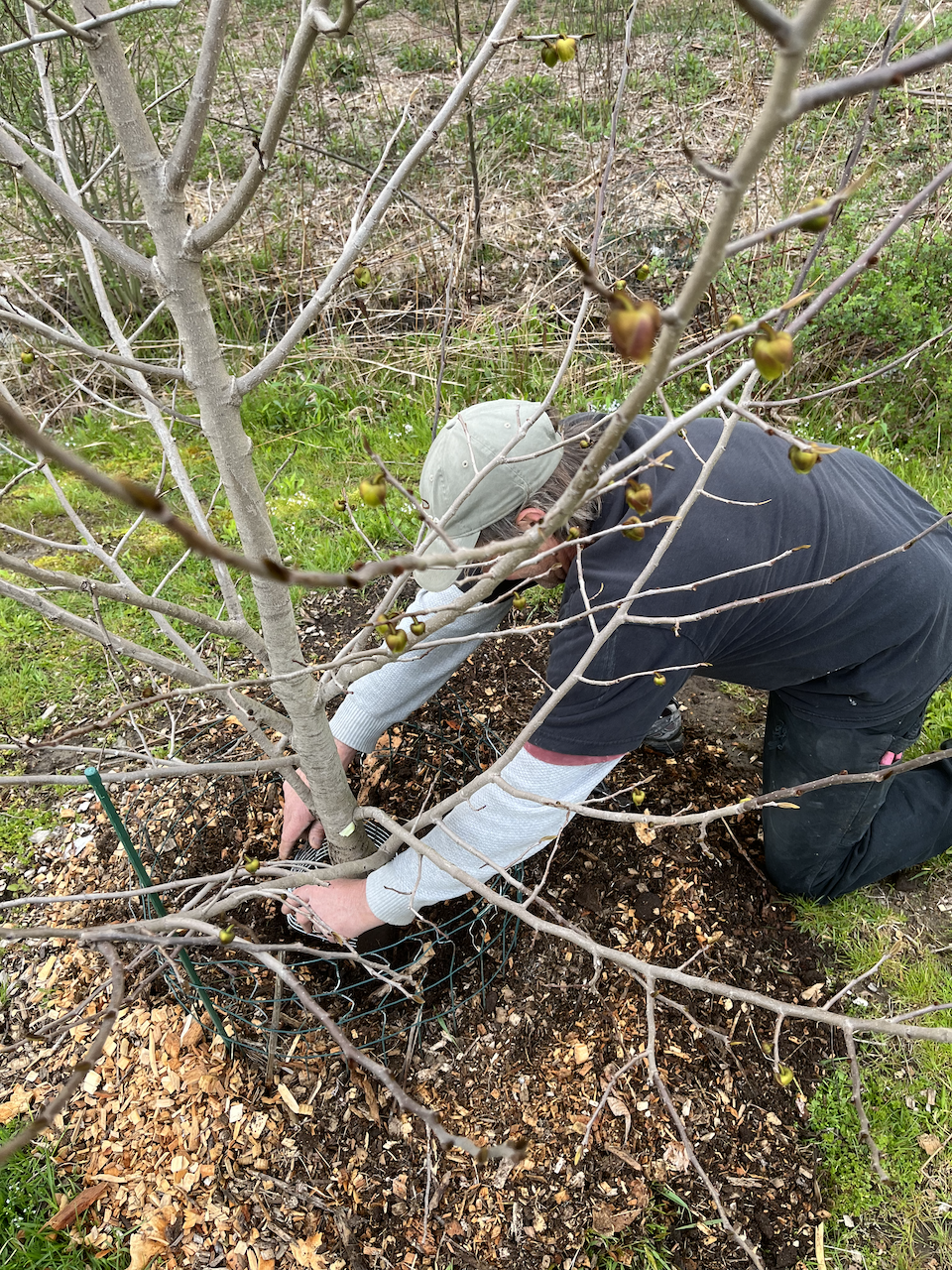
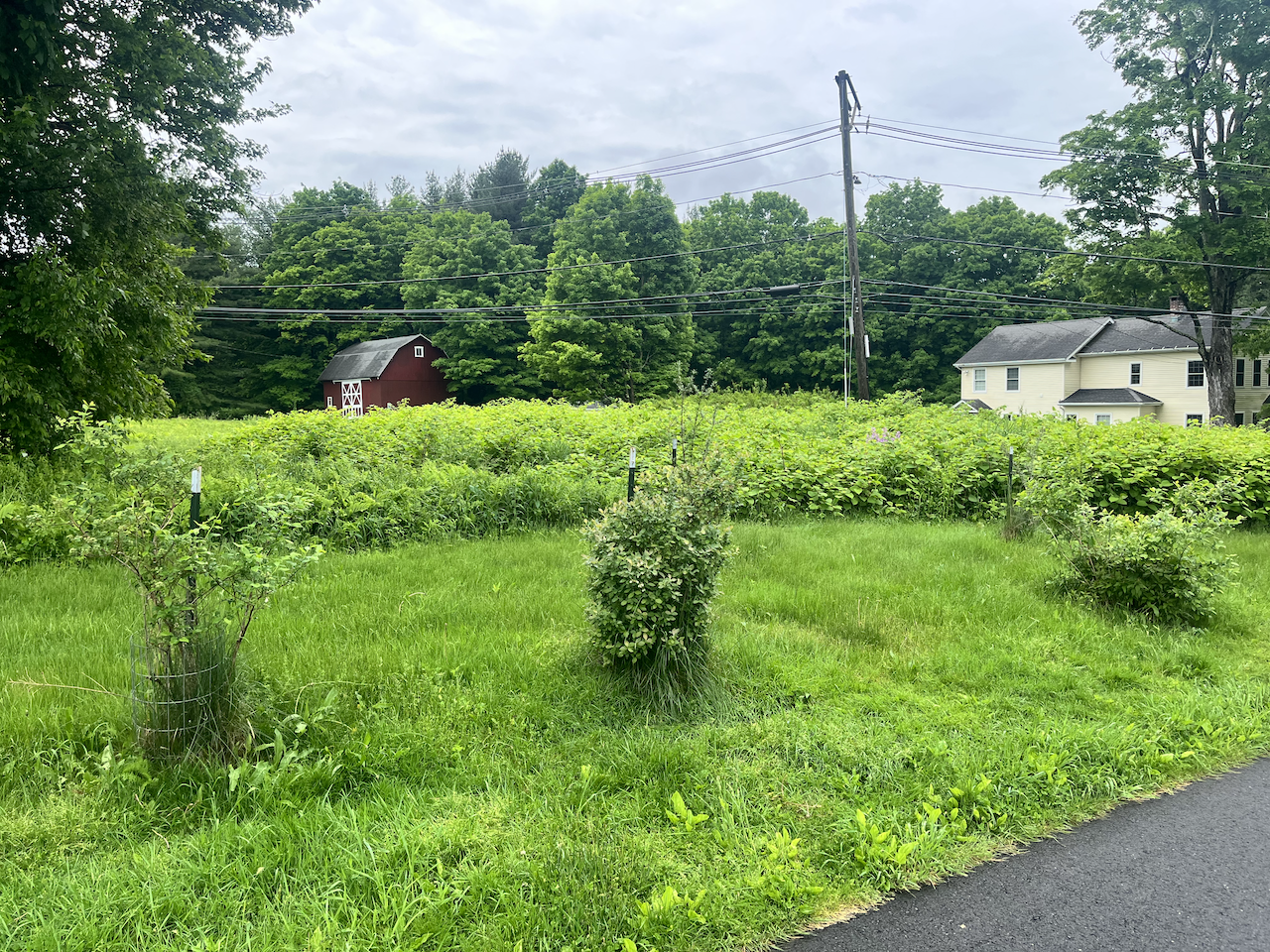
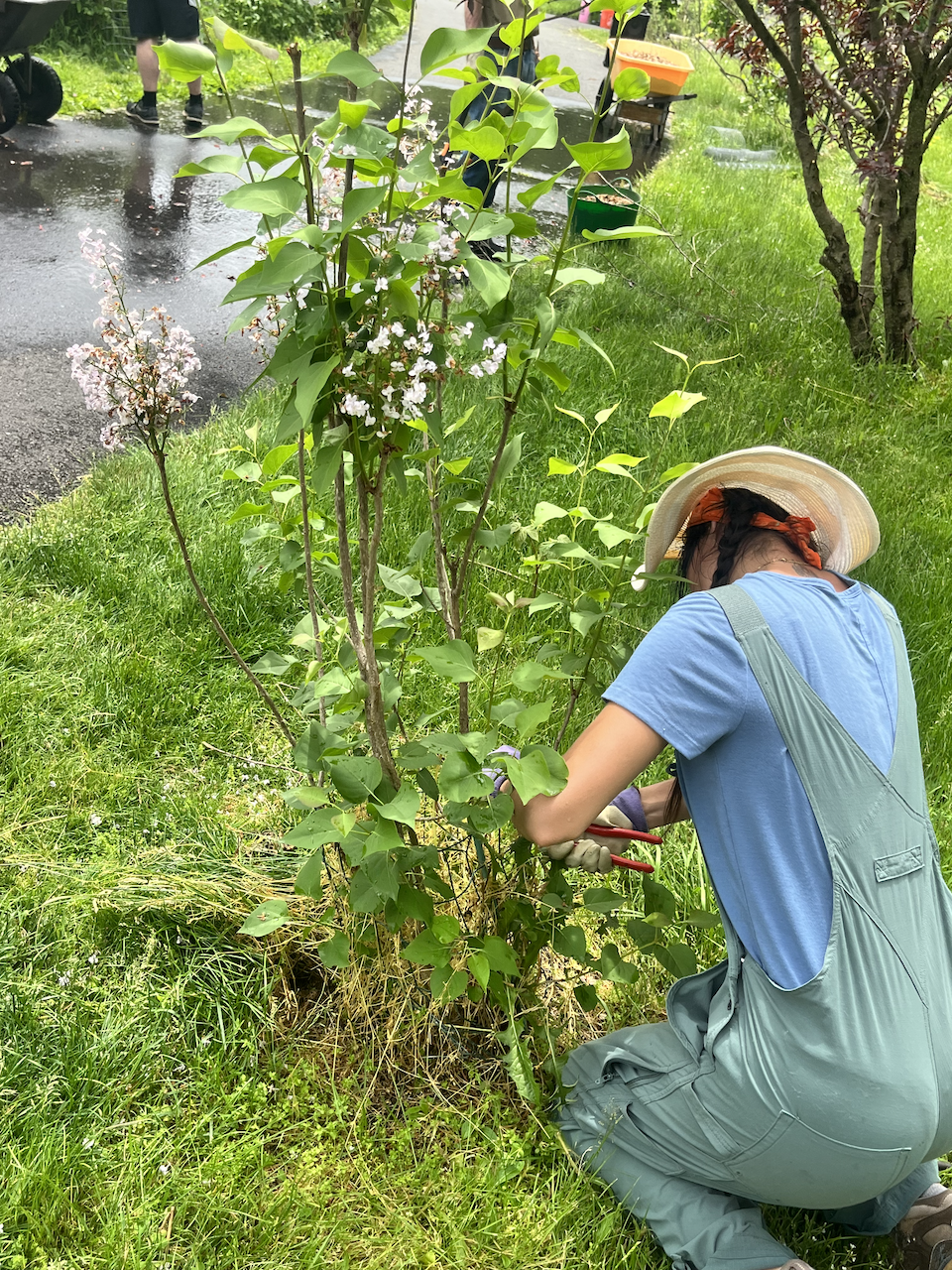
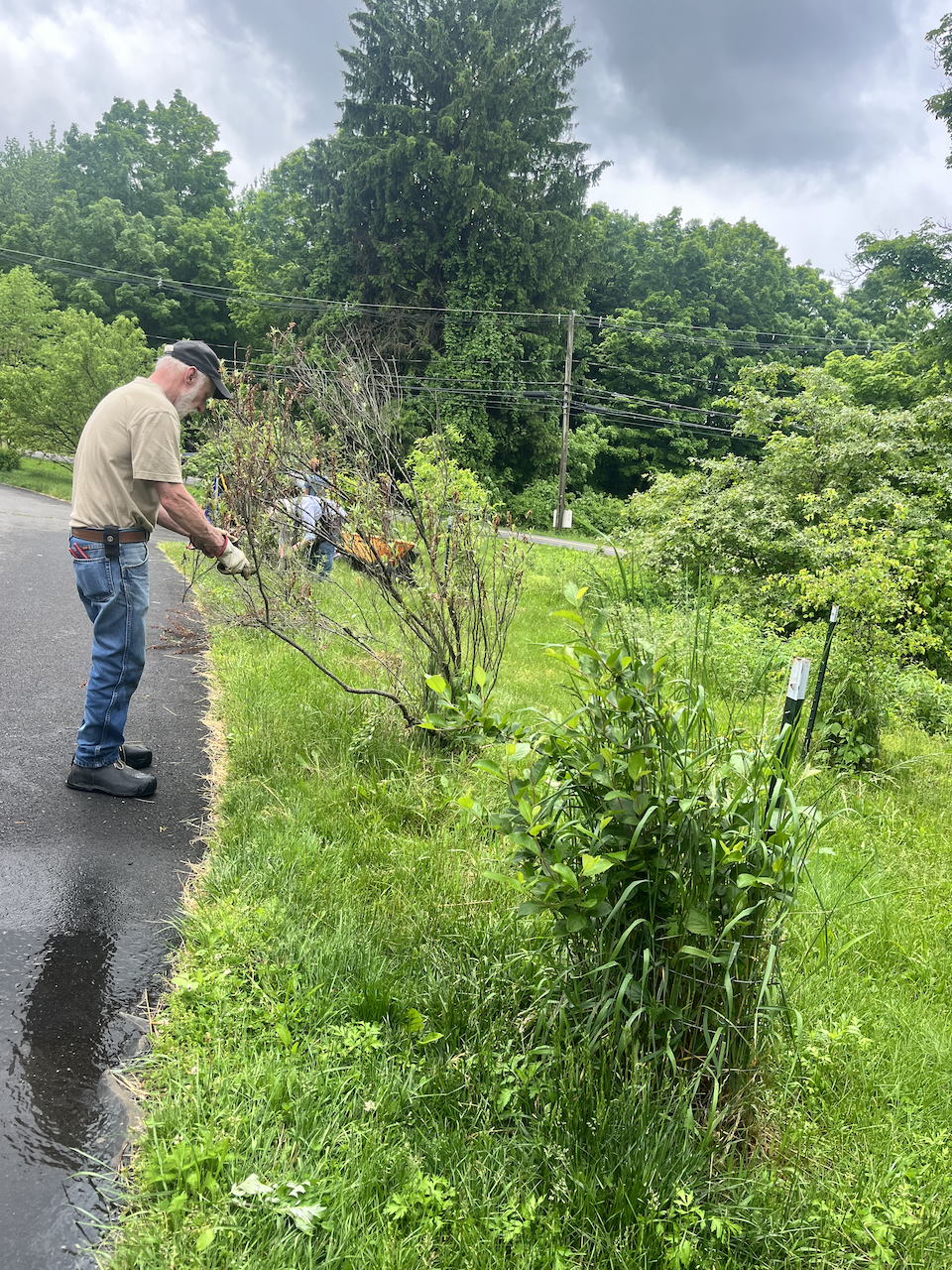
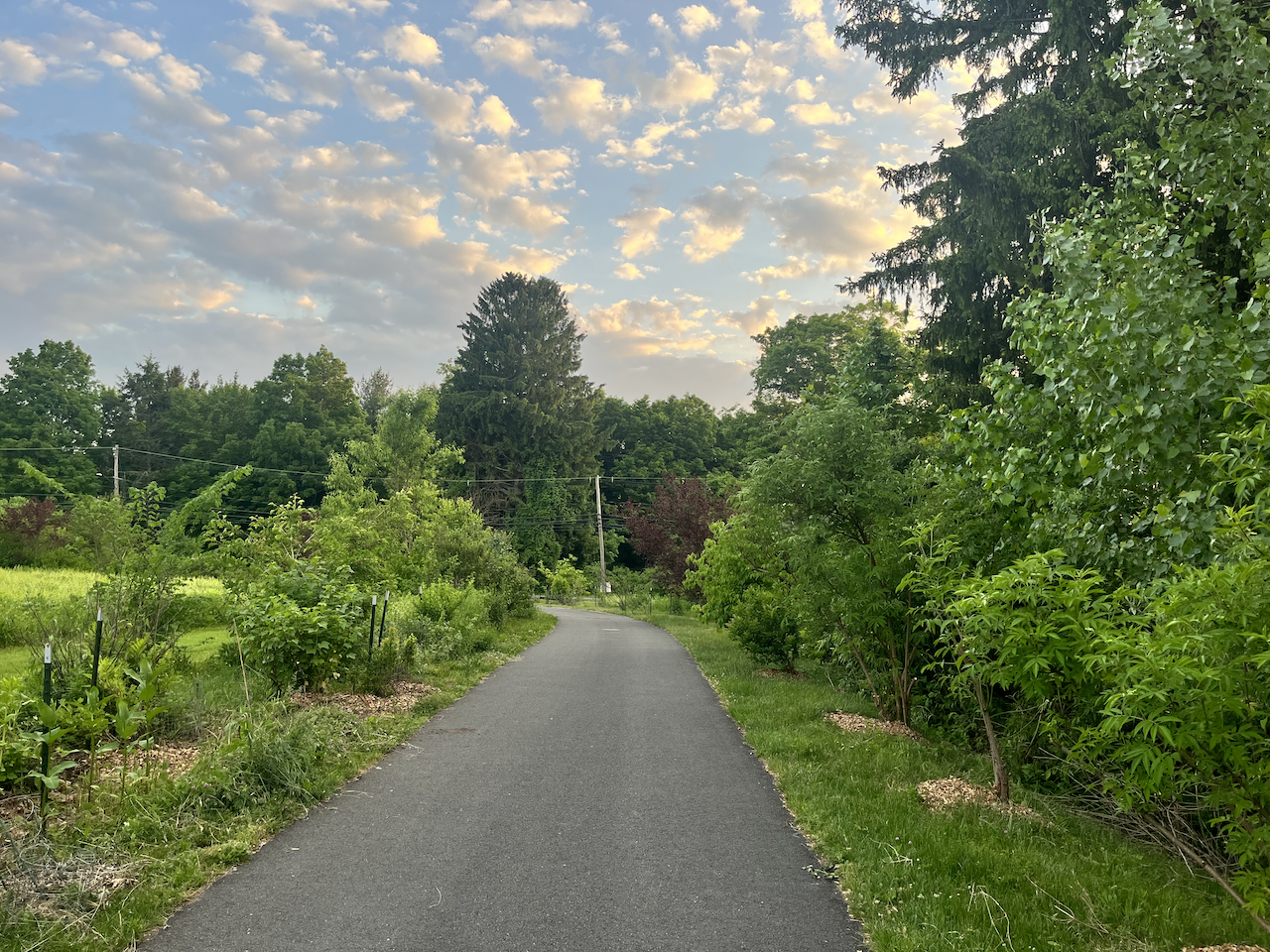
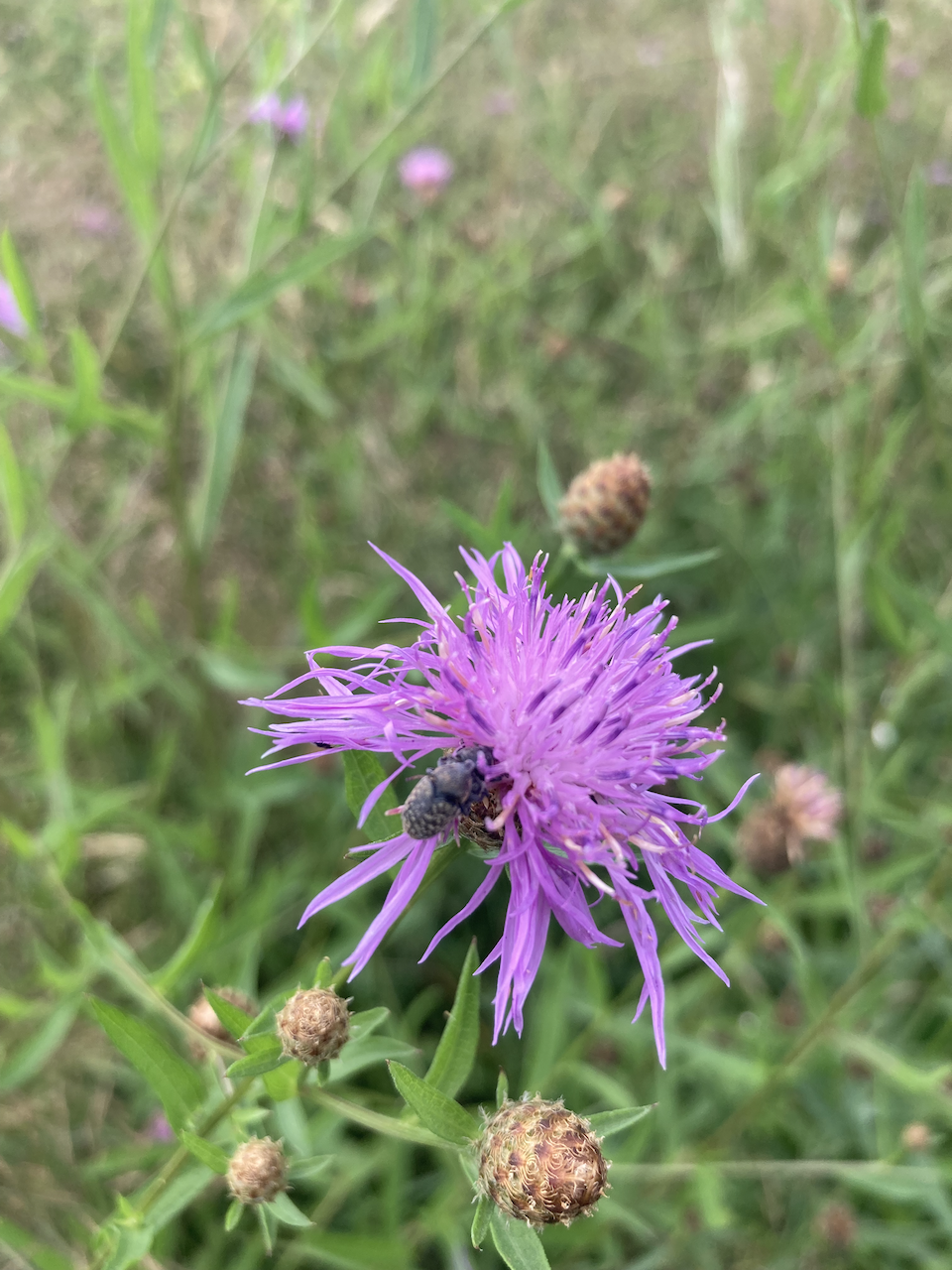
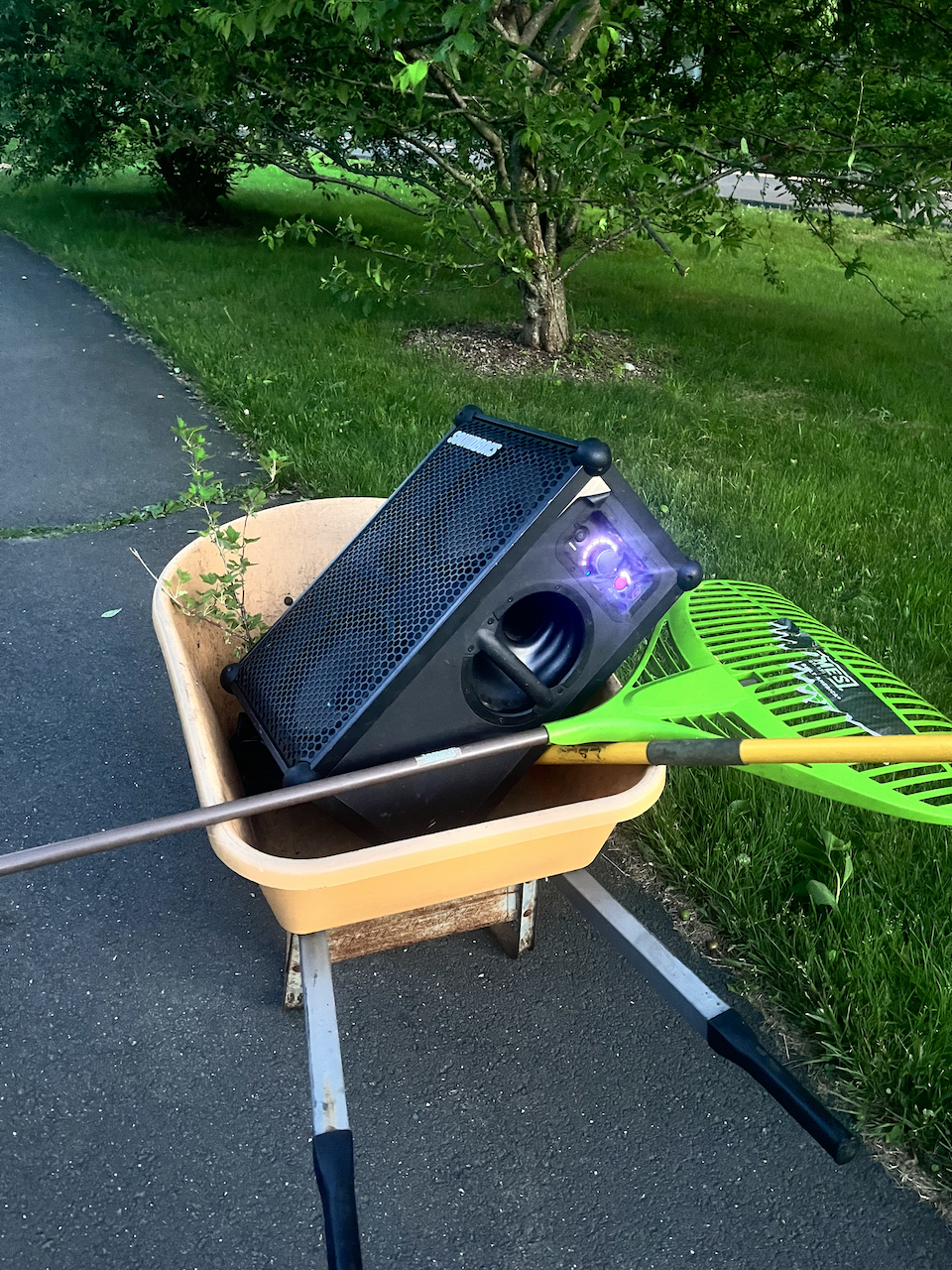
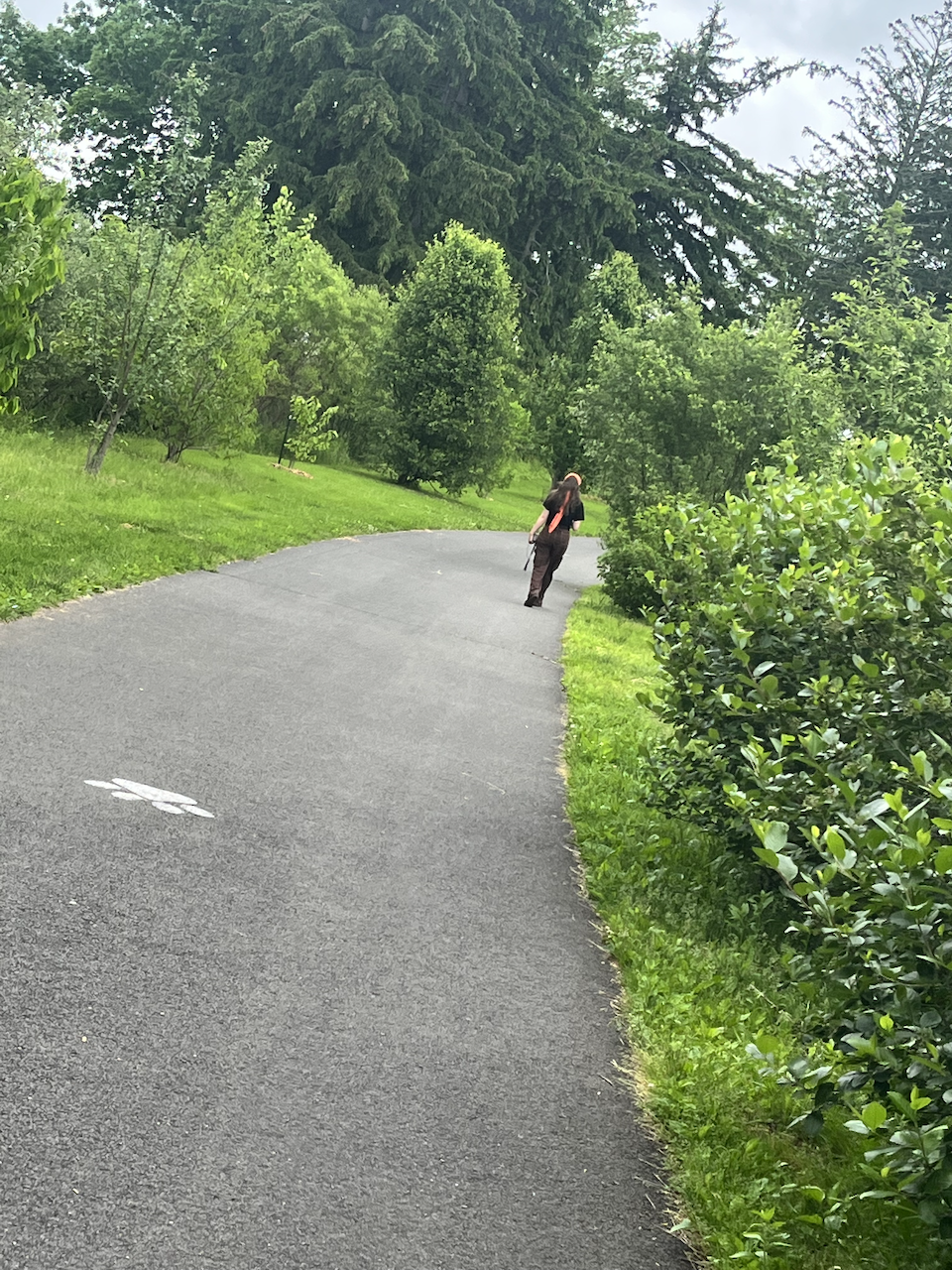
Help us help you get started
Schedule a tour.
The purpose of the Newtown Fruit Trail was ALWAYS to multiply. Yes. On its own, the Newtown fruit Trail offers tremendous value and tremendous benefits to the world, but it is also a living model, intended for other communities to replicate and improve upon, and to help open the doors for approval in other communities who may need to see proof that the model works.
After 10 years or dedicated management, we can say: It works.
The fruit trail is a living vision of our original designs. The trail is not perfect but it makes a big difference: Because it is such an early model, every ‘mistake’ at the fruit trail delivers potent, valuable lessons for the next project to succeed.
The Fruit Trail is a living genetic library of species.
It is an example of how different our community can look when we prioritize social and environmental health. It is a model to learn and improve upon.It is a model to open the doors for other communities who need a successful case study to reference and learn from.
Follow along on social media, and contact us for a private tour of the trail to discuss what is working and how to improve. We can also visit your public or private site to help you get started.
To hire us for PRIVATE installation: visit our professional installation and management business: “Paradise Gardens”
To contribute to the fruit trail, donations can be made to our nonprofit: “World Repair Planting Foundation” EIN: 84-4165192 donations can be mailed to” 1063 Mohawk Trail, Shelburne MA 01370.
Take a virtual tour!
Take a 360 degree POV virtual tour of the Fruit Trail. Coming soon!
Let us install your own Fruit Trail or Edible Landscape.
In addition to our nonprofit, that exists to plant and maintain free public orchards, we ALSO have a private installation company, “Paradise Gardens”.